

Analyzing the Impact of Gun Legislation on Crime Rates in Chicago
Chicago, often spotlighted for its high crime rates, serves as a compelling case study for analyzing the impact of gun legislation on crime. The city's gun laws, some of the strictest in the nation, have been the subject of much debate. Do these stringent regulations truly curb crime, or do they inadvertently fuel it? Let's delve into the data to understand the Chicago gun laws impact on crime rates.
Chicago's gun control measures include mandatory background checks, waiting periods for purchases, and restrictions on assault weapons. Despite these regulations, the city has struggled with a high rate of gun violence. This paradox has led some to question the effectiveness of the city's firearm regulations.
However, a closer look reveals a more complex picture. Many of the guns used in crimes in Chicago are not purchased within the city, but rather brought in from states with laxer gun laws. This phenomenon, known as the "iron pipeline," complicates the relationship between Chicago crime rates and gun control.
Studies have shown that states with stronger gun laws tend to have lower rates of gun violence. However, these laws are less effective when neighboring states have weaker regulations. This highlights the need for a more unified approach to gun control across the country.
While it's clear that gun legislation alone cannot solve Chicago's crime problem, it plays a crucial role in the broader strategy. Understanding the impact of firearm regulations in Chicago is key to crafting effective policies that promote safety and reduce crime.
Understanding the Effects of Gun Control Laws on Safety in Chicago
When it comes to understanding the effects of gun control laws on safety in Chicago, the situation is far from black and white. The city's stringent gun laws, while well-intentioned, have not resulted in the desired decrease in crime rates. However, this does not necessarily mean that these laws are ineffective. Rather, it points to a more intricate issue.
Chicago's gun laws are only as strong as the weakest gun laws in neighboring states. The so-called "iron pipeline" allows firearms to flow into the city from areas with less restrictive regulations. This influx of guns from outside the city undermines the impact of Chicago's gun control measures. 
Despite this, it's important to note that the city's gun laws have had some positive effects. For instance, they have helped to limit the availability of assault weapons and high-capacity magazines within the city. This is a significant achievement, as these types of firearms are often used in mass shootings.
Moreover, Chicago's mandatory background checks and waiting periods for gun purchases have likely prevented firearms from falling into the wrong hands. These measures, while not foolproof, are crucial components of a comprehensive approach to reducing gun violence. 
Ultimately, the impact of gun control laws on safety in Chicago is a complex issue that requires a nuanced understanding. It's clear that while these laws are an important part of the solution, they cannot single-handedly solve the city's crime problem. A more unified approach to gun control across the United States is needed to truly make a difference.
Comparing the Impact of State Gun Laws on Crime Rates in Chicago
When it comes to understanding the impact of state gun laws on crime rates, Chicago serves as a compelling case study. The Windy City, despite having some of the strictest gun control laws in the country, has struggled with high crime rates. This raises questions about the effectiveness of gun control laws and their role in shaping crime rates.
Chicago's gun laws are stricter than those in many other states. For instance, Illinois requires a Firearm Owners Identification (FOID) card for gun ownership, a stipulation not present in many states. However, the city's crime rates, particularly those involving firearms, remain high. This disparity between Chicago's strict gun laws and its elevated crime rates has sparked a heated debate about the efficacy of gun control legislation.
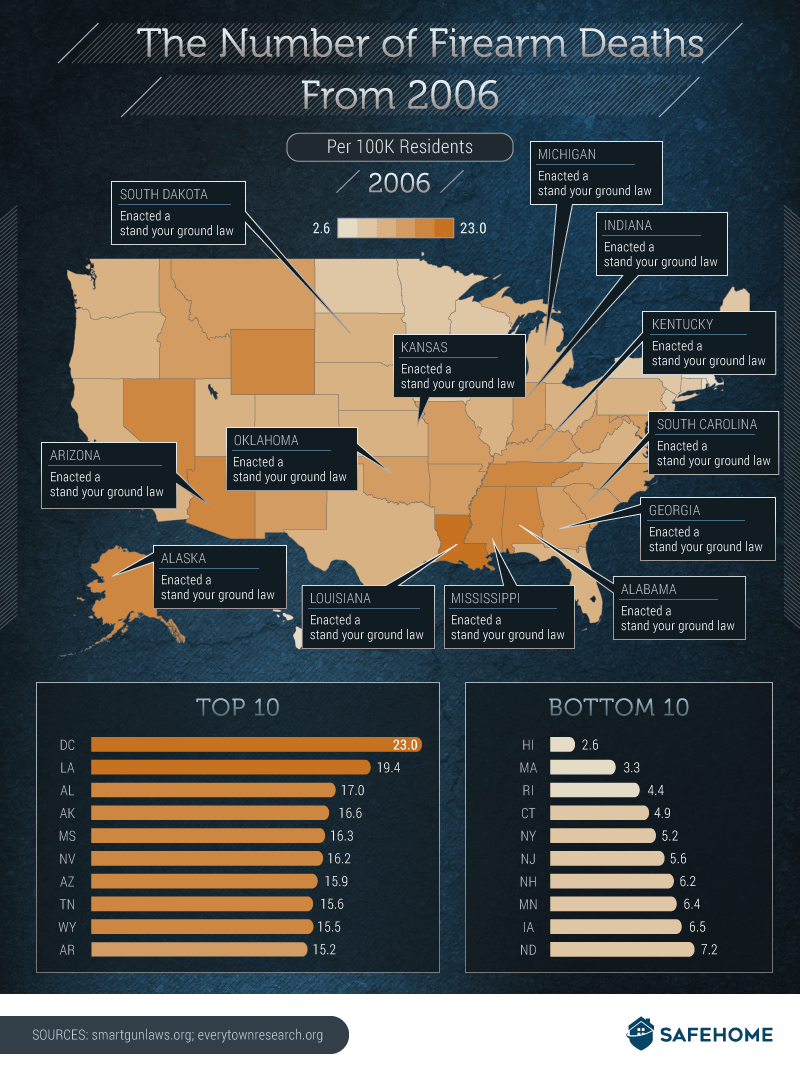
Comparatively, states with less stringent gun laws, such as Arizona or Alaska, have different crime patterns. These states, despite their lax gun laws, do not always report higher crime rates. This suggests that the relationship between gun laws and crime rates is complex and influenced by a multitude of factors beyond legislation alone.
It's crucial to note that gun laws are just one piece of the puzzle. Other factors, such as socio-economic conditions, education, and law enforcement practices, also play significant roles in shaping crime rates. Therefore, while gun laws are an important aspect of the discussion, they should not be viewed in isolation.
Understanding the impact of gun laws on crime rates requires a comprehensive, multi-faceted approach. By comparing Chicago's experience with that of other states, we can gain a more nuanced understanding of the role of gun laws in shaping crime rates.
The Role of Illinois Gun Laws in Curbing Crime in Chicago
When we delve into the heart of Illinois gun laws, we find a complex system designed to balance the rights of gun owners with the need for public safety. This balance is particularly evident in Chicago, a city that has long grappled with high crime rates. The question is, how effective are these laws in curbing crime in the Windy City?
Illinois has some of the strictest gun laws in the country. The state requires a Firearm Owners Identification (FOID) card for the purchase and possession of firearms and ammunition. This process includes a thorough background check, ensuring that those with a history of violent crime or mental illness are not legally able to obtain firearms. 
Despite these stringent laws, Chicago has struggled with gun violence. This seeming paradox often fuels debates about the impact of firearm regulations in Chicago. Critics argue that the strict laws have not effectively reduced crime, while proponents believe that without these laws, the situation could be far worse.
However, it's important to note that a significant number of firearms used in crimes in Chicago are traced back to states with less restrictive gun laws. This highlights a critical issue: even the strictest state laws can be undermined by lax regulations in neighboring states.
Understanding the role of Illinois gun laws in curbing crime in Chicago is not a simple task. It requires a comprehensive view of the broader context, including the influence of neighboring states' laws and the socio-economic factors that contribute to crime. 
While Illinois gun laws may not have eliminated crime in Chicago, they have established a framework for responsible gun ownership. This, coupled with ongoing efforts to address the root causes of crime, is a crucial step towards creating a safer city.
Exploring the Connection Between Gun Laws and Gun Violence in Chicago
Chicago, often spotlighted in the national conversation about gun violence, provides a compelling case study when exploring the connection between gun laws and gun violence. The Windy City has some of the strictest gun laws in the country, yet it struggles with high rates of gun-related crimes. This paradox has led many to question the effectiveness of stringent gun control measures in curbing violence.
Chicago's gun laws are primarily shaped by Illinois state legislation. The state requires gun owners to obtain a Firearm Owner’s Identification (FOID) card, which involves a background check. Despite these regulations, Chicago continues to grapple with gun violence. This raises the question: why?
One explanation is the porous nature of state borders. While Illinois has strict gun laws, its neighboring states, like Indiana, have more relaxed regulations. This discrepancy creates a loophole where guns can be purchased more easily outside of Illinois and then brought into Chicago.
Another factor is the enforcement of existing laws. Strict laws on paper mean little without robust enforcement. Chicago has faced criticism for not doing enough to enforce its gun laws, especially those related to illegal possession and trafficking.
Understanding the connection between gun laws and gun violence in Chicago is complex. It requires looking beyond the laws themselves and considering broader issues such as cross-border gun trafficking and law enforcement strategies. This nuanced perspective is crucial for developing effective strategies to reduce gun violence not just in Chicago, but across the United States.
The Effectiveness of Firearm Regulations in Reducing Crime in Chicago
When it comes to assessing the effectiveness of firearm regulations in reducing crime in Chicago, the picture is not black and white. The city's stringent gun laws, some of the toughest in the nation, have not resulted in a clear-cut reduction in crime rates. This has led to a widespread debate about the impact of these laws on safety in Chicago.
On one hand, the strict regulations in place, such as the mandatory Firearm Owner's Identification (FOID) card and background checks, demonstrate a proactive approach to gun control. However, the persistently high crime rates suggest that these measures alone are not enough.
One of the key challenges is the ease with which firearms can be procured from neighboring states with laxer gun laws. This cross-border gun trafficking undermines the effectiveness of Chicago's strict regulations. 
Another issue is the enforcement of existing laws. Without rigorous enforcement and penalties for violations, even the most comprehensive laws can fall short. Chicago has been criticized for its lackluster enforcement of gun laws, particularly those related to illegal possession and trafficking.
It's clear that understanding the impact of firearm regulations on Chicago's crime rates requires a multifaceted approach. It's not just about the laws themselves, but also about their enforcement, as well as broader issues such as cross-border gun trafficking.
While the effectiveness of Chicago's firearm regulations in reducing crime is a contentious issue, it's undeniable that a comprehensive, multi-pronged approach is needed to tackle gun violence. This includes not only robust laws and their enforcement, but also efforts to address root causes of crime and violence. 
As we continue to grapple with this issue, it's crucial to stay informed about the complexities of gun laws and their impact on safety. Only then can we hope to make meaningful progress in reducing gun violence in Chicago and beyond.
The Relationship Between Gun Laws and Crime Rates in Chicago
When we delve into the relationship between Chicago crime rates and gun control, it's like peeling back the layers of an onion. Each layer reveals a new aspect of the intricate connection between these two elements. The Windy City, as Chicago is fondly known, has a reputation for high crime rates, particularly gun-related crimes. But how does this relate to the city's gun laws?
Chicago has some of the strictest gun laws in the United States. Despite this, the city often finds itself grappling with gun violence. This paradox raises questions about the impact of firearm regulations in Chicago. Are the stringent laws effective in curbing crime, or do they inadvertently contribute to the problem?
Research indicates that while strict gun laws can deter legal gun ownership, they may not necessarily prevent illegal firearm possession. This is a key factor when considering the Chicago gun laws impact on crime rates. Criminals, by their very nature, do not adhere to laws, including gun laws. Therefore, while law-abiding citizens may be deterred by strict regulations, those intent on committing crimes may not be.
Understanding Illinois gun laws and their effects on state crime rates requires a nuanced approach. It's not just about the laws themselves, but also about their enforcement, the socio-economic factors at play, and the overall culture of gun ownership.

In conclusion, the relationship between gun laws and crime rates in Chicago is complex and multifaceted. It's a delicate balance between ensuring public safety through regulation and acknowledging the rights of individuals to bear arms. As we continue to explore this topic, it's crucial to remember that laws are only as effective as their enforcement and the societal context in which they exist.
Analyzing the Impact of Gun Legislation on Crime in Chicago
Let's now turn our focus to the impact of gun legislation on crime in Chicago. As we've established, Chicago's gun laws are among the strictest in the nation. Yet, the city's crime rates, particularly those involving firearms, remain high. This leads us to question: what is the real effect of these laws on crime?
Firstly, it's important to recognize that laws, in and of themselves, are not a panacea. They are tools, and their effectiveness largely depends on how they are applied. In the case of Chicago, the strict gun laws have not necessarily translated into fewer crimes involving guns. This could be due to a variety of factors, including inadequate enforcement of the laws, socio-economic conditions, and the prevalence of illegal firearms.
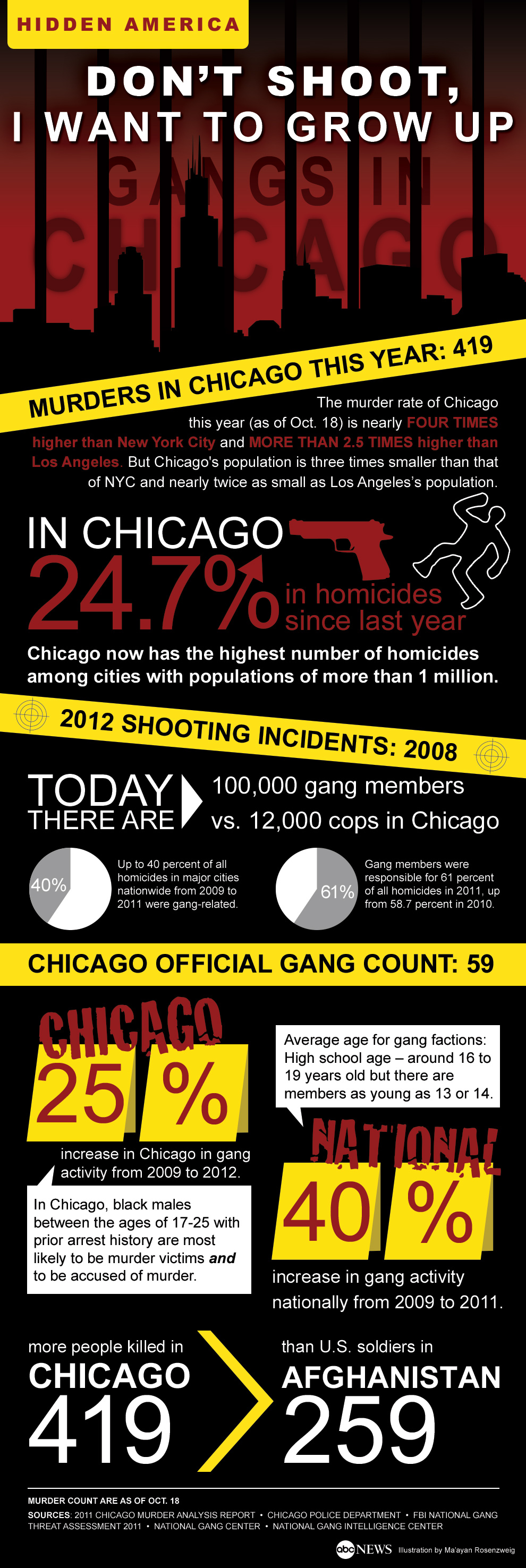
When we look at the data, we see that despite the strict gun laws, Chicago's crime rates have not significantly decreased. This could suggest that the laws are not having the desired effect. However, it's also possible that without these laws, the crime rates could be even higher. It's a complex issue that requires further study and analysis.
One thing is clear: gun legislation alone cannot solve the problem of gun violence in Chicago. It needs to be part of a broader strategy that includes improving socio-economic conditions, strengthening law enforcement, and promoting responsible gun ownership.
As we continue to delve into the impact of gun laws on crime rates in Chicago, we must remember that the goal is not just to reduce crime, but also to ensure the safety and well-being of all residents. This is a delicate balancing act that requires careful thought and consideration.

In the next section, we will explore the effects of gun control laws on safety in Chicago. Stay tuned as we continue to unravel the complexities of this important issue.
Examining the Influence of State Gun Laws on Crime Rates
As we delve deeper into the topic, let's examine the influence of state gun laws on crime rates. The relationship between these two factors is a subject of ongoing debate among scholars, policymakers, and the public. The city of Chicago, with its unique set of challenges, provides a compelling case study.

Illinois, the state in which Chicago is located, has some of the most stringent gun laws in the country. Despite this, the city continues to grapple with high crime rates. This apparent contradiction has led some to question the effectiveness of strict gun laws in reducing crime. However, it's important to remember that gun laws are not the sole determinant of crime rates. Other factors, such as socio-economic conditions, education levels, and law enforcement practices, also play a significant role.
Moreover, as previously mentioned, the impact of Illinois' gun laws is somewhat diluted by the influx of firearms from neighboring states with less restrictive regulations. This underscores the need for a more unified approach to gun control across the United States.

That being said, it's worth noting that state gun laws can and do have an impact on crime rates. For instance, studies have shown that states with stricter gun laws tend to have lower rates of firearm deaths. This suggests that while gun laws may not be able to completely eliminate crime, they can help to mitigate its impact.
In conclusion, the influence of state gun laws on crime rates is a complex issue that cannot be boiled down to simple cause-and-effect relationships. It requires a nuanced understanding and a comprehensive approach that takes into account a wide range of factors.
The Role of Firearm Regulations in Chicago's Crime Rates
Let's now focus on the role of firearm regulations in Chicago's crime rates. The Windy City, despite having some of the strictest gun laws in the nation, has often been in the headlines for its high crime rates. This has led to a flurry of questions and debates about the real impact of gun laws on crime rates.
Chicago's gun laws are indeed stringent. For instance, all gun owners must have a Firearm Owner's Identification (FOID) card, issued by the state of Illinois. Additionally, there are restrictions on the sale and possession of assault weapons, high-capacity magazines, and body armor. 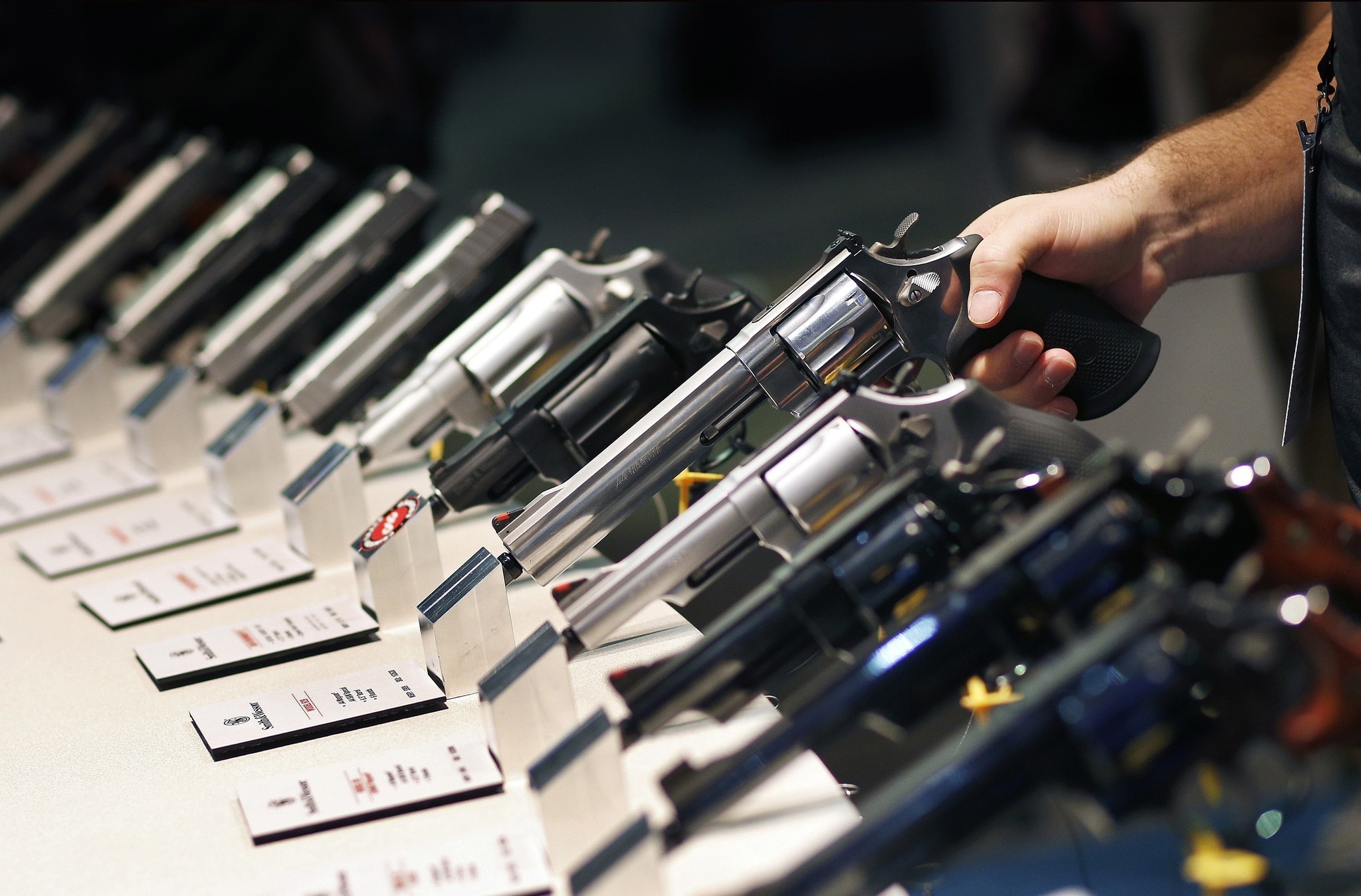
However, the city's crime rates remain high. In 2020, for example, Chicago saw a significant increase in homicides and shootings. This, understandably, leads to questions about the effectiveness of Chicago's gun laws.
But it's crucial to remember that gun laws are just one piece of the puzzle. Crime rates are influenced by a myriad of factors, including socio-economic conditions, education, and law enforcement practices. 
It's also worth noting that Chicago's gun problem is not entirely homegrown. A significant number of firearms used in crimes in Chicago are traced back to states with laxer gun laws, such as Indiana and Mississippi. This highlights the challenge of controlling gun violence in a single city or state when firearms can easily cross state lines.
In essence, while Chicago's gun laws may not have resulted in a dramatic decrease in crime rates, they are part of a broader strategy to curb gun violence. They serve as a deterrent, making it more difficult for potential criminals to acquire firearms. However, without a more unified approach to gun control across the nation, the impact of these laws will inevitably be limited.
Exploring the Connection Between Gun Laws and Crime in Illinois
As we delve deeper into the connection between gun laws and crime in Illinois, it's important to understand that the state's gun laws are not uniform. Illinois, like many other states, has a patchwork of laws that vary from one jurisdiction to another. This means that the impact of gun laws on crime rates can differ significantly across the state.
For instance, in areas with more stringent gun laws, such as Chicago, it may be more challenging for potential criminals to obtain firearms. However, in other parts of Illinois where gun laws are less restrictive, firearms may be more accessible. This disparity in gun laws can complicate efforts to curb gun violence and crime.
Another crucial factor to consider is the enforcement of these laws. Even the most comprehensive gun laws can fall short if they are not properly enforced. In Illinois, enforcement can vary, with some areas having more resources and manpower to enforce these laws than others.
Moreover, Illinois is not an island. Its proximity to states with laxer gun laws can make it easier for firearms to be brought into the state illegally. This underscores the need for a more unified approach to gun control that extends beyond state lines.
So, while it's clear that gun laws play a role in crime rates, their impact is influenced by a host of other factors. These include the enforcement of these laws, the disparity in laws across the state, and the ease with which firearms can cross state lines.
Understanding the connection between gun laws and crime in Illinois requires a nuanced approach that takes into account these complexities. It's not just about the laws themselves, but how they are enforced, how they interact with laws in neighboring states, and how they fit into the broader socio-economic context.
Remember: Gun laws are just one tool in the fight against crime. They are most effective when used as part of a comprehensive strategy that includes education, community outreach, and robust law enforcement.
Assessing the Effects of Gun Laws on Crime Rates in Chicago
When it comes to assessing the effects of gun laws on crime rates in Chicago, it's crucial to delve into the intricate relationship between legislation and crime. Chicago, often spotlighted for its high crime rates, has stringent gun control laws. Yet, the question remains: How do these laws impact crime rates?
Chicago's gun laws are among the strictest in the country. Understanding Illinois gun laws reveals that residents must obtain a Firearm Owner's Identification (FOID) card, undergo background checks, and adhere to waiting periods for purchases. Yet, despite these measures, Chicago's crime rates remain high. This paradox, often referred to as the Chicago gun laws impact, has sparked much debate.
Some argue that the high crime rates are due to illegal firearms flooding the city from states with lax gun laws. Others suggest that the stringent laws prevent law-abiding citizens from protecting themselves, thus contributing to the crime rates.
Research on the impact of firearm regulations in Chicago and US gun laws and crime rates generally, shows mixed results. Some studies suggest that stricter gun laws lead to lower crime rates, while others find no significant correlation.
It's clear that the relationship between gun legislation effects on crime and safety is complex and multifaceted. While gun laws are a crucial part of the puzzle, they are not the only factor influencing crime rates. Other elements, such as socio-economic conditions, education, and law enforcement practices, also play a significant role.
As we continue to explore the connection between gun control laws and safety in Chicago, it's crucial to consider these factors. Only through a comprehensive approach can we hope to understand and address the issue of crime in Chicago and across the United States.
Examining the Influence of Illinois Gun Laws on Crime Rates
As we delve deeper into the influence of Illinois gun laws on crime rates, it's essential to recognize that Illinois, as a state, has its unique set of firearm regulations. These laws, while similar in many ways to those in Chicago, have their distinct nuances and impacts on crime rates.
Illinois requires all gun owners to obtain a Firearm Owner's Identification (FOID) card, a measure that aims to ensure only responsible individuals can legally possess firearms. This regulation, coupled with mandatory background checks and waiting periods for all gun purchases, is designed to deter criminals from acquiring guns.
However, the effectiveness of these laws in reducing crime rates is a topic of ongoing debate. Critics argue that criminals often bypass these regulations by obtaining guns from other states or through illegal means. This is a significant challenge that undermines the impact of Illinois' gun laws.
On the other hand, advocates for Illinois' gun laws point out that these regulations have likely prevented many potential crimes. They argue that without these laws, the state's crime rates could be even higher. 
So, while it's clear that Illinois' gun laws have an influence on crime rates, the extent of this impact is not straightforward. It's a complex issue that intertwines with other factors such as socio-economic conditions, law enforcement strategies, and the gun laws of neighboring states. Therefore, understanding the full impact of Illinois gun laws on crime rates requires a broad perspective and a willingness to delve into the complexities of this issue.
Comparing the Impact of State Gun Laws on Crime Rates
As we shift our focus from Illinois to a broader perspective, let's compare the impact of state gun laws on crime rates across the United States. This comparison helps us understand the broader implications of gun legislation and its effects on crime.
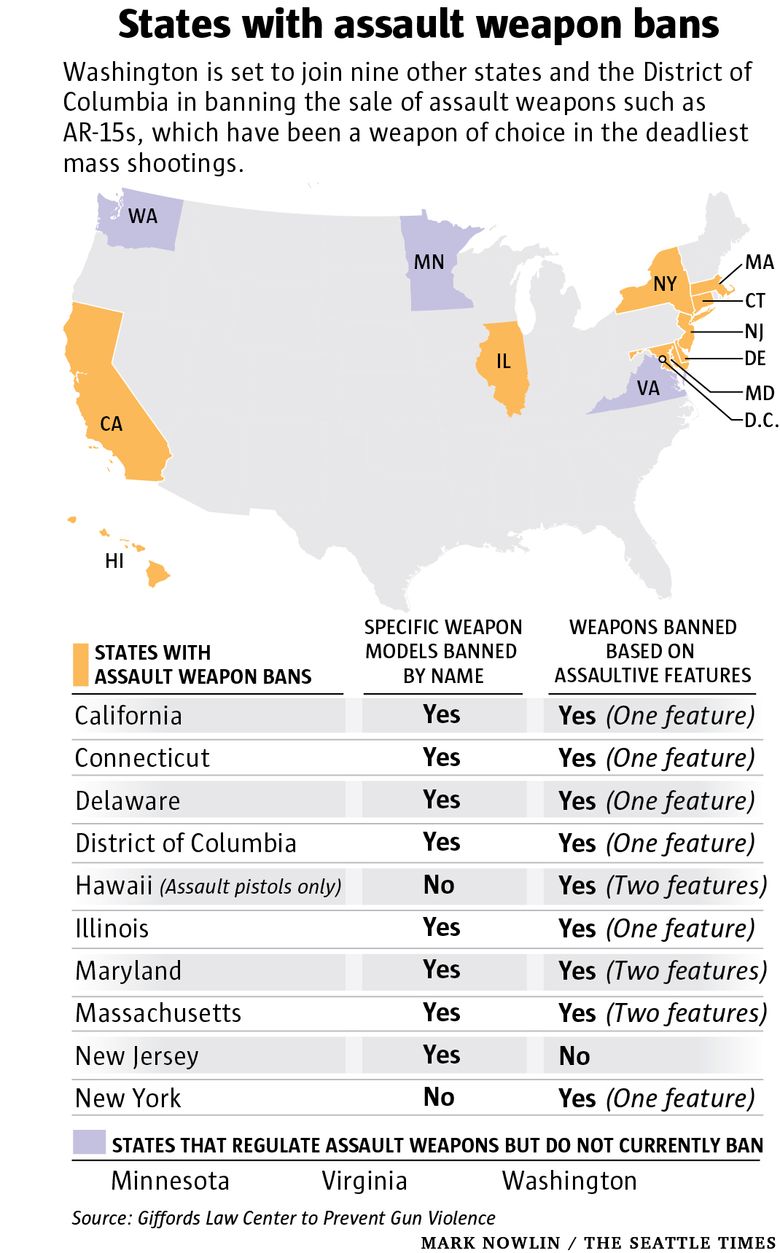
Each state in the U.S has its unique set of gun laws, ranging from permissive to restrictive. For instance, states like Arizona and Alaska have relatively lenient gun laws, while states like California and New York have some of the strictest gun laws in the country.
Studies show a correlation between the strictness of a state's gun laws and its crime rates. According to a report by the Center for American Progress, states with stricter gun laws tend to have lower gun-related crime rates. However, this does not necessarily imply causation. 
It's important to note that crime rates are influenced by a multitude of factors, including socio-economic conditions, law enforcement strategies, and cultural attitudes towards guns. Therefore, while gun laws play a role, they are just one piece of the puzzle.
For example, despite having some of the strictest gun laws in the country, Chicago still struggles with high crime rates. This can be attributed to a variety of factors, including the city's socio-economic conditions and the influx of guns from states with laxer laws.
In conclusion, while state gun laws undoubtedly have an impact on crime rates, their effectiveness cannot be assessed in isolation. A comprehensive approach that considers all influencing factors is necessary for understanding the true impact of gun laws on crime rates.
Remember: Understanding the complexities of gun laws and their impact on crime rates is key to informed and responsible gun ownership.
Exploring the Connection Between Gun Laws and Crime in Chicago
Let's delve deeper into the intriguing connection between gun laws and crime in Chicago. The Windy City, despite having some of the nation's most stringent gun laws, continues to grapple with significant crime rates. This paradox raises an essential question: Why isn't the strict legislation translating into lower crime rates?
One of the key reasons is the influx of firearms from states with more relaxed gun laws. Chicago's geographical location makes it susceptible to what's known as the "Iron Pipeline," where guns are trafficked from states with lax laws into areas with stricter regulations. 
Another factor is the city's socio-economic conditions. High poverty levels, unemployment rates, and income inequality can fuel crime, creating a complex web of issues that gun laws alone cannot solve. 
Furthermore, enforcement of gun laws is as crucial as the laws themselves. Without effective enforcement and penalties for violations, even the strictest laws may fall short in curbing crime rates.
Chicago's situation underscores the necessity for a comprehensive approach to gun control. It's not just about crafting strict laws, but also about ensuring their effective enforcement, addressing socio-economic issues, and curbing the illegal flow of guns.
Understanding Illinois gun laws and their impact on Chicago's crime rates is a crucial part of being an informed and responsible gun owner. It's a complex issue, but one that we must strive to understand if we are to make a positive difference. 
Assessing the Effects of Firearm Regulations on Crime in Chicago
Now, let's shift our focus to assessing the effects of firearm regulations on crime in Chicago. The city's gun laws are among the strictest in the nation, yet its crime rates remain high. This seeming contradiction has led many to question the efficacy of these laws. However, it's important to remember that laws are only as effective as their enforcement and the broader socio-economic context in which they operate.
Chicago's gun laws aim to reduce the availability of firearms, particularly to those with criminal intent. However, the city's proximity to states with more lenient gun laws, like Indiana, undermines these efforts. This is evident in the fact that a significant proportion of guns used in crimes in Chicago are traced back to these states.
Moreover, socio-economic factors play a significant role in Chicago's crime rates. Areas with high levels of poverty and unemployment often see higher crime rates, regardless of gun laws. This suggests that addressing socio-economic issues is as crucial as enforcing gun laws in reducing crime.
Lastly, the enforcement of gun laws is a critical factor. Without consistent enforcement and meaningful penalties for violations, even the strictest laws can fall short. Chicago's experience highlights the need for a comprehensive approach to gun control that includes effective enforcement, socio-economic interventions, and efforts to curb the illegal flow of guns.
Understanding the effects of firearm regulations on crime in Chicago is a complex task. It requires a nuanced understanding of the interplay between laws, enforcement, socio-economic conditions, and the illegal gun trade. However, it's an essential part of being an informed and responsible gun owner. 
No comments yet. Be the first to share your thoughts!