

Federal reforms streamline ATF rules
On April 29, 2026, the Bureau of Alcohol, Tobacco, Firearms and Explosives (ATF) announced a significant regulatory shift aimed at reducing administrative burdens for law-abiding gun owners and firearms businesses. The Department of Justice and the ATF released a landmark package comprising 34 final and proposed rules, marking the largest single overhaul of federal firearms regulation in over a decade [[src-serp-7]].
This coordinated action targets inefficiencies in the regulatory framework that have long complicated compliance for dealers and private transfers. By streamlining forms and updating definitions, the reforms seek to clarify obligations without altering the fundamental legal requirements for possessing or transferring firearms. The initiative reflects a broader administrative effort to modernize processes that have remained largely unchanged for years.
The changes focus heavily on procedural adjustments rather than substantive prohibitions. For instance, updates to Form 4473 and other documentation requirements aim to reduce errors and processing times. Dealers reported that previous iterations of these forms created unnecessary friction in daily operations. The new guidelines attempt to balance regulatory oversight with practical usability.
While the federal landscape is shifting, state laws remain distinct. Jurisdictions like Massachusetts continue to enforce their own strict regulations alongside these federal updates. Gun owners should monitor both federal announcements and state-specific legislative changes to ensure full compliance. The federal reforms do not preempt stricter state laws where they exist.
For detailed text of the new regulations, the ATF has published the full rulemaking package on its official website, providing direct access to the legal language and effective dates [[src-serp-2]]. The DOJ press release further outlines the administrative rationale behind these specific changes [[src-serp-8]].
State ballot measures reshape local laws
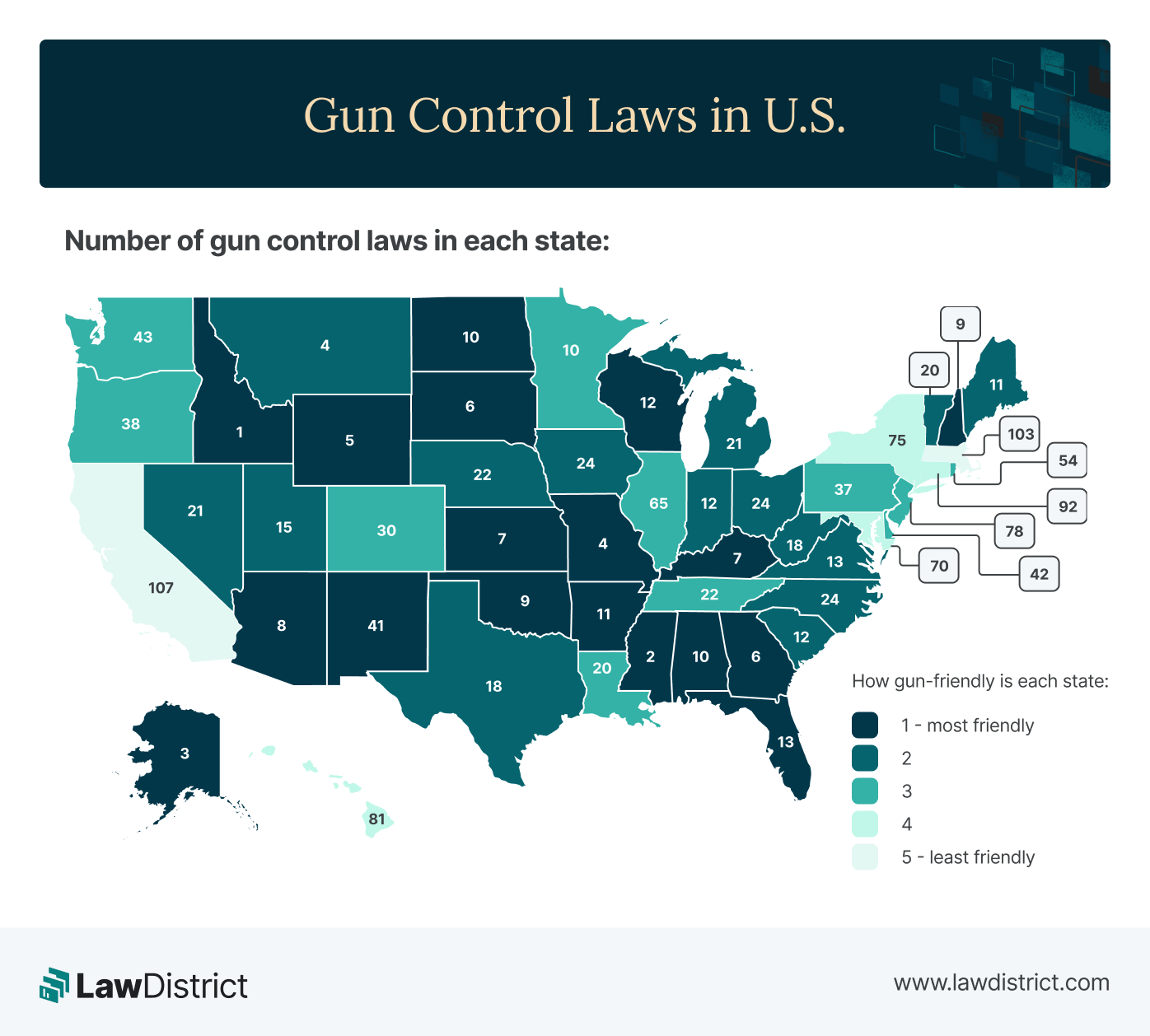
While federal reforms set the baseline, 2026 gun laws are being actively rewritten at the state level through direct democracy. Voters in several jurisdictions are deciding on significant regulatory shifts, ranging from permit-to-purchase systems to expanded bans on specific firearm categories. These ballot measures often bypass legislative gridlock, creating a patchwork of regulations that varies sharply depending on residency.
The most prominent example is Massachusetts Question 9, a veto referendum appearing on the November 3, 2026 ballot. This measure seeks to prohibit the sale and possession of assault-style firearms, effectively codifying and expanding upon existing state restrictions. If approved, the referendum would restrict access to high-capacity magazines and define prohibited weapons with greater specificity, marking one of the strictest state-level gun control efforts in recent years (Ballotpedia, 2026).
Such state-level actions contrast with other regions moving toward deregulation. As noted by industry observers, several states are simultaneously considering new firearm restrictions while others relax carry laws, illustrating the fragmented nature of 2026 gun laws (US Concealed Carry Association, 2026). This divergence means that compliance requires monitoring both federal updates and local ballot initiatives.
Supreme court rulings reshape state restrictions
The Supreme Court’s recent Second Amendment decisions have introduced significant shifts in how states can enforce gun regulations. These rulings, particularly those emerging in early 2026, clarify the boundaries of state-level restrictions and reinforce federal protections for gun owners. Understanding these judicial changes is essential for navigating the evolving legal landscape of gun ownership.
The April 29, 2026, Massachusetts ruling
On April 29, 2026, the Supreme Court issued a pivotal decision regarding Massachusetts' gun laws. The Court ruled that the state's "proper cause" requirement for issuing concealed carry permits was unconstitutional. This decision aligns with the Court's previous ruling in New York State Rifle & Pistol Association v. Bruen, which struck down similar "proper cause" requirements in New York.
The Massachusetts ruling means that state and local authorities can no longer deny concealed carry permits based on subjective assessments of an applicant's need for self-defense. This change has immediate implications for thousands of Massachusetts residents who were previously denied permits under the old standard.
Federal implications for other states
The Massachusetts decision sets a precedent that could impact other states with similar "proper cause" or "good cause" requirements for concealed carry permits. States like California, Hawaii, and New Jersey have long enforced strict carry laws, and this ruling may prompt legal challenges to those restrictions.
While the Supreme Court has not yet ruled on these specific state laws, the reasoning in the Massachusetts decision suggests a trend toward greater protection of Second Amendment rights. Legal experts anticipate that several states may see their concealed carry laws revised or struck down in the coming months.
What this means for gun owners
For gun owners, these rulings mean increased access to concealed carry permits in states that previously had restrictive laws. However, it is important to note that these decisions primarily affect concealed carry regulations and do not necessarily impact other aspects of gun law, such as background checks or restrictions on certain types of firearms.
Gun owners should stay informed about changes in their state's laws and consult with legal professionals for guidance on specific situations. The legal landscape is still evolving, and new rulings may further clarify the scope of Second Amendment protections.
Community perspectives on 2026 changes
The implementation of new federal reforms and state-level adjustments, such as those in Massachusetts, has sparked varied reactions across the gun-owning community. Discussions on platforms like Reddit highlight a mix of concern over compliance complexity and frustration with perceived regulatory overreach. Users on r/VAGuns, for instance, have actively debated the practical implications of the April 29, 2026, federal updates, focusing on how these changes affect daily ownership and storage requirements.
In states with historically stable gun laws, such as New Hampshire, residents are closely monitoring any potential shifts. Online forums show that while some owners welcome clarity on background check procedures, others worry about the cumulative burden of state and federal mandates. These conversations often center on the logistical challenges of keeping up with rapid policy changes rather than ideological opposition alone.
The dialogue reflects a broader trend: gun owners are becoming more organized in tracking regulatory updates. Many are turning to official sources like the ATF and DOJ for clear guidance, while simultaneously using community forums to share experiences and interpret new rules. This dual approach underscores the need for accessible, accurate information as the legal landscape continues to evolve.
Checklist for staying compliant
Navigating the shift in federal and state firearm regulations requires a systematic review of your current inventory and practices. With the ATF’s new era of reform rules taking effect and state-level measures like the Massachusetts Question 9 referendum scheduled for November 3, 2026, compliance is not static. You must verify that your records and devices align with both federal mandates and specific state bans.
The following steps outline the essential actions to verify your status. Use these points to audit your holdings against the April 29, 2026 regulatory landscape.
- Verify federal form updates. Review the latest ATF regulations to ensure your Form 4473 records and transfer methods comply with the streamlined requirements outlined in the ATF’s New Era of Reform package atf.gov.
- Check state-specific bans. Determine if your state has enacted new restrictions on assault-style firearms or permit-to-purchase systems. For example, Massachusetts voters will decide on Question 9 in November 2026, which could prohibit certain firearms ballotpedia.org).
- Inspect firearms for compliance. Physically inspect your collection for any items that may now be classified as illegal under new state laws, such as banned magazines or modified receivers. Consult local statutes or a legal professional for jurisdiction-specific definitions.
- Update registration and documentation. Ensure all required state registrations are current and that you possess the necessary permits for concealed carry or transport, particularly if traveling across state lines with varying laws.
Regulations can change rapidly based on legislative sessions and court rulings. Regularly check official sources like the ATF and your state’s attorney general office for the most recent updates.
2026 regulatory timeline
The federal government moved first in the spring, followed by state-level action in the fall. This timeline tracks the primary regulatory shifts for 2026.
April 29, 2026: Federal reforms
On April 29, 2026, the Department of Justice and the Bureau of Alcohol, Tobacco, Firearms and Explosives announced a package of regulatory reforms. The initiative aimed to reduce paperwork burdens for law-abiding gun owners and licensed businesses. The changes included streamlined forms and updated reporting requirements. Source: DOJ and ATF
November 3, 2026: Massachusetts referendum
Massachusetts voters decided on Question 9, a veto referendum regarding firearm regulations. The measure addressed the state’s prohibitions on assault-style firearms. Ballotpedia lists this as a significant state-level vote on gun policy for the year. Source: Ballotpedia
No comments yet. Be the first to share your thoughts!