

Permitless Carry: The Current Status
Constitutional Carry means citizens can bear arms without a government-issued permit, based on an interpretation of the Second Amendment. The term isn't federally defined, so its implementation varies by state.
Historically, carrying a firearm openly or concealed often required a license, a process that could involve background checks, training requirements, and fees. The push for Constitutional Carry gained momentum in recent years, fueled by advocacy groups and a growing number of states challenging these traditional regulations. It's not a new idea, but it’s certainly one that's seen a surge in legislative activity.
As of late 2024 and early 2025, over 28 states have enacted some form of permitless carry, including Alabama, Alaska, Arizona, Arkansas, Florida, Georgia, Idaho, Indiana, Iowa, Kansas, Kentucky, Louisiana, Mississippi, Missouri, Montana, Nebraska, New Hampshire, North Carolina, North Dakota, Ohio, Oklahoma, South Carolina, South Dakota, Tennessee, Texas, Utah, Vermont, and West Virginia. The specifics of these laws differ, with some allowing both open and concealed carry without a permit, while others only cover concealed carry.
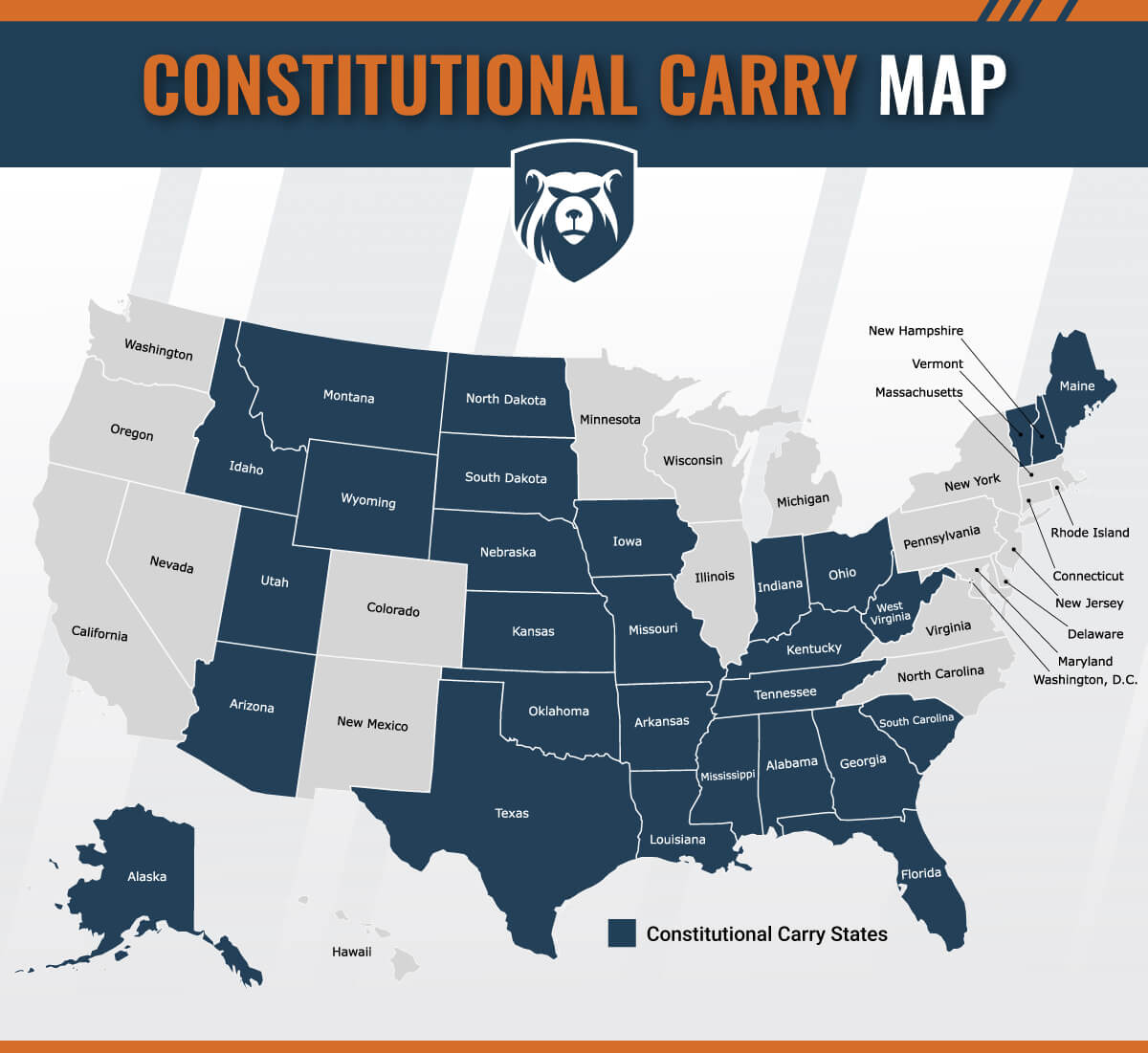
States Enacting Change in 2025-2026
Constitutional Carry laws are evolving. Several states are debating or have passed legislation to join permitless carry states. Minnesota, for example, debated permitless carry in 2024, but the outcome is uncertain.
The proposed Constitutional Concealed Carry Reciprocity Act of 2025 (H.R.38) is a federal bill in Congress. It aims to allow individuals with state-issued concealed carry permits to carry firearms in any other state that allows concealed carry. Its passage would expand the recognition of carrying rights across state lines.
Supporters of permitless carry argue it respects the Second Amendment and allows self-defense. Opponents worry about public safety, suggesting the removal of permits could make it easier for those with criminal intent to carry firearms. The debate balances individual rights with public safety.
Implementation can be slow and subject to legal challenges, even after a bill passes. Lawsuits from gun control groups have led to modifications or temporary injunctions in some states. Staying informed requires monitoring state legislative sessions.
Constitutional Carry: A State-by-State Breakdown
Understanding the nuances of Constitutional Carry laws is essential, not just knowing if a state has permitless carry.
Alabama: Allows permitless concealed carry for individuals 21 and older, but requires a valid ID. Certain individuals, such as convicted felons and those with domestic violence restraining orders, are prohibited from carrying. Open carry remains regulated.
Arizona: Has broad permitless carry laws, allowing individuals 21 and over to carry concealed or openly without a permit. There are restrictions on carrying in certain locations, such as schools and government buildings. Prior felony convictions still bar someone from carrying.
Arkansas: Permits anyone 21 or older to carry a handgun, concealed or open, without a permit, provided they are not prohibited by state or federal law. Enhanced carry permits are still available for reciprocity with other states.
Florida: Allows concealed carry without a permit for individuals 21 and older, but requires a background check. Open carry remains generally prohibited. A license is still required for those under 21.
Georgia: Allows individuals 21 and older to carry a handgun, openly or concealed, without a permit, with certain exceptions. Those with felony convictions are prohibited.
Texas: Allows individuals 21 and older to carry a handgun, openly or concealed, without a permit. However, individuals must still meet the requirements to legally own a firearm. There are restrictions on carrying in schools, polling places, and other sensitive locations.
Vermont: Was the first state to embrace a form of Constitutional Carry, recognizing the right to bear arms for self-defense without a permit. This law is relatively unrestricted, but still prohibits carrying in certain locations.
This is just a small sample. Each state has its own specific laws, and it’s crucial to consult the state’s official government website for the most up-to-date information. Resources such as usconcealedcarry.com and protectwithbear.com provide detailed state-by-state guides, but always verify the information with official sources.
Constitutional Carry States (as of November 2023/Early 2024 - Subject to Change)
| State | Permit Required? | Age Requirement | Prohibited Persons (Examples) | Prohibited Locations (Examples) | Reciprocity Agreements (Approximate Number of States) |
|---|---|---|---|---|---|
| Alabama | No | 21 | Convicted felons, those with domestic violence restraining orders | Schools, courthouses | Numerous, varies depending on state laws |
| Alaska | No | 21 | Convicted felons, those with specific misdemeanor convictions | Schools, government buildings | Many, but reciprocity is not guaranteed |
| Arizona | No | 21 | Convicted felons, those adjudicated mentally incompetent | Schools, polling places | Approximately 30 states |
| Arkansas | No | 21 | Convicted felons, fugitives from justice | Schools, police stations | Around 29 states |
| Florida | No | 21 | Convicted felons, those with restraining orders for domestic violence | Schools, courthouses | Approximately 30 states |
| Georgia | No | 21 | Convicted felons, those with certain mental health adjudications | Schools, government buildings | Around 29 states |
| Indiana | No | 21 | Convicted felons, those with domestic abuse restraining orders | Schools, courthouses | Approximately 30 states |
| Iowa | No | 21 | Convicted felons, those with domestic violence convictions | Schools, state capitol building | Around 28 states |
Illustrative comparison based on the article research brief. Verify current pricing, limits, and product details in the official docs before relying on it.
Federal Legislation & Reciprocity
Federal legislation like the Constitutional Concealed Carry Reciprocity Act of 2025 (H.R.38) could impact Constitutional Carry by creating a national standard for concealed carry reciprocity. If passed, it would allow individuals with a valid concealed carry permit in one state to carry in any other state that permits concealed carry.
Supporters argue H.R.38 simplifies travel and exercising Second Amendment rights across state lines, eliminating confusion from varying state laws. Opponents worry it could lower safety standards by allowing individuals with permits from states with less stringent requirements to carry in states with stricter laws.
For states with Constitutional Carry, H.R.38 could provide additional protections, ensuring their residents' right to carry is recognized elsewhere. For states without it, the bill could create reciprocity, allowing residents with state-issued permits to carry in more locations.
Common Restrictions & Loopholes
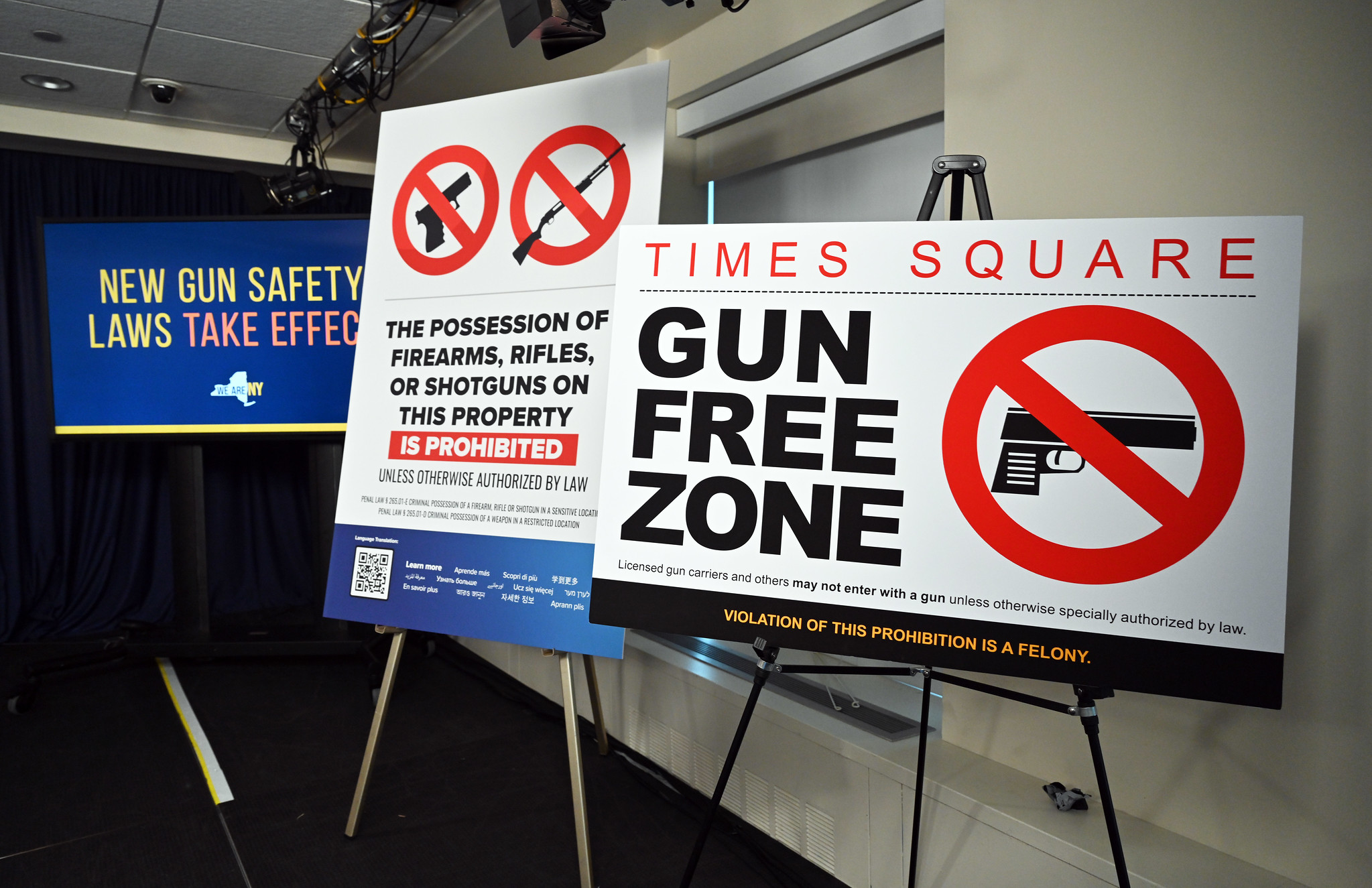
Even in Constitutional Carry states, restrictions exist. Many states prohibit carrying in specific locations like schools, government buildings, airports, and courthouses. Understanding these is vital to avoid legal trouble.
Carrying while intoxicated is a common restriction; most states prohibit firearms while under the influence of alcohol or drugs. Some states also have 'duty to inform' laws, requiring individuals to notify law enforcement during interactions.
Loopholes can exist, often centering on the definition of 'prohibited persons.' States vary in who they legally bar from carrying firearms. Some prohibit individuals convicted of certain misdemeanors, while others only ban felons. Thoroughly research specific laws in your state and any state you plan to travel to.
Open carry regulations can also be ambiguous. While some Constitutional Carry states allow it without a permit, others regulate it, requiring specific holsters or modes of carry. Understanding these nuances ensures legal compliance.
Impact on Crime Rates: What Does the Data Say?
The impact of Constitutional Carry on crime rates is debated. Analyzing the data is challenging due to numerous influencing factors, making it difficult to isolate the effect of any single law. Correlation does not equal causation.
Some studies show no significant increase in violent crime rates after Constitutional Carry laws were enacted. Others, however, find a correlation between permitless carry and an increase in certain gun violence types. These conflicting findings show the issue's complexity.
Data varies by state and crime type. Some states saw increased aggravated assault rates after adopting Constitutional Carry, while others did not. More long-term data and rigorous research are needed for definitive conclusions.
Crime rates are influenced by many factors, including socioeconomic conditions, policing strategies, and demographic trends. Attributing changes solely to Constitutional Carry laws is an oversimplification.
Resources & Further Information
Staying informed about gun laws is ongoing. Here are some resources for more detailed information:
undefined Public Safety.
US Concealed Carry Association (USCCA): Provides detailed state-by-state guides and educational resources.
Right to Bear: Offers information on Constitutional Carry laws and reciprocity maps.
National Rifle Association (NRA): Provides information on gun laws and advocacy efforts.
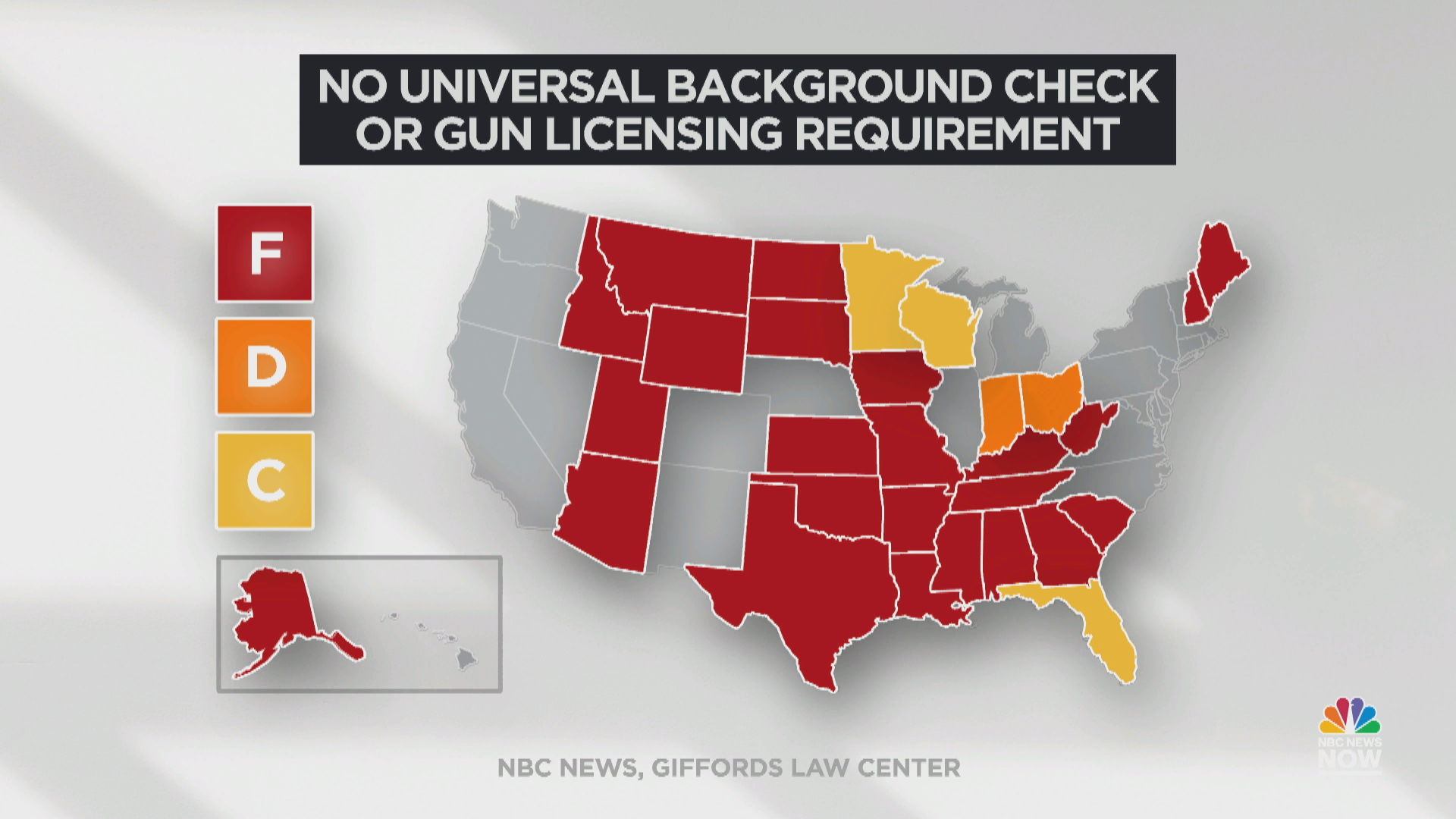
Giffords Law Center: Offers a different perspective on gun laws and advocates for stricter regulations.
Resources & Further Info
- National Rifle Association (NRA) - Advocacy group providing information on gun rights and legislation.
- Second Amendment Foundation (SAF) - Organization focused on legal and educational efforts to support the Second Amendment.
- Giffords Law Center to Prevent Gun Violence - Organization advocating for stricter gun control measures and providing legal resources.
- Everytown for Gun Safety - Advocacy group working to end gun violence through research, education, and political action.
- Bureau of Alcohol, Tobacco, Firearms and Explosives (ATF) - Federal agency responsible for regulating firearms and enforcing related laws.
- State Attorney General Offices - Each state's Attorney General website will often provide detailed information on state-specific gun laws.
- State Legislative Websites - Access official state legislative information to review current and proposed gun law changes.
No comments yet. Be the first to share your thoughts!