

The legal focus on gun storage
There’s a noticeable shift happening in how we think about gun ownership, and it’s moving beyond simply the right to bear arms. We’re seeing increased attention on how those arms are stored, and it's driven by some sobering statistics. Unintentional shootings are up, and tragically, so are suicides involving firearms. Perhaps most concerning is the impact on children; accidental access to unsecured firearms is a real and growing threat.
The shift toward storage laws isn't a move to dismantle the Second Amendment. It's a practical attempt to stop reacting to tragedies after they happen. By focusing on how guns are kept, states are trying to keep firearms away from people who shouldn't have them.
The debate centers around what exactly constitutes 'safe storage.' Is a simple lock enough? Does it need to be a full gun safe? And what are the legal implications for gun owners who don’t comply? These questions are being litigated and legislated across the country, leading to a patchwork of laws that are constantly evolving. Understanding these laws is becoming increasingly important for every firearm owner.
Content is being updated. Check back soon.
The three tiers of state regulation
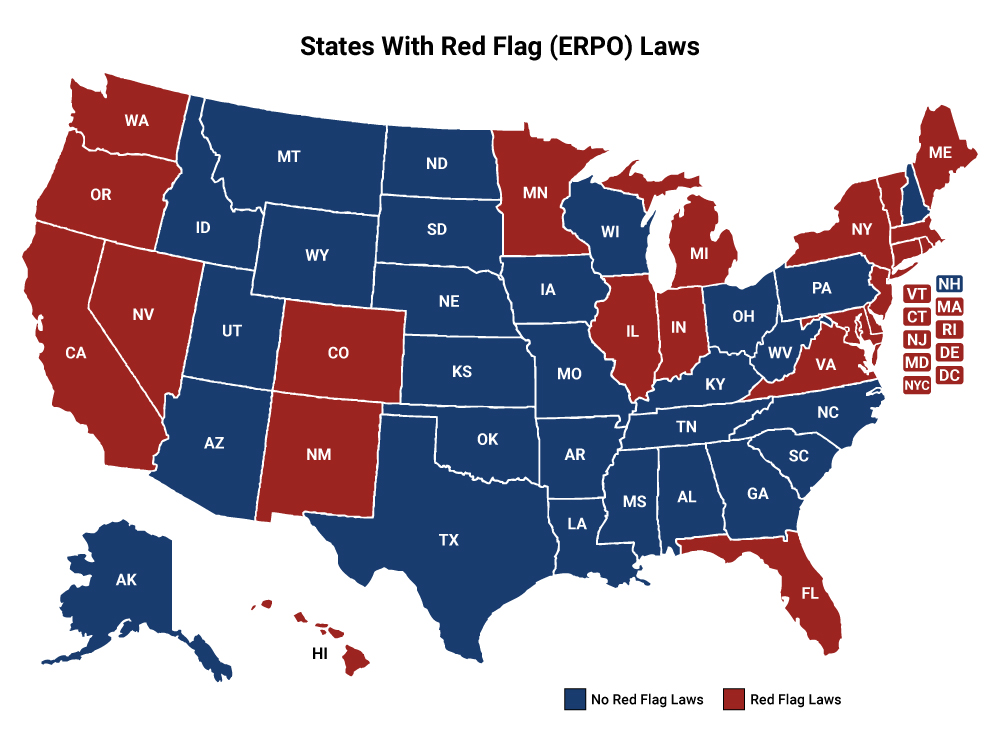
Trying to make sense of gun storage laws across all 50 states can be overwhelming. The regulations vary widely, and it’s easy to get lost in the details. That’s why I think it’s helpful to categorize states into a three-tier system: 'Strict Storage,' 'Moderate Requirements,' and 'Minimal Regulation.' This provides a framework for understanding the different approaches states are taking.
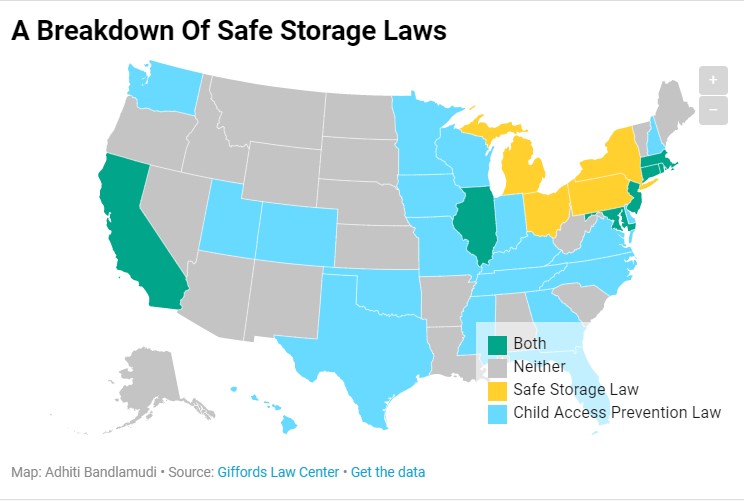
"Strict Storage" states have the most comprehensive laws. These typically include mandatory safe storage requirements, specific definitions of what constitutes 'safe storage' (like locked containers or trigger locks), and penalties for negligence. New York and Massachusetts are prime examples. "Moderate Requirements" states require some form of storage, but offer more flexibility or have less severe penalties. Oregon, for example, falls into this category.
Finally, "Minimal Regulation’ states leave most storage decisions up to the individual gun owner. There may be some general guidelines or recommendations, but few legally binding requirements. This doesn’t mean safe storage isn’t important in these states – it just means the onus is on the owner to act responsibly. The lines between these categories aren"t always clear-cut, and some states may fall somewhere in between, but it's a useful starting point for understanding the landscape.
- Strict storage: Mandatory laws with specific requirements and criminal penalties.
- Moderate Requirements: Some storage requirements, more flexibility, less severe penalties.
- Minimal Regulation: Limited or no specific storage laws, owner responsibility emphasized.
Strict storage states and penalties
States like New York, Massachusetts, and California have some of the strictest gun storage laws in the country. New York, for example, requires firearms to be secured in a locked safe or with a trigger lock when not in use (gunsafety.ny.gov). The law applies to all gun owners, and violations can result in criminal charges and fines. Massachusetts has similar requirements, with a focus on preventing access by unauthorized individuals.
California goes even further, requiring that all firearms be stored in a locked container or disabled with a trigger lock. They also have specific regulations regarding the transfer of firearms, including requirements for background checks and waiting periods. These laws aren’t without controversy, and some gun rights advocates argue they place an undue burden on law-abiding citizens.
In California, homeowners have faced criminal negligence charges and civil liability after unsecured guns were stolen and used in shootings. These aren't just theoretical rules; they carry heavy legal weight if a weapon is used to injure someone. Since state legislatures update these codes frequently, checking the current year's statutes is the only way to stay compliant.
States with minimal regulation
A significant number of states have minimal or no specific gun storage laws. This means that the responsibility for safe storage falls squarely on the shoulders of the gun owner. States like Arizona, Alaska, and Wyoming generally have fewer restrictions on firearm storage.
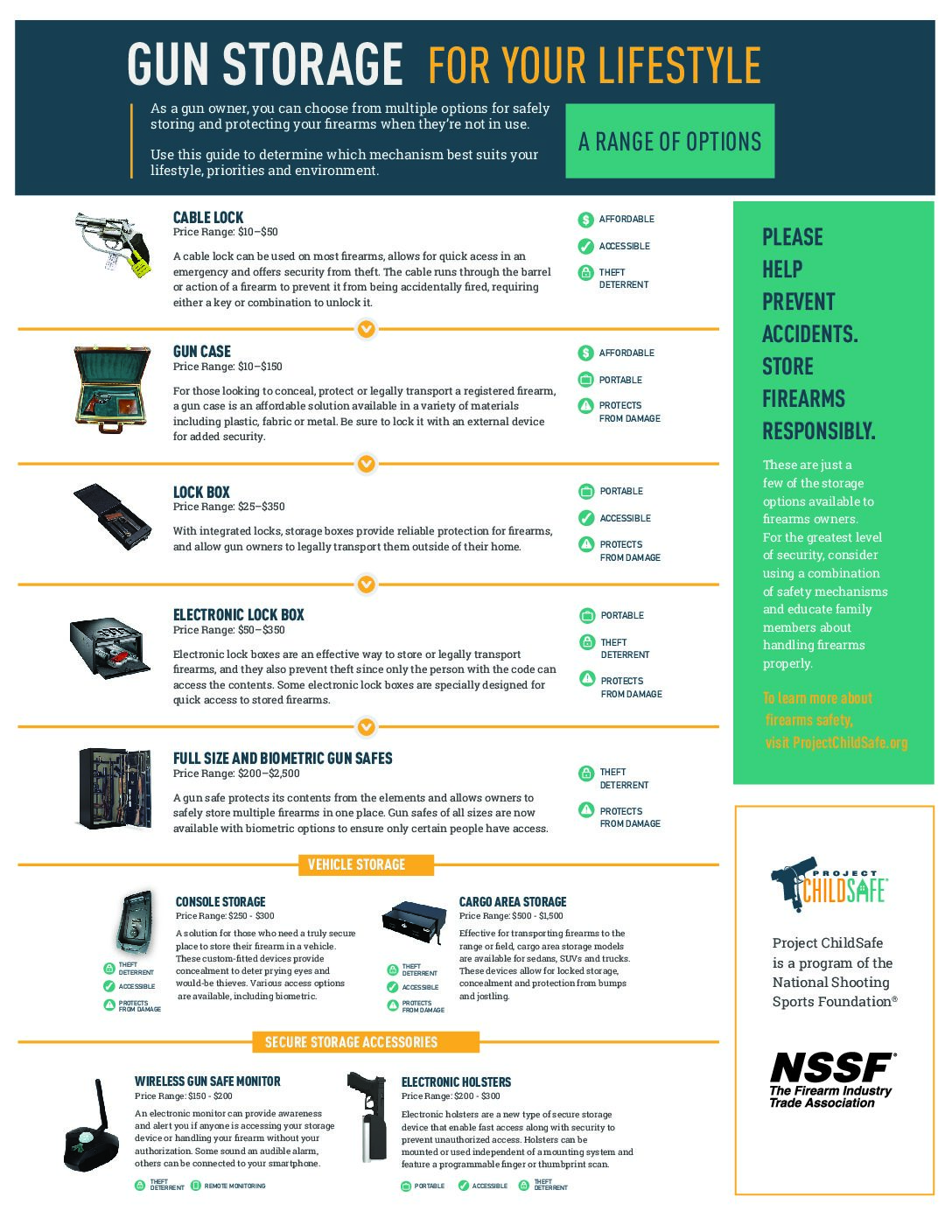
However, even in these states, responsible gun ownership is paramount. Best practices include using gun safes, trigger locks, and cable locks to prevent unauthorized access. It’s also crucial to store ammunition separately from firearms. The U.S. Department of Justice recommends unloading firearms and locking them securely (justice.gov).
While the legal requirements may be lax, the consequences of negligent storage can still be severe. Accidental shootings and suicides involving firearms occur in these states, underscoring the importance of voluntary safe storage. Data shows that homes with unsecured firearms are more likely to be the site of a gun-related incident.
Safe Storage Requirements: Oregon, Colorado, and Illinois (2026)
| State | Law Applies To | Safe Storage Methods Allowed | Penalties for Negligence | Recent Changes |
|---|---|---|---|---|
| Oregon | Individuals who store firearms in a dwelling where a person under 18 has access. | Locked container, gun safe, trigger lock, cable lock. Laws emphasize preventing unauthorized access. | Criminal liability for negligently storing a firearm if it is accessed by an unauthorized person and used to cause injury or death. Potential for civil liability as well. | No significant changes reported as of late 2023/early 2024. |
| Colorado | Individuals who store firearms and have reason to know a vulnerable person (including children) could gain access. | Locked gun safe, locked container, trigger lock, or cable lock. Emphasis on preventing unauthorized access by vulnerable persons. | Civil liability for negligent storage if a firearm is accessed by an unauthorized person and used to cause harm. Criminal penalties may apply if negligence is gross. | HB24-1346 (passed May 2024) expands requirements and penalties related to safe storage, particularly concerning children. |
| Illinois | Individuals who store firearms. Requirements vary based on specific circumstances. | Locked container, gun safe, trigger lock. Specific requirements apply if a minor under 14 is present in the home. | Civil liability for negligent storage if a firearm is stolen and used in a crime. Criminal penalties for leaving a loaded firearm accessible to a minor. | SB167 (2023) clarified and expanded safe storage requirements, and increased penalties for violations. |
| Oregon | Firearm retailers | Retailers must have reasonable security measures in place to prevent theft of firearms. | Potential loss of license and civil liability for negligent storage leading to theft and subsequent criminal use. | No significant changes reported as of late 2023/early 2024. |
| Colorado | Firearm retailers | Retailers are required to have reasonable security measures to prevent theft. | Potential loss of license and civil liability for negligent storage leading to theft and subsequent criminal use. | No significant changes reported as of late 2023/early 2024. |
| Illinois | Firearm retailers | Retailers must maintain reasonable security measures to prevent unauthorized access and theft. | Potential loss of license and civil liability for negligent storage leading to theft and subsequent criminal use. | No significant changes reported as of late 2023/early 2024. |
Illustrative comparison based on the article research brief. Verify current pricing, limits, and product details in the official docs before relying on it.
Federal Regulations and Ongoing Debates
Currently, there are no comprehensive federal laws mandating safe storage of firearms. However, there have been ongoing debates about the need for such legislation. Proponents argue that a federal law would establish a consistent standard of safety across the country and help reduce gun violence.
Opponents, including many gun rights advocates, argue that a federal law would infringe on the Second Amendment and place an undue burden on law-abiding citizens. They believe that gun owners should be able to choose how to store their firearms based on their individual circumstances. The debate often centers around the balance between public safety and individual rights.
There are pending bills in Congress that would require safe storage, but their passage is uncertain. The political climate surrounding gun control is highly charged, and any attempt to enact new regulations is likely to face strong opposition. Court cases challenging existing state laws are also ongoing, and their outcomes could have a significant impact on the future of gun storage regulations.
Liability Concerns: Negligent Storage & Lawsuits
Gun owners can be held legally liable for the consequences of negligent storage. This means that if someone is injured or killed because a firearm was improperly secured, the owner could be sued for damages. The legal concept of 'negligent entrustment' often comes into play in these cases.
I’ve read about cases where parents have been sued after their children gained access to a firearm and accidentally shot someone. Courts have generally held that gun owners have a duty to exercise reasonable care to prevent their firearms from being stolen or used in a way that could harm others. The concept of "straw purchasing" – illegally buying a gun for someone else – is also closely related to negligent storage.
Negligent storage laws vary. Some states use specific statutes while others rely on broader common law principles. If you are facing a specific legal dispute, you'll need to talk to a lawyer in your jurisdiction to see how these local rules apply to your case.
No comments yet. Be the first to share your thoughts!