

Permitless Carry: A Rapid Shift
Gun laws in the U.S. are changing fast, with more states adopting "constitutional carry.’ This means people can carry a handgun, openly or concealed, without a state permit. It"s based on the Second Amendment, the idea that the right to bear arms is fundamental and doesn't need government permission. For decades, most states required permits, often with background checks, training, and fees. But that’s been changing over the last ten years.
Permit systems were historically justified for responsible gun ownership and public safety, allowing law enforcement to identify dangerous individuals. However, a growing movement argues these permits infringe on the rights of law-abiding citizens. They believe the Second Amendment guarantees the right to carry, and the government shouldn't require permission. This isn't necessarily about opposing background checks, but about opposing the requirement of a permit before carrying.
Change has been rapid. In 2014, only a few states allowed permitless carry. As of late 2024, over 28 states have adopted some form of the law, and more are expected. This feels like a fundamental reshaping of gun ownership rights. Proposed federal legislation, H.R.38, the Constitutional Concealed Carry Reciprocity Act of 2025, aims to establish national reciprocity, a complex issue. Momentum is building, and 2026 looks like another important year for permitless carry.
This shift is more than just legal; it reflects a broader cultural and political debate about gun rights, personal freedom, and government's role. Arguments are deeply held on both sides, and the debate will likely continue. The trend toward constitutional carry is reshaping gun laws in America.
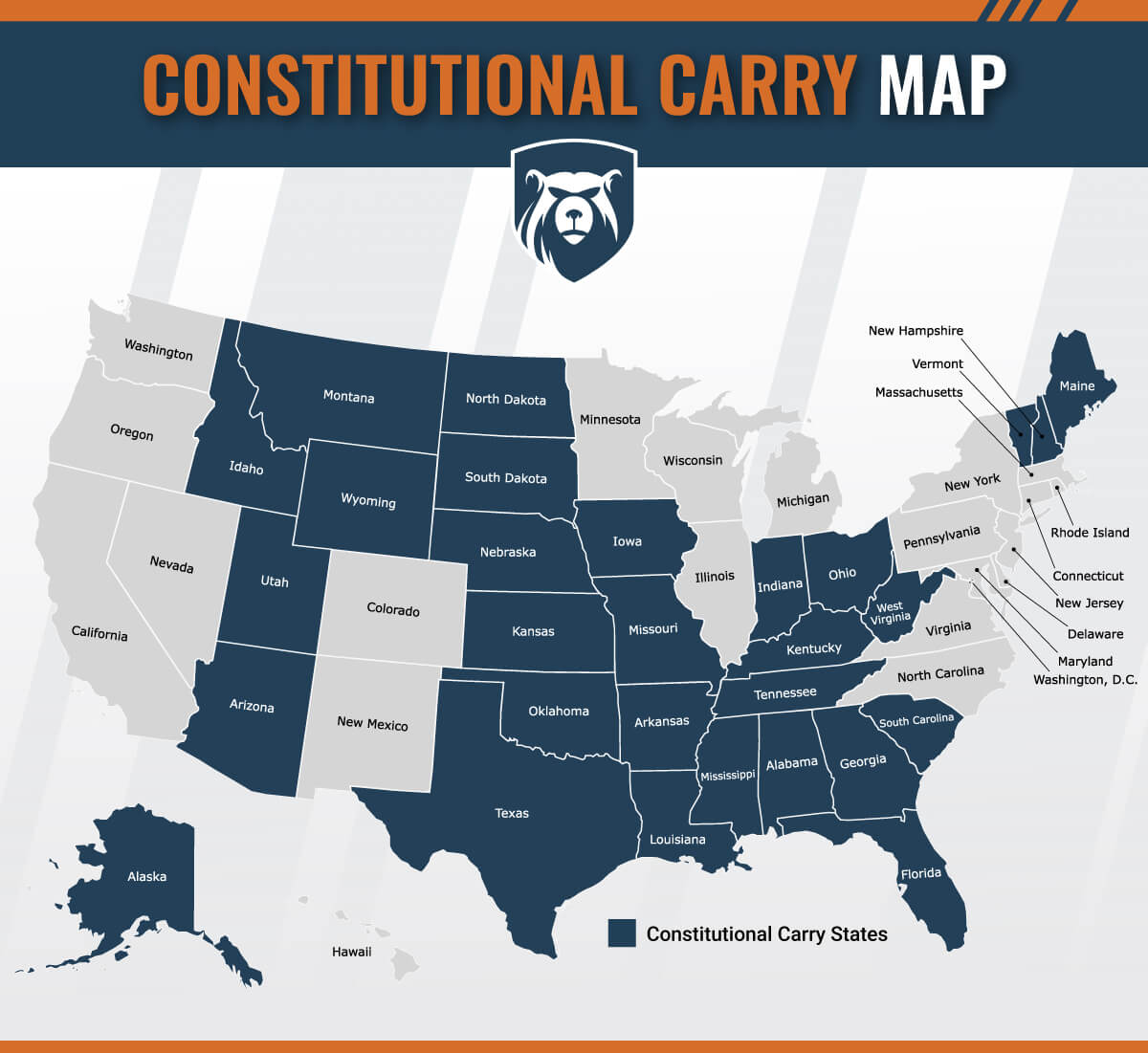
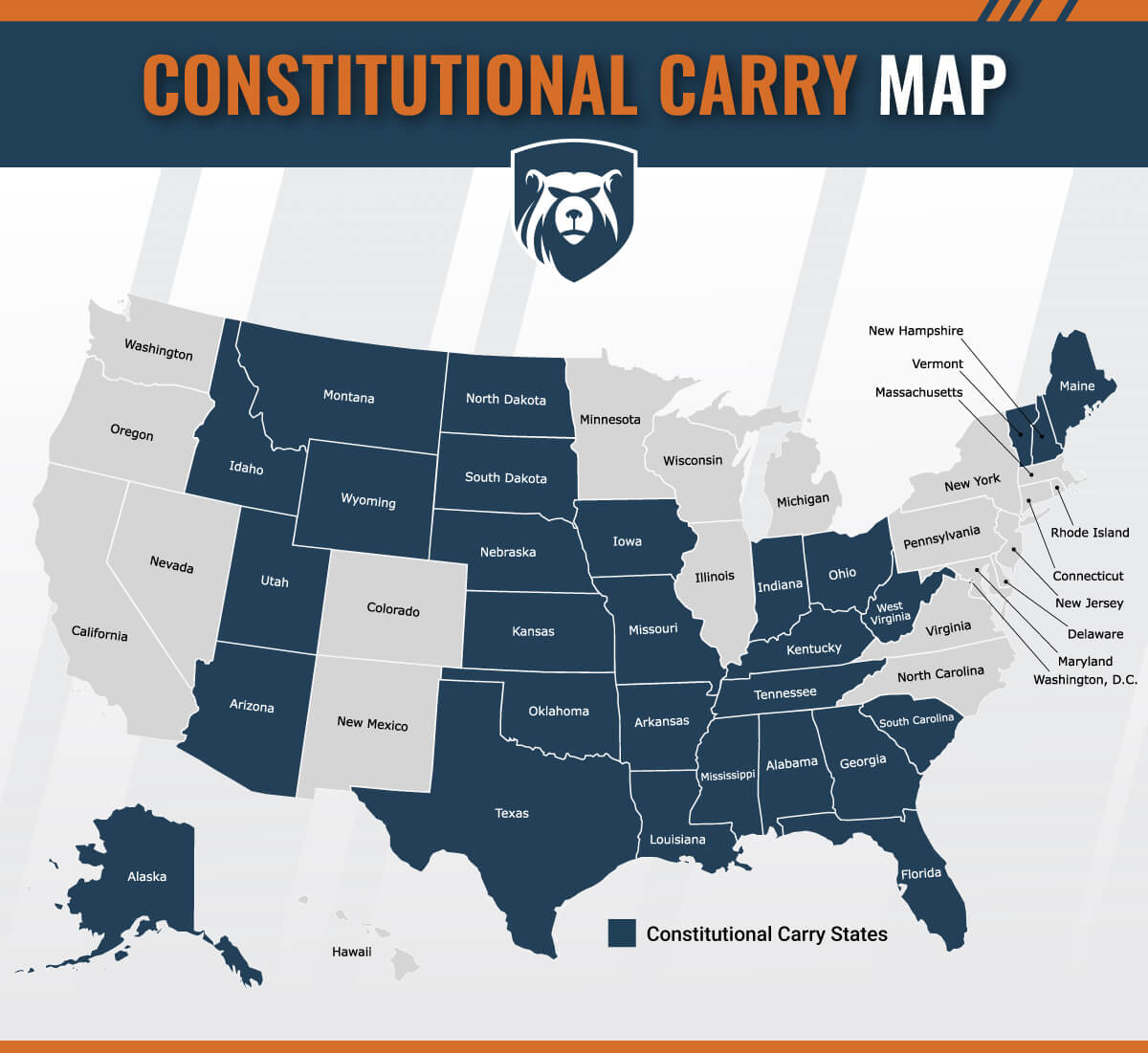
Current Constitutional Carry States (2024)
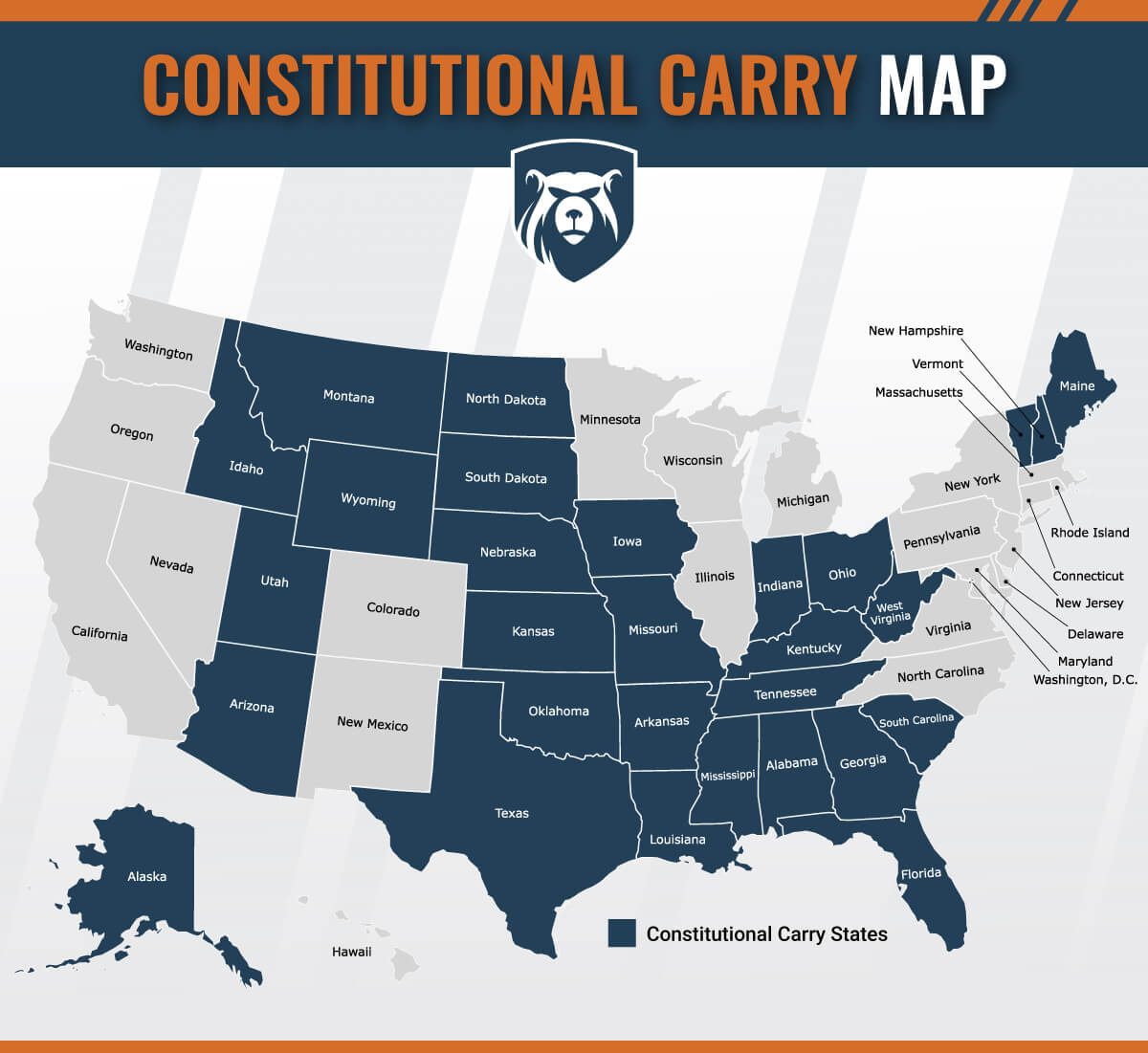
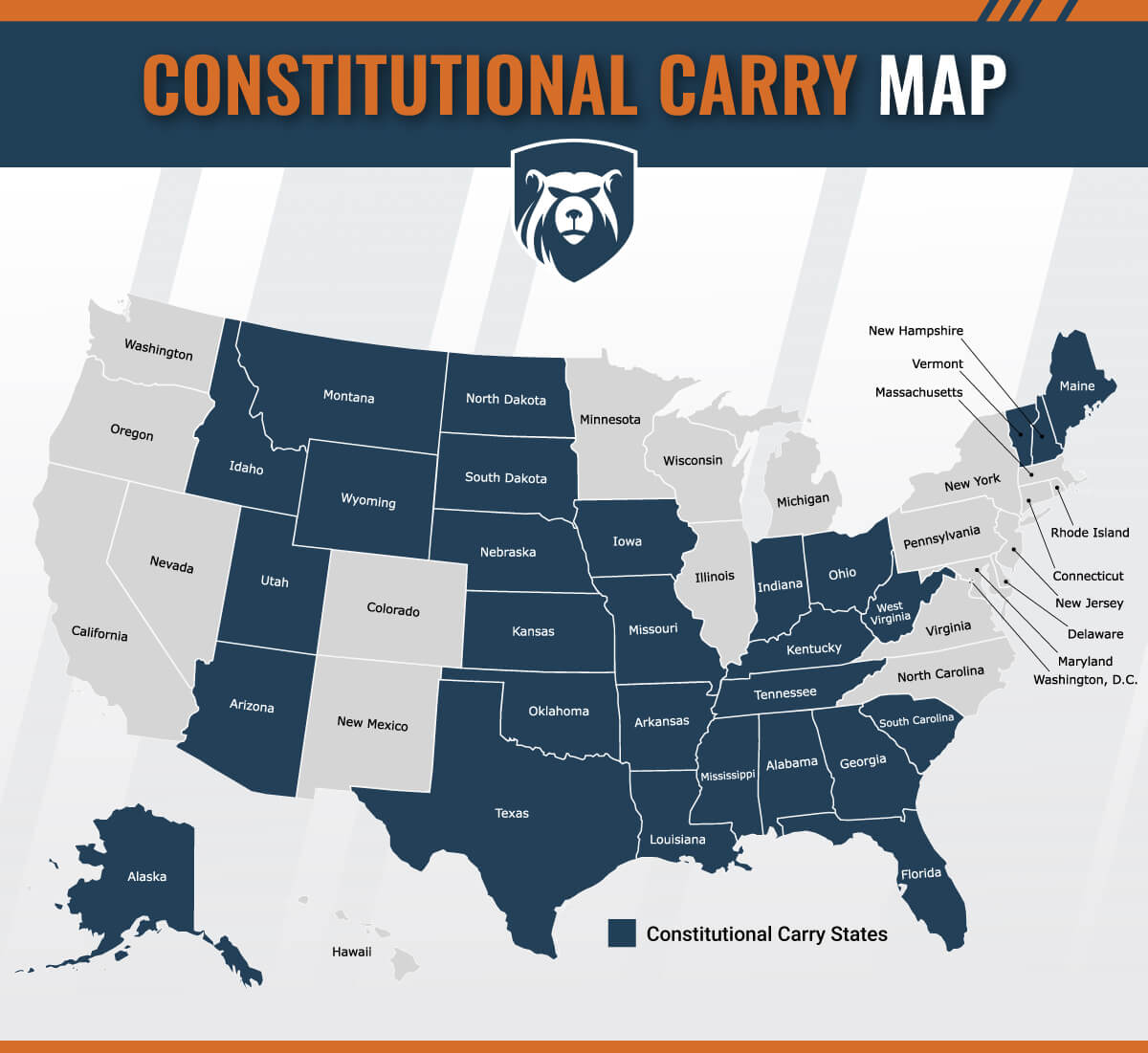
As of late 2024, 28 states have enacted some form of constitutional carry, though specifics vary. Here's an overview of key nuances. Laws are constantly evolving, so this information is a snapshot. Always consult official state resources for the most up-to-date information.
Alabama: Allows permitless carry for individuals 21 and over. A permit is required for those under 21. (Source: Alabama Department of Public Safety, November 2024). Alaska: Has had permitless carry since 2003. No permit is required for residents. (Source: Alaska State Troopers, November 2024). Arizona: Permitless carry is legal for anyone legally allowed to own a firearm. (Source: Arizona Department of Public Safety, November 2024). Arkansas: Permitless carry became law in 2021. (Source: Arkansas State Police, November 2024). Florida: Became a constitutional carry state in April 2023. (Source: Florida Department of Law Enforcement, November 2024).
Georgia: Permitless carry was enacted in 2022. (Source: Georgia Bureau of Investigation, November 2024). Indiana: Permitless carry went into effect in July 2022. (Source: Indiana State Police, November 2024). Iowa: Adopted permitless carry in 2021. (Source: Iowa Department of Public Safety, November 2024). Kansas: Permitless carry is legal for those 21 and over. (Source: Kansas Bureau of Investigation, November 2024). Kentucky: Became a constitutional carry state in 2022. (Source: Kentucky State Police, November 2024).
Mississippi: Permitless carry was signed into law in 2022. (Source: Mississippi Department of Public Safety, November 2024). Missouri: Permitless carry became law in 2023. (Source: Missouri State Highway Patrol, November 2024). Montana: Has allowed permitless carry since 2021. (Source: Montana Department of Justice, November 2024). New Hampshire: Permitless carry has been legal since 2017. (Source: New Hampshire State Police, November 2024). North Carolina: Permitless carry was enacted in 2023. (Source: North Carolina State Bureau of Investigation, November 2024).
Ohio: Became a constitutional carry state in 2022. (Source: Ohio State Highway Patrol, November 2024). Oklahoma: Adopted permitless carry in 2019. (Source: Oklahoma State Bureau of Investigation, November 2024). Tennessee: Permitless carry became law in 2022. (Source: Tennessee Bureau of Investigation, November 2024). Texas: Permitless carry was enacted in 2021. (Source: Texas Department of Public Safety, November 2024). Utah: Has allowed permitless carry since 2003. (Source: Utah Bureau of Criminal Identification, November 2024).
West Virginia: Permitless carry was signed into law in 2021. (Source: West Virginia State Police, November 2024). Wyoming: Has had permitless carry since 2011. (Source: Wyoming Law Enforcement Academy, November 2024). Idaho, South Dakota, Nebraska, South Carolina, Louisiana, Alabama, Indiana, and Iowa also currently recognize constitutional carry. Several states have exceptions for individuals with prior felony convictions or domestic violence restraining orders. Verify the specific laws in each state before carrying a firearm.
Constitutional Carry States (as of November 2024)
| State | Effective Date of Permitless Carry | Key Nuances/Restrictions |
|---|---|---|
| Alabama | January 1, 2023 | • Individuals must be 21 years old to carry a handgun without a permit. • Enhanced penalties apply for certain firearm-related offenses. • Still requires a permit for concealed carry in certain locations, like schools. |
| Alaska | August 1, 2003 | • No permit is required for residents to carry openly or concealed. • Non-residents must still comply with federal law and Alaska’s existing laws regarding firearm possession. • Alaska does not recognize permits from other states. |
| Arizona | July 1, 2010 | • Individuals must be legally able to possess a firearm. • Restrictions apply regarding carrying on or near school grounds. • Concealed carry is prohibited while under the influence of alcohol or drugs. |
| Arkansas | March 9, 2021 | • Individuals must be 21 years old to carry a handgun without a permit. • Restrictions apply to individuals with certain felony convictions. • Still requires a permit for carrying in specific locations, like near polling places. |
| Florida | July 1, 2023 | • Individuals must be 21 years old to carry a concealed handgun without a permit. • Background checks are still required for firearm purchases. • Carrying a firearm on school property remains prohibited, with exceptions. |
| Georgia | July 1, 2022 | • Individuals must be 21 years old to carry a handgun without a permit. • Restrictions apply to individuals with certain mental health adjudications. • Places of worship, government meetings, and schools have restrictions. |
| Indiana | July 1, 2022 | • Individuals must be 18 years old to carry a handgun without a permit. • Individuals with certain misdemeanor convictions may be prohibited. • Restrictions apply to carrying on school property and in certain government buildings. |
| Iowa | July 1, 2023 | • Individuals must be 21 years old to carry a handgun without a permit. • Restrictions apply to individuals convicted of certain violent crimes. • Carrying is prohibited in certain locations, such as courthouses and polling places. |
Illustrative comparison based on the article research brief. Verify current pricing, limits, and product details in the official docs before relying on it.
States Approaching Permitless Carry
Several states are considering legislation to adopt constitutional carry. Predicting the outcome is difficult, but the political climate suggests a chance of success in some cases. Michigan has seen significant debate and legislative pushes for permitless carry, though opposition remains strong from gun control groups. A bill was introduced in early 2024 but faces an uphill battle in the state Senate. (Source: Michigan Legislature, November 2024).
Pennsylvania is another state to watch. Governor Josh Shapiro has indicated openness to considering permitless carry legislation, a significant shift from previous administrations. However, the state legislature is closely divided, and the bill's fate is uncertain. There’s a lot of lobbying happening on both sides. (Source: Pennsylvania General Assembly, November 2024). Wisconsin has seen multiple attempts to pass permitless carry legislation, but they have all stalled in the state legislature. The political landscape is highly polarized, making compromise difficult. (Source: Wisconsin State Legislature, November 2024).
undefined24). It’s also worth keeping an eye on Maine, where the debate over constitutional carry is ongoing, though momentum seems to be slowing. The key is often a change in political leadership or a shift in public opinion.
I believe the success of these bills will depend heavily on the outcome of upcoming elections and the ability of advocates to build broad coalitions. Opposition groups are actively working to defeat these measures, arguing they will lead to an increase in gun violence. It’s a complex political battle, and the outcome is far from guaranteed.
Reciprocity and Traveling with a Firearm
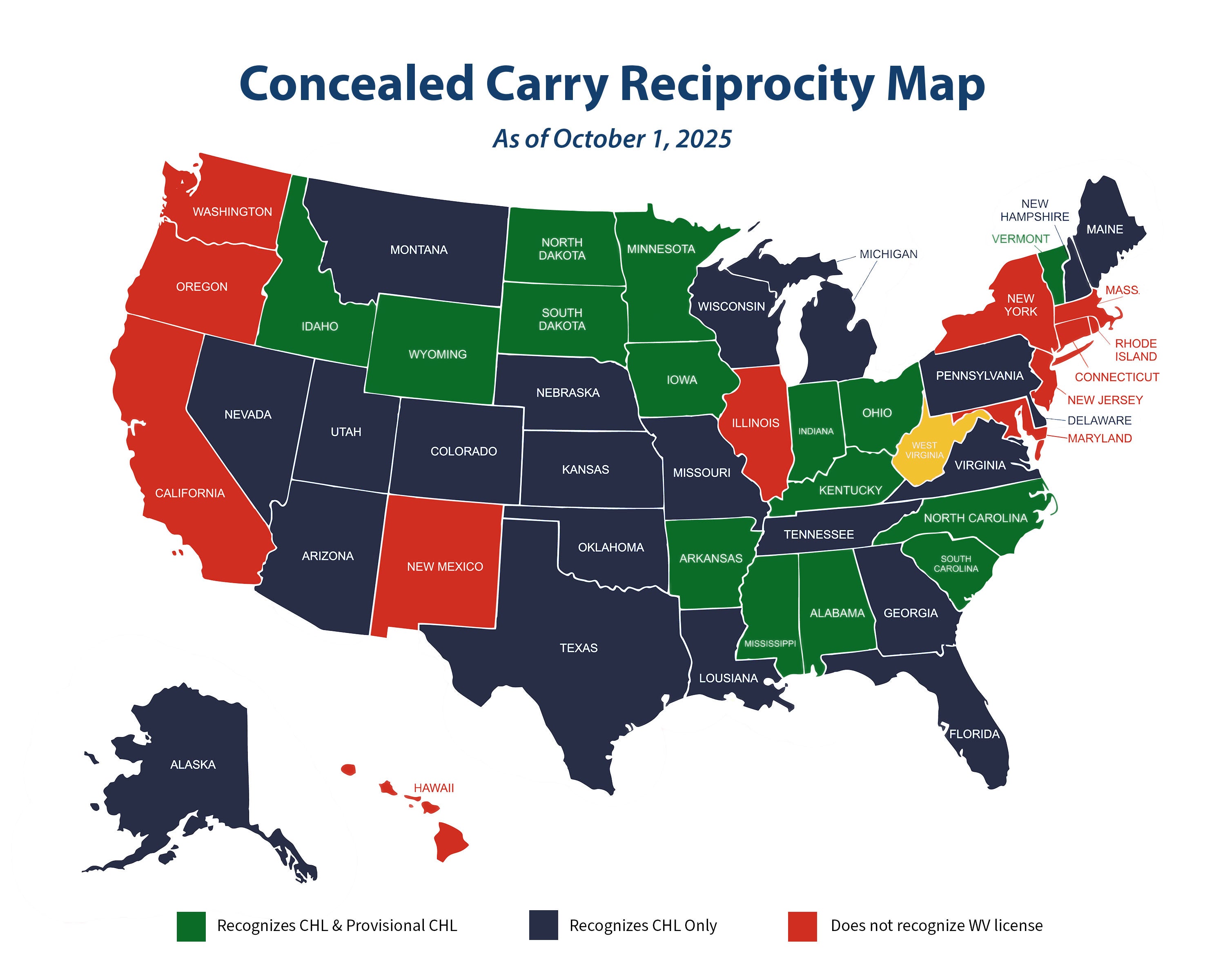
Constitutional carry adds a layer of complexity to the issue of reciprocity – the ability to legally carry a firearm in other states. Traditionally, reciprocity agreements were based on states recognizing each other's permits. But when a state doesn't require a permit, the question becomes: what does reciprocity even mean? Many states still require a permit for non-residents, even if they recognize permits from other states. This can create confusion and potential legal issues for travelers.
The US Concealed Carry Association (USCCA) provides a reciprocity map that attempts to track these varying laws (usconcealedcarry.com). However, even the USCCA acknowledges that the map is constantly changing and should be used as a starting point, not a definitive guide. It’s essential to check the specific laws of every state you plan to travel through or to, even if you're carrying under constitutional carry in your home state.
The proposed H.R.38, the Constitutional Concealed Carry Reciprocity Act of 2025, aims to address this issue by establishing national reciprocity. If passed, the bill would essentially require states to recognize the right to carry for anyone who is legally allowed to carry in their home state, regardless of whether they have a permit. However, the bill has faced strong opposition from Democrats and gun control advocates, who argue it would undermine state gun laws and potentially lead to an increase in gun violence.
I strongly advise anyone planning to travel with a firearm to thoroughly research the laws of their destination. Don't rely on assumptions or outdated information. Consulting with an attorney specializing in gun laws is always a good idea, especially if you're traveling to multiple states. Ignorance of the law is no excuse, and the penalties for violating gun laws can be severe.
Common Restrictions in Permitless Carry States
Even in states that have adopted constitutional carry, there are still restrictions on who can carry a firearm and where. It’s a common misconception that permitless carry means there are no rules. This is simply not true. One of the most common restrictions is a prohibition on carrying for individuals convicted of felonies, domestic violence offenses, or those subject to domestic violence restraining orders. These restrictions are generally consistent across most states, regardless of their permit requirements.
Certain locations are often off-limits, even in constitutional carry states. These typically include schools and universities, courthouses, airports, and government buildings. Some states also prohibit carrying in places where alcohol is served, such as bars and restaurants. The specifics vary widely, so it’s important to check the laws of each state.
Another important restriction relates to brandishing or using deadly force. Even if you’re legally allowed to carry a firearm, you can still be prosecuted for brandishing it in a threatening manner or for using it unlawfully. Self-defense laws vary considerably from state to state, and it’s crucial to understand your rights and responsibilities.
It’s also worth noting that some states require individuals to identify themselves as carrying a firearm if asked by law enforcement. This isn’t a permit requirement, but it’s a common courtesy and can help avoid misunderstandings. Remember, constitutional carry isn't a license to disregard the law; it's a recognition of a constitutional right with accompanying responsibilities.
The Impact of H.R.38: National Reciprocity?
The Constitutional Concealed Carry Reciprocity Act of 2025 (H.R.38) represents a significant attempt to standardize gun laws across the country. The bill, as currently drafted, would essentially require states to recognize the concealed carry privileges of individuals who are legally authorized to carry in their home state. This means that if you have a permit (or live in a constitutional carry state), you would be able to carry in any other state that doesn't explicitly prohibit it.
Proponents of H.R.38 argue that it would simplify the patchwork of state gun laws and make it easier for law-abiding citizens to exercise their Second Amendment rights. They also contend that it would enhance public safety by allowing individuals to defend themselves regardless of where they are. The National Rifle Association (NRA) is a strong supporter of the bill, viewing it as a crucial step toward national reciprocity.
Opponents of H.R.38 argue that it would undermine state sovereignty and allow individuals to carry firearms in states with stricter gun laws than their own. They also express concerns that it would lead to an increase in gun violence and make it more difficult for states to regulate firearms effectively. Groups like Everytown for Gun Safety are actively lobbying against the bill.
The chances of H.R.38 passing are uncertain. The bill faces a tough battle in the Senate, where Democrats hold a narrow majority. Even if it were to pass Congress, it would likely be challenged in court, with opponents arguing that it violates the Tenth Amendment (which reserves powers not delegated to the federal government to the states). The outcome will likely depend on the political climate and the composition of the Supreme Court. It’s a deeply divisive issue with strong opinions on both sides.
Looking Ahead: 2026 and Beyond
The trend toward constitutional carry shows no signs of slowing down. I expect to see more states adopt permitless carry laws in the coming years, particularly in the South and Midwest. The political momentum is clearly in that direction. However, there will also be resistance from gun control groups and some state governments, so the pace of change may vary.
The courts will likely play a significant role in shaping the future of gun laws. Challenges to constitutional carry laws are already underway in several states, and the Supreme Court could ultimately weigh in on the issue. The outcome of these cases could have a profound impact on the Second Amendment landscape.
One potential backlash could be a renewed push for stricter gun control measures at the federal level. If there is a high-profile incident involving a firearm carried under permitless carry, it could galvanize support for new regulations. It’s a constant push and pull between competing interests.
The legal landscape surrounding gun ownership is constantly evolving. It is essential for gun owners to stay informed about the laws in their state and any changes that may occur. This is a complex area of law, and it’s always best to err on the side of caution. I believe we’ll continue to see significant developments in this area for the foreseeable future.
No comments yet. Be the first to share your thoughts!