

Permitless Carry: A Rising Tide
Constitutional carry, or permitless carry, is gaining traction across the United States. It allows law-abiding citizens to carry a handgun, openly or concealed, without a state permit. This shifts away from traditional permitting systems and reshapes the conversation around gun ownership rights.
The core argument for constitutional carry rests on the Second Amendment, which guarantees the right to keep and bear arms. Proponents argue that requiring a permit infringes on this right, burdening individuals who want to exercise their constitutional freedoms. The debate isn't new, but the number of states adopting these laws has increased significantly recently.
Many see carrying a handgun like other constitutional rights—you don't need a government permission slip for free speech or religion, so why for carrying a handgun? This doesn't mean there are no rules, just that the process is streamlined. The movement reflects a trend toward reducing government regulation and empowering individuals.
However, "permitless’ doesn’t mean ‘lawless.’ Even in states with constitutional carry, laws still govern who can carry a firearm and where. We"ll cover those restrictions later. Gun owners need to be aware of the laws in their state and any state they plan to travel to.
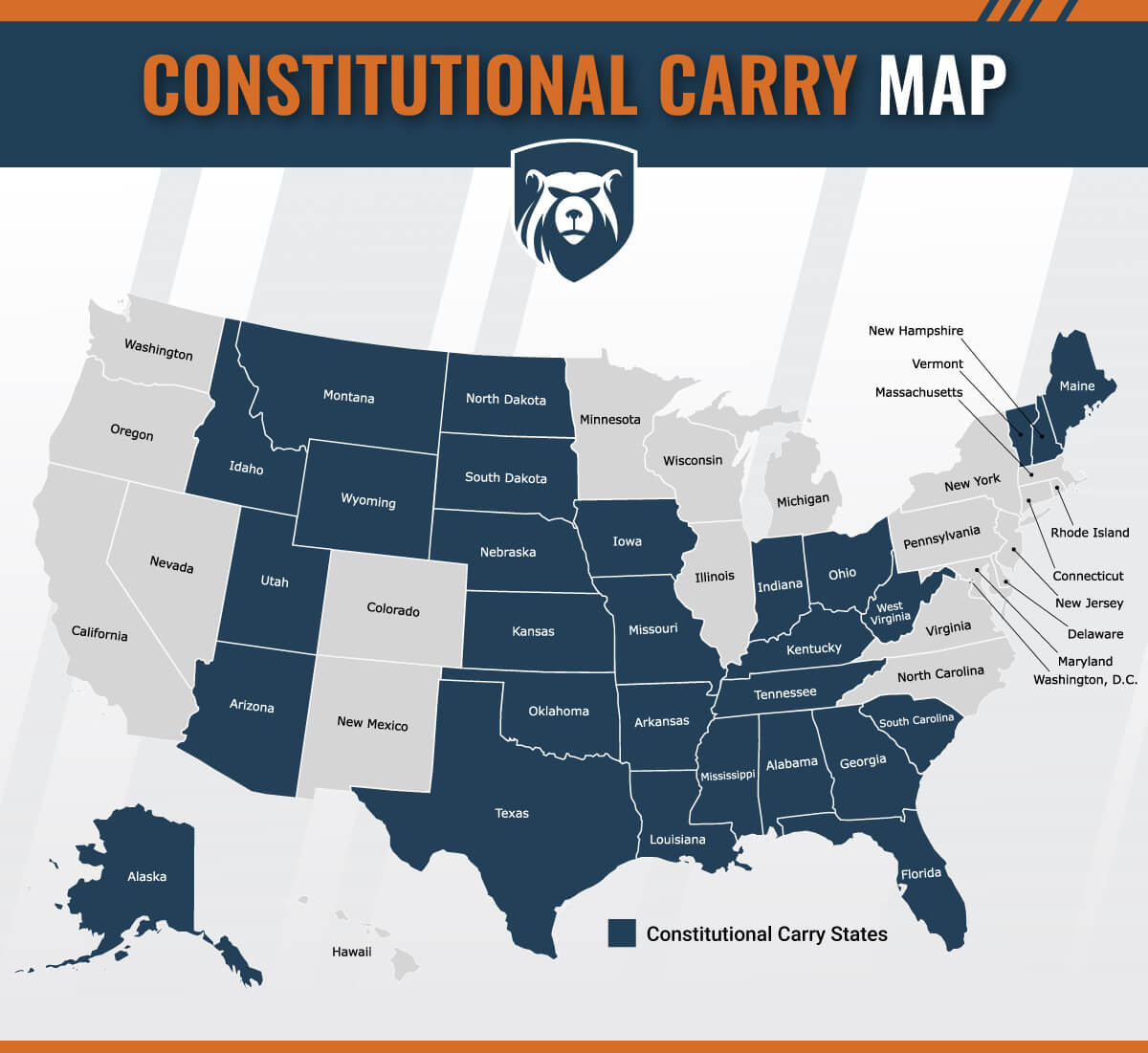
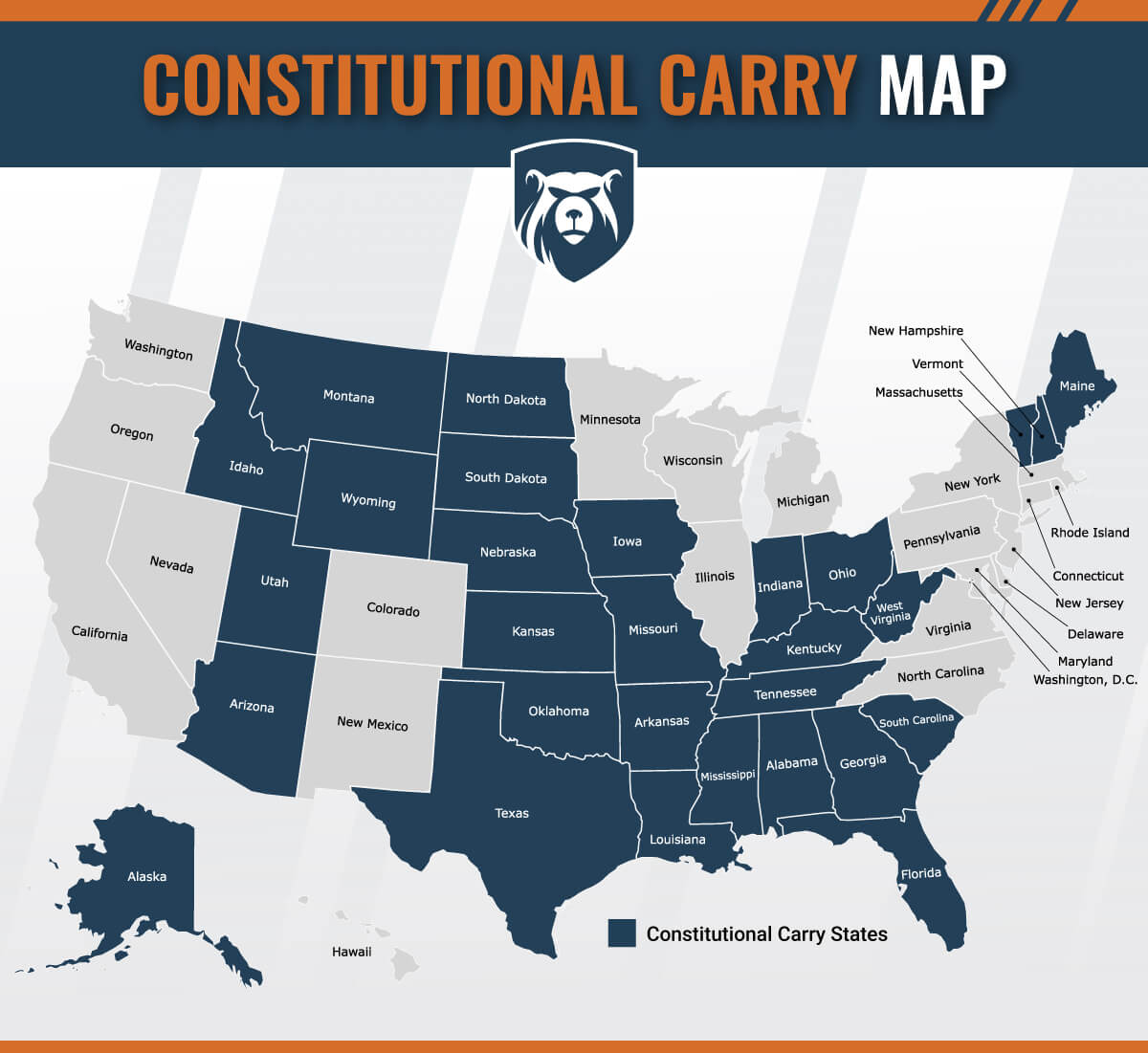
States with Constitutional Carry in 2026
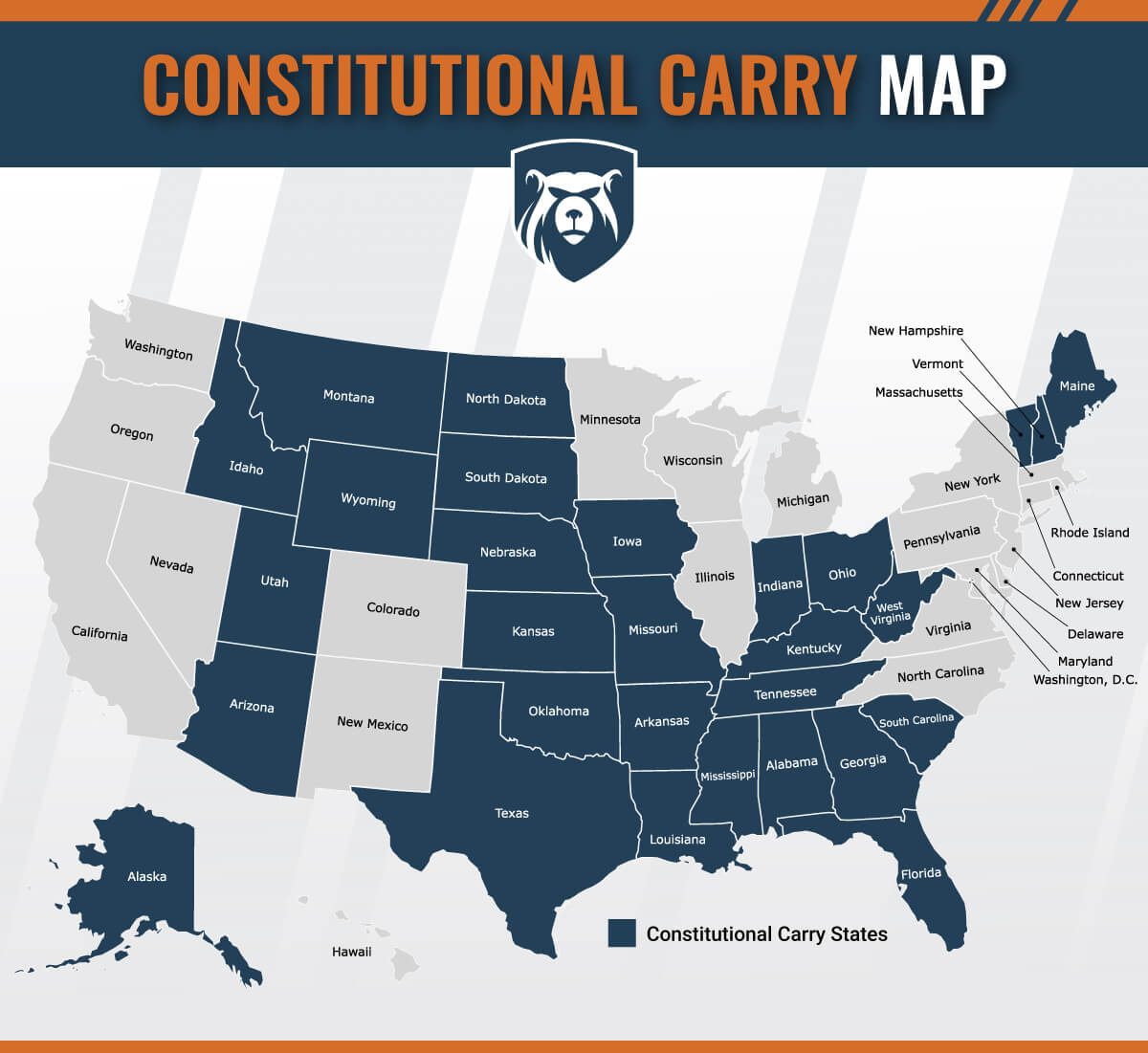
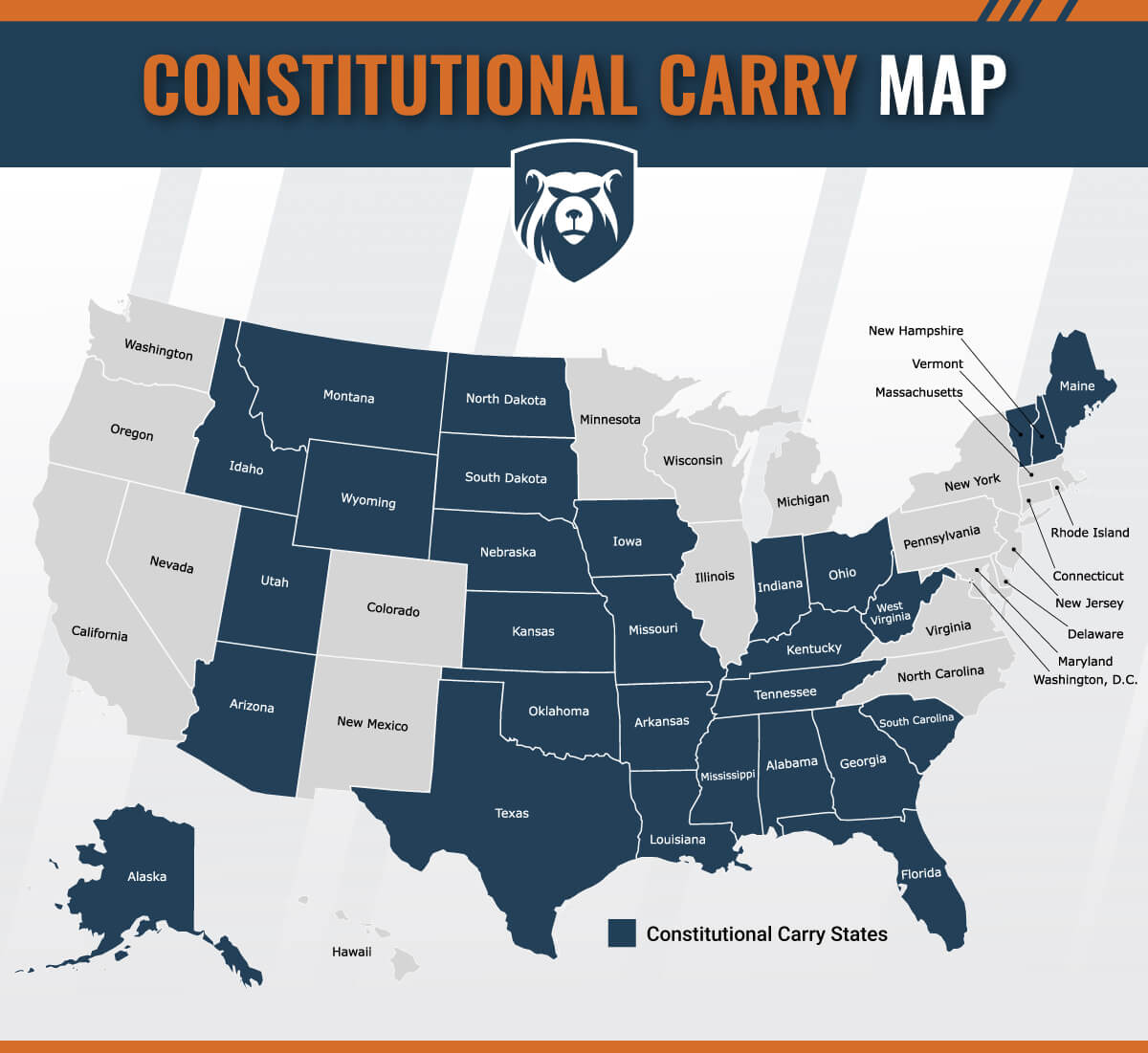
As of March 2026, many states have adopted some form of constitutional carry. It’s not always a simple "yes’ or ‘no." Some states have few restrictions, while others have limitations. The list changes as state legislatures debate and amend gun laws.
Here’s a rundown of states currently allowing constitutional carry, with a brief overview of their laws. Alabama, an early adopter, passed legislation in 2022 allowing anyone 21 or older who can legally possess a firearm to carry concealed without a permit. Alaska has had permitless carry since 2003. Arizona also allows permitless carry, requiring individuals to legally possess a firearm.
Arkansas joined in 2021, and Florida followed in 2023, with caveats regarding training. Georgia passed constitutional carry in 2022, removing the permit requirement for most law-abiding adults. Indiana became a permitless carry state in 2023. Iowa enacted permitless carry in 2021, and Kansas followed in 2022.
Kentucky passed legislation in 2023, and Louisiana did too. Mississippi has allowed permitless carry since 2019. Missouri enacted permitless carry in 2023. Montana has had permitless carry since 2021. New Hampshire allows permitless carry, but with location restrictions. North Dakota adopted constitutional carry in 2017.
Ohio passed legislation in 2022, and Oklahoma in 2019. South Dakota has allowed permitless carry since 2019. Tennessee joined in 2021. Texas enacted permitless carry in 2021. West Virginia passed a law in 2018 allowing permitless carry. Wyoming has allowed permitless carry since 2011.
Even in these states, certain restrictions apply. Some states prohibit individuals convicted of felonies or domestic violence from carrying a firearm, even without a permit. Others restrict carry in certain locations, such as schools or government buildings. Always verify the specific laws in the state you are in or traveling to.
Constitutional Carry Laws by State - 2026
| State Name | Constitutional Carry (Yes/No/Limited) | Restrictions | Effective Date of Law |
|---|---|---|---|
| Alabama | Yes | Must be 21 years of age. | March 1, 2022 |
| Alaska | Yes | None Specified | July 1, 2003 |
| Arizona | Yes | Must be 21 years of age. | July 7, 2010 |
| Arkansas | Yes | Must be 21 years of age. | March 1, 2021 |
| Florida | Yes | Must be 21 years of age. | July 1, 2023 |
| Georgia | Yes | Restrictions apply regarding certain locations and individuals. | July 1, 2022 |
| Indiana | Yes | Restrictions apply to those with certain misdemeanor convictions. | July 1, 2022 |
| Iowa | Yes | Restrictions apply to those convicted of a violent crime. | July 1, 2023 |
| Kansas | Yes | Must be 21 years of age. | July 1, 2022 |
| Kentucky | Yes | Must be 21 years of age. | January 1, 2023 |
| Louisiana | Yes | Restrictions apply to those with certain felony convictions. | June 10, 2021 |
| Mississippi | Yes | Restrictions apply to those with certain misdemeanor convictions. | July 1, 2021 |
| Missouri | Yes | None Specified | January 1, 2017 |
| Montana | Yes | None Specified | June 1, 2021 |
| Nebraska | Limited | Permit required for concealed carry in certain cities. | May 23, 2023 |
| North Dakota | Yes | None Specified | August 1, 2017 |
| Ohio | Yes | Must be 21 years of age. | June 13, 2021 |
| Oklahoma | Yes | Restrictions apply to those with certain felony convictions. | November 1, 2019 |
| South Carolina | Yes | Restrictions apply to those with certain misdemeanor convictions. | July 1, 2021 |
| South Dakota | Yes | None Specified | February 22, 2019 |
| Tennessee | Yes | Restrictions apply to those with certain felony convictions. | July 1, 2021 |
| Texas | Yes | Must be 21 years of age. | September 1, 2021 |
| Utah | Yes | None Specified | March 12, 2004 |
| Vermont | Yes | None Specified | July 1, 1993 |
| West Virginia | Yes | Restrictions apply to those with certain felony convictions. | July 1, 2021 |
| Wyoming | Yes | None Specified | July 1, 2018 |
Illustrative comparison based on the article research brief. Verify current pricing, limits, and product details in the official docs before relying on it.
Restrictions and Nuances to Know
The term 'permitless carry' can be misleading; it doesn’t mean there are no rules governing firearm ownership or carry. Even in states with constitutional carry, significant restrictions and legal considerations exist. Ignoring these can lead to serious legal consequences.
Age is a common restriction. Most states require carriers to be at least 21 to carry a handgun without a permit. Some states allow 18-year-olds to possess firearms but not carry them concealed. Prohibited persons are another consideration. Individuals convicted of felonies, domestic violence offenses, or subject to certain restraining orders are generally prohibited from possessing or carrying firearms, regardless of permit status.
Location restrictions are common. Schools, universities, government buildings, courthouses, and airports are frequently off-limits, even in constitutional carry states. Some states prohibit carry in places that serve alcohol, such as bars and restaurants. Understanding these location-based restrictions helps avoid accidental violations.
You are generally required to identify yourself to law enforcement if carrying a firearm during a lawful stop, even without a permit. Failure to do so could result in charges. Understanding your state’s specific requirements for identification is vital.
Many states have rules about how a firearm must be carried. Some states may require the firearm to be concealed, while others allow open carry. Being aware of these requirements ensures compliance with the law.
- Age Restrictions: Most states require carriers to be 21 or older.
- Prohibited Persons: Felons and those with domestic violence convictions are typically barred.
- Location Restrictions: Schools, government buildings, and airports are often off-limits.
- Identification Requirement: Informing law enforcement during a stop is usually mandatory.
Reciprocity and Traveling with Firearms
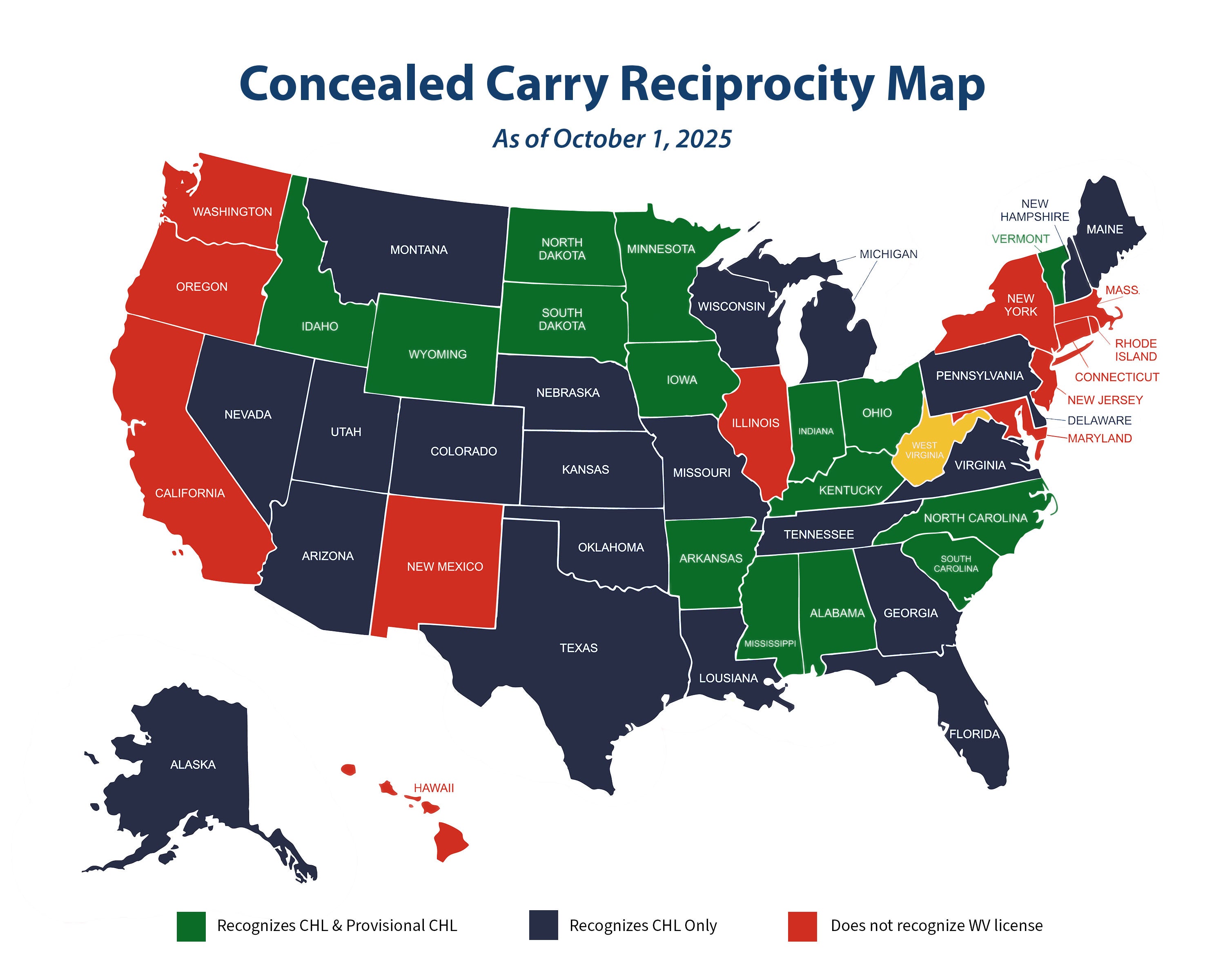
Traveling with a firearm across state lines is complex. Reciprocity, whether one state recognizes another state’s permits or constitutional carry privileges, varies widely. This area evolves as states amend their laws and enter into or terminate reciprocity agreements.
There’s no single, definitive list of reciprocity agreements. The US Concealed Carry Association (USCCA) and Handgunlaw.us are excellent resources for staying up-to-date on reciprocity laws. These organizations regularly update their information to reflect changes in state laws. Outdated information can have serious consequences.
Federal law also plays a role in transporting firearms across state lines. Generally, if traveling through a state where your firearm would be illegal, ensure it is unloaded, locked in a container, and inaccessible from the passenger compartment of your vehicle. The Firearm Owners Protection Act (FOPA) provides some protections for travelers, but understanding the requirements is essential.
Err on the side of caution when traveling with a firearm. Research the laws of any
Virginia's Evolving Laws: A Case Study
Virginia has experienced a dramatic shift in its gun laws in recent years, making it a compelling case study for understanding the broader trends in constitutional carry. For decades, Virginia had a relatively strict permitting system, requiring individuals to obtain a permit from the state police to carry a concealed handgun. The Virginia State Police Firearms FAQ details the previous requirements.
However, in 2021, the state legislature passed legislation that significantly loosened those restrictions. The new law removed the permit requirement for individuals who are legally allowed to possess a firearm. This was a major victory for gun rights advocates, who had been pushing for constitutional carry for years. The change reflected a shift in the political landscape of the state.
Despite the move to permitless carry, Virginia still maintains some restrictions. Individuals are prohibited from carrying a firearm in certain locations, such as schools, courthouses, and government buildings. There are also restrictions on who can carry a firearm, such as individuals convicted of felonies or domestic violence offenses. The state police continue to play a role in regulating firearms.
The changes in Virginia’s gun laws illustrate the ongoing debate over gun control and the Second Amendment. The state has become a focal point for this debate, and its laws are likely to continue evolving in the years to come. It’s a good example of how quickly things can change and why staying informed is so important.
The USCCA and Gun Law Resources
Staying informed about gun laws is a continuous process. Fortunately, there are several organizations dedicated to providing gun owners with the information and resources they need. The US Concealed Carry Association (USCCA) is a leading provider of self-defense training, legal defense coverage, and educational resources.
The USCCA offers a variety of membership options, providing access to legal experts, training materials, and a network of like-minded individuals. Their website, usconcealedcarry.com, is a valuable resource for researching state gun laws, reciprocity agreements, and legal updates. They also offer in-person and online training courses.
Handgunlaw.us is another excellent resource, providing a comprehensive database of state gun laws. They offer detailed information on permitting requirements, prohibited persons, and other relevant regulations. Their website is frequently updated to reflect changes in state laws. These resources aren’t just about legal compliance; they're about responsible gun ownership.
Beyond these organizations, many state-level gun rights groups also provide valuable information and advocacy. Researching and supporting these groups can help ensure that your voice is heard in the ongoing debate over gun control. Utilizing these resources can empower gun owners to exercise their rights responsibly and safely.
Helpful Resources
- United States Concealed Carry Association (USCCA) - Provides educational resources, self-defense training, and membership benefits for gun owners.
- National Rifle Association (NRA) - Offers information on firearms law, safety training, and legislative updates.
- State Attorney General Offices - Each state's Attorney General website typically provides official interpretations of state gun laws.
- State-Specific Gun Law Guides - Many states publish detailed guides outlining their specific firearms regulations; check your state government's website.
- Bureau of Alcohol, Tobacco, Firearms and Explosives (ATF) - The ATF provides federal firearms regulations and resources.
- Local Law Enforcement Agencies - Your local police department or sheriff's office can offer guidance on local ordinances and requirements.
- State Legislative Websites - Access the full text of state laws related to firearms through your state's legislative website.
Future Trends and Potential Changes
The trend toward constitutional carry is likely to continue in the coming years, although the pace of change may slow. Several states are currently considering legislation that would allow permitless carry, and it’s possible that more states will adopt these laws in the future. However, there are also ongoing legal challenges to these laws, and some states may roll back their reforms.
One potential trend is an increased focus on training requirements. Some states may require individuals to complete a safety course or demonstrate proficiency with a firearm before being allowed to carry without a permit. This could be a compromise between those who advocate for unrestricted carry and those who believe that some level of training is necessary.
Another potential trend is an increased emphasis on red flag laws, which allow courts to temporarily remove firearms from individuals deemed to be a danger to themselves or others. These laws are controversial, but they are gaining traction in some states. The legal battles surrounding these laws are likely to continue.
Ultimately, the future of gun laws in the United States is uncertain. The debate over gun control is deeply divisive, and there is no easy solution. However, one thing is clear: staying informed about the laws in your state and any state you plan to travel to is essential for responsible gun ownership. Keeping an eye on court decisions and legislative efforts will be key to understanding the evolving landscape.
No comments yet. Be the first to share your thoughts!