

Understanding Constitutional Carry: A Shift in Gun Rights
Constitutional Carry, at its core, is the right of individuals to carry a handgun – openly or concealed – without first obtaining a permit from the state. This concept is rooted in the Second Amendment of the United States Constitution, specifically the right to keep and bear arms. The debate isn't about whether people can own firearms, but about the conditions placed on carrying them. It’s a fundamental shift in how states approach gun rights, moving away from a system of permission to one of right.
Historically, most states required a permit to carry a concealed handgun, often involving background checks, training requirements, and fees. Proponents of Constitutional Carry argue that these requirements infringe upon the Second Amendment, creating barriers for law-abiding citizens to exercise their right to self-defense. They believe that if someone is legally allowed to own a firearm, they should also be allowed to carry it for protection without government interference. This isn’t a new idea; the movement has been gaining momentum for decades.
Opponents, however, maintain that permitting systems enhance public safety by ensuring that individuals carrying concealed handguns have demonstrated a basic understanding of firearm safety and the law. They also argue that permits aid law enforcement in identifying individuals who are legally authorized to carry. The legal battles surrounding Constitutional Carry are ongoing, with challenges frequently arising based on interpretations of the Second Amendment and state constitutions. The Supreme Court’s decisions in District of Columbia v. Heller (2008) and McDonald v. City of Chicago (2010) have significantly impacted this debate, affirming an individual’s right to possess firearms for traditionally lawful purposes, but the scope of that right regarding carrying remains a point of contention.
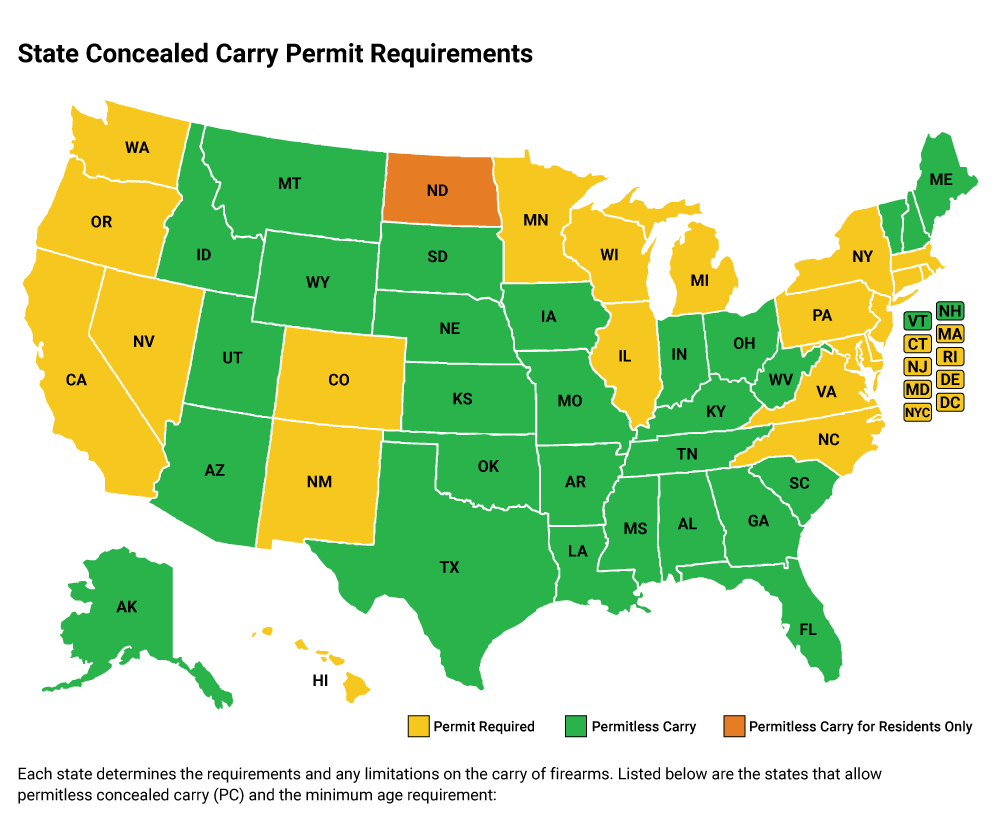
The Current Landscape: States with Permitless Carry in 2024
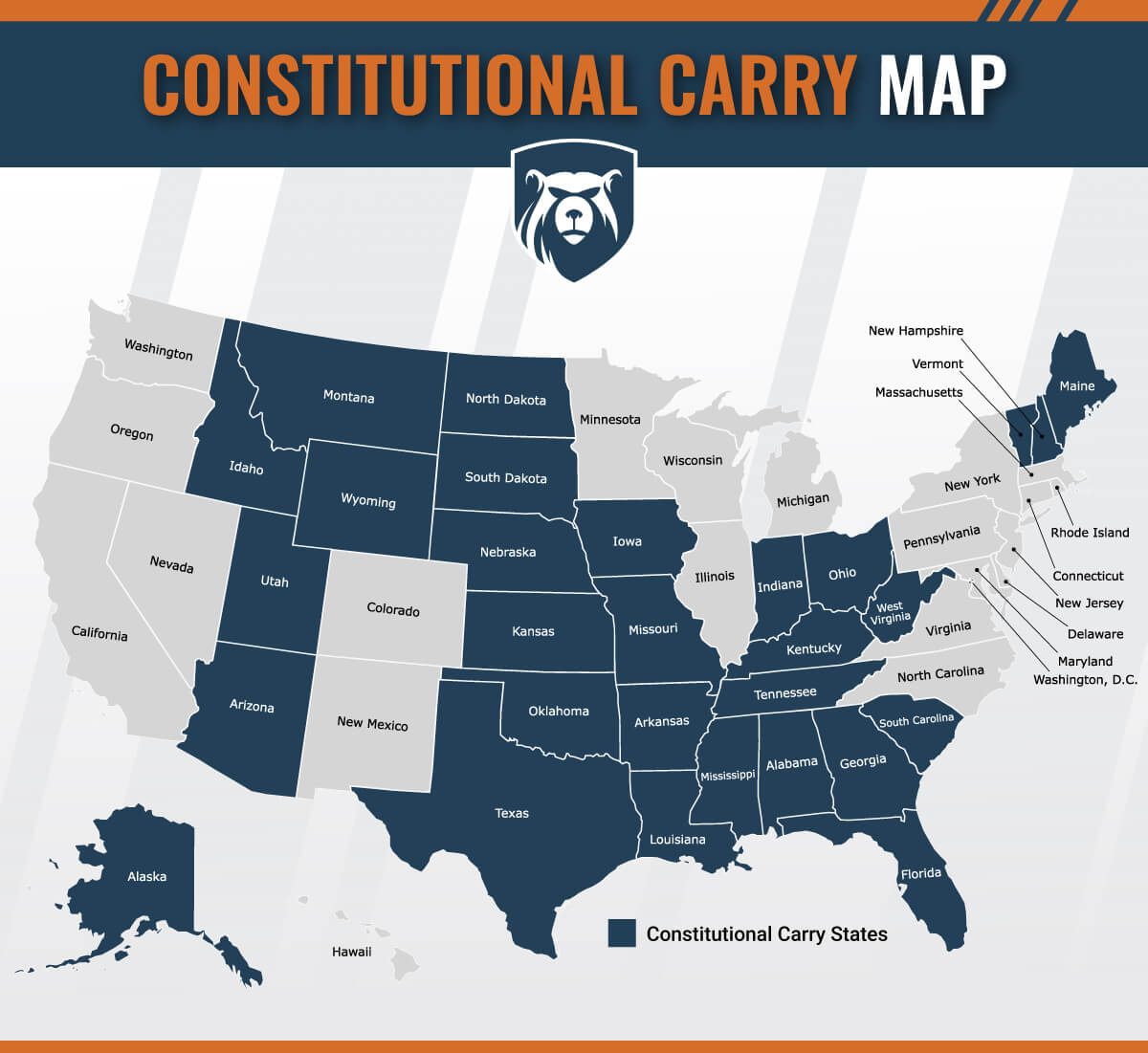
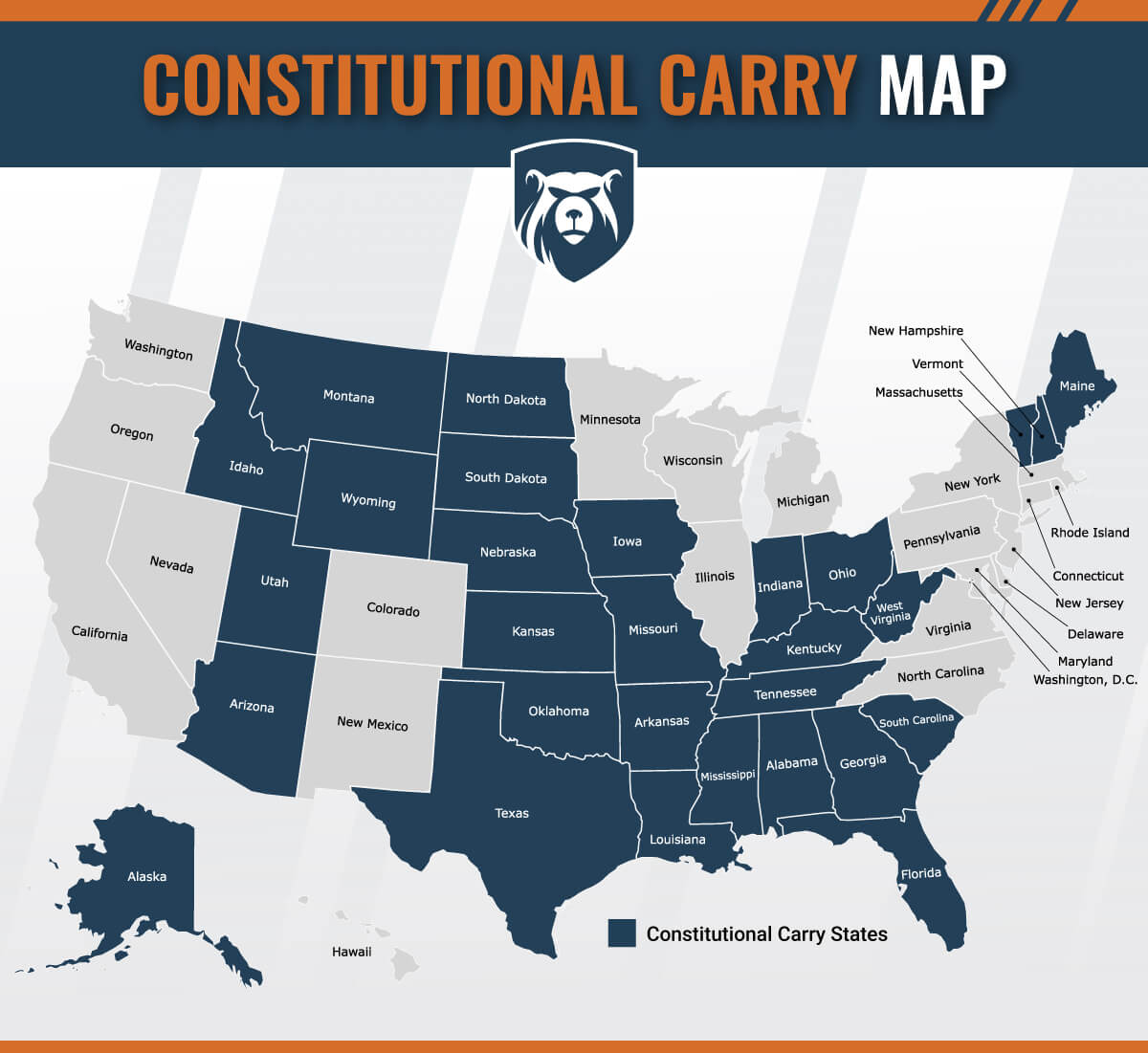
As of late 2024, a significant number of states have adopted some form of permitless carry, often referred to as "Constitutional Carry.’ According to USCCA, the states currently allowing permitless carry include Alabama, Alaska, Arizona, Arkansas, Florida, Georgia, Idaho, Indiana, Iowa, Kansas, Kentucky, Louisiana, Mississippi, Missouri, Montana, Nebraska, North Carolina, North Dakota, Ohio, Oklahoma, South Carolina, South Dakota, Tennessee, Texas, Utah, Vermont, West Virginia, and Wyoming. It"s a rapidly changing situation, so this list is subject to updates.
However, 'permitless' doesn’t mean entirely unregulated. Many states still have restrictions on where you can carry, even without a permit. For example, schools, government buildings, and polling places are frequently off-limits. Some states also prohibit carrying while intoxicated or during the commission of a crime. Texas, for instance, requires individuals to be 21 or older to carry a handgun without a permit, while in Georgia, certain individuals with felony convictions are still prohibited. These nuances are important to understand.
Recent changes have been notable. Florida Governor Ron DeSantis signed permitless carry into law in April 2023, a significant expansion of gun rights in the state. Similarly, Ohio enacted permitless carry in December 2022. These legislative shifts demonstrate a clear trend towards greater access to carrying firearms without government authorization. The USCCA website provides a detailed, state-by-state breakdown of the laws, which is incredibly useful for anyone planning to travel with a firearm.
It's also worth noting that even in Constitutional Carry states, obtaining a permit can still be beneficial. A permit can allow for reciprocity with other states that honor permits, facilitating legal carry while traveling. It can also expedite the purchase of firearms in some cases, as permits often waive the need for a background check at the point of sale.
- Alabama: Permitless carry allowed; certain restrictions apply.
- Arizona: Permitless carry allowed; background checks still required for private sales.
- Florida: Permitless carry allowed as of April 2023.
- Texas: Must be 21 or older to carry without a permit.
2026 Constitutional Carry States: Permitless Carry Laws
| State | Constitutional Carry Status (Yes/No) | Date Enacted | Key Restrictions | Source Link |
|---|---|---|---|---|
| Alabama | Yes | March 1, 2022 | Federal buildings, schools, and certain polling places. | https://www.usconcealedcarry.com/resources/state-laws/alabama/ |
| Alaska | Yes | August 8, 2003 (Expanded in 2023) | Schools, daycare facilities, and federal buildings. | https://www.usconcealedcarry.com/resources/state-laws/alaska/ |
| Arizona | Yes | April 23, 2019 | Federal buildings, schools, and locations prohibiting firearms by posted signs. | https://www.usconcealedcarry.com/resources/state-laws/arizona/ |
| Arkansas | Yes | July 1, 2021 | Schools, police stations, and federal buildings. | https://www.usconcealedcarry.com/resources/state-laws/arkansas/ |
| Florida | Yes | April 1, 2023 | Schools, college campuses, and federal buildings. | https://www.usconcealedcarry.com/resources/state-laws/florida/ |
| Georgia | Yes | July 1, 2022 | Federal buildings, schools, and government meetings. | https://www.usconcealedcarry.com/resources/state-laws/georgia/ |
| Indiana | Yes | July 1, 2022 | Federal buildings, schools, and locations with posted signage. | https://www.usconcealedcarry.com/resources/state-laws/indiana/ |
| Iowa | Yes | August 1, 2023 | Schools, federal buildings, and locations with posted signage. | https://www.usconcealedcarry.com/resources/state-laws/iowa/ |
Illustrative comparison based on the article research brief. Verify current pricing, limits, and product details in the official docs before relying on it.
What Does 'Permitless' Really Mean? Common Misconceptions
A common misconception is that permitless carry equates to a complete absence of rules. This is simply not true. While you may not need a permit to carry a handgun, you are still subject to all other existing gun laws. This includes laws regarding who can legally possess a firearm – generally, individuals convicted of felonies, those with domestic violence restraining orders, and those adjudicated mentally incompetent are prohibited. These prohibitions apply regardless of whether you have a permit or not.
Another misunderstanding is that permitless carry allows carrying in all locations. Most states with permitless carry laws still maintain restrictions on where firearms are allowed. Schools, courthouses, airports, and government buildings are frequently prohibited zones. It's crucial to know the specific laws of each state – and even each locality within a state – to avoid unintentionally breaking the law. Ignorance of the law is not a defense.
Furthermore, the type of weapon matters. Permitless carry laws generally apply to handguns. Restrictions may still exist on carrying rifles, shotguns, or other long guns without a permit. Some states also have specific regulations regarding modifications to firearms, such as suppressors or automatic weapons. I've seen too many people assume the rules are the same everywhere, and it's a dangerous assumption to make.
- Prohibited Persons: Felons, those with domestic violence restraining orders, and those adjudicated mentally incompetent are generally prohibited from carrying.
- Restricted Locations: Schools, courthouses, airports, and government buildings are often off-limits.
- Weapon Type: Restrictions may apply to long guns and modified firearms.
The Congressional Push: The Constitutional Concealed Carry Reciprocity Act of 2025
H.R.38, the Constitutional Concealed Carry Reciprocity Act of 2025, represents a federal effort to standardize concealed carry laws across the United States. The bill, as currently drafted, would require states to recognize concealed carry permits (and, by extension, permitless carry status) issued by other states, effectively creating a national reciprocity system. This means that if you have a permit from State A, you would be legally allowed to carry in State B, even if State B has stricter permitting requirements.
The primary aim of the bill is to simplify the process for law-abiding citizens to exercise their right to self-defense while traveling across state lines. Currently, navigating the patchwork of state laws can be incredibly complex, and unintentional violations can lead to serious legal consequences. Supporters argue that national reciprocity would reduce confusion and ensure that individuals are not penalized for exercising a constitutional right simply because they cross state borders.
However, the bill faces significant opposition from gun control advocates and some state officials who argue that it would undermine states' rights to regulate firearms within their borders. Concerns have also been raised about the potential impact on public safety, with opponents arguing that it could lead to an increase in gun violence. As of November 2024, the bill is currently stalled in committee, facing an uncertain path to passage. Its future depends heavily on the political climate and the outcome of the 2024 elections.
The bill’s impact would extend beyond just permit holders. If passed, it would likely influence states to adopt more lenient concealed carry laws to avoid being out of compliance with the federal standard. This could accelerate the trend towards Constitutional Carry across the nation.
Traveling with a Firearm: Reciprocity and Potential Legal Issues
Traveling with a firearm requires careful planning and a thorough understanding of the laws in each state you’ll be visiting. Just because you can legally carry in your home state doesn’t automatically grant you that right elsewhere. Reciprocity laws determine which states recognize permits (or permitless carry status) issued by other states. However, reciprocity agreements vary significantly, and they can change frequently.
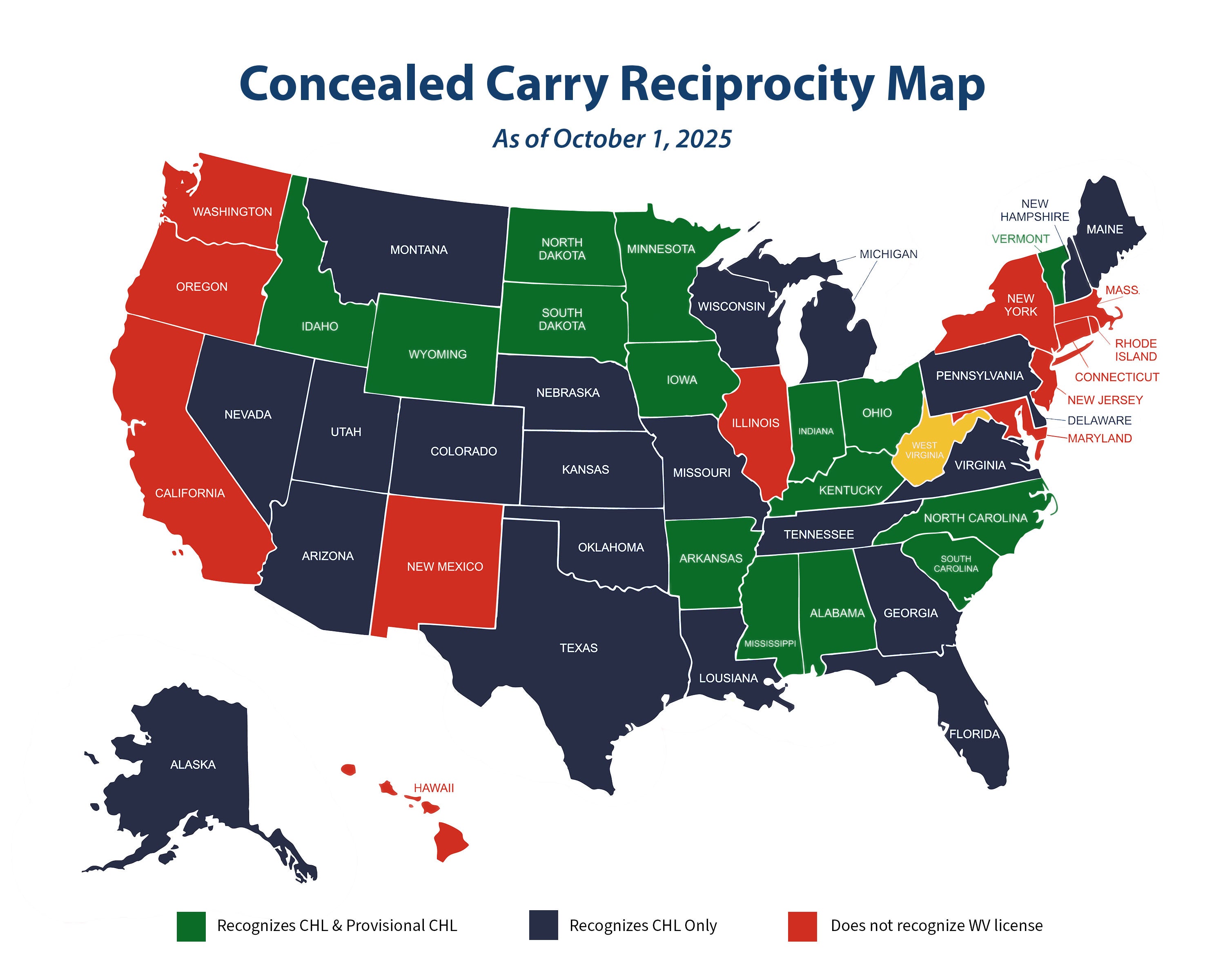
The USCCA offers a comprehensive reciprocity map that is regularly updated, but it’s still crucial to verify the information before traveling. Some states have full reciprocity, recognizing permits from all other states, while others have limited or no reciprocity. Some states may only recognize permits from states with similar permitting requirements. It’s also important to be aware of any restrictions on transporting firearms through states that don’t recognize your permit.
Violating another state’s gun laws, even unintentionally, can have serious consequences, ranging from fines and confiscation of your firearm to arrest and imprisonment. It’s essential to research the laws of each state you’ll be traveling through and to comply with all applicable regulations. I advise always keeping a copy of the relevant state laws with you when traveling with a firearm.
- Verify Reciprocity: Check the USCCA reciprocity map and confirm the laws of each state.
- Transportation Laws: Understand the rules for transporting firearms through states with limited or no reciprocity.
- State-Specific Restrictions: Be aware of any restrictions on where you can carry in each state.
Constitutional Carry States (as of May 2024)
- Alabama - Allows permitless carry for individuals 21 years of age or older who are not prohibited from possessing a firearm. A permit is still available for reciprocity purposes.
- Alaska - Has allowed permitless carry since 1970. No permit is required for residents to carry a concealed handgun.
- Arizona - Permitless carry is legal for individuals 21 years of age or older. Those with a valid Arizona Concealed Carry Permit have reciprocity agreements with other states.
- Arkansas - Individuals 21 and older can carry a handgun, openly or concealed, without a permit, provided they are not prohibited by state or federal law.
- Florida - As of April 1, 2023, Florida allows permitless carry for individuals 21 or older who are legally allowed to own a firearm.
- Georgia - Permitless carry became law in 2022 for individuals 21 years of age or older. A weapons carry license is still available and provides reciprocity benefits.
- Indiana - Permitless carry was enacted in 2022. Individuals 18 and older can carry a handgun without a permit, with certain restrictions.
- Iowa - Permitless carry became law in 2023. Individuals 21 and older can carry a handgun without a permit, subject to certain restrictions.
Future Trends: What to Expect in 2026 and Beyond
The trend towards Constitutional Carry is likely to continue in the coming years. Several states, including Pennsylvania and New Hampshire, are currently considering legislation that would allow permitless carry. The success of these efforts will depend on the political climate and the outcome of future elections. States with strong gun rights advocacy groups and conservative legislatures are the most likely to adopt permitless carry in the near future.
Ongoing legal challenges will also play a significant role. As more states adopt permitless carry, we can expect to see further legal battles over the constitutionality of these laws. The Supreme Court may eventually be called upon to weigh in on the issue, potentially setting a national standard for concealed carry regulations. The outcome of those cases will be critical.
Furthermore, the development of new technologies, such as "smart guns" with biometric locks, could influence the debate. Proponents of these technologies argue that they can enhance gun safety without infringing upon Second Amendment rights. However, they also face opposition from gun rights advocates who are concerned about potential security vulnerabilities and government control.
Resources for Staying Informed
Keeping up-to-date with the ever-changing landscape of gun laws can be challenging. Several reliable resources are available to help you stay informed. The USCCA (https://www.usconcealedcarry.com/) provides detailed information on state laws, reciprocity maps, and training resources. State attorney general websites often publish information on gun laws within their respective states.
Organizations like the National Rifle Association (NRA) and the Second Amendment Foundation (SAF) also provide updates on legislative and legal developments. It's important to consult multiple sources and to verify the information before relying on it. Understanding your rights and responsibilities as a gun owner is crucial for ensuring your safety and avoiding legal trouble.
As of 2023, approximately 22.9 million Americans hold concealed carry permits, though this number doesn't account for those in the 29 states with permitless carry laws (Constitutional carry), where no permit is required.
— Martyupnorth®- Unacceptable Fact Checker (@Martyupnorth) June 24, 2025
A 2019 study estimated that about 6 million American… pic.twitter.com/VY10GxStVG
No comments yet. Be the first to share your thoughts!