
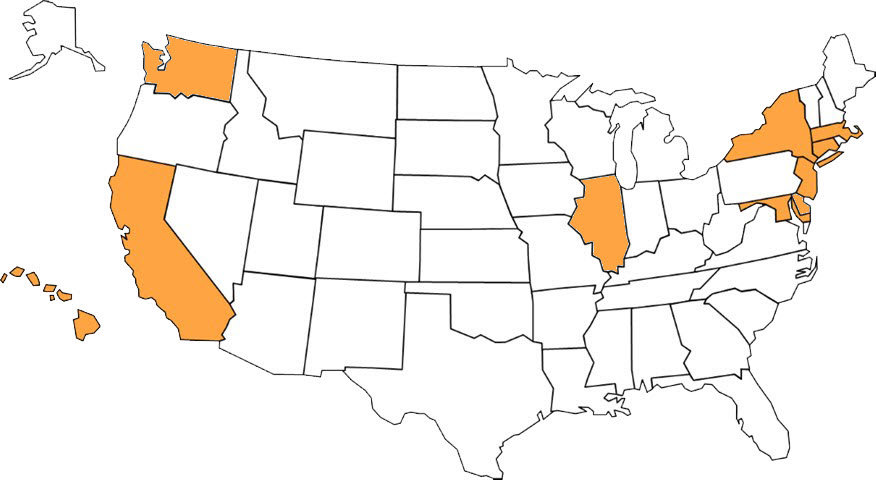

What matters most
Determining which assault weapon ban states 2026 laws apply to you depends on whether a state defines "assault weapons" by a specific list of banned models or by a set of prohibited features. While some states ban firearms based on their name or brand, others focus on characteristics like detachable magazines, pistol grips, or folding stocks.
These laws are not static. State legislatures frequently update their definitions through new bills or court rulings that can either tighten restrictions or strike down bans as unconstitutional. For a gun owner, the primary risk is the "grandfather clause." Some states allow you to keep a firearm you owned before a ban took effect, while others require immediate removal of the weapon from the state or surrender to authorities. In states like Illinois or Connecticut, the window for registration or legal disposal is often narrow, and failure to comply within the statutory timeframe can result in felony possession charges.
Compliance requires checking three specific data points: the current state statute, any active court injunctions pausing the law, and the specific feature-set of your firearm. Because laws vary wildly between jurisdictions—such as the difference between California's strict feature-based ban and more permissive states—cross-border transport can lead to immediate legal complications. For example, a rifle configured for hunting in a permissive state may still be classified as an assault weapon in a restrictive state if it possesses a muzzle brake that the state defines as a "flash suppressor."
Details to compare
Understanding assault weapon bans by state requires looking past the general label of "assault weapon." State laws differ primarily in how they define the restricted firearm—some focus on the internal mechanism, while others target external cosmetic features.
When evaluating a state's restrictions, check if the law is a blanket ban on specific models or a feature-based restriction. A feature-based ban might prohibit a rifle only if it has a detachable magazine combined with a pistol grip or a folding stock. This distinction determines whether a firearm is illegal as-is or can be made compliant through modifications, such as pinning a magazine to 10 rounds or replacing a pistol grip with a compliant "fin" grip.
| Comparison Factor | Feature-Based Ban | Model-Based Ban |
|---|---|---|
| Primary Trigger | Specific attributes (e.g., flash suppressors) | Specific brand/model names |
| Compliance | Often possible via modification | Generally non-compliant by design |
| Scope | Broadly applies to many platforms | Targets specific high-profile firearms |
| Enforcement | Requires technical inspection | Identifiable by serial/model number |
How to decide
Determining if a firearm falls under specific assault weapon bans by state requires a technical review of the weapon's features rather than just its brand or model name. Because state laws vary—some banning specific models by name and others banning specific combinations of features—a systematic check is the only way to ensure compliance.
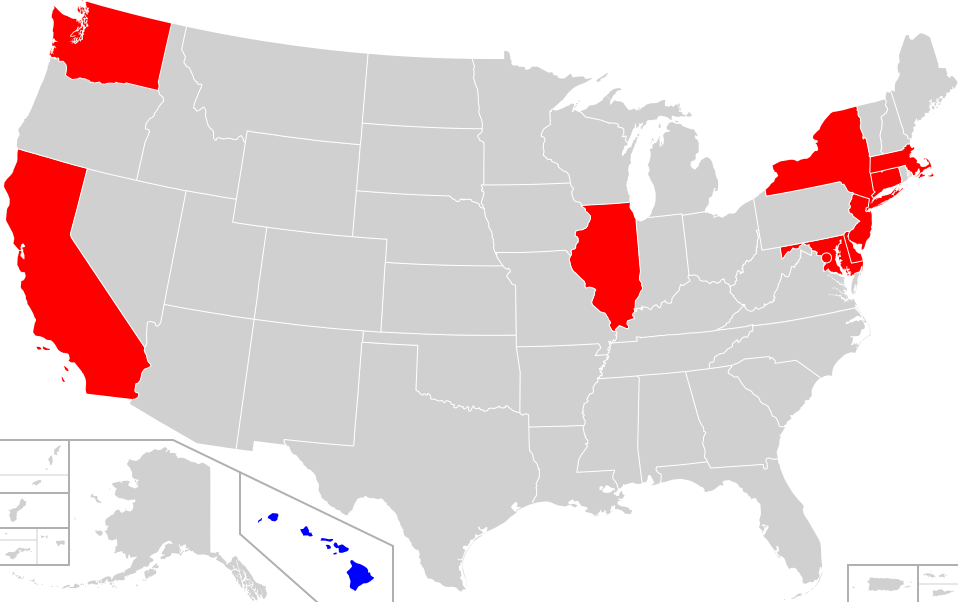
Confirm the exact state and municipality where the firearm will be possessed. State-level bans often apply broadly, but city ordinances may add stricter restrictions on magazine capacity or specific accessory attachments. Be aware that some "home rule" cities may have ordinances that are more restrictive than the state law, creating a patchwork of legality within a single state.

Review the official state statute or attorney general's guidance. Look for "enumerated lists" where specific models (like the AR-15 or AK-47) are named explicitly regardless of their configuration. If your firearm is on an enumerated list, modifications to features usually will not make the weapon legal.
If the model isn't listed by name, check for "feature-based" bans. This typically involves counting restricted attributes such as pistol grips, folding stocks, flash suppressors, or detachable magazines. Note that some states use a "one-feature" rule, while others use a "two-feature" rule; the difference determines if a single accessory makes the entire firearm illegal.
Check if the law includes a grandfather clause for firearms owned before a specific date. These clauses often require proof of ownership through bills of sale, dated receipts, or registration records. Ensure you have physical or digital copies of these documents available if you are transporting the firearm.
What to avoid
When navigating assault weapon bans by state, the most common mistake is relying on generic firearm categories. Many state laws do not define "assault weapon" by the name of the gun, but by a specific list of prohibited features. A rifle might be legal in one state and illegal in another based solely on the presence of a folding stock or a flash suppressor, regardless of the brand or model.
Avoid assuming that a firearm purchased legally in one state remains legal when transported across state lines. State-level restrictions are not reciprocal. Crossing a border with a firearm that meets a neighboring state's definition of a restricted weapon can lead to felony charges, even if the weapon is registered in your home jurisdiction. While the Firearm Owners Protection Act (FOPA) provides some safe harbor for interstate travel, this protection is often narrow and may not apply if you stop for an extended period or if the firearm is not stored according to strict federal guidelines (unloaded, locked in a container, and inaccessible from the passenger compartment).
Be cautious of third-party summaries that claim a state has a "total ban." Often, these laws include grandfather clauses for firearms owned prior to a specific date. However, these exemptions frequently do not apply to new purchases or modifications made after the law took effect. For example, adding a new accessory to a grandfathered firearm may "reset" its status, making it an illegal modified weapon. Always verify the exact effective date of the legislation through official state attorney general offices or legislative portals.
No comments yet. Be the first to share your thoughts!