

Why storage laws are changing
Last month, a ten-year-old in Ohio shot himself with a handgun found in his father’s unlocked nightstand. It happens too often. These accidents and the rise in firearm suicides are changing how we look at gun ownership. Owning a gun is one thing; keeping it locked up is what actually keeps people safe.
For years, the debate around gun control has focused largely on access – who can buy a gun, and under what circumstances. But increasingly, the conversation is turning to what happens after a gun is legally purchased. The focus is on preventing misuse, especially in homes where children are present or individuals are struggling with mental health issues. This isn’t necessarily about restricting Second Amendment rights, but about acknowledging the inherent dangers of firearms and taking reasonable steps to mitigate those risks.
The evolution of these laws reflects a growing understanding of the factors that contribute to gun violence. It’s a response to data showing a clear link between unsecured firearms and preventable tragedies. Lawmakers are beginning to recognize that requiring safe storage isn’t an infringement on rights, but a common-sense measure to protect communities and save lives. I believe this is a necessary step towards fostering a culture of responsible gun ownership.
State mandates by the numbers
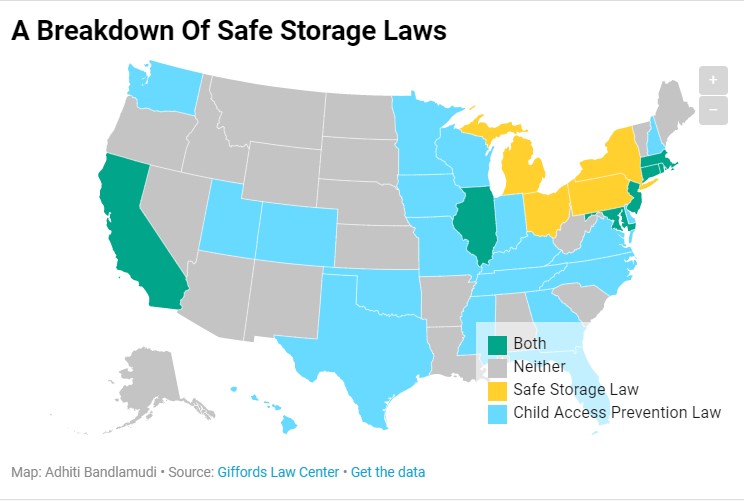
The legal requirements for gun storage vary dramatically from state to state. As of late 2024, a handful of states have mandatory safe storage laws that apply to all firearms. These laws generally require gun owners to keep their firearms locked and unloaded, or secured with a trigger lock or cable lock, when not in use. California, Connecticut, Massachusetts, New Jersey, and New York fall into this category, with varying degrees of stringency.
A second group of states have laws that apply only in specific circumstances. For example, several states require safe storage when children under a certain age have access to the firearm. Colorado is a notable example, with requirements around preventing access by individuals deemed a danger to themselves or others. These laws often carry additional penalties if a child gains access to an unsecured firearm and causes harm.
More than half of U.S. states have no specific storage requirements. You aren't legally forced to lock your guns there, though you're still on the hook if your negligence hurts someone. This makes traveling across state lines tricky for owners who want to stay legal.
It’s worth noting that this is a rapidly changing area of law. Several states are actively considering new legislation related to safe storage, and court challenges are ongoing in others. The Everytown Research & Policy organization maintains a frequently updated resource tracking these changes, which is a great place to find the most current information.
Gun Storage Laws by State - 2026 Overview
| State | Law Type | Description | Official Statute Link |
|---|---|---|---|
| Colorado | Mandatory - Specific Firearms | Colorado law requires firearms to be securely stored, including locked or rendered inoperable, particularly to prevent access by individuals deemed a danger to themselves or others. This is especially emphasized in cases of domestic violence or if a resident is known to be at risk of suicide. | https://cdphe.colorado.gov/firearms-safe-storage |
| Massachusetts | Mandatory - All Firearms | Massachusetts requires all firearms to be stored in a locked container or with a safety device, and ammunition must be stored separately. Negligent storage resulting in unauthorized access can lead to criminal penalties. | https://www.mass.gov/doc/firearm-storage-requirements/download |
| New York | Mandatory - All Firearms | New York law mandates safe storage of all firearms, requiring them to be secured in a locked container or rendered inoperable. There are specific requirements for homes with children. | https://www.ag.ny.gov/sites/default/files/firearms-guide-2023.pdf |
| California | Mandatory - Specific Firearms | California requires firearms to be stored in a locked container or disabled with a trigger lock when not in use. This is particularly strict for handguns. | https://oag.ca.gov/firearms/regulations |
| Texas | Conditional | Texas does not have a general safe storage law, but a person may be criminally liable if they negligently store a firearm that is then used to commit a crime. Safe storage is encouraged, especially when children are present. | https://statutes.capitol.texas.gov/Docs/PE/htm/PE.46.htm |
| Florida | No Specific Law | Florida does not have a statewide law requiring safe storage of firearms. However, there may be civil liability for negligent storage. | https://www.flsenate.gov/Laws/Statutes/2018/790.06 |
| Illinois | Mandatory - Specific Firearms | Illinois law requires individuals to keep firearms unloaded and locked, or equipped with a trigger lock. This is particularly relevant for firearms accessible to unauthorized individuals. | https://www.ilga.gov/legislation/ilcs/ilcs4/720ILCS4/720ILCS4.htm |
Illustrative comparison based on the article research brief. Verify current pricing, limits, and product details in the official docs before relying on it.
What counts as safe storage
Defining 'safe storage' isn’t always straightforward. Most states that require it accept several common methods, but the specifics can vary. The most widely accepted methods include storing firearms in a locked gun safe, a locked cabinet, or securing them with a trigger lock or cable lock. Some states specify that the safe must meet certain security standards, such as having a specific gauge of steel or being bolted to the floor.
The Colorado laws, as highlighted by the state’s Department of Public Health and Environment, are fairly specific. They emphasize preventing unauthorized access, meaning not only securing the firearm but also taking reasonable steps to prevent someone who is a danger to themselves or others from obtaining it. This is a broad standard, and it’s often up to the courts to interpret what constitutes 'reasonable care' in a given situation.
Some states are beginning to consider requirements for biometric locks or smart guns, which can only be operated by authorized users. However, these technologies are still relatively new and expensive, and their adoption is not widespread. I’ve observed that legal definitions of safe storage are moving toward a more holistic approach, focusing on preventing access by unauthorized individuals rather than simply prescribing a specific type of lock or container.
The cost of negligence
The penalties for failing to comply with safe storage laws can be significant. In many states, negligent storage is a misdemeanor offense, punishable by a fine and potentially jail time. However, the severity of the penalty often depends on the circumstances. If an unsecured firearm is stolen and used in a crime, the gun owner could face more serious charges.
More concerning is the potential for felony charges if a child gains access to an unsecured firearm and causes harm, either to themselves or to others. These charges can carry lengthy prison sentences and a permanent criminal record. Civil liability is also a major concern. Gun owners can be sued by individuals who are injured by their improperly stored firearms, potentially resulting in substantial financial damages.
Negligence is the core of these legal battles. If you don't take reasonable care to secure a weapon and someone gets hurt, you're responsible. Intent doesn't matter much in court if the result is a tragedy. Many owners underestimate how quickly a lapse in judgment becomes a felony.
Temporary Transfers & Travel
How safe storage laws apply to temporary transfers of firearms – lending a gun to a friend, for example – is often unclear. Some states may consider the person lending the firearm to be responsible for ensuring it’s stored securely at the recipient’s home, while others may not. This is a particularly grey area, and it’s best to err on the side of caution.
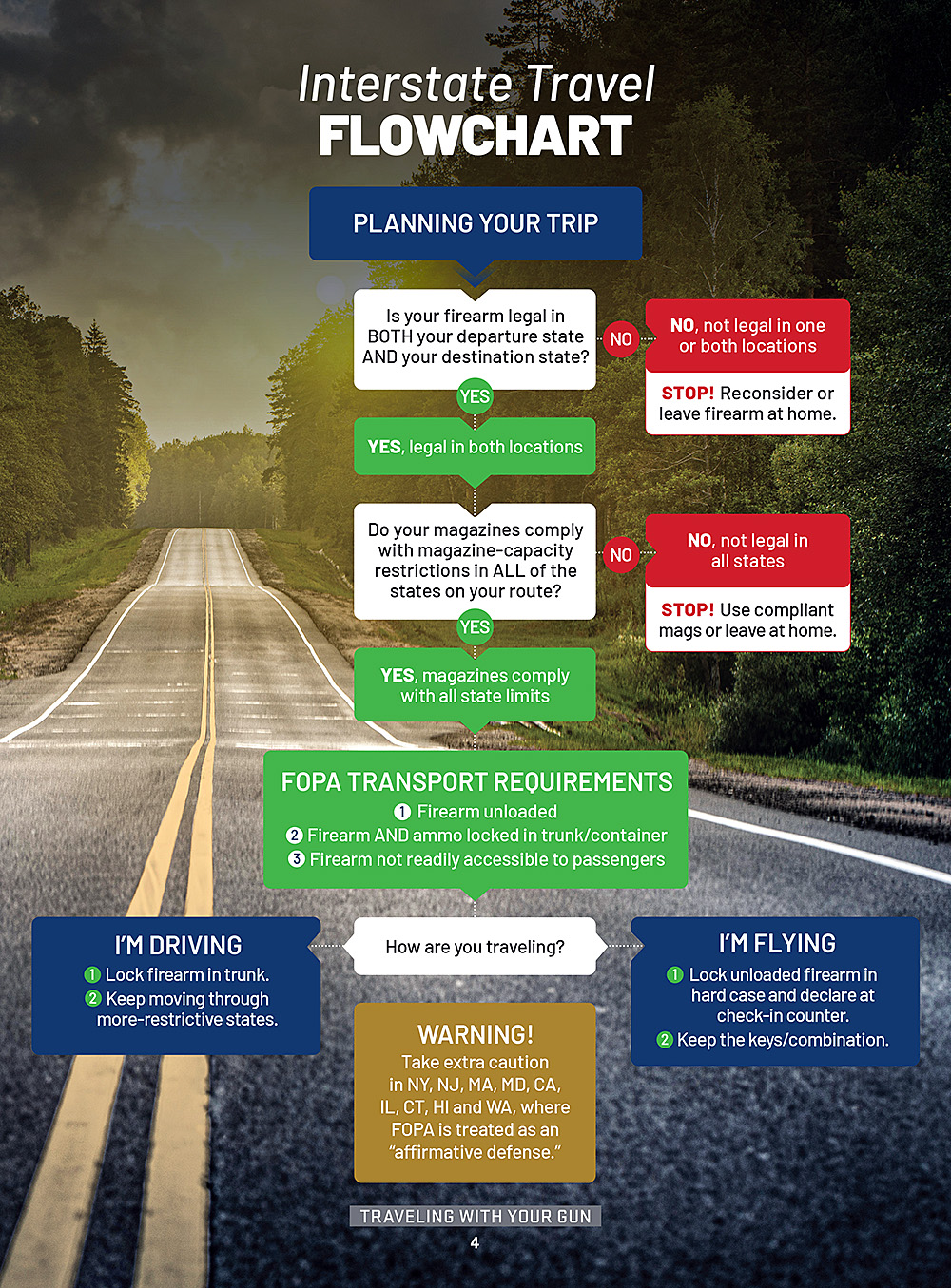
When transporting firearms across state lines, it’s essential to comply with the laws of both the origin and destination states, as well as any states you pass through. Generally, firearms must be transported unloaded and in a locked container. However, the specifics vary, and it’s crucial to research the laws of each state beforehand.
Leaving a firearm in a vehicle is also problematic. Even if the vehicle is locked, it may not be considered secure storage under state law. Many states prohibit leaving firearms unattended in vehicles. The legal landscape here is murky, and I recommend avoiding this practice altogether. It's simply not worth the risk.
Safe Storage and Suicide Prevention
There’s a strong correlation between access to firearms and suicide rates. Studies have shown that individuals who have access to firearms are more likely to die by suicide, particularly during times of crisis. This is because firearms are a highly lethal method of suicide, leaving little chance for intervention.
Safe storage practices can play a critical role in reducing the risk of suicide. By securely storing firearms, you can create a barrier between someone experiencing a mental health crisis and a potentially lethal weapon. This can provide valuable time for intervention and support.
Organizations like the American Foundation for Suicide Prevention emphasize the importance of responsible gun ownership as a suicide prevention strategy. They advocate for safe storage practices and encourage open communication about mental health. If you or someone you know is struggling with suicidal thoughts, please reach out for help. The National Suicide Prevention Lifeline is available 24/7 at 988.
Resources and Further Reading
Staying informed about gun storage laws is crucial for responsible gun ownership. Here are some resources to help you learn more:
State Statutes: Check your state’s official legislative website for the most up-to-date information on gun laws. A simple web search for “[Your State] firearm laws” should get you started.
Everytown Research & Policy: provides a comprehensive overview of state gun laws, including safe storage requirements.
National Shooting Sports Foundation: offers resources on safe gun handling and storage practices.
American Foundation for Suicide Prevention: provides information and resources on suicide prevention, including the importance of safe gun storage.
Resources & Further Reading
- Everytown for Gun Safety - A national organization advocating for gun violence prevention, offering research and state-level policy information.
- Giffords Law Center - Provides comprehensive legal resources on gun laws, including state-by-state breakdowns and analysis.
- National Shooting Sports Foundation (NSSF) - Industry trade association offering resources on safe gun handling and storage practices.
- National Suicide Prevention Lifeline - Offers 24/7 confidential support to individuals in distress; 988 is the direct dialing code.
- Crisis Text Line - Provides free, 24/7 crisis support via text message; text HOME to 741741.
- State Attorney General Offices - Each state's Attorney General website typically provides access to the state's codified laws, including those related to firearms.
- State Legislative Websites - Access current and historical legislation regarding firearms and safe storage requirements.
- Local Law Enforcement Agencies - Many local police departments and sheriff's offices offer gun safety courses and information on state and local laws.
No comments yet. Be the first to share your thoughts!