

Assault Weapons Defined: A Shifting Landscape
Defining 'assault weapon' is difficult. The term is politically charged, and definitions vary widely. This lack of a universal definition fuels the debate over gun control laws and directly impacts which firearms are restricted and how.
Federal and state definitions differ. The 1994 Federal Assault Weapons Ban, which expired in 2004, defined these weapons by features but was not renewed. States now lead with their own bans, creating a complex legal landscape for gun owners and law enforcement.
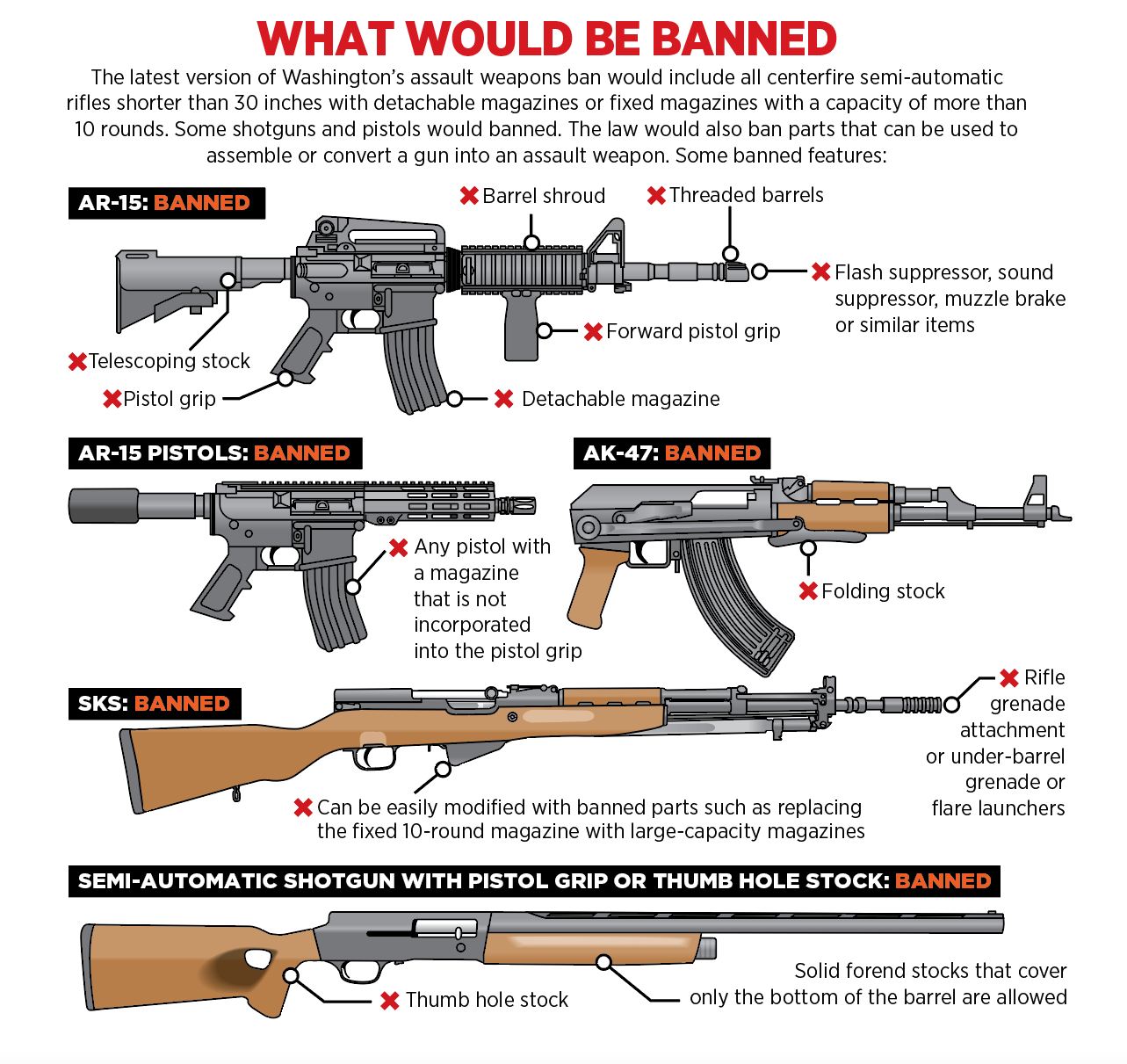
Commonly cited features include detachable magazines, pistol grips, flash suppressors, and adjustable stocks. The inclusion of these features is often debated, as some, like a pistol grip, don't inherently increase danger but alter handling. The debate frequently questions the firearm's intended design: military or civilian use.
The 1994 ban prohibited certain semi-automatic firearms and large-capacity magazines. While its effectiveness is debated, it showed federal regulation was possible. Its expiration allowed states to create their own bans, and federal regulation is still discussed. The ban expired due to a lack of political will, not a consensus on its failure.
Current State Bans: A 2026 Overview
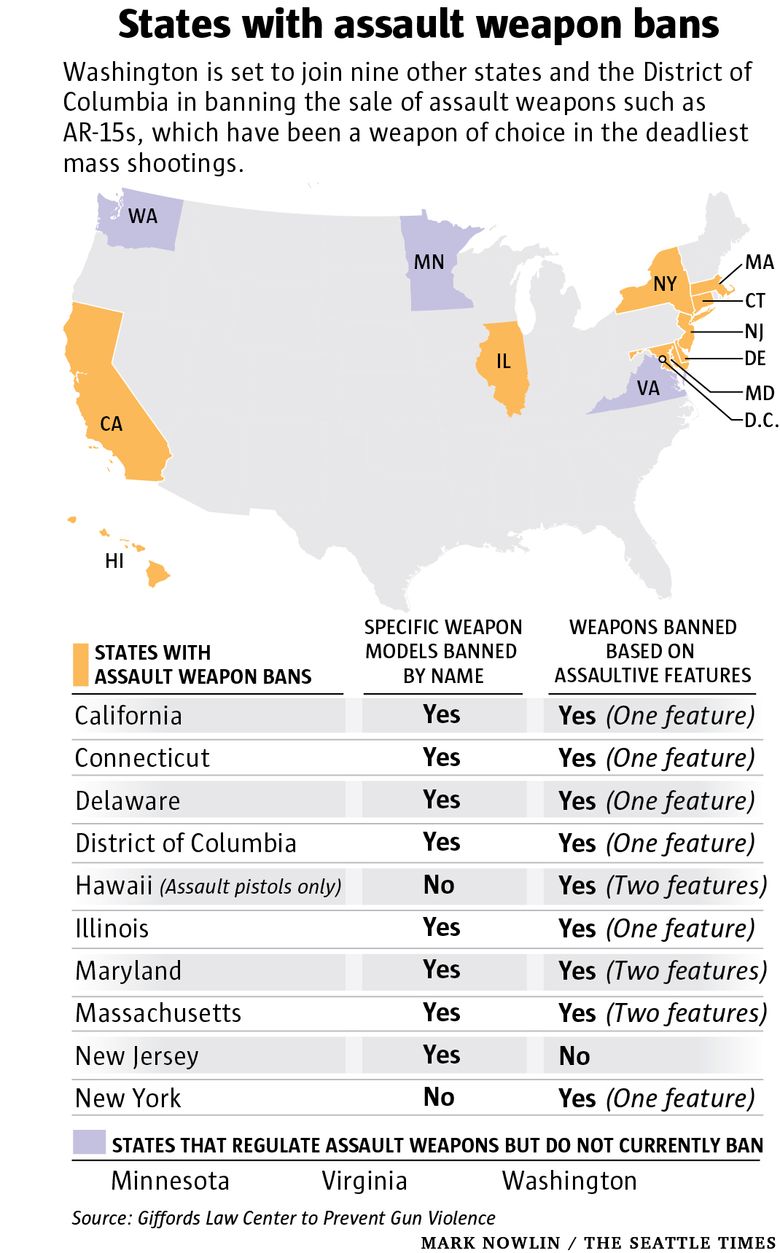
As of late 2026, several states restrict or ban assault weapons with varying laws. Regulations range from complete bans to focusing on specific features or requiring registration of existing firearms.
California, Connecticut, Delaware, Hawaii, Illinois, Maryland, Massachusetts, New Jersey, New York, and Washington D.C. have comprehensive assault weapon bans, prohibiting the sale, transfer, and possession of specific firearms and large-capacity magazines. Colorado enacted a ban in 2023, and Maine followed in 2024 with similar restrictions.
Many states have grandfathering clauses, allowing legal owners of firearms before a ban to keep them, often with registration, storage, and transportation rules. New York's ban, for instance, requires registration and has strict storage/transport rules. These clauses frequently face legal challenges.
Florida and Texas have no assault weapon restrictions, generally permitting any firearm legal under federal law. Some modifications or accessories may still be restricted, creating a divide in firearm regulations nationwide.
Assault weapon bans in several states face legal challenges. Connecticut, New York, and California have ongoing lawsuits arguing their bans violate the Second Amendment. The outcomes of these cases will significantly impact future assault weapon regulations nationwide.
Assault Weapon Bans by State 2026: Updated List and Definitions
| State | Ban Status | Key Features Banned | Legal Challenges? | Link to State Statute |
|---|---|---|---|---|
| California | Complete Ban | Semi-automatic rifles with detachable magazines and specific military-style features; certain shotguns. | No | https://leginfo.legislature.ca.gov/faces/codes_displaySection.xhtml?lawCode=PEN§ionNum=30515 |
| Connecticut | Complete Ban | Semi-automatic rifles with certain features, including pistol grips, adjustable stocks, and flash suppressors. | No | https://www.cga.ct.gov/2013/POF/2013POF00000-R000119-POF.htm |
| Maryland | Feature-Based Ban | Semi-automatic rifles with detachable magazines and specific features like pistol grips or folding stocks. | No | https://mga.maryland.gov/mgawebsite/Legislation/Details/HB1013?andYear=2023RS |
| Massachusetts | Complete Ban | Assault weapons and large capacity magazines are prohibited. | No | https://malegislature.gov/Laws/GeneralLaws/PartI/TitleXIV/Chapter140/Section131L |
| New Jersey | Complete Ban | Semi-automatic rifles with detachable magazines and specific features; certain shotguns. | No | https://www.njleg.state.nj.us/bills/OL2022/A4189.htm |
| New York | Complete Ban | Semi-automatic rifles with detachable magazines and specific features. | Yes | https://legislation.ny.gov/A7867/2023 |
| Colorado | Feature-Based Ban | Certain semi-automatic firearms with specific features, including pistol grips and barrel shrouds. | Pending | https://leg.colorado.gov/bills/sb23-169 |
| Washington | Feature-Based Ban | Semi-automatic rifles with detachable magazines and specific features. | Yes | https://app.leg.wa.gov/billsummary?billnumber=HB1240 |
Illustrative comparison based on the article research brief. Verify current pricing, limits, and product details in the official docs before relying on it.
Federal Legislation: The Assault Weapons Ban of 2025
H.R.3115 and S.1531, the Assault Weapons Ban of 2025, were introduced in Congress to reinstate a federal ban on assault weapons and large-capacity magazines. As of late 2026, neither has passed but represent ongoing federal regulation efforts. The bills face significant opposition, particularly from Republican lawmakers.
H.R.3115 and S.1531 define "covered assault weapons" as semi-automatic rifles, pistols, and shotguns with features like detachable magazines, pistol grips, and adjustable stocks. The bills specifically name firearms such as the AR-15 and AK-47, defining which would be prohibited.
The proposed ban would prohibit the manufacture, sale, transfer, and possession of large-capacity magazines (over 10 rounds). This aims to reduce mass shootings by forcing more frequent reloads, which supporters argue can save lives.
Proponents believe the ban will reduce gun violence and enhance safety, citing the 1994 ban's potential effectiveness. Opponents argue it's unconstitutional, won't deter criminals, and infringes on the rights of law-abiding citizens for self-defense and sport shooting. The Congressional Research Service analyzed the bills in May 2025.
Defining Characteristics: What Features Matter?
Debates over assault weapon bans focus on features believed to increase a firearm's suitability for mass shootings. Detachable magazines are a primary concern, enabling rapid reloading and sustained fire; proposed legislation often includes a ten-round limit.
Pistol grips are another targeted feature, which can improve control during rapid fire without necessarily increasing accuracy or range. Flash suppressors reduce muzzle flash, useful in low-light conditions, and are often included in 'assault weapon' definitions due to their military applications.
Adjustable stocks allow users to customize the length of pull for comfort, often seen as a military-style enhancement. The presence of these features can signal combat design, even if the firearm has legitimate civilian uses.
Opponents argue these features are cosmetic or enhance usability for sport shooting and hunting. They contend that restricting them infringes on rights without reducing gun violence, and that criminals can easily modify firearms to bypass bans.
Grandfathering and 'Assault Weapon' Conversions
Assault weapon bans often include grandfathering clauses, allowing individuals who legally possessed these firearms before a ban to keep them, subject to restrictions like registration, secure storage, and limitations on future sales or transfers.
Registration requirements can be burdensome, demanding detailed information from owners. Secure storage mandates aim to prevent theft, while sales and transfer restrictions limit proliferation. Grandfathering clause specifics vary by state.
Assault weapon conversions present a legal gray area. Converting a legal firearm to meet a banned definition, such as by adding a detachable magazine or pistol grip, carries serious legal consequences. Federal law prohibits manufacturing illegal firearms, and state laws often criminalize possession of converted weapons.
Illegal conversions can result in fines, imprisonment,
Legal Challenges and Court Cases
Assault weapon bans are frequently challenged in court, primarily on Second Amendment grounds. The Second Amendment to the United States Constitution guarantees the right to bear arms, and opponents of these bans argue that they infringe on this right. The Supreme Court’s decision in New York State Rifle & Pistol Association, Inc. v. Bruen (2022) has significantly impacted these cases.
Bruen established a new standard for evaluating Second Amendment challenges, requiring courts to consider the historical context of gun regulations. This means that any restrictions on gun ownership must be consistent with the nation’s historical tradition of firearm regulation. This ruling has led to the invalidation of some state and local gun laws.
Several ongoing cases challenge the constitutionality of state assault weapon bans. In Connecticut, a lawsuit argues that the state’s ban violates the Second Amendment by prohibiting commonly owned firearms. Similar challenges are pending in New York and California. The outcomes of these cases will likely shape the future of assault weapon regulation in the United States.
The legal arguments typically center on whether assault weapons are "dangerous and unusual" weapons that are not protected by the Second Amendment. Opponents of the bans argue that these firearms are commonly owned and used for legitimate purposes, such as self-defense and sport shooting. Courts are grappling with how to apply the Bruen standard to these cases, and the legal landscape is constantly evolving.
Looking Ahead: Potential Changes in 2027
The future of assault weapon bans remains uncertain. Several factors could influence the direction of this debate in 2027 and beyond. The outcome of the ongoing legal challenges will be crucial. If the Supreme Court upholds the constitutionality of these bans, it could pave the way for more states to enact similar regulations.
Upcoming elections will also play a significant role. A change in the composition of Congress or the presidency could shift the political landscape and either bolster or hinder efforts to pass a federal ban. Public opinion on gun control is also evolving, and shifts in public sentiment could influence policymakers.
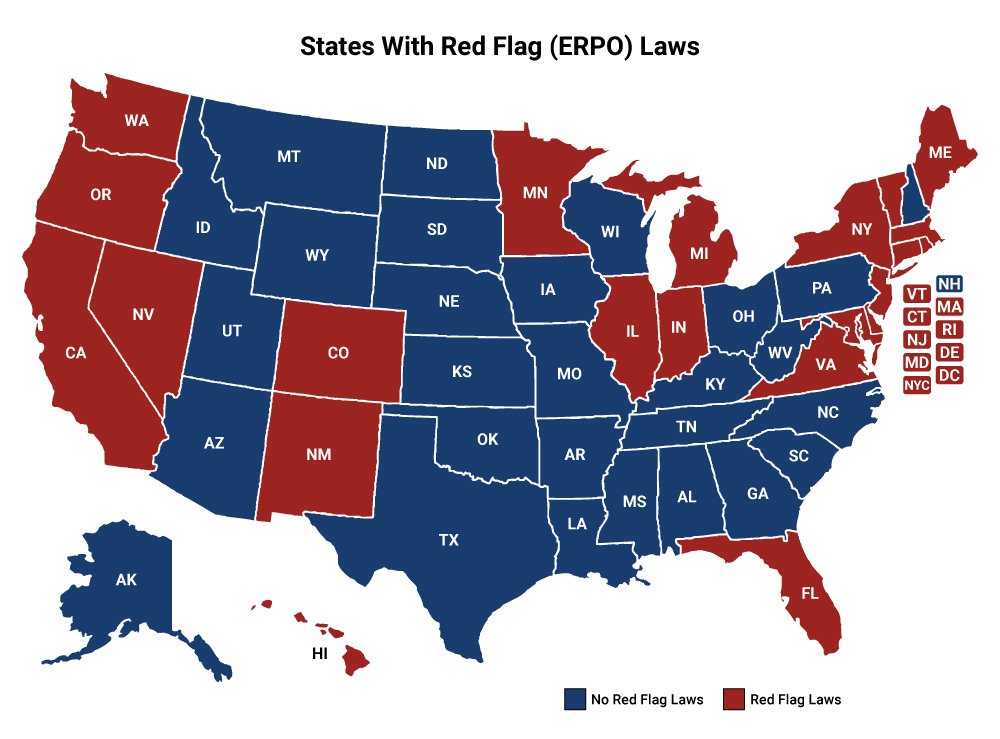
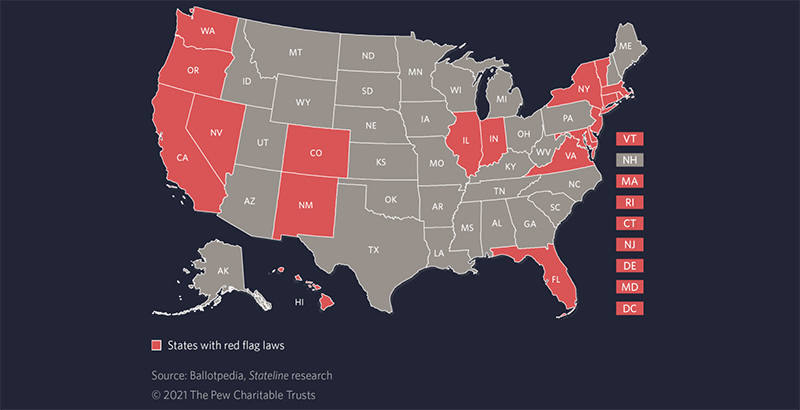
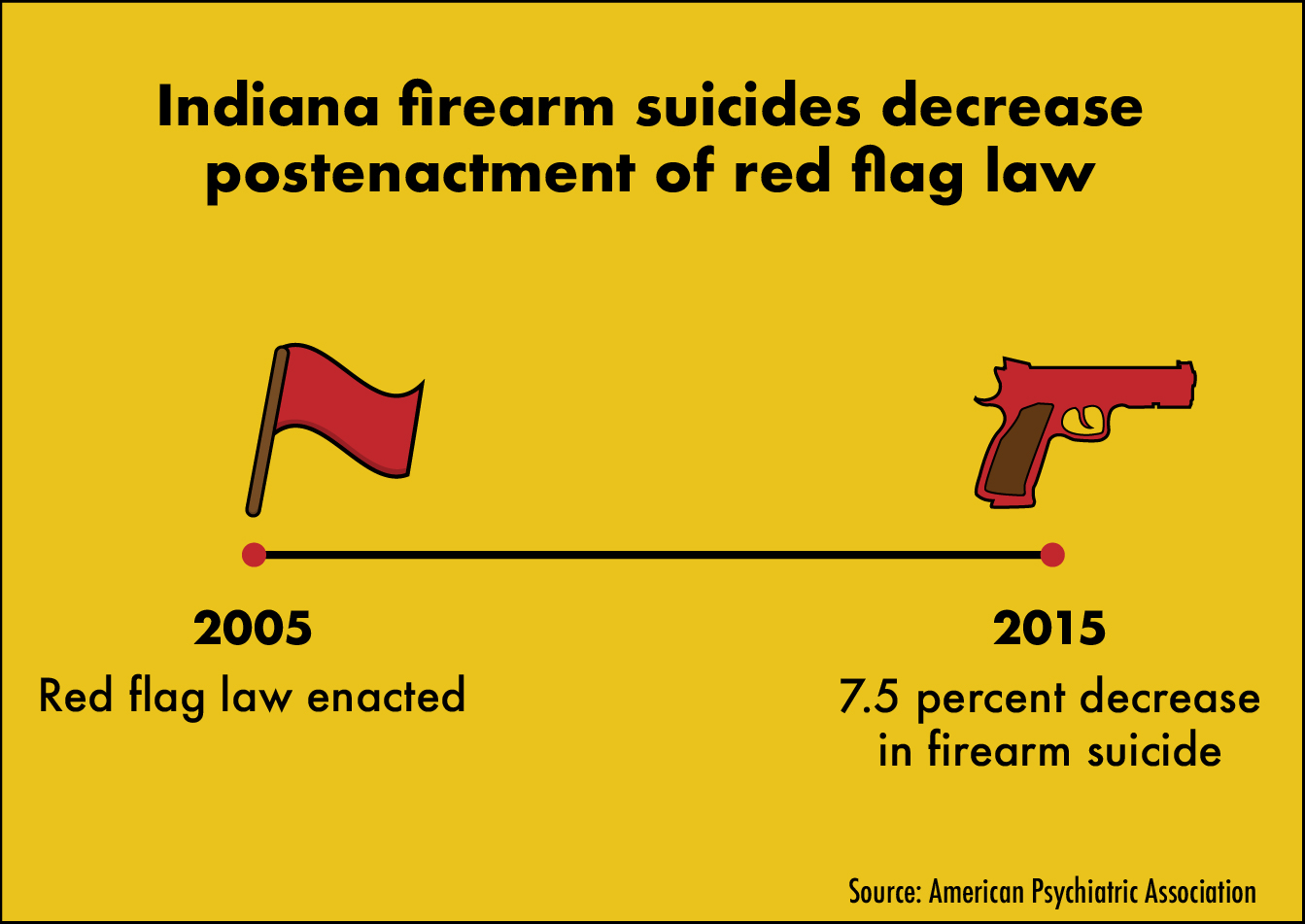
It’s possible that we’ll see a continued patchwork of state laws, with some states enacting bans and others maintaining permissive regulations. It’s also possible that Congress will reach a compromise on federal legislation, perhaps focusing on universal background checks and red flag laws rather than a complete ban on assault weapons. The situation is dynamic and subject to change.
No comments yet. Be the first to share your thoughts!