

How reciprocity works in 2026
Reciprocity is just an agreement between two states to honor each other's concealed carry permits. It isn't a federal right. If you have a permit in Ohio, it only works in Kentucky if those two states have a deal in place. These deals change every time a state legislature meets, which makes traveling with a gun a legal headache.
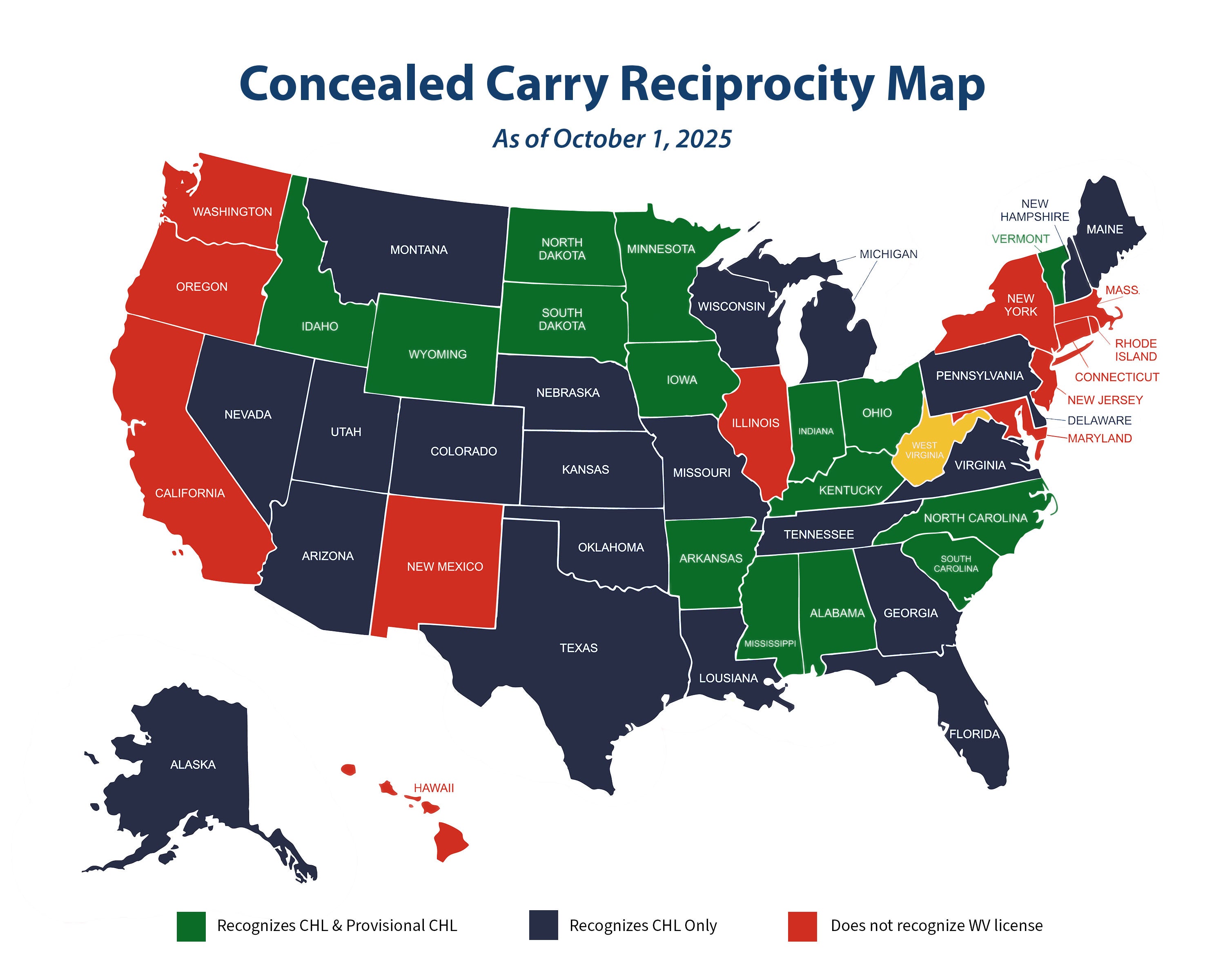
The current situation is a patchwork of bilateral agreements. Some states have broad reciprocity, recognizing permits from many others, while others are far more restrictive. This creates a significant burden for individuals who travel across state lines, requiring them to research and understand the laws of each state they plan to visit. The potential for accidental violations, and the associated legal consequences, is very real.
Adding to this complexity is ongoing federal legislation. The Constitutional Concealed Carry Reciprocity Act of 2025 (H.R.38) is aimed at establishing a national standard for reciprocity, but its fate remains uncertain. This potential federal intervention, combined with the continuing state-level changes, makes staying informed a challenge. Even if H.R.38 passes, it’s unlikely to eliminate state-level nuances entirely.
A 2026 update to reciprocity maps and information is essential because of these dynamic changes. Laws are changing faster than many maps can be updated, and relying on outdated information could lead to serious legal trouble. The goal of this guide is to provide the most current and accurate information available, helping you navigate this complicated legal landscape.
The status of the National Reciprocity Act
H.R.38, the Constitutional Concealed Carry Reciprocity Act of 2025, proposes a significant change to how concealed carry permits are treated across state lines. If enacted, it would require all states to recognize concealed carry permits issued by any other state, provided the permit holder meets certain federal requirements. These requirements would largely mirror existing federal firearm laws, such as prohibiting convicted felons from carrying.
As of early February 2026, H.R.38 has faced a challenging path through Congress. It initially passed the House of Representatives, but has stalled in the Senate Judiciary Committee. The primary point of contention centers on concerns about states’ rights and the potential impact on state-level gun control measures. Opponents argue the bill would undermine states’ ability to regulate firearms within their borders.
Hearings have been held, featuring testimony from both proponents and opponents of the bill. The NRA has been a strong advocate for H.R.38, arguing it would simplify the process for law-abiding citizens to exercise their Second Amendment rights while traveling. Groups like Giffords Law Center to Prevent Gun Violence have voiced strong opposition, citing concerns about public safety.
H.R.38 has plenty of Republican support but is stuck in the Senate. Democrats and a few moderate Republicans aren't budging because they don't want the federal government overriding state-level gun laws. Unless someone offers a major compromise, the bill is likely to sit in committee through the rest of 2026.
Regional permit changes
Reciprocity agreements aren't uniform across the country. Changes happen frequently, so understanding regional trends is important. In the Northeast, Maine recently added Utah to its list of recognized permits, but simultaneously dropped South Carolina. New York remains one of the most restrictive states, with very limited reciprocity agreements.
The Southeast has seen some expansion of reciprocity. Georgia, for example, now recognizes permits from Nebraska and Wyoming, reflecting a broader trend toward increased recognition of permits from states with similar permitting standards. However, states like Maryland and Delaware maintain strict limitations, recognizing only a handful of other states.
In the Midwest, Illinois has made some incremental changes, expanding its reciprocity list to include a few more states, but still remains relatively restrictive. Nebraska, as we'll explore in detail later, has a clearly defined reciprocity policy. Indiana has also seen minor adjustments to its agreements.
The Southwest generally offers more permissive reciprocity. Arizona and Texas recognize permits from a large number of states. New Mexico, however, is an exception, with more limited reciprocity. Colorado has also been actively reviewing its agreements, leading to some changes in recent months.
Finally, in the West, states like Idaho and Wyoming generally have broad reciprocity. California, unsurprisingly, remains highly restrictive. Washington state has also seen some shifts, adding a few states to its list but maintaining a cautious approach. These regional variations highlight the need for careful research before traveling with a firearm.
States With Universal Recognition: 2026 Roundup
No state truly offers universal concealed carry reciprocity. However, several states come close by recognizing permits from a substantial number of other states. Arizona is often cited as having the most expansive reciprocity, recognizing permits from over 30 states. This includes permits from many states with "shall-issue’ laws, as well as some with ‘may-issue" laws.
Texas also offers broad reciprocity, recognizing permits from a similar number of states. They generally prioritize recognizing permits from states with comparable requirements and training standards. Wyoming and Idaho are close behind, recognizing permits from a large portion of the country.
Utah is another state frequently mentioned for its wide-ranging reciprocity. It’s a popular choice for non-residents seeking a permit specifically for travel purposes. Florida’s permit is also widely recognized, although some states may have specific restrictions on non-resident permits.
Watch out for the 'non-resident' trap. Florida issues permits to people who don't live there, but some states only honor Florida permits held by actual Florida residents. Check the specific state police website before you cross the border. As of February 2026, these five permits offer the most coverage:
• Arizona permits are recognized in 32 states.
• Texas permits are recognized in 31 states.
• Utah permits are recognized in 30 states.
• Florida permits are recognized in 33 states, though some have restrictions.
• Wyoming permits are recognized in 28 states.
Concealed Carry Reciprocity – States with Broad Recognition (2026)
| State | Number of Permits Recognized (Approximate) | Recognized Permits (Examples) | Notes |
|---|---|---|---|
| Alabama | Approximately 30+ | FL, UT, AZ, VA, LA | Non-resident permits generally honored. Specific requirements may apply based on the issuing state. |
| Alaska | All States | All state-issued permits | Alaska generally recognizes all permits and licenses from other states. |
| Arizona | Approximately 35+ | FL, UT, TX, VA, KY | Non-resident permits are widely accepted. Check specific statutes for details. |
| Florida | Approximately 37+ | AL, AK, AZ, TX, OK | Florida permits are among the most widely recognized nationwide. |
| Idaho | Approximately 30+ | AZ, FL, UT, WY, NV | Idaho has broad reciprocity, but it’s important to verify current agreements. |
| Kentucky | Approximately 25+ | FL, TX, AZ, WV, TN | Reciprocity agreements are subject to change; check the Kentucky State Police website for updates. |
| Oklahoma | Approximately 30+ | TX, FL, AZ, KY, AR | Oklahoma generally recognizes permits from states with similar standards. |
| Texas | Approximately 32+ | FL, AZ, KY, OK, TN | Texas reciprocity is extensive, but certain restrictions may apply based on the issuing state. |
Illustrative comparison based on the article research brief. Verify current pricing, limits, and product details in the official docs before relying on it.
States that don't play well with others
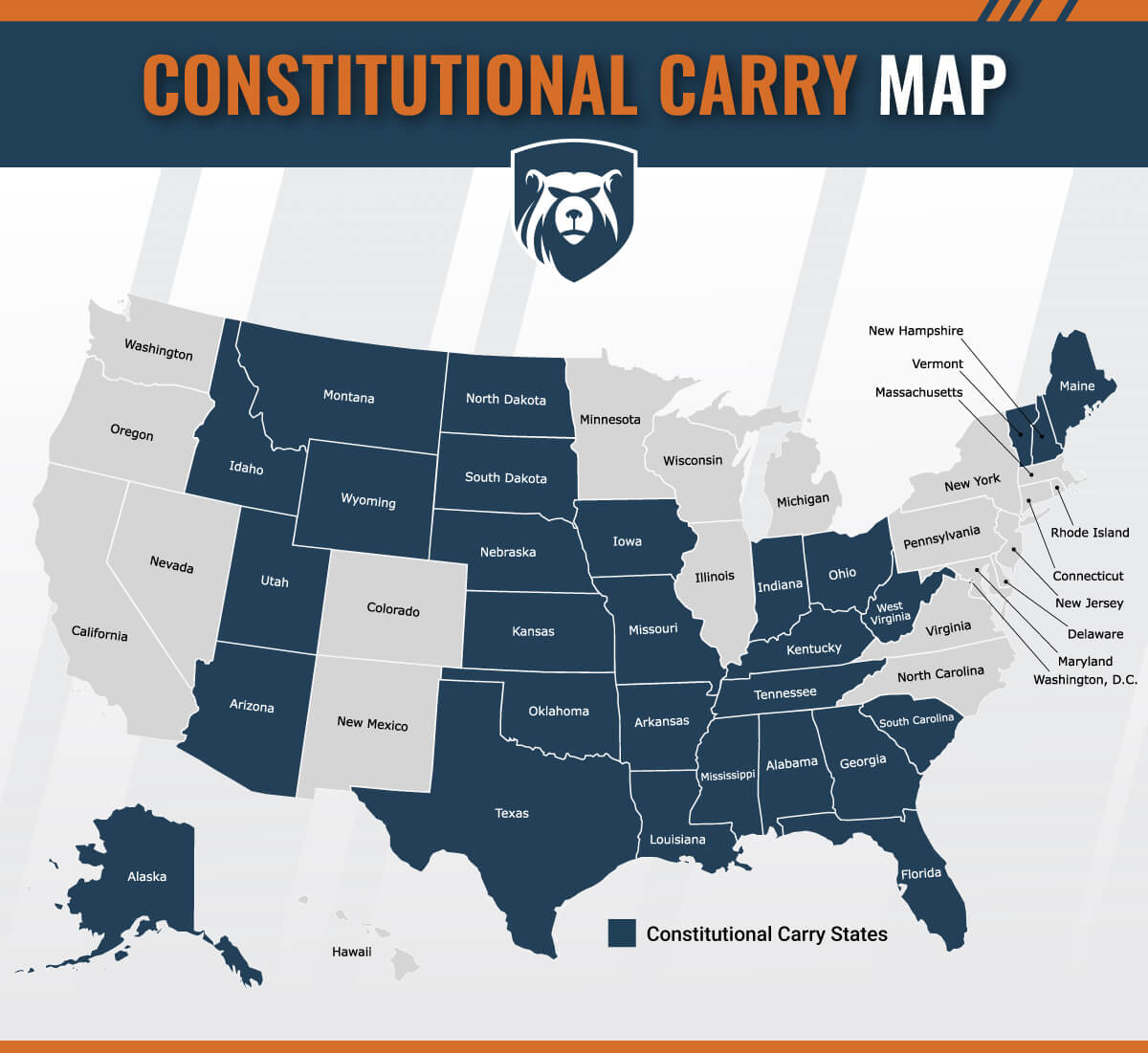
Several states present significant challenges for concealed carry permit holders traveling from out of state. New York, California, and Massachusetts are notoriously restrictive, recognizing permits from very few other states. These states often have strict permitting requirements and a preference for "may-issue" permitting, giving local authorities significant discretion in granting permits.
New Jersey also has limited reciprocity, recognizing only permits from a handful of states. Hawaii is another challenging state, with highly restrictive firearm laws and limited reciprocity agreements. Maryland, despite some recent changes, remains relatively restrictive, recognizing permits from only a select few states.
The reasons for these restrictions vary. Some states prioritize public safety and stricter gun control measures. Others may have concerns about the training standards or background check requirements in other states. It’s also often a political issue, reflecting differing views on the Second Amendment.
Reciprocity in these states can be particularly confusing. For example, some states may recognize a permit for residents but not for non-residents. Others may have specific restrictions on the types of firearms that can be carried. It’s crucial to thoroughly research the laws of these states before traveling with a firearm and to be prepared for potential legal challenges.
Nebraska's Reciprocity Rules: A Case Study
Nebraska provides a good example of how reciprocity works in practice. According to the Nebraska State Patrol (statepatrol.nebraska.gov), Nebraska has a clearly defined reciprocity policy. They recognize permits from states that meet certain criteria, including having comparable training requirements and background check procedures.
As of February 2026, Nebraska recognizes permits from 38 states. This includes permits from states like Arizona, Florida, Texas, and Utah. However, they do not recognize permits from states like California, New York, and Massachusetts. The Nebraska State Patrol maintains an updated list of recognized states on their website.
Nebraska's reciprocity policy also specifies certain requirements for permit holders from other states. For example, permit holders must be at least 21 years old and must not have any disqualifying convictions. They must also comply with all Nebraska laws regarding the carrying of firearms.
To research reciprocity for any state, start with the state’s official law enforcement agency website. Look for a section on concealed carry permits or reciprocity. Many states also provide online tools or maps showing which states they recognize. The Nebraska State Patrol’s website serves as a useful model for how this information is presented.
- Check the Nebraska State Patrol site for the current list of 38 recognized states.
- Ensure your permit meets Nebraska’s age and background check requirements.
- Familiarize yourself with Nebraska’s laws regarding firearm carry.
Permit Requirements: What You Need to Know
There are generally two types of concealed carry permits: resident and non-resident. Resident permits are for individuals who live in the state, while non-resident permits are for individuals who live elsewhere but want to carry a firearm in that state. The requirements for obtaining these permits can vary significantly.
Florida is a popular choice for non-residents seeking a permit due to its wide-ranging reciprocity. To obtain a Florida permit, applicants must generally be at least 21 years old, complete a firearms safety course, and pass a background check. Utah is another popular option, with relatively straightforward requirements.
Arizona also offers non-resident permits, but the requirements can be more stringent. The key distinction between "shall-issue’ and ‘may-issue’ states impacts the process. ‘Shall-issue’ states are legally obligated to issue a permit to anyone who meets the requirements. ‘May-issue" states give local authorities discretion to deny a permit even if the applicant meets the requirements.
No comments yet. Be the first to share your thoughts!