

Permitless Carry: A Rapid Expansion
Constitutional carry, or permitless carry, lets you carry a handgun openly or concealed without a state permit. It stems from the Second Amendment, asserting the right to bear arms shouldn't need government permission. This was once a fringe idea, championed by a small group of gun rights activists.
The past decade has seen a dramatic shift. More states are adopting permitless carry laws, driven by the belief that citizens should exercise their right to self-defense without bureaucratic hurdles. The movement gained momentum around 2015, and the pace has quickened since then, with 2023 and 2024 being particularly active years.
The debate over permitless carry pits individual liberty against public safety. Supporters argue permits infringe on the Second Amendment and don't deter criminals, who will get firearms illegally anyway. Opponents say permits ensure basic training and background checks, making communities safer. Both sides hold these beliefs strongly.
Federal legislation could standardize reciprocity. H.R.38, the Constitutional Concealed Carry Reciprocity Act of 2025, aims to let individuals with a valid concealed carry permit in one state carry in any other state that allows concealed carry. Its future is uncertain, but it's a significant effort to streamline gun laws nationwide.
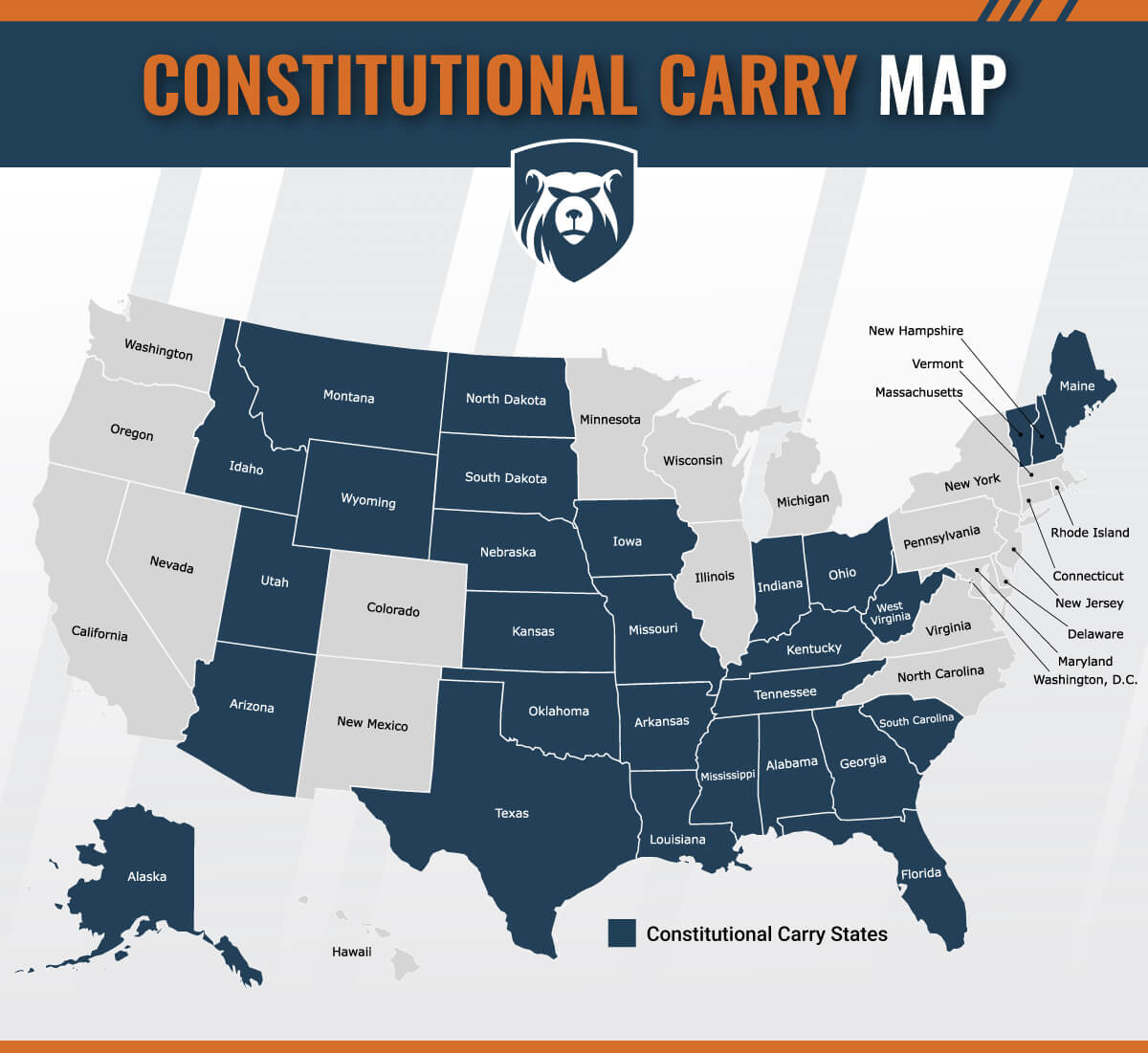
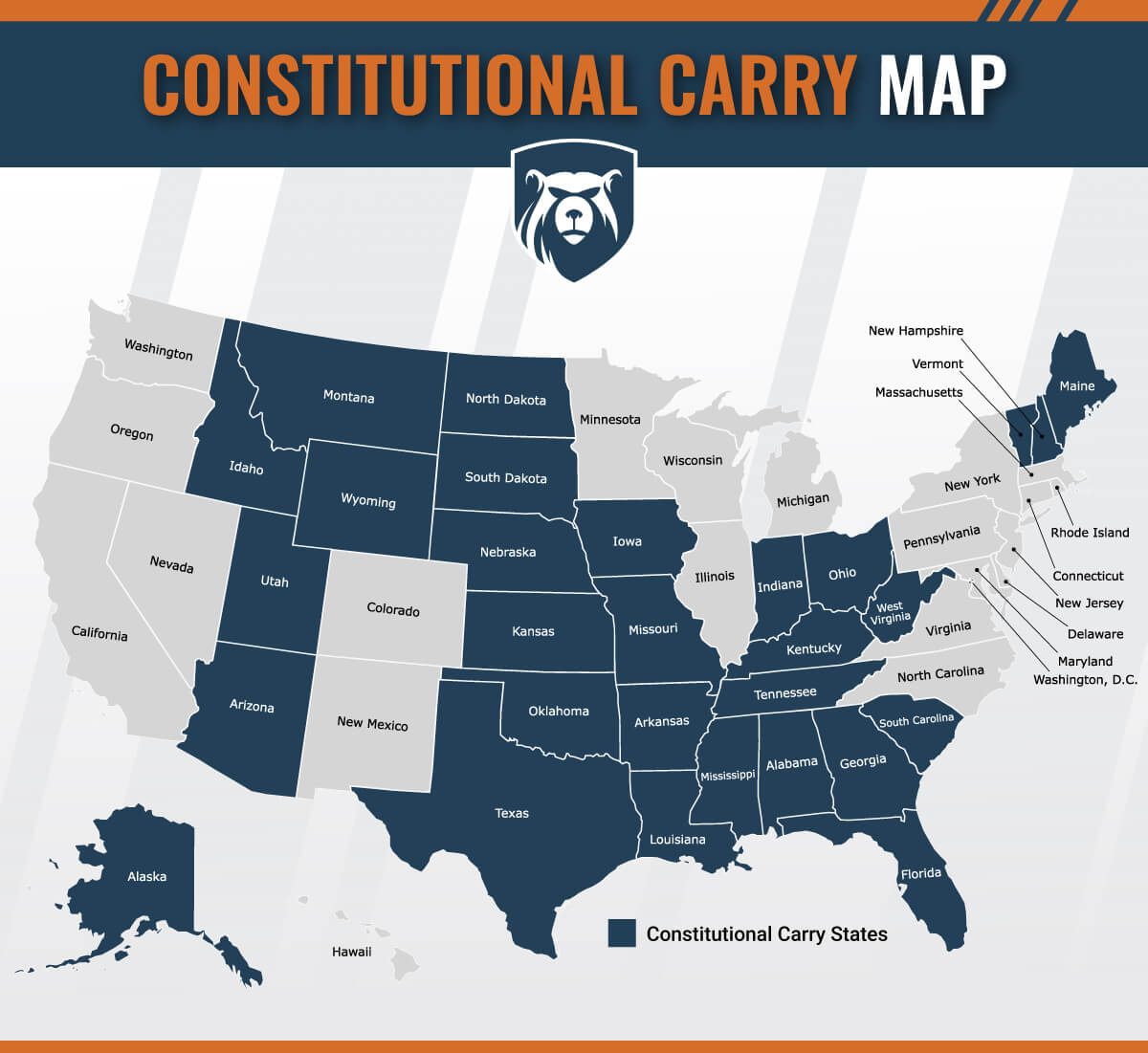
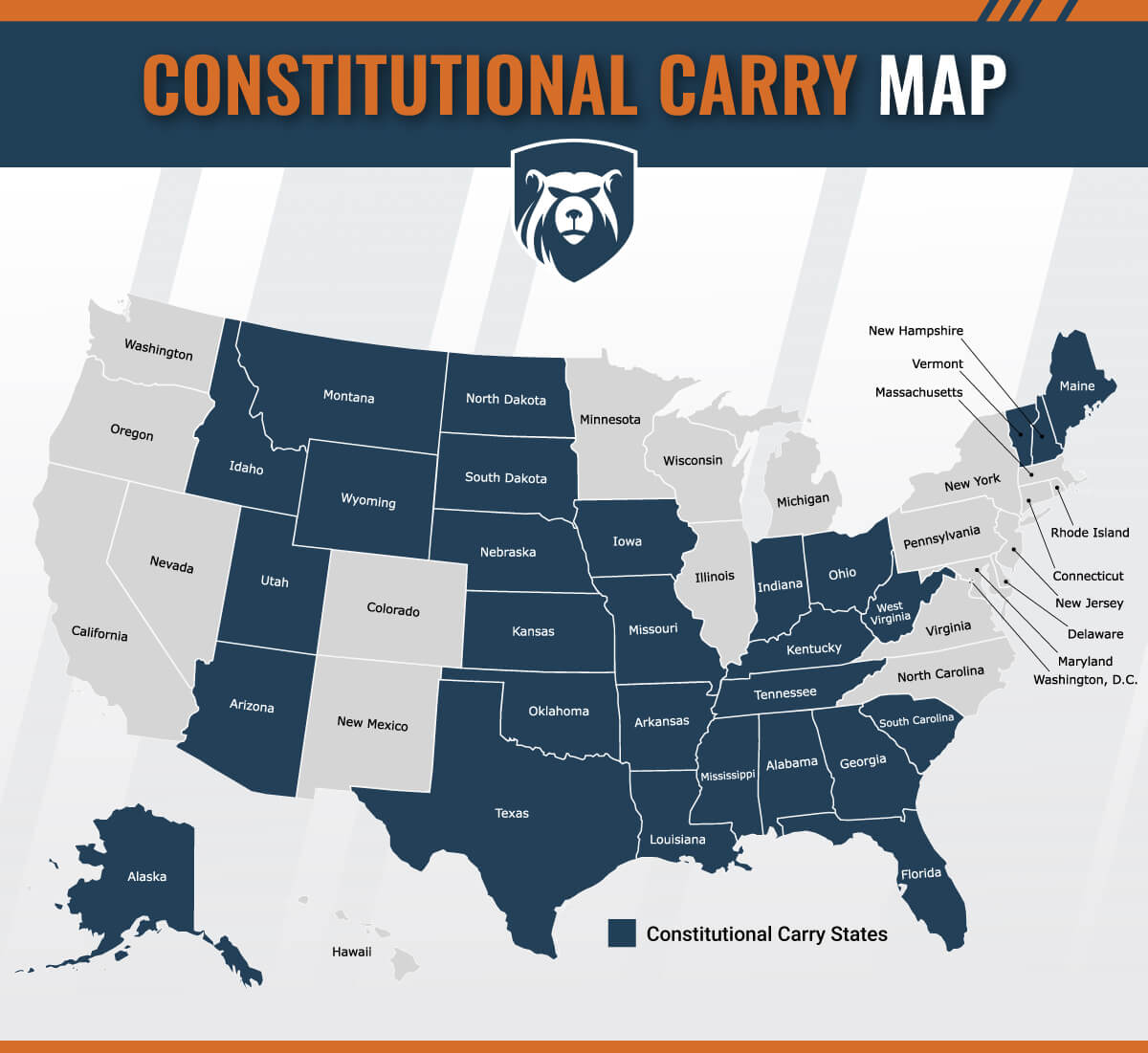
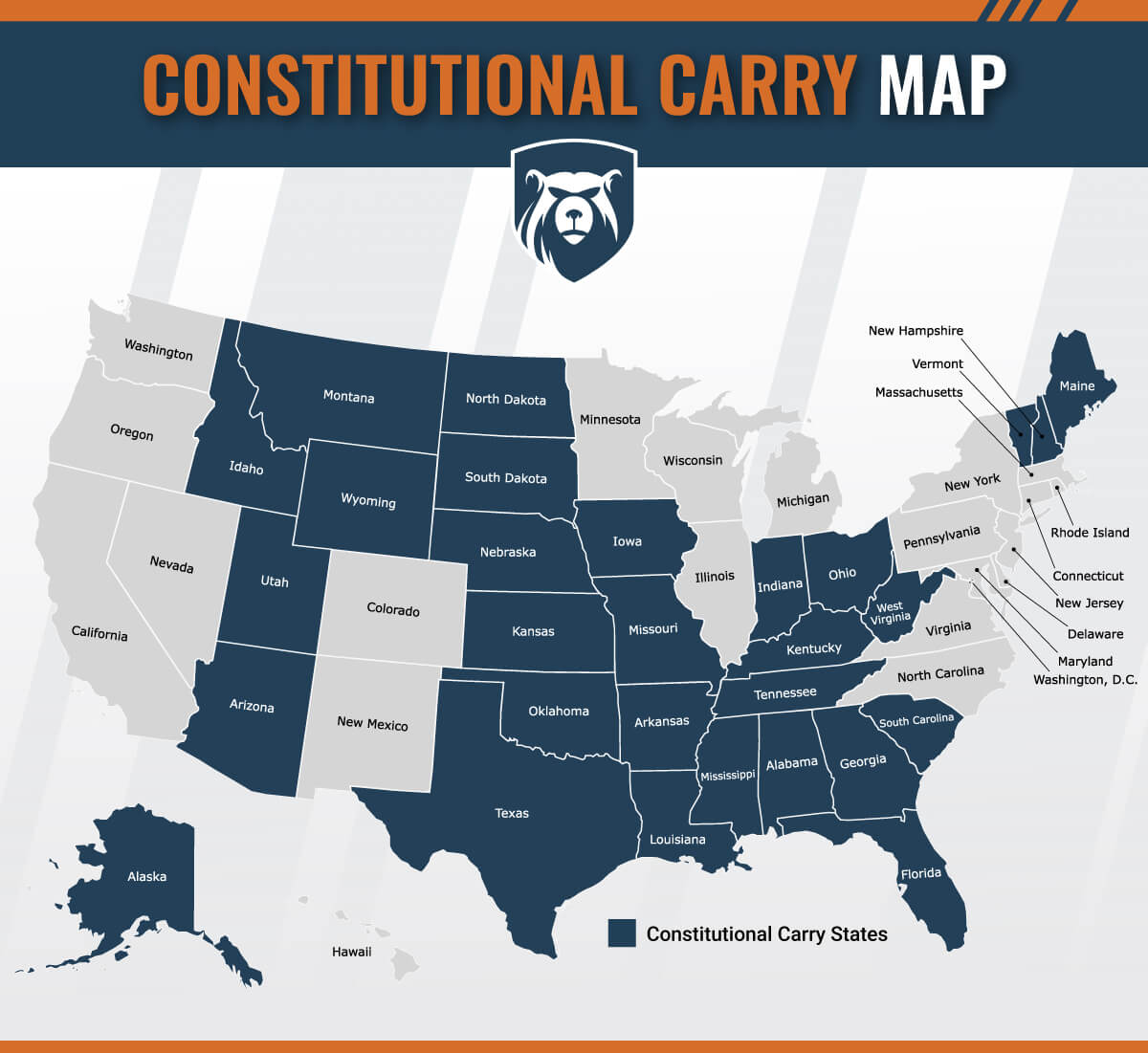
Current Constitutional Carry States (2024-2025)
As of early 2025, over half of the U.S. have adopted some form of constitutional carry. This number shifts, so staying current is critical. The specifics vary significantly by state. Some are truly 'permitless,' requiring no license for any law-abiding adult to carry a concealed handgun. Others have caveats.
Here’s a breakdown of states with constitutional carry as of February 2025: Alabama, Alaska, Arizona, Arkansas, Florida, Georgia, Idaho, Indiana, Iowa, Kansas, Kentucky, Louisiana, Mississippi, Missouri, Montana, Nebraska, New Hampshire, North Carolina, North Dakota, Ohio, Oklahoma, South Carolina, South Dakota, Tennessee, Texas, Vermont, Virginia, West Virginia, and Wyoming. This represents a substantial change from just a few years ago.
However, 'permitless' doesn’t always mean unrestricted. For example, in Texas, while a permit isn’t required to carry, individuals are still subject to the same laws regarding prohibited persons – convicted felons, those with domestic violence restraining orders, and individuals with certain mental health conditions are still prohibited from possessing a handgun. Florida also recently expanded permitless carry, but with some stipulations regarding training requirements for certain individuals.
Recent changes are also important to note. Ohio enacted permitless carry in 2022, and Virginia followed in 2023. These laws are relatively new, and their impact is still being assessed. It’s essential to consult the latest information from state government websites or legal resources to understand the precise details of the law in each state. The USCCA website is a good starting point for this.
- Alabama
- Alaska
- Arizona
- Arkansas
- Florida
- Georgia
- Idaho
- Indiana
- Iowa
- Kansas
- Kentucky
- Louisiana
- Mississippi
- Missouri
- Montana
- Nebraska
- New Hampshire
- North Carolina
- North Dakota
- Ohio
- Oklahoma
- South Carolina
- South Dakota
- Tennessee
- Texas
- Vermont
- Virginia
- West Virginia
- Wyoming
Constitutional Carry States (as of November 2023)
| State | Year Law Enacted | Open Carry Allowed? | Concealed Carry Allowed? | Exceptions | Reciprocity Agreements (approximate) |
|---|---|---|---|---|---|
| Alabama | 2022 | Yes | Yes | Certain individuals convicted of felonies or domestic violence are prohibited. | With the potential passage of H.R.38, reciprocity could expand significantly. |
| Alaska | 1996 | Yes | Yes | Federal buildings and schools are generally prohibited. | Many, due to broad recognition of rights. |
| Arizona | 2010 | Yes | Yes | Restrictions apply in certain locations like schools and government buildings. | Numerous, due to permitless carry status. |
| Arkansas | 2021 | Yes | Yes | Individuals with certain misdemeanor convictions may be restricted. | Expanding, with potential federal legislation. |
| Florida | 2023 | Yes | Yes | Requires age 21 or older for concealed carry; certain locations prohibited. | Many, with potential for increased agreements. |
| Georgia | 2022 | Yes | Yes | Restrictions apply for individuals with certain mental health adjudications. | Growing, with potential federal impact. |
| Indiana | 2022 | Yes | Yes | Certain violent offenders are prohibited. | Increasing, due to permitless carry status. |
| Iowa | 2021 | Yes | Yes | Restrictions apply for those convicted of domestic abuse. | Expanding, with potential federal legislation. |
Illustrative comparison based on the article research brief. Verify current pricing, limits, and product details in the official docs before relying on it.
States Approaching Permitless Carry
Several states are currently considering legislation to join the ranks of constitutional carry states. The political landscape in these states varies, impacting the likelihood of success. Pennsylvania, for instance, has seen repeated attempts to pass permitless carry legislation, but has faced strong opposition from the governor and some lawmakers.
In Michigan, there’s growing momentum for permitless carry, fueled by a change in the state’s political leadership. Bills have been introduced in the legislature, and there’s a realistic chance of passage in the near future. New Mexico is another state to watch. While traditionally a blue state, there’s a growing grassroots movement advocating for constitutional carry, and some lawmakers are beginning to support the idea.
Maine is also seeing increased discussion around permitless carry. While the state already has relatively lax gun laws, advocates are pushing for complete permitless carry. The bills currently under consideration are facing opposition from some law enforcement groups who argue that permits provide a valuable tool for background checks.
It’s important to remember that the legislative process is unpredictable. Even in states where there’s strong support for permitless carry, bills can stall in committee or be amended in ways that weaken their impact. Tracking these bills closely and contacting your state representatives is the best way to stay informed and make your voice heard.
Common Restrictions & Exceptions
Even in states with constitutional carry, it’s crucial to understand that 'permitless' doesn't mean 'unrestricted.' There are nearly always exceptions and restrictions in place. These are designed to prevent certain individuals from carrying firearms and to regulate where firearms can be carried.
One common restriction is the prohibition of carrying for individuals with felony convictions. Most states prohibit anyone convicted of a felony from possessing a firearm, regardless of whether a permit is required. Similarly, individuals with domestic violence restraining orders are typically prohibited from carrying. This is a widespread restriction designed to protect victims of abuse.
Mental health restrictions are also common. Many states prohibit individuals who have been involuntarily committed to a mental institution or who have been deemed mentally incompetent from possessing a firearm. The specifics of these restrictions vary, but they generally aim to prevent individuals who pose a danger to themselves or others from having access to guns.
Restrictions on where you can carry are also prevalent. Schools, government buildings, and courthouses are often off-limits, even in constitutional carry states. Some states also prohibit carrying in bars or establishments that serve alcohol. Understanding these restrictions is essential to avoid legal trouble.
- Felony convictions
- Domestic violence restraining orders
- Mental health restrictions
- Restrictions on carrying in schools, government buildings, and courthouses
Reciprocity and Traveling with a Firearm
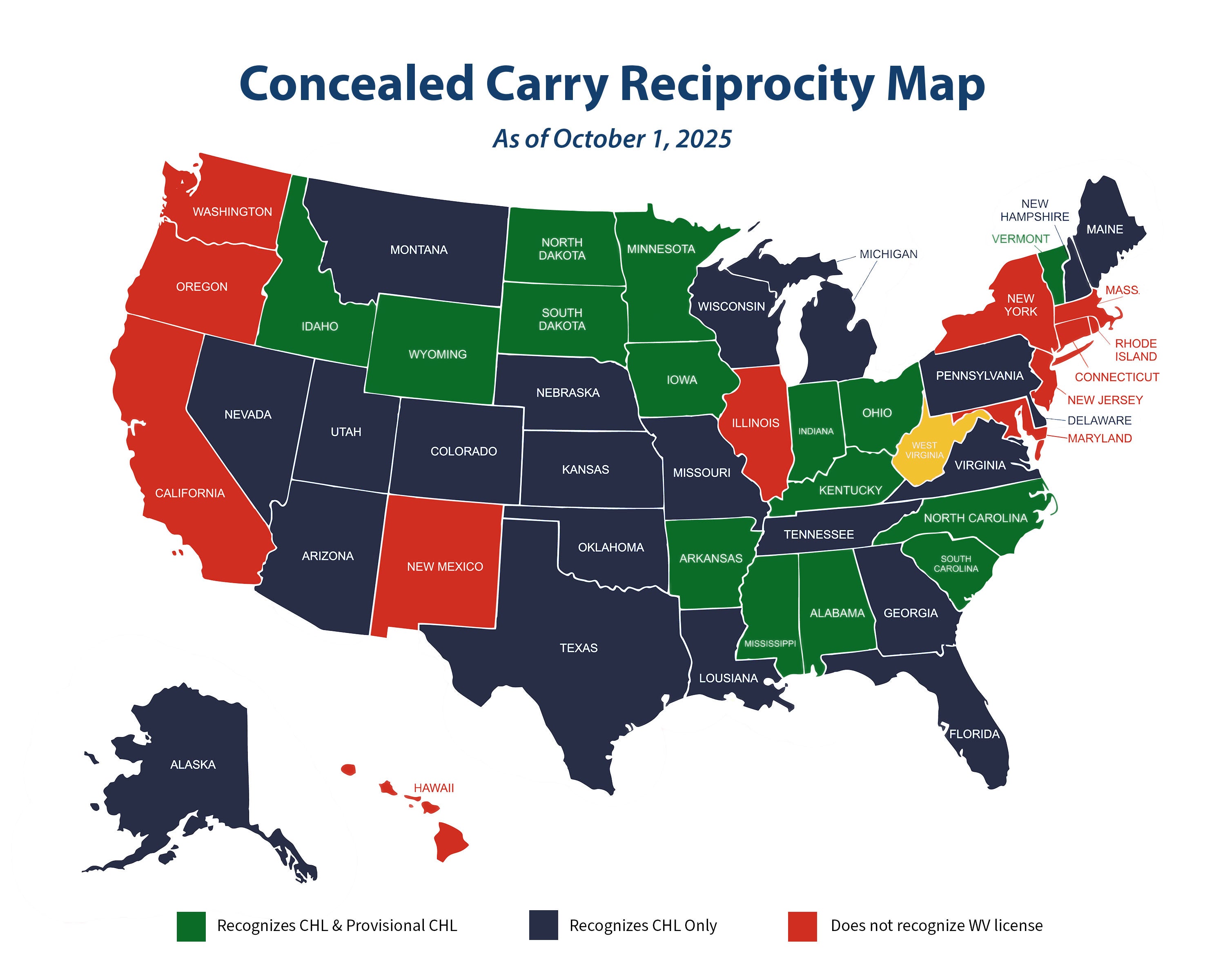
Constitutional carry significantly complicates the issue of reciprocity between states. Because federal law doesn't mandate that states recognize each other’s carry permits (or lack thereof), it creates a patchwork system. A permit issued in one state may not be valid in another, even if that other state allows concealed carry.
This is where things get tricky for travelers. Even if you reside in a constitutional carry state, you may encounter problems when traveling to a state that still requires a permit. Some states may recognize your right to carry simply because you’re a law-abiding adult, while others may consider you to be carrying illegally. It’s a legal gray area.
The US Concealed Carry Association (USCCA) provides excellent resources for understanding reciprocity laws. Their website and app offer up-to-date information on which states recognize permits from other states, and they also provide guidance on traveling with firearms. I strongly recommend checking their resources before traveling with a firearm across state lines.
It’s also important to be aware of federal regulations regarding transporting firearms across state lines. Generally, firearms must be transported unloaded and in a locked container. Violating these regulations can result in serious criminal penalties. This is a complex area, and it’s always best to err on the side of caution.
The Federal Role: H.R.38 and Beyond
Federal legislation, such as H.R.38, the Constitutional Concealed Carry Reciprocity Act of 2025, has the potential to dramatically alter the landscape of gun laws in the United States. This bill proposes to allow individuals with a valid concealed carry permit in one state to carry in any other state that permits concealed carry.
The bill aims to create a national standard for concealed carry, eliminating the current patchwork system of state laws. Supporters argue that this would simplify things for law-abiding gun owners and allow them to travel freely without fear of violating state laws. Opponents, however, raise concerns about the potential for lowering safety standards.
The chances of H.R.38 passing are uncertain. It faces significant opposition from Democrats and some moderate Republicans. The bill’s fate will likely depend on the outcome of the 2024 elections and the political climate in Washington. It’s a highly contentious issue, and its future is far from guaranteed.
Even if H.R.38 doesn't pass, the debate over federal gun legislation is likely to continue. The issue of gun control is deeply divisive, and both sides are committed to fighting for their respective positions. The federal government’s role in regulating firearms will remain a subject of intense debate for years to come.
Legal Challenges and Court Cases
Constitutional carry laws have faced numerous legal challenges since their adoption. These challenges typically center around arguments that the laws violate federal regulations or infringe on the rights of states to regulate firearms within their borders. Several cases are currently working their way through the court system.
One recent case in New York challenged the state’s restrictions on carrying firearms in sensitive locations, arguing that these restrictions violated the Second Amendment. The case is still pending, but it could have significant implications for constitutional carry laws across the country. Similar cases are being brought in other states as well.
Another area of legal challenge involves the issue of preemption. Some states argue that federal law preempts state laws that restrict the right to bear arms. These arguments are based on the Supremacy Clause of the Constitution, which states that federal law is supreme to state law when there is a conflict.
The outcomes of these cases are uncertain. Courts are often divided on issues related to gun control, and the legal landscape is constantly evolving. It’s essential to stay informed about these cases and their potential impact on your rights as a gun owner. Following legal news sources and consulting with a qualified attorney is recommended.
Resources for Further Research
Staying informed about gun laws is crucial for responsible gun ownership. There are numerous reliable resources available to help you understand the laws in your state and across the country. The US Concealed Carry Association (USCCA) website () is an excellent starting point for reciprocity information and legal updates.
State government websites are also valuable resources. Most states have websites dedicated to firearms laws, which provide detailed information about permits, restrictions, and other relevant regulations. You can typically find these websites by searching online for “[your state] firearms laws.”
Organizations like the National Rifle Association (NRA) and the Gun Owners of America (GOA) also provide information and advocacy on gun rights issues. These organizations often publish updates on legislative developments and legal challenges. Remember to evaluate information from any source critically.
Finally, consulting with a qualified attorney specializing in firearms law is always a good idea. An attorney can provide personalized advice based on your specific situation and ensure that you are in compliance with all applicable laws.
- US Concealed Carry Association:
- State government websites (search “[your state] firearms laws”)
- National Rifle Association (NRA)
- Gun Owners of America (GOA)
Relevant Resources
- National Rifle Association (NRA) - Provides legislative updates and state-level information on firearms laws, including constitutional carry.
- Giffords Law Center - Offers detailed summaries of gun laws by state, including permit requirements and concealed carry regulations.
- Everytown for Gun Safety - A resource for understanding gun violence prevention efforts and state gun laws, including constitutional carry.
- State Attorney General Websites - Each state’s Attorney General office typically publishes information on state laws, including firearms regulations.
- State Legislature Websites - Official source for the text of state laws regarding firearms and concealed carry.
- U.S. Law Shield - Provides legal defense for gun owners and offers resources on state gun laws. (Subscription based service)
- National Conference of State Legislatures (NCSL) - Offers nonpartisan information about state legislative actions, including those related to firearms.
No comments yet. Be the first to share your thoughts!