

The shift toward permitless carry
State laws on carrying handguns are changing fast. Over the last ten years, more than half the country has moved toward permitless carry, allowing people to carry concealed weapons without a state-issued license.
The terms "constitutional carry’ and ‘permitless carry’ are often used interchangeably, though some argue about subtle differences. Generally, they both refer to the ability to carry a handgun – either openly or concealed – without a permit. The core idea is that the Second Amendment already grants the right to bear arms, and therefore a permit isn’t a valid requirement. It"s a debate rooted in interpretations of the law, and it's playing out in state legislatures across the country.
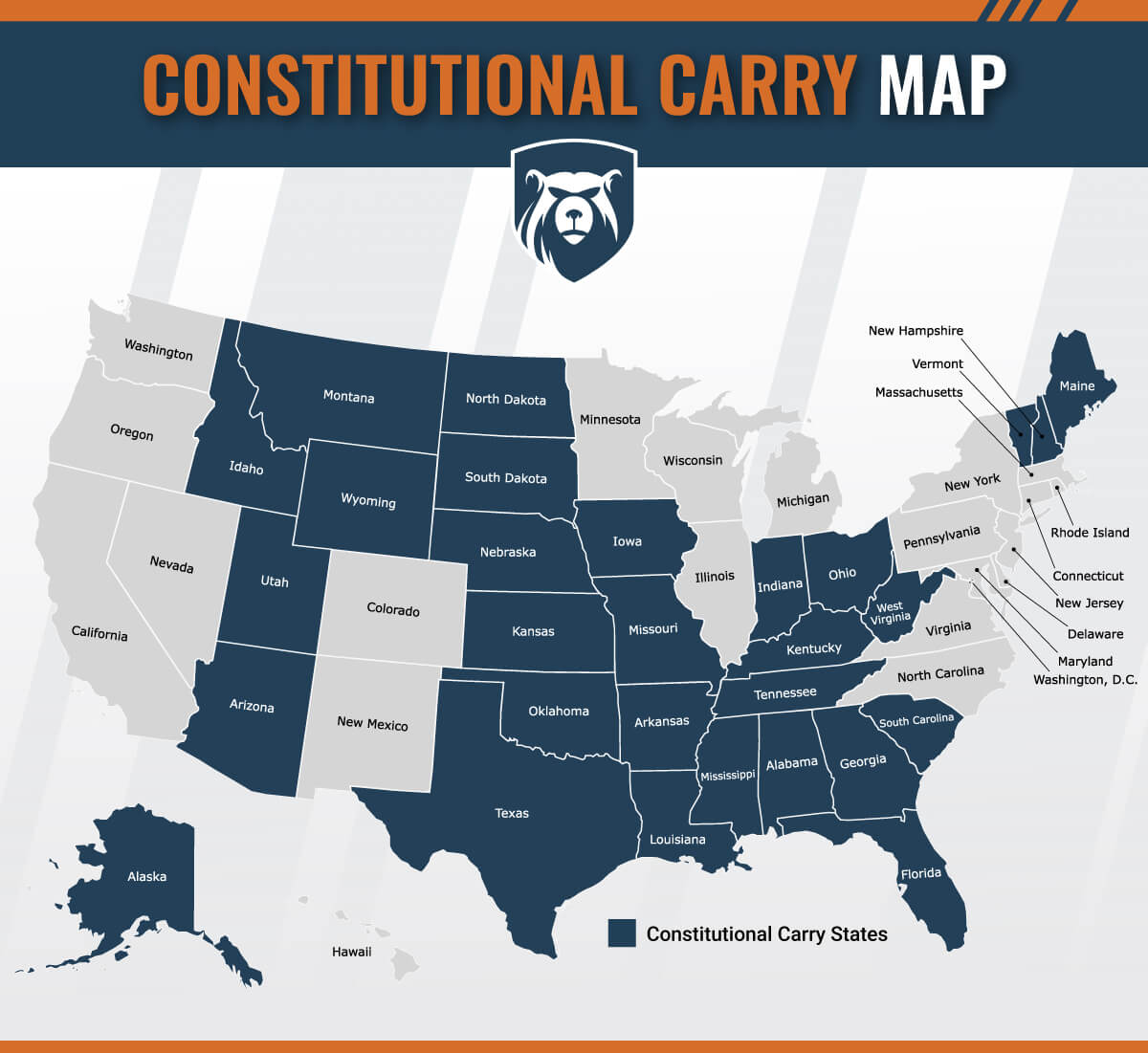
As of early 2025, over 28 states have adopted some form of permitless carry. This number is likely to grow. Several states are currently considering legislation to join their ranks, and there’s even a federal bill – H.R.38 – that could dramatically alter the situation. This isn’t a static situation; the map of gun laws is being redrawn constantly. Staying informed is absolutely essential for anyone who carries, or is considering it.
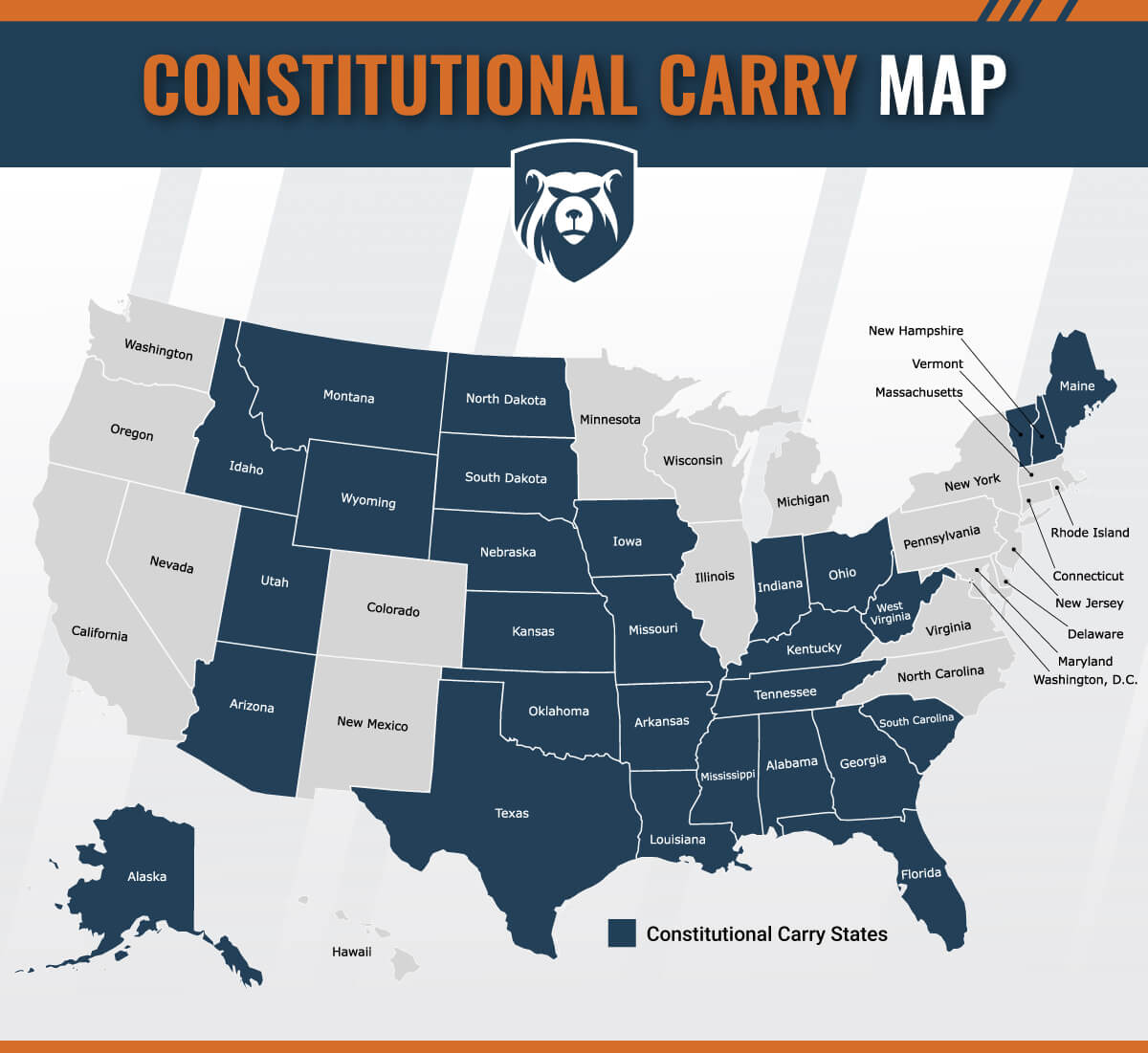
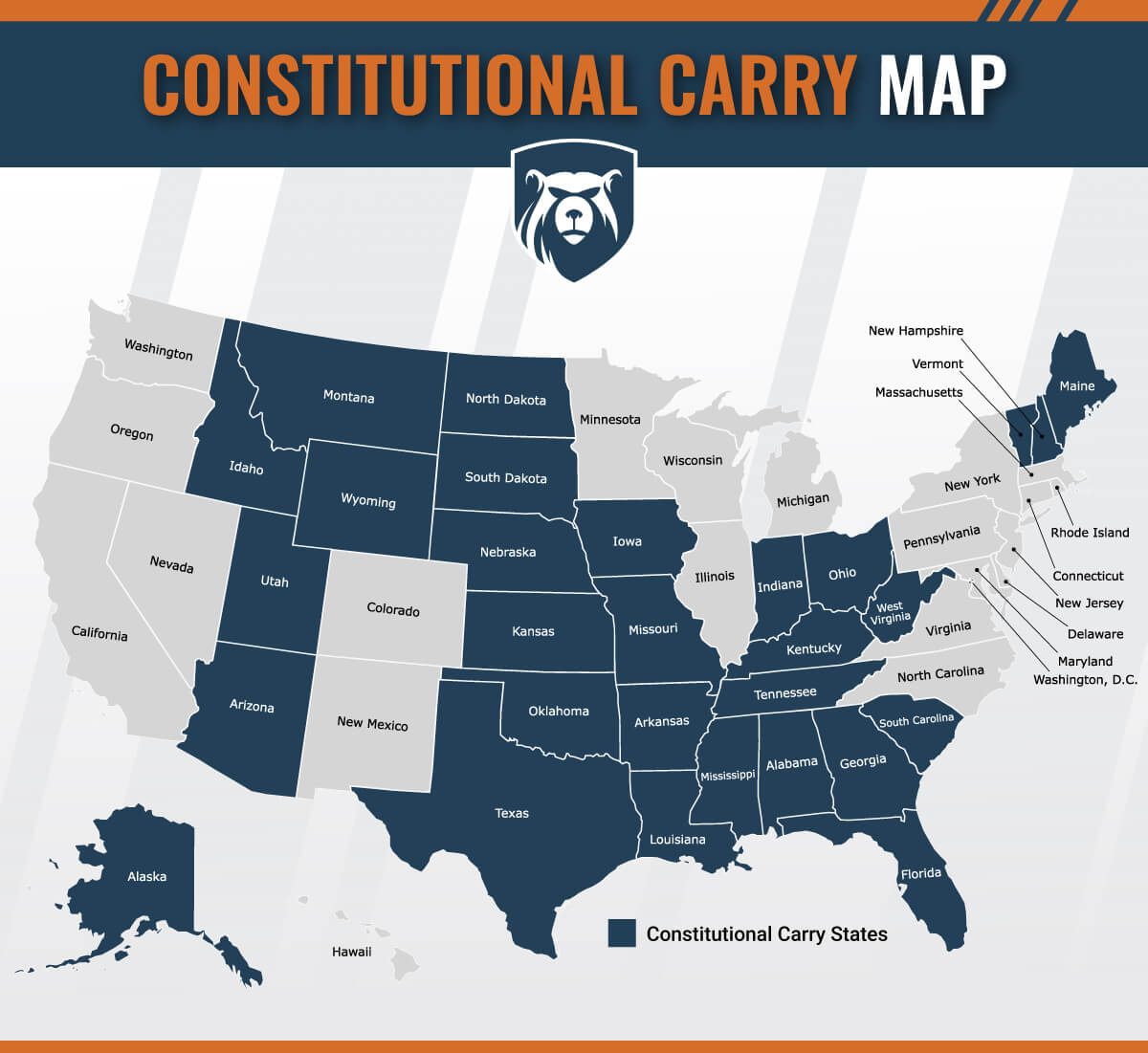
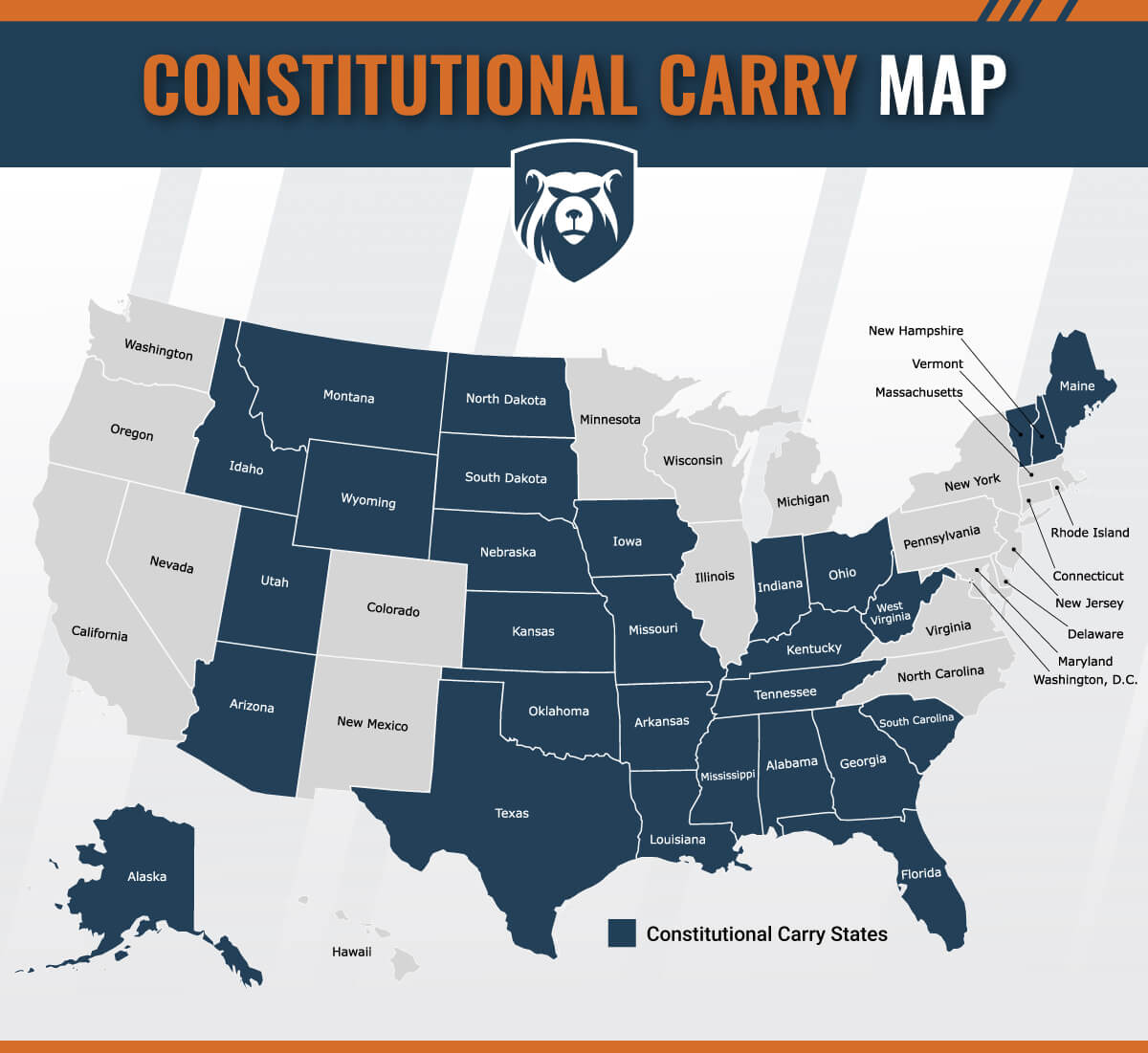
States with permitless carry laws
As of 2025, 29 states have permitless carry laws. Even in these states, you can't carry everywhere, and certain people remain prohibited from owning firearms. Check local statutes before you cross state lines.
Alabama: Adopted constitutional carry in 2022. Individuals 21 and older can carry a concealed handgun without a permit, but those with felony convictions are prohibited. Alaska: Has allowed permitless carry since the 1960s, making it a long-standing practice. Arizona: Permitless carry became law in 2010, with specific restrictions on where firearms are allowed.
Arkansas: Enacted permitless carry in 2021. Individuals must be at least 21 years old. Colorado: While requiring background checks for purchases, Colorado allows concealed carry without a permit for those 21 and over. Florida: Permitless carry went into effect July 1, 2023, removing the licensing requirement. Georgia: Adopted permitless carry in 2021, but requires individuals to have a valid government-issued ID.
Idaho: Has allowed permitless carry for several years, with certain restrictions. Indiana: Became a permitless carry state in 2022, expanding Second Amendment rights. Iowa: Permitless carry was enacted in 2021, allowing eligible individuals to carry without a license. Kansas: Allows those 21 and older to carry concealed without a permit.
Kentucky: Became a constitutional carry state in 2022, removing the permit requirement for eligible individuals. Louisiana: Adopted permitless carry in 2021, expanding the right to carry for law-abiding citizens. Mississippi: Has permitted permitless carry since 2019. Missouri: Allows concealed carry without a permit for those 21 and older.
Montana: Has a long history of permissive gun laws, including permitless carry. Nebraska: Became a permitless carry state in 2023. New Hampshire: Allows open and concealed carry without a permit. North Carolina: Adopted permitless carry in 2023, expanding Second Amendment rights.
North Dakota: Has allowed permitless carry for some time. Ohio: Became a permitless carry state in 2022. Oklahoma: Adopted permitless carry in 2019. South Carolina: Allows concealed carry without a permit for those 21 and over.
South Dakota: Has permitted permitless carry for several years. Tennessee: Became a permitless carry state in 2022. Texas: Has had permitless carry since 2021. Utah: Has allowed concealed carry without a permit for a long time. Vermont: Has always allowed open and concealed carry without a permit.
West Virginia: Adopted permitless carry in 2018. Wyoming: Has allowed permitless carry for quite a while. Florida: As of July 1, 2023, Florida joined the ranks of states allowing permitless carry, removing the licensing requirement for lawful citizens.
- It's vital to remember that these laws are subject to change.
- Always verify the current laws before carrying in any state.
Constitutional Carry States (as of Early 2025)
| State | Date Law Enacted | Brief Summary of Key Provisions | Notable Restrictions |
|---|---|---|---|
| Alabama | March 1, 2022 | Allows individuals 21 and over to carry a concealed handgun without a permit. Background checks are still required for firearm purchases. | Individuals convicted of a felony or certain domestic violence offenses are prohibited. |
| Alaska | August 8, 2003 (Strengthened in 2023) | Alaska has long recognized a right to bear arms; recent legislation clarified permitless carry and removed residency requirements for carrying. | Still prohibits carrying in certain federal buildings and schools. |
| Arizona | April 23, 2019 | Permitless carry is allowed for individuals 21 and over who are legally allowed to possess a firearm. | Prohibits carrying on school grounds and in some government buildings. |
| Arkansas | April 27, 2021 | Individuals 21 and over can carry concealed or open carry without a permit. The law eliminates the requirement for training. | Individuals with felony convictions and those subject to domestic violence restraining orders are prohibited. |
| Florida | April 1, 2023 | Allows individuals 21 and over to carry a concealed handgun without a permit, provided they meet existing eligibility requirements for firearm ownership. | Still maintains restrictions regarding carrying on school property and in certain government meetings. |
| Georgia | July 1, 2022 | Permitless carry is allowed for those 21 and over who can legally possess a firearm. A Weapons Carry License is still available for reciprocity with other states. | Individuals with certain misdemeanor convictions may be restricted. |
| Indiana | July 1, 2022 | Eliminated the handgun permit requirement for most law-abiding adults. Individuals must still meet federal requirements to own a firearm. | Restrictions apply to carrying on school grounds and in certain government facilities. |
| Iowa | April 10, 2021 | Permitless carry is authorized for individuals 21 and over who have not been convicted of a felony. | Prohibits carrying in certain locations, including courthouses and polling places. |
Illustrative comparison based on the article research brief. Verify current pricing, limits, and product details in the official docs before relying on it.
States considering new legislation
Several states are actively considering legislation to join the growing list of constitutional carry states. The situation is fluid, and predicting outcomes is difficult, but here’s a snapshot as of early 2025.
Minnesota: Legislation has been introduced to allow permitless carry, but faces strong opposition from gun control advocates. It's currently stalled in committee, and its chances of passage this year are uncertain. New Mexico: A bill to allow permitless carry was introduced but has faced significant hurdles. The Governor is likely to veto any such legislation.
Michigan: While previously unlikely, the changing political landscape has increased the possibility of permitless carry legislation being considered. Several bills have been proposed, but their fate is uncertain. Pennsylvania: There's ongoing debate about permitless carry, with bills introduced in both the House and Senate. The Governor’s position is a key factor. Passage feels possible, but not guaranteed.
Wisconsin: A bill to allow permitless carry has been introduced, but faces opposition from Democrats. The outcome will likely depend on the results of upcoming elections. Maine: While generally pro-gun, Maine has been hesitant to embrace permitless carry fully. There's some discussion of amending existing laws, but a full shift seems unlikely in the near term.
Federal reciprocity and H.R. 38
The Constitutional Concealed Carry Reciprocity Act of 2025 (H.R.38), currently in Congress, proposes a significant change to how concealed carry is regulated across state lines. Essentially, the bill would require all states to recognize concealed carry permits (or licenses) issued by any other state. This means if you have a permit from State A, you could legally carry in State B, even if State B doesn’t have a permitting system of its own.
For states that already have constitutional carry, H.R.38 would likely have a less direct impact. Those states already allow carry without a permit for their residents. However, the bill would ensure that residents of other states with permits are also allowed to carry within their borders. It’s a matter of standardizing recognition, rather than imposing a new requirement.
The arguments in favor of H.R.38 center on the idea of protecting Second Amendment rights for travelers. Supporters argue that law-abiding citizens shouldn't lose their right to self-defense simply by crossing state lines. Opponents, however, raise concerns about public safety. They argue that allowing individuals with varying levels of training and qualifications to carry in different states could increase the risk of gun violence. The bill is currently facing significant debate in Congress.
- H.R.38 would require states to recognize concealed carry permits from other states.
- It could streamline the process for individuals carrying firearms across state lines.
- It remains a controversial bill with strong opinions on both sides.
Understanding Reciprocity Agreements
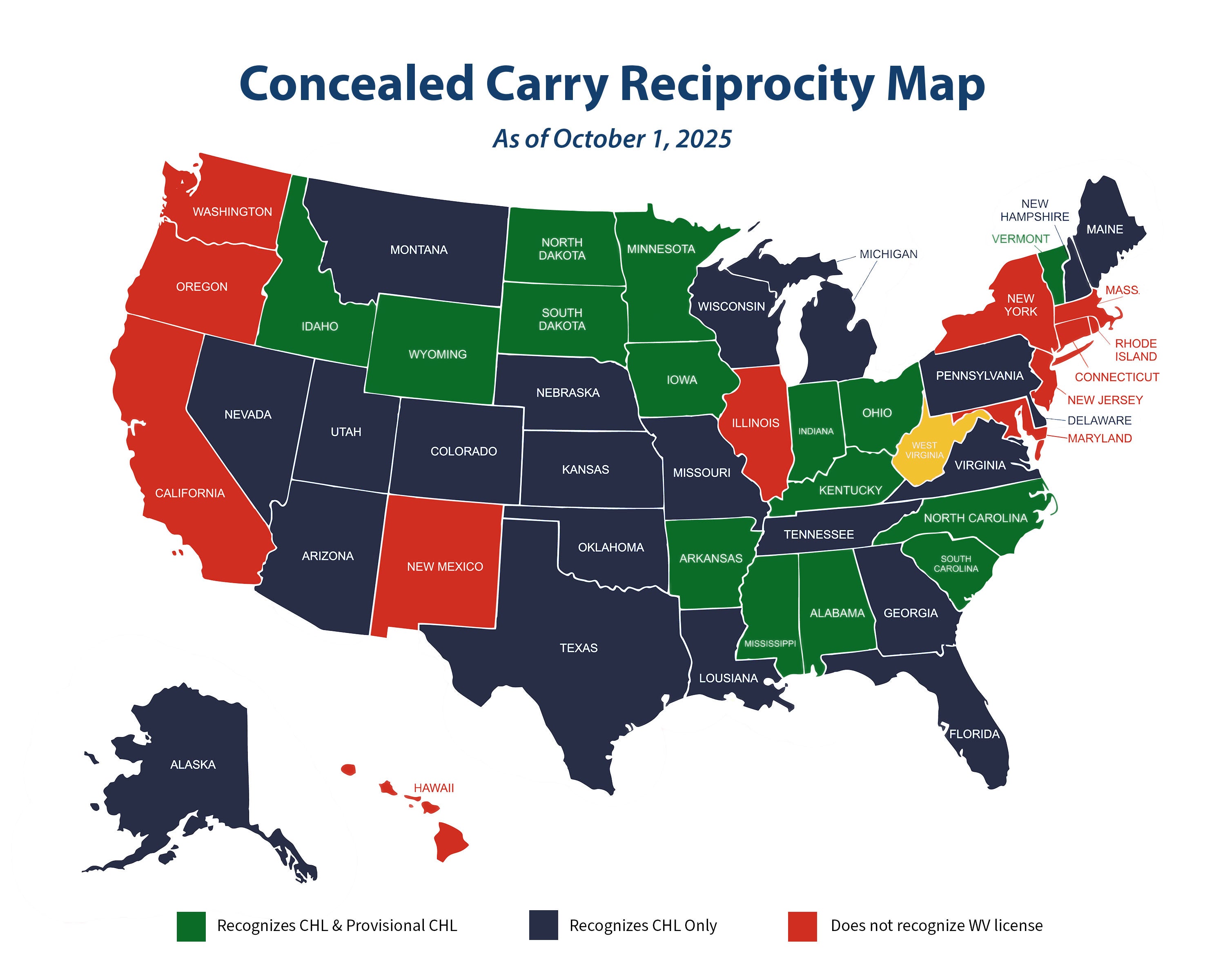
Even as more states adopt constitutional carry, reciprocity agreements still matter – particularly if you plan to travel. Reciprocity refers to agreements between states where they recognize each other’s concealed carry permits. This means that if your state has a reciprocity agreement with another state, you can legally carry a concealed handgun in that state, even if you don't have a permit issued by that state.
The USCCA (United States Concealed Carry Association) provides a useful reciprocity map on their website (usconcealedcarry.com). This map visually shows which states have reciprocity agreements with each other. However, it’s crucially important to understand that reciprocity isn’t always guaranteed. Laws change frequently, and the USCCA map, while generally accurate, isn’t a substitute for verifying the current laws yourself.
Reciprocity can be complex. Some states have full reciprocity, meaning they recognize all permits from other states. Others have limited reciprocity, only recognizing permits from certain states. And some states don’t have any reciprocity agreements at all. It’s your responsibility to know the laws of any state you plan to travel to, even if you have a permit from your home state.
Common Restrictions in Permitless Carry States
Despite the move towards permitless carry, it’s essential to understand that carry is rarely completely unrestricted. All states with permitless carry laws still have limitations on who can carry and where they can carry. These restrictions are designed to balance Second Amendment rights with public safety concerns.
Prohibited Persons: Generally, individuals convicted of felonies, those with domestic violence restraining orders, and those adjudicated mentally incompetent are prohibited from carrying a handgun, even in a permitless carry state. These prohibitions are fairly consistent across states. Prohibited Places: Certain locations are almost always off-limits, regardless of whether a permit is required. These typically include schools, government buildings, courthouses, and places where alcohol is served.
Specific Requirements: Some states may have specific requirements for carrying, even without a permit. For example, some states require individuals to openly carry, while others allow concealed carry. Some states also require individuals to inform law enforcement officers that they are carrying a handgun during a traffic stop. Duty to Inform: A growing number of states are adding a 'duty to inform' requirement, meaning you must verbally tell an officer you are carrying if you are stopped.
Brandishing: It’s important to note that even in a permitless carry state, brandishing a weapon – displaying it in a threatening manner – is almost always illegal. This is true regardless of whether you have a permit or not. Understanding these common restrictions is critical for avoiding legal trouble.
- Always check the specific laws of the state you are in.
- Be aware of prohibited persons and prohibited places.
- Understand any specific requirements for carrying.
Resources
- National Rifle Association (NRA) - A gun rights advocacy organization providing information on firearms law and legislation.
- Gun Owners of America (GOA) - Another gun rights advocacy group focused on strict adherence to the Second Amendment.
- National Conference of State Legislatures (NCSL) - A bipartisan organization providing research and tracking of state legislation, including gun laws.
- Giffords Law Center - A gun violence prevention organization providing analysis of gun laws and advocacy for stricter regulations.
- Everytown for Gun Safety - An organization advocating for gun safety measures and providing research on gun violence.
- Bureau of Alcohol, Tobacco, Firearms and Explosives (ATF) - The federal agency responsible for regulating firearms and explosives.
- State Attorney General Websites - Official websites for each state’s Attorney General often provide summaries of state gun laws.
No comments yet. Be the first to share your thoughts!