

Defining 'Assault Weapon' Today
The term "assault weapon’ is surprisingly difficult to pin down. It’s a political term as much as a legal one, and definitions vary wildly. Generally, it refers to semi-automatic firearms with military-style features. These features often include detachable magazines, pistol grips, flash suppressors, and adjustable stocks. But the presence of these features doesn’t automatically make a firearm an ‘assault weapon" – it depends on the specific laws in a given state or, potentially, at the federal level.
The debate centers around whether these features contribute to a firearm’s lethality or whether they are merely cosmetic. Opponents of bans argue that the features don’t significantly alter the weapon’s function and that the term is used to scare people. Supporters maintain that these features make the weapons more dangerous and more attractive to those intending to commit violence. It’s a deeply divisive issue with strong opinions on both sides.
The history of assault weapon bans in the United States is marked by cycles of legislation and repeal. The most significant attempt was the 1994 Federal Assault Weapons Ban, which prohibited the manufacture for civilian sale of certain semi-automatic firearms and large-capacity magazines. That ban expired in 2004, and efforts to reinstate it have repeatedly failed. The current push for a new federal ban, H.R.3115, represents the latest attempt to regulate these firearms.
It’s important to understand that the definition of "assault weapon" is not based on whether a firearm is fully automatic. Fully automatic weapons have been heavily regulated since 1934 with the National Firearms Act. Assault weapon bans focus on semi-automatic firearms – weapons that fire one round with each pull of the trigger – but that share certain characteristics with military-style rifles. This distinction is often lost in public discussion, leading to confusion about what exactly is being banned.
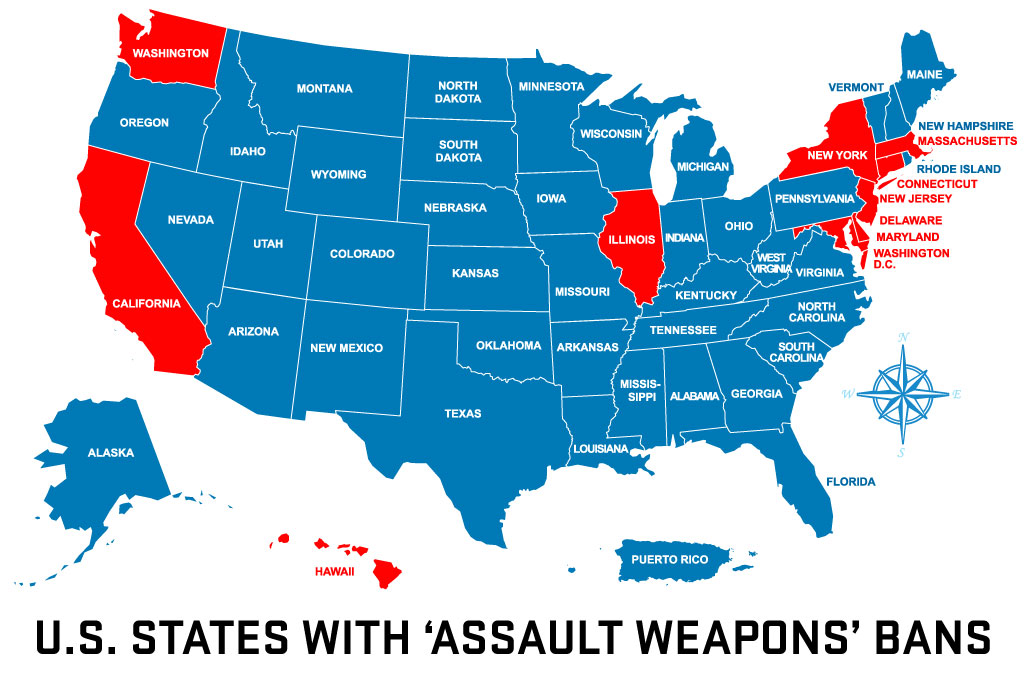
State-by-State Ban Status: 2026
As of early 2025, and projecting into 2026, state laws regarding assault weapon bans are incredibly diverse. I’ve broken down the states into four categories: Fully Banned, Heavily Restricted, Limited Restrictions, and No Restrictions. It’s crucial to remember that this is a snapshot in time, and legislative changes are always possible. The political landscape is shifting, and several states are actively considering new gun control measures.
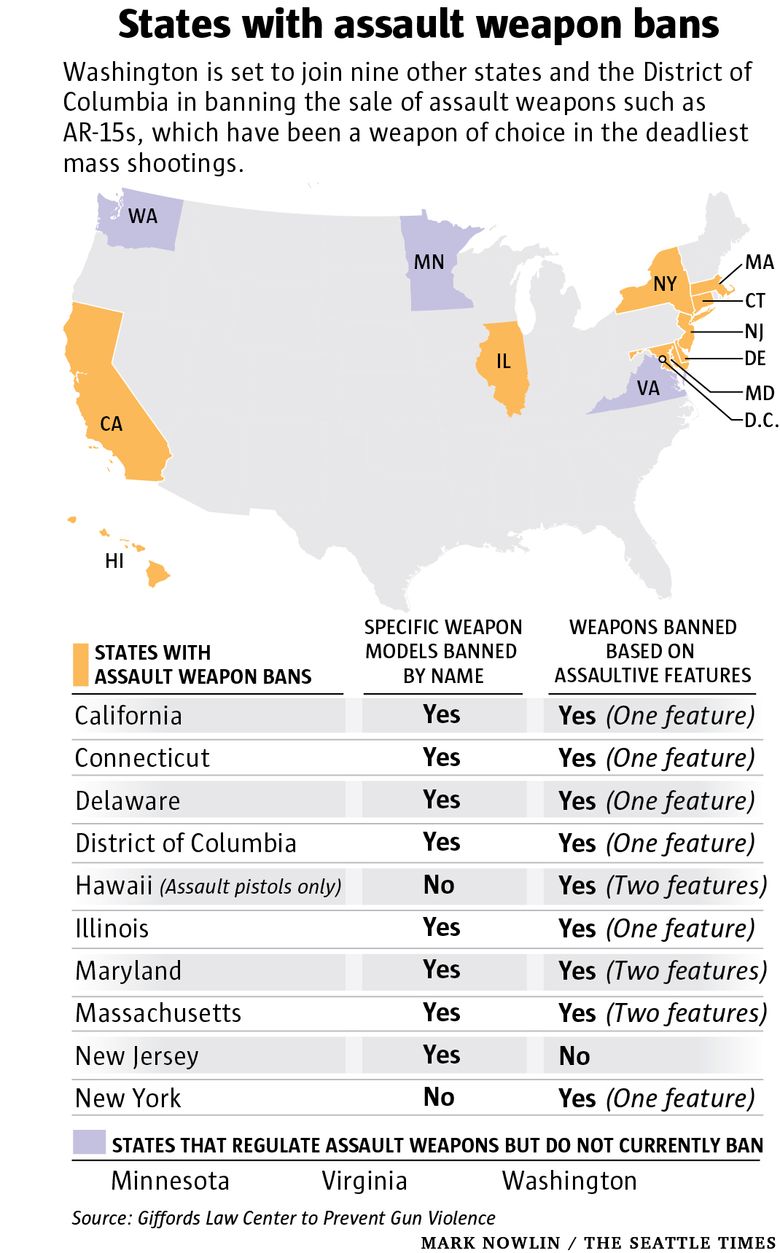
Fully Banned states – California, Connecticut, Hawaii, Maryland, Massachusetts, New Jersey, and New York – generally prohibit the sale, import, and possession of specific firearms deemed "assault weapons.’ These bans often include detailed lists of prohibited models and features. California’s approach, which we"ll examine in detail later, is particularly comprehensive. These states typically have strict magazine capacity limits as well.
Heavily Restricted states – Colorado, Delaware, Illinois, and Washington – have regulations that significantly limit the availability and use of assault weapons. These may include stringent permitting requirements, restrictions on magazine capacity, and bans on certain features. Illinois, for example, enacted a significant ban in 2023, which is currently facing legal challenges. Washington State has been tightening its restrictions in recent years as well.
Limited Restrictions states – Maine, Minnesota, Nevada, and Vermont – have some regulations on assault weapons, but they are less comprehensive than those in the Fully Banned or Heavily Restricted states. These regulations might include restrictions on specific features or magazine capacity, but generally allow for the legal possession of many semi-automatic firearms. Maine, for example, focuses on certain features like detachable magazines and pistol grips.
Finally, No Restrictions states – the remaining states – generally do not have specific laws banning assault weapons. However, even in these states, federal laws still apply. It’s also worth noting that many states without outright bans have other regulations that impact firearm sales and ownership, such as background checks and waiting periods. This is a dynamic situation, and states like Texas and Florida, while currently having no restrictions, are seeing increased debate around gun control measures.
- California: Fully Banned - Detailed list of prohibited firearms, registration requirements.
- Connecticut: Fully Banned - Similar to California, with a focus on specific features.
- Hawaii: Fully Banned - Strict regulations on all firearms, including assault weapons.
- Maryland: Fully Banned - Prohibits specific models and features.
- Massachusetts: Fully Banned - Comprehensive ban with strict enforcement.
- New Jersey: Fully Banned - Extensive list of prohibited firearms.
- New York: Fully Banned - Strict regulations on assault weapons.
- Colorado: Heavily Restricted - Restrictions on magazine capacity and features.
- Delaware: Heavily Restricted - Stringent permitting requirements.
- Illinois: Heavily Restricted - Recent ban on specific firearms.
- Washington: Heavily Restricted - Tightening restrictions on assault weapons.
- Maine: Limited Restrictions - Focuses on detachable magazines and pistol grips.
- Minnesota: Limited Restrictions - Some restrictions on features.
- Nevada: Limited Restrictions - Limited regulations on assault weapons.
- Vermont: Limited Restrictions - Relatively few restrictions on firearms.
Assault Weapon Bans by State 2026: Updated List of Prohibited Firearms and Regulations
| State | Ban Status | Key Prohibited Features | Grandfathering Clause | Last Updated |
|---|---|---|---|---|
| California | Heavily Restricted | Semi-automatic rifles with detachable magazines and certain pistol grips. Specific models listed by name. | Yes | October 26, 2023 |
| Connecticut | Fully Banned | Semi-automatic rifles with certain features, including pistol grips, adjustable stocks, and flash suppressors. Defined by specific characteristics. | Yes | April 25, 2013 |
| Maryland | Heavily Restricted | Semi-automatic rifles with features allowing for rapid fire. Includes restrictions on magazine capacity. | Yes | October 1, 2013 |
| Massachusetts | Fully Banned | Assault weapons and large capacity magazines are prohibited. Definition based on features and functionality. | Yes | July 14, 2016 |
| New Jersey | Heavily Restricted | Semi-automatic rifles with a capacity over 10 rounds and specific features. Restrictions on .50 caliber rifles. | Yes | June 1, 2018 |
| New York | Fully Banned | Semi-automatic rifles with detachable magazines and other specified features. Includes a comprehensive list of prohibited firearms. | Yes | April 12, 2013 |
| Illinois | Heavily Restricted | Defined by specific features, including semi-automatic centerfire rifles with detachable magazines and pistol grips. | Yes | January 10, 2023 |
| Delaware | Limited Restrictions | Restrictions on rapid-fire trigger activators and certain magazine capacities. Focus on functional components. | No | June 28, 2019 |
Illustrative comparison based on the article research brief. Verify current pricing, limits, and product details in the official docs before relying on it.
California's Approach: A Detailed Look
California’s assault weapon laws are among the most stringent in the nation. The state defines "assault weapon" broadly, encompassing semi-automatic rifles, pistols, and shotguns with certain features, as outlined in Penal Code sections 30510-30515. These features include pistol grips, adjustable stocks, flash suppressors, and magazine capacities exceeding 10 rounds. The California Department of Justice (DOJ) maintains a detailed roster of prohibited firearms.
A key component of California’s laws is the requirement to register previously legal assault weapons. After the passage of Assembly Bill 1163 in 2021, owners of firearms deemed "assault weapons" were required to either register them with the DOJ, sell them out of state, or permanently render them inoperable. This process has been fraught with legal challenges and logistical difficulties, leading to ongoing debates about its effectiveness.
The penalties for possessing prohibited weapons in California are significant. Violators can face felony charges, imprisonment, and substantial fines. The DOJ actively enforces these laws, conducting inspections and investigations to ensure compliance. However, enforcement efforts have been hampered by legal challenges and limited resources. The state is also continually updating its definitions and regulations, leading to further complexity.
Currently, there are several legal challenges to California’s assault weapon ban. These cases typically argue that the ban violates the Second Amendment right to bear arms. The courts have generally upheld the ban, but the issue remains contentious and is likely to continue to be litigated. It's a constantly evolving legal landscape, and the specifics of the law can change rapidly.
Federal Legislation: The 2025 Assault Weapons Ban
H.R.3115, the Assault Weapons Ban of 2025, seeks to reinstate a federal ban on the manufacture, sale, transfer, and possession of certain semi-automatic firearms and large-capacity magazines. The bill, introduced in the House of Representatives, would prohibit firearms that have the capacity to accept a detachable magazine and possess certain military-style features, such as pistol grips, adjustable stocks, and flash suppressors.
Specifically, the bill lists numerous prohibited firearms by name, including the AR-15, AK-47, and their variants. It also prohibits magazines that can hold more than 10 rounds. The bill includes exemptions for lawfully possessed firearms as of the date of enactment, but it requires those firearms to be stored securely. It’s a fairly broad ban, aiming to cover a wide range of semi-automatic firearms.
The bill’s chances of success in Congress are uncertain. It faces strong opposition from Republicans and some Democrats, who argue that it infringes on the Second Amendment rights of law-abiding citizens. The current political climate makes it unlikely that the bill will pass both houses of Congress. However, the debate over the bill highlights the ongoing divisions over gun control in the United States.
Even if the bill were to pass, it’s likely to face legal challenges. Opponents would argue that the ban is unconstitutional and violates the Second Amendment. The Supreme Court’s recent decisions on gun rights could play a significant role in determining the outcome of such challenges. The future of the bill is far from certain.
Legal Challenges and Court Cases
Assault weapon bans are frequently challenged in court, primarily on Second Amendment grounds. The core argument is that these bans infringe on the right of individuals to keep and bear arms for self-defense. Courts have generally approached these cases by balancing the Second Amendment right against the government’s interest in public safety.
A key case is District of Columbia v. Heller (2008), which affirmed the individual right to possess firearms for traditionally lawful purposes, such as self-defense in the home. However, the Court also acknowledged that this right is not unlimited and that reasonable restrictions can be imposed. More recently, New York State Rifle & Pistol Association, Inc. v. Bruen (2022) established a new standard for evaluating gun laws, requiring that they be consistent with the nation’s historical tradition of firearm regulation.
The Bruen decision has significantly impacted the legal landscape surrounding assault weapon bans. Courts are now more closely scrutinizing these bans, requiring states to demonstrate a historical basis for their restrictions. This has led to some bans being struck down or temporarily blocked while legal challenges are pending. The legal battles are far from over, and the ultimate fate of assault weapon bans remains uncertain.
Impact on Gun Sales and Ownership
The implementation of assault weapon bans often leads to a short-term surge in gun sales as individuals rush to purchase prohibited firearms before the ban takes effect. This was observed in states like New York and Connecticut following the passage of their bans. After the ban is in place, sales of prohibited firearms decline significantly.
However, bans can also lead to the development of a black market for these weapons. Individuals determined to obtain prohibited firearms may turn to illegal sources, such as private sales or interstate trafficking. The extent of the black market is difficult to quantify, but it’s a concern for law enforcement officials. The effectiveness of a ban in reducing gun violence depends, in part, on its ability to suppress the black market.
Data on gun violence rates in states with and without assault weapon bans is mixed. Some studies have shown a correlation between bans and a decrease in mass shootings, while others have found no significant effect. It’s difficult to isolate the impact of assault weapon bans from other factors that contribute to gun violence, such as poverty, mental health issues, and access to other types of firearms. It's a complex issue with many variables.
Enforcement of assault weapon bans can be challenging. Identifying and confiscating prohibited firearms requires significant resources and can be met with resistance from gun owners. Some states have implemented amnesty programs to encourage voluntary compliance, but these programs are not always successful. The effectiveness of enforcement depends on the level of funding and political support.
Future Trends and Predictions
Looking ahead to 2026 and beyond, the debate over assault weapon bans is likely to continue. We can expect to see further legal challenges to existing bans, as well as renewed efforts to enact new legislation at both the state and federal levels. The outcome of the 2024 elections could significantly impact the direction of gun control policy.
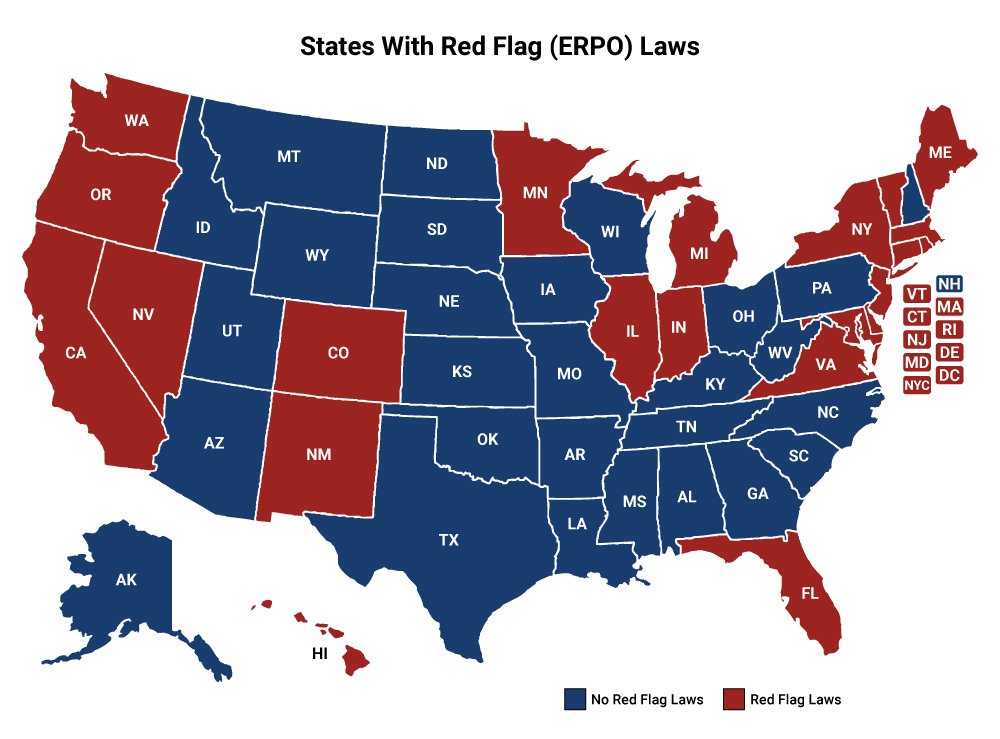
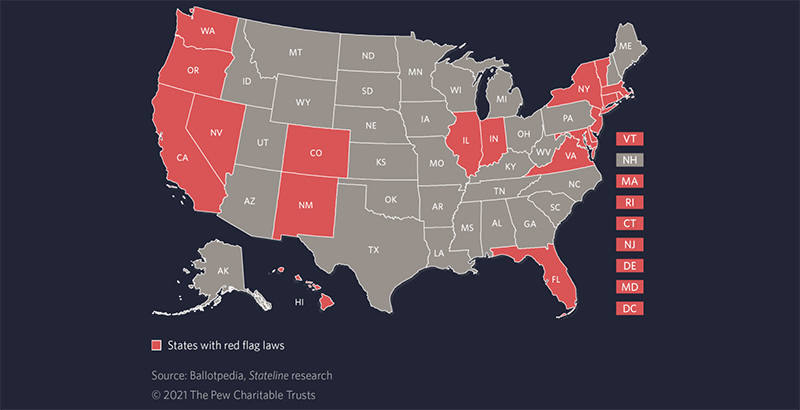
One emerging trend is the focus on regulating accessories, such as pistol braces, which can be used to increase the stability and accuracy of firearms. The ATF’s recent rule on pistol braces is facing legal challenges, but it demonstrates a willingness to use existing regulations to address concerns about firearm modifications. Another trend is the increasing use of "red flag" laws, which allow courts to temporarily remove firearms from individuals deemed to be a danger to themselves or others.
The Supreme Court’s evolving jurisprudence on the Second Amendment will continue to shape the legal landscape. The Bruen decision has raised the bar for justifying gun control regulations, and future cases are likely to further clarify the scope of the Second Amendment right. It’s a constantly shifting legal terrain, and predicting the future is difficult. However, it's clear that the debate over assault weapon bans will remain a prominent issue in American politics for years to come.
No comments yet. Be the first to share your thoughts!