

Firearm Law Shifts: 2026 Preview
2026 promises a significant wave of changes to state firearm regulations across the country. We’re seeing a pattern of increased legislative activity, driven by a deeply polarized political climate and a continuing national conversation about gun violence. Generally, the trend leans toward tightening restrictions, particularly in states with Democratic leadership, but there are notable exceptions and ongoing legal battles that complicate the picture.
Predicting the future of gun laws is never easy. Bills can stall in committee, be amended beyond recognition, or face legal challenges that delay or overturn their implementation. However, by examining current legislation and recent court decisions, we can get a reasonable sense of the direction things are heading. This article aims to provide a comprehensive overview of the most important changes expected to take effect in 2026, state by state.
The sheer volume of proposed legislation is staggering. States are tackling issues like universal background checks, red flag laws, restrictions on certain types of firearms, and concealed carry reciprocity. The USCCA is tracking many of these bills, and their resources are invaluable for staying informed. It’s a complex landscape, and navigating it requires careful attention to detail.
I believe the next few years will be pivotal in shaping the future of gun control in the United States. The courts will continue to play a key role, as will the outcome of upcoming elections. The debate is far from over, and the stakes are high.
Colorado's Dealer Requirements
Colorado is implementing new requirements for firearms dealers with the passage of HB26-1126. This bill, enacted by the Colorado General Assembly, significantly alters the responsibilities of those involved in the sale and transfer of firearms within the state. The effective date for these changes is August 12, 2026, assuming the legislature adjourns sine die on May 13, 2026.
Specifically, HB26-1126 focuses on enhancing the due diligence expected of firearms dealers. Dealers will be required to implement stricter verification processes, including more thorough background check procedures and increased record-keeping. They must also provide specific training to their employees on these new regulations. The goal is to reduce illegal firearm trafficking and enhance public safety.
I’m particularly interested in seeing how these requirements impact smaller, independent firearms dealers. Larger chains may have the resources to easily absorb these changes, but smaller businesses could face significant challenges in complying with the new regulations. This could potentially lead to consolidation within the industry or even the closure of some shops.
The specifics of the bill are detailed on the Colorado General Assembly website. Dealers should carefully review the text of HB26-1126 to ensure full compliance. Consumers should also be aware of these changes, as they may experience longer wait times or more extensive background checks when purchasing firearms in Colorado.
State-by-State Roundup: Key Changes
Here's a breakdown of key changes to state gun laws expected in 2026. This isn’t exhaustive, but covers the most significant shifts. It’s organized thematically for clarity. Keep in mind that laws are constantly evolving, so it’s crucial to consult official sources for the most up-to-date information.
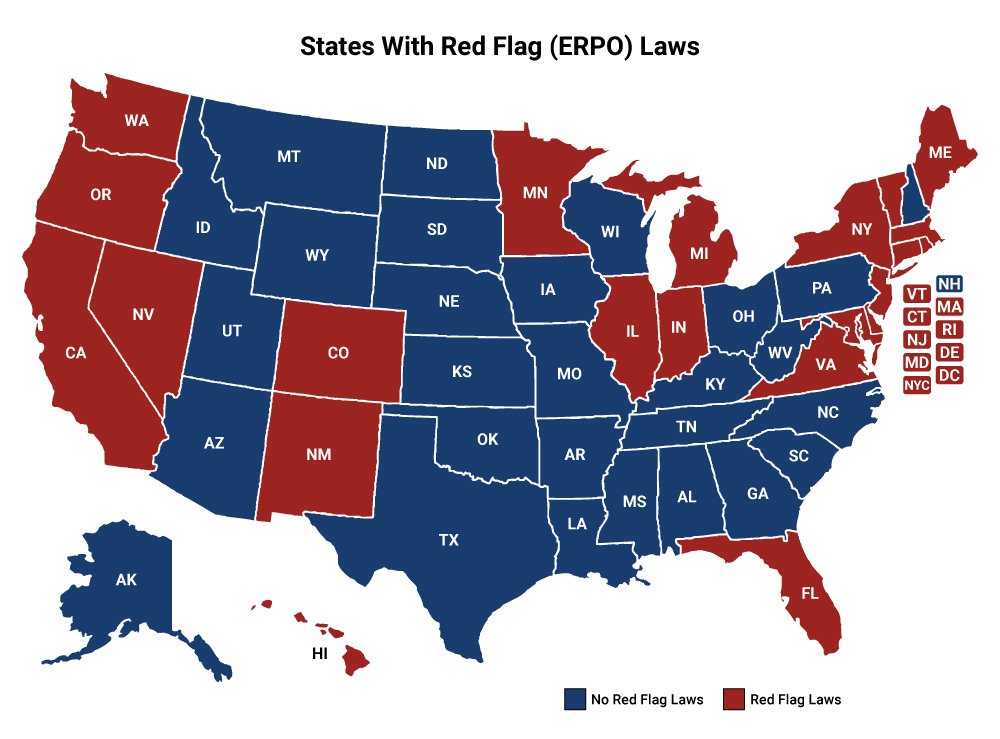
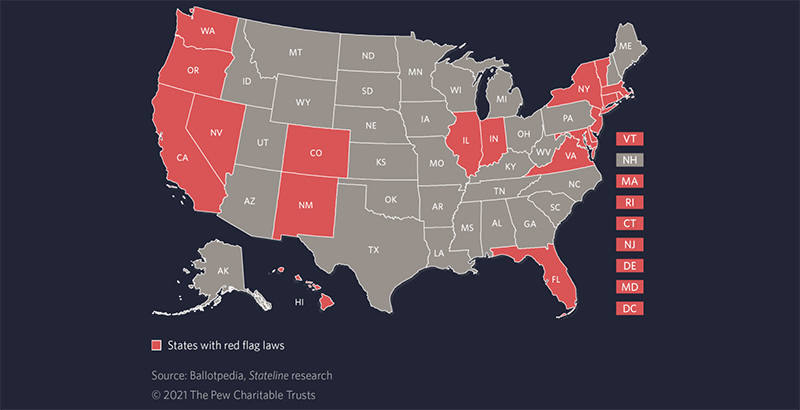
Red Flag Laws: Several states are expanding their red flag law provisions. California is broadening the criteria for issuing Extreme Risk Protection Orders (ERPOs), allowing for the removal of firearms from individuals deemed a threat to themselves or others based on a wider range of behaviors. New York is streamlining the process for obtaining ERPOs, making it easier for law enforcement and family members to petition the courts. Maryland is allocating additional funding for mental health services to support individuals subject to ERPOs.
Universal Background Checks: Washington State is moving toward a system of universal background checks for all firearm sales, including private transfers. This will require all buyers and sellers to go through a licensed dealer to complete the transaction. Nevada is implementing a similar system, but with a phased rollout. Virginia has strengthened its existing background check laws, closing loopholes that previously allowed for unregulated private sales.
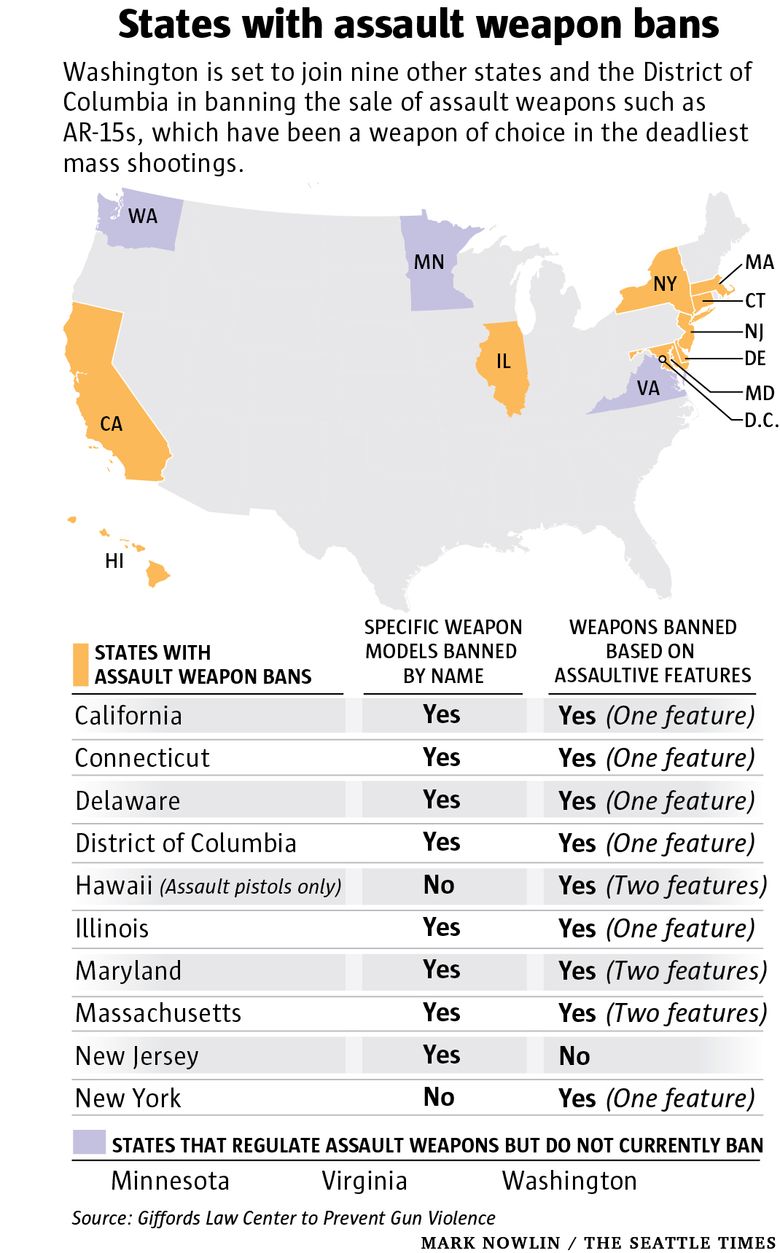
Restrictions on 'Assault Weapons' and High-Capacity Magazines: Connecticut is expanding its existing ban on assault weapons to include a wider range of firearms. Massachusetts is enacting stricter regulations on the sale and possession of high-capacity magazines. Illinois is facing legal challenges to its assault weapons ban, but the law remains in effect as of this writing.
Concealed Carry: Texas passed legislation allowing permitless carry, meaning individuals can carry a handgun without a permit. Florida is expanding its concealed carry reciprocity agreements with other states. Oregon is restricting the places where firearms can be carried, including schools and government buildings.
Other Notable Changes: New Jersey is requiring all new handguns sold in the state to be 'smart guns' equipped with technology that prevents unauthorized use. Hawaii is implementing a system of firearm registration. Minnesota is increasing the minimum age to purchase a firearm to 21.
- California: Expanded criteria for ERPOs.
- New York: Streamlined ERPO process.
- Maryland: Increased funding for mental health services related to ERPOs.
- Washington State: Universal background checks for all sales.
- Nevada: Phased rollout of universal background checks.
- Virginia: Strengthened existing background check laws.
- Connecticut: Expanded assault weapon ban.
- Massachusetts: Stricter regulations on high-capacity magazines.
- Illinois: Ongoing legal challenges to assault weapon ban.
- Texas: Permitless carry.
- Florida: Expanded concealed carry reciprocity.
- Oregon: Restrictions on where firearms can be carried.
- New Jersey: Requirement for 'smart guns'.
- Hawaii: Firearm registration system.
- Minnesota: Increased minimum age for firearm purchase to 21.
New Gun Laws 2026: State-by-State Guide to Recent Firearm Regulation Changes
| State | Major New Law (brief description) | Effective Date | Link to Legislation |
|---|---|---|---|
| Colorado | Requirements for Firearms Dealers | August 12, 2026 | https://leg.colorado.gov/bills/hb26-1126 |
| Arizona | Universal Background Checks for Private Sales (pending legislation) | To be determined | https://www.usconcealedcarry.com/resources/gun-bills-to-watch-in-2024/ |
| Texas | Constitutional Carry Permitless Carry Expansion (pending legislation) | To be determined | https://www.usconcealedcarry.com/resources/gun-bills-to-watch-in-2024/ |
| Florida | Increased Restrictions on Assault Weapons (pending legislation) | To be determined | https://www.usconcealedcarry.com/resources/gun-bills-to-watch-in-2024/ |
| California | Expansion of Red Flag Laws (pending legislation) | To be determined | https://www.usconcealedcarry.com/resources/gun-bills-to-watch-in-2024/ |
| New York | Microstamping Requirement for Handguns (pending legislation) | To be determined | https://www.usconcealedcarry.com/resources/gun-bills-to-watch-in-2024/ |
Illustrative comparison based on the article research brief. Verify current pricing, limits, and product details in the official docs before relying on it.
Red Flag Laws: Expansion and Challenges
Red flag laws, formally known as Extreme Risk Protection Orders (ERPOs), are gaining traction across the country, but they remain highly controversial. These laws allow courts to temporarily remove firearms from individuals deemed to pose a significant risk of harming themselves or others. The number of states with red flag laws has increased substantially in recent years, with many more considering similar legislation.
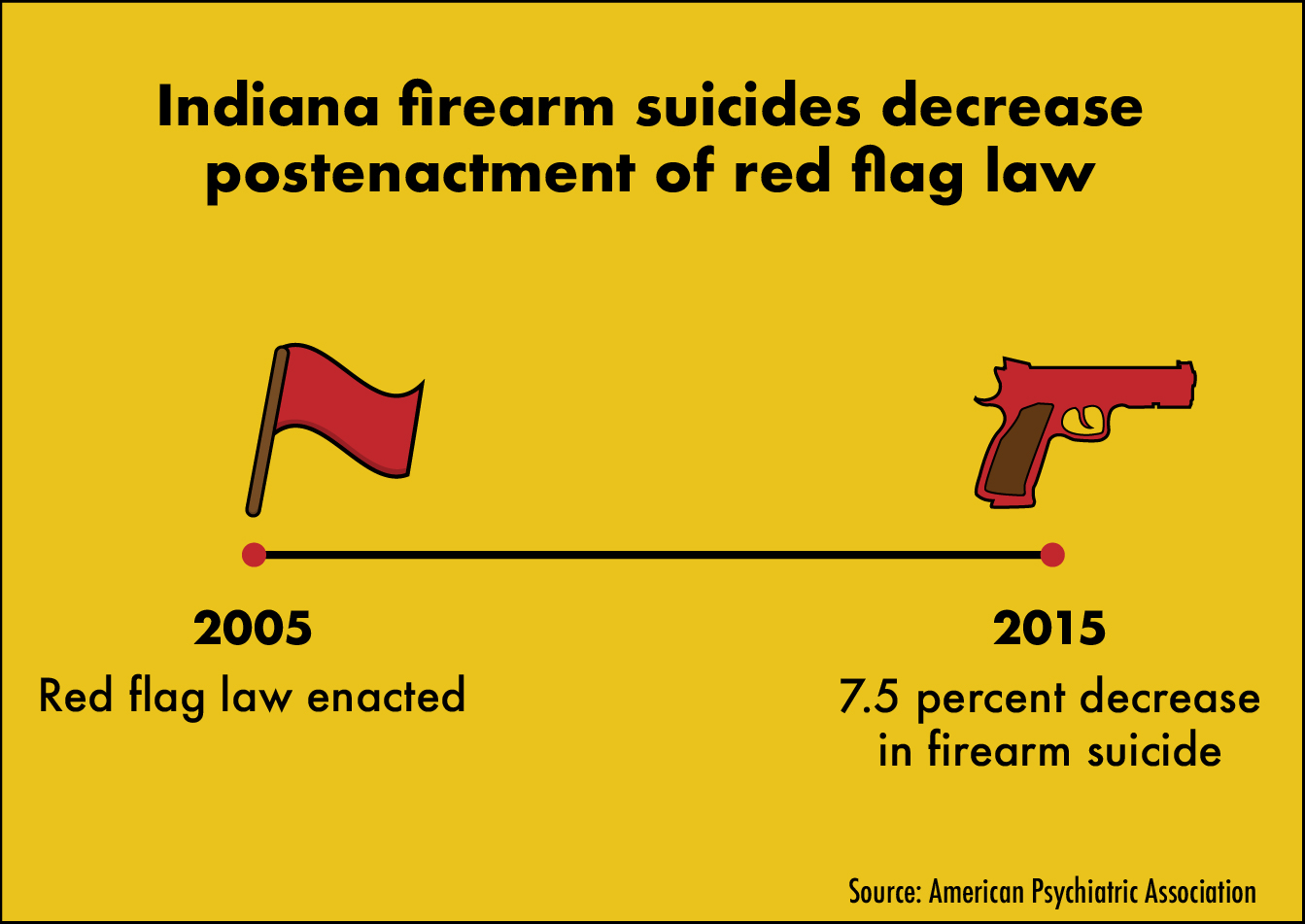
Proponents of red flag laws argue that they are a vital tool for preventing gun violence, particularly in cases involving individuals with mental health issues or those who have made credible threats. They point to instances where these laws have been credited with averting mass shootings or suicides. However, opponents raise serious concerns about due process rights and the potential for abuse.
One of the main criticisms of red flag laws is that they allow for the seizure of firearms before an individual has been convicted of a crime. This raises questions about whether the laws violate the Second Amendment and the right to bear arms. Legal challenges to these laws are ongoing, and courts are grappling with how to balance public safety concerns with individual liberties. The Supreme Court hasn’t weighed in directly, but several circuit courts have upheld the constitutionality of these laws.
Implementation also presents challenges. Ensuring that individuals subject to ERPOs have access to mental health services is crucial, but often lacking. There are also concerns about false accusations and the potential for the laws to be used to harass or disarm law-abiding citizens. It’s clear that red flag laws are not a panacea, and they must be implemented carefully and with appropriate safeguards.
Universal Background Checks: Where Do They Stand?
The debate over universal background checks continues to be a central issue in the gun control debate. Currently, federal law requires licensed firearms dealers to conduct background checks on all purchasers. However, many states allow for private firearm sales without requiring a background check, creating a loophole that allows individuals prohibited from owning firearms to acquire them legally.
As of 2026, several states have closed this loophole by requiring background checks for all firearm sales, including those between private individuals. These states include California, Colorado, Connecticut, Delaware, Hawaii, Illinois, Maryland, Massachusetts, New Jersey, New York, Oregon, Rhode Island, Vermont, and Washington. The specifics of these laws vary, but they all aim to ensure that all firearm purchasers are subject to a background check.
Despite these efforts, loopholes still exist. For example, some states allow for limited exemptions for certain types of firearms or for sales between family members. Additionally, the effectiveness of universal background checks depends on the quality of the background check system itself. Ensuring that all relevant records are entered into the National Instant Criminal Background Check System (NICS) is critical.
I think the practical implications of universal background checks are significant. For buyers, it means they may have to go through a licensed dealer to complete a private sale, which could involve additional fees and paperwork. For sellers, it means they have to comply with the same regulations as licensed dealers. It's a complex issue with no easy answers.
Restrictions on 'Assault Weapons' and High-Capacity Magazines
Restrictions on firearms often labeled as 'assault weapons' and high-capacity magazines remain a contentious issue. These bans typically target semi-automatic rifles with certain features, such as detachable magazines and pistol grips. The definition of 'assault weapon' varies from state to state, leading to confusion and legal challenges.
Several states, including California, Connecticut, Hawaii, Maryland, Massachusetts, New Jersey, and New York, have banned assault weapons. These bans typically prohibit the sale, transfer, and possession of specific firearms. Some states also regulate high-capacity magazines, limiting the number of rounds they can hold.
These bans are frequently challenged in court, with opponents arguing that they violate the Second Amendment. The legal arguments center on whether these firearms are commonly used for lawful purposes and whether the bans are narrowly tailored to serve a compelling government interest. The Supreme Court has not yet ruled on the constitutionality of assault weapon bans, leaving the issue unresolved.
I’m not sure where this legal battle is headed. The courts are deeply divided on the issue, and the outcome will likely depend on the composition of the Supreme Court. Regardless of the legal outcome, the debate over assault weapon bans is likely to continue for the foreseeable future.
Concealed Carry Reciprocity: A Shifting Map
Concealed carry reciprocity agreements determine which states will recognize a concealed carry permit issued by another state. The landscape of concealed carry reciprocity is constantly shifting, as states amend their laws and enter into new agreements. This can be incredibly confusing for gun owners who travel across state lines.
According to data from the USCCA, the number of states with broad reciprocity agreements has been declining in recent years. Some states have become more restrictive, limiting the states whose permits they will recognize. Others have entered into new agreements, expanding the number of states where concealed carry is permitted.
It’s essential for gun owners to stay informed about the latest reciprocity rules. The USCCA maintains a comprehensive reciprocity map that is updated regularly. It’s also a good idea to check the laws of any state you plan to travel to before carrying a firearm. Failure to do so could result in criminal charges.
The lack of nationwide reciprocity is a major source of frustration for many gun owners. Efforts to pass federal legislation establishing nationwide reciprocity have been unsuccessful, but the debate is likely to continue. Navigating the current system requires diligence and a thorough understanding of state laws.
Looking Ahead: Potential Future Trends
Predicting the future of gun law legislation is always challenging, but several trends are likely to shape the debate in the coming years. We can expect to see continued efforts to expand red flag laws, close loopholes in background check systems, and restrict access to certain types of firearms.
The courts will continue to play a crucial role, as legal challenges to existing laws are likely to increase. The Supreme Court’s eventual ruling on assault weapon bans will have a significant impact on the debate. Additionally, the outcome of upcoming elections will influence the direction of gun law legislation at both the state and federal levels.
Federal legislation remains a possibility, although it faces significant political hurdles. Proposals to establish universal background checks, ban assault weapons, and implement red flag laws have all been discussed in Congress, but their prospects for passage are uncertain. The political climate will be a major determining factor.
Ultimately, the future of gun control in the United States will depend on a complex interplay of political, legal, and social forces. The debate is deeply ingrained in American culture, and finding common ground will require compromise and a willingness to engage in constructive dialogue.
No comments yet. Be the first to share your thoughts!