

CCW Permit Map: 2026 Updates
Understanding concealed carry reciprocity is more important—and more complex—than ever. State laws change constantly, and what was true last year might not be accurate today. This affects anyone who travels across state lines with a firearm. This guide gives an overview of which states honor your concealed carry weapon (CCW) permit as of late 2026.
Reciprocity agreements shift frequently, with states adding, modifying, or terminating them. Political changes, court decisions, and evolving attitudes towards gun control drive these shifts. Keeping up with these changes requires diligent research. We've compiled information from official state sources like the North Carolina Department of Justice (ncdoj.gov) and the Tennessee Department of Safety (tn.gov), as of November 2024, to give you the clearest picture possible.
This guide focuses on reciprocity agreements for standard CCW permits issued to civilians. It does not cover duty permits issued to law enforcement officers, or federal permits like those for the Law Enforcement Officers Safety Act (LEOSA). Even if a state generally recognizes your permit, there can be exceptions and restrictions. Always verify the current laws before traveling with a firearm.
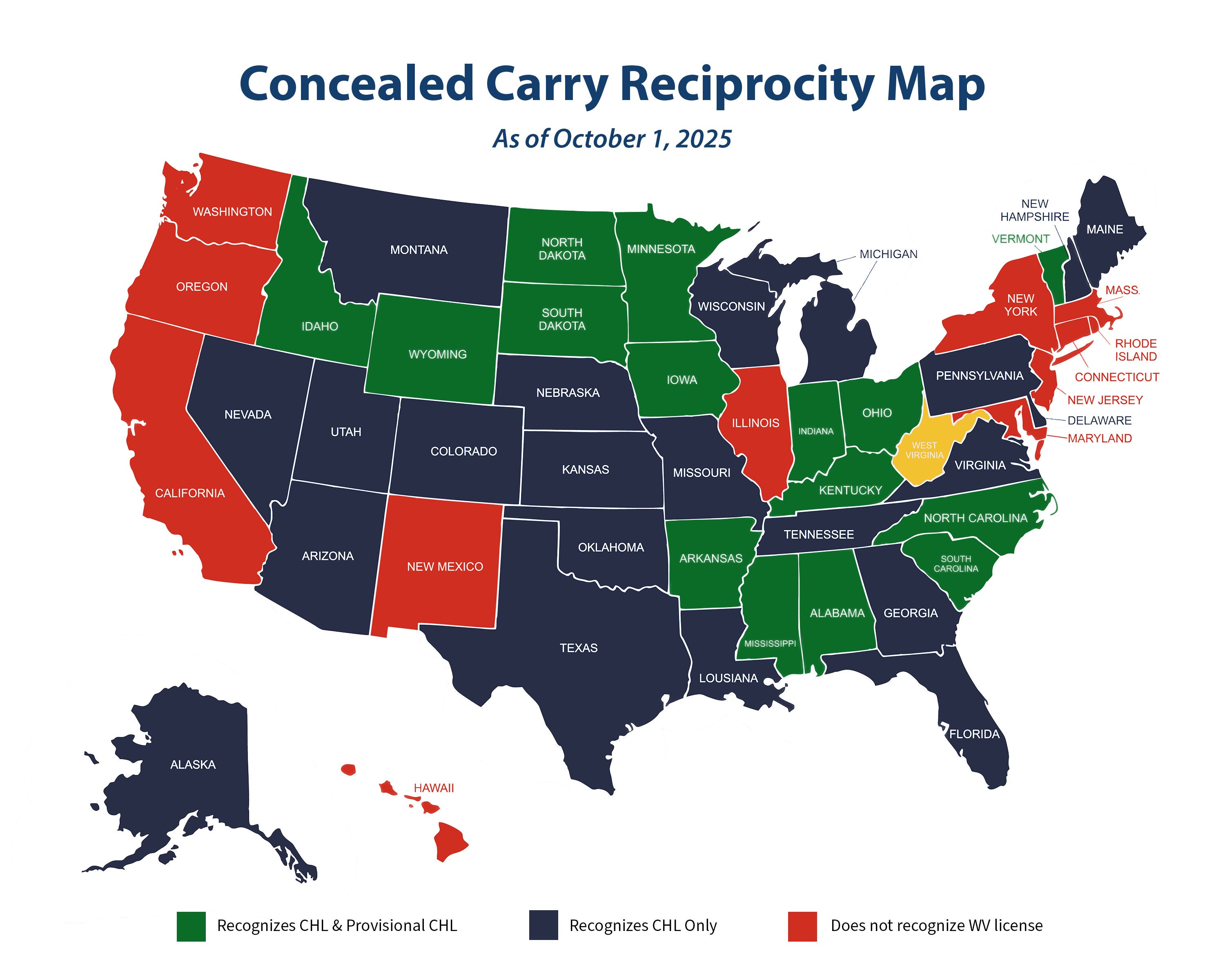
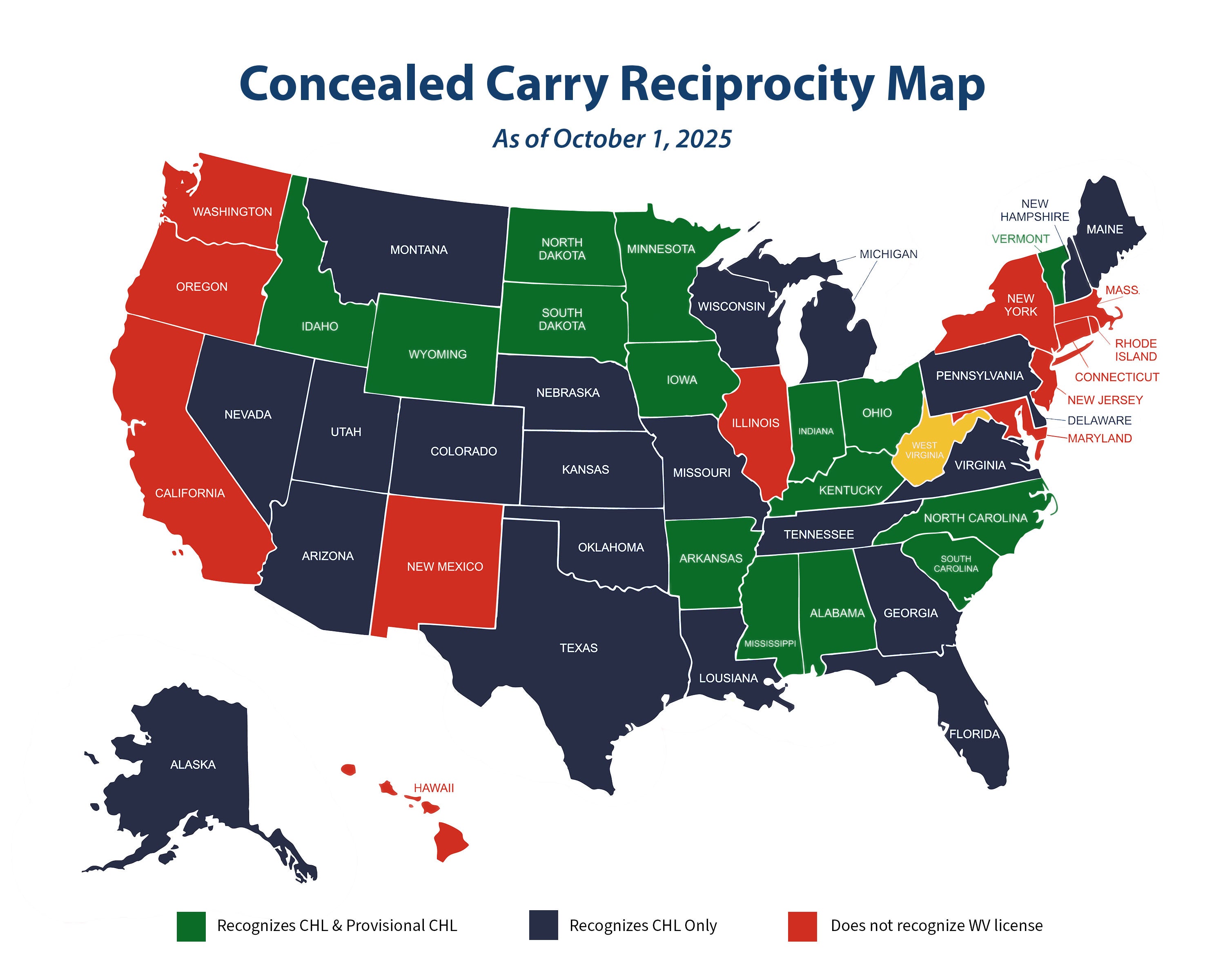
Understanding Reciprocity: A Quick Guide
Concealed carry reciprocity is an agreement between states where they recognize each other’s concealed carry permits. If you have a CCW permit issued by State A, and State A has a reciprocity agreement with State B, you can legally carry a concealed handgun in State B, subject to that state’s laws. This is an aspect of exercising your Second Amendment rights while traveling.
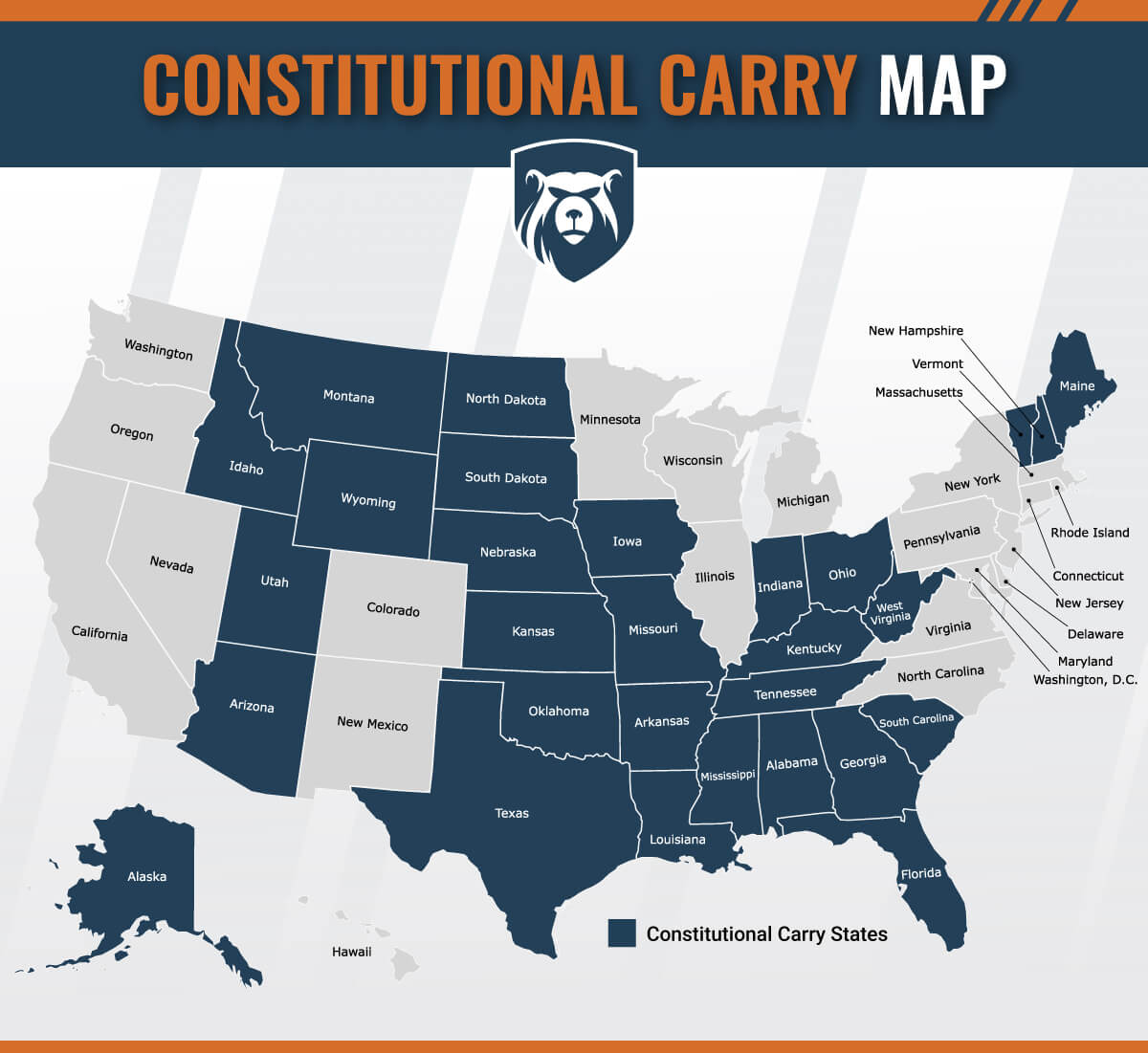
States categorize permits based on how they are issued. 'Shall-issue' states require authorities to issue a permit to anyone who meets legal requirements, like passing a background check and completing training. 'May-issue' states give authorities more discretion, allowing them to deny a permit even if the applicant meets the requirements. 'Permitless carry' or 'constitutional carry' states allow individuals to carry concealed handguns without a permit, though restrictions may still apply.
Reciprocity is not automatic. It’s established through specific agreements that can vary significantly. A state might recognize permits from some states but not others, or it might impose restrictions on permit holders from certain states. These restrictions can range from age limits to training requirements. Always confirm the specifics before crossing state lines – don't assume your permit is valid just because you have one.
Full Reciprocity States (2026)
Several states broadly recognize concealed carry permits from other states. These states generally honor permits from a large majority of jurisdictions, making them attractive destinations for CCW holders. Even these states may have minor restrictions, so always double-check the details.
As of late 2026, Texas recognizes permits from over 30 other states. Arizona acknowledges permits from around 30 states. Florida recognizes permits from a significant number of states, although the exact number can fluctuate with legislative changes. Alabama has agreements in place with a large portion of the country.
Here's a snapshot of states with particularly broad reciprocity (numbers are approximate as of November 2024 and subject to change):
It's important to note that the information on reciprocity can change rapidly. The numbers below are current to the best of our knowledge, but it's essential to verify with the state's official resources before traveling. These numbers represent the number of states whose permits are generally recognized.
- Texas: Recognizes permits from approximately 32 states
- Arizona: Recognizes permits from approximately 30 states
- Florida: Recognizes permits from approximately 31 states
- Alabama: Recognizes permits from approximately 29 states
- Utah: Recognizes permits from approximately 28 states
Concealed Carry Reciprocity - States Honoring Other Permits (as of late 2023/early 2024 - subject to change)
| State Name | Number of Permits Recognized (Approximate) | Official Reciprocity Page Link | Reciprocity Notes |
|---|---|---|---|
| Virginia | 29 | https://www.vsp.virginia.gov/firearms/concealed-carry-reciprocity | Virginia generally has broad reciprocity, but specific restrictions may apply based on the issuing state and the individual's record. |
| Texas | 31 | https://www.dps.texas.gov/section/handgun-licensing/reciprocity | Texas recognizes permits from a large number of states, but it's crucial to verify current status due to ongoing changes. |
| Florida | 33+ | https://www.fdle.state.fl.us/Legal/Concealed-Weapon-License/Reciprocity.aspx | Florida has extensive reciprocity agreements. The '+' indicates the number is frequently updated and subject to change. |
| Arizona | 30+ | https://www.azdoj.gov/licensing/concealed-weapons/reciprocity | Arizona recognizes permits from many states, with some limitations. Check the official website for the most current information. |
| Alabama | 30+ | https://www.alabamaag.gov/concealed-carry-permit-reciprocity | Alabama has a substantial number of reciprocity agreements, but it's important to confirm details before traveling. |
| South Carolina | 30+ | https://www.sled.sc.gov/ccw-reciprocity | South Carolina honors permits from numerous states, but specific conditions may apply. |
| Georgia | 25+ | https://gbi.georgia.gov/concealed-carry-weapon-permits/reciprocity | Georgia recognizes permits from a significant number of states, but it is advised to verify reciprocity before travel. |
Illustrative comparison based on the article research brief. Verify current pricing, limits, and product details in the official docs before relying on it.
Limited Reciprocity: What to Watch For
Many states offer reciprocity, but with limitations. These restrictions can significantly impact your ability to legally carry a concealed handgun. It's crucial to be aware of these nuances to avoid potential legal trouble. These limitations are often tied to the issuing state’s requirements or the permit holder's qualifications.
For example, some states might only recognize permits from 'shall-issue' states, excluding those issued by 'may-issue' jurisdictions. Others might have age restrictions, requiring permit holders to be 21 or older, even if the issuing state allows 18-year-olds to carry. Training requirements are another common limitation – a state might require permit holders to have completed more hours of firearms training than the minimum in their issuing state.
North Carolina has reciprocity agreements with numerous states, but those agreements often specify the type of permit recognized. They may only accept permits from states with comparable training standards. Tennessee also has a list of recognized states, but check for specific restrictions, such as limitations on non-resident permits. Consult the official reciprocity map for each state you plan to visit.
States With No Reciprocity
A handful of states do not recognize concealed carry permits issued by other states. If you have a permit from another state, you are generally prohibited from carrying a concealed handgun in these jurisdictions. These states often have strict gun control laws and a strong preference for regulating firearms.
As of late 2026, states with no general reciprocity include California, Hawaii, and New York. These states typically require residents to obtain their own permits, and they do not extend recognition to permits issued elsewhere. This can be a significant inconvenience for travelers who are accustomed to carrying a concealed handgun for self-defense.
However, there are sometimes exceptions. Some states might recognize permits for active duty military personnel or federal law enforcement officers. It’s essential to research the specific laws of each state you plan to visit, even if it’s generally considered a non-reciprocity state. Ignoring these laws can lead to serious legal consequences.
Permitless Carry & Its Impact
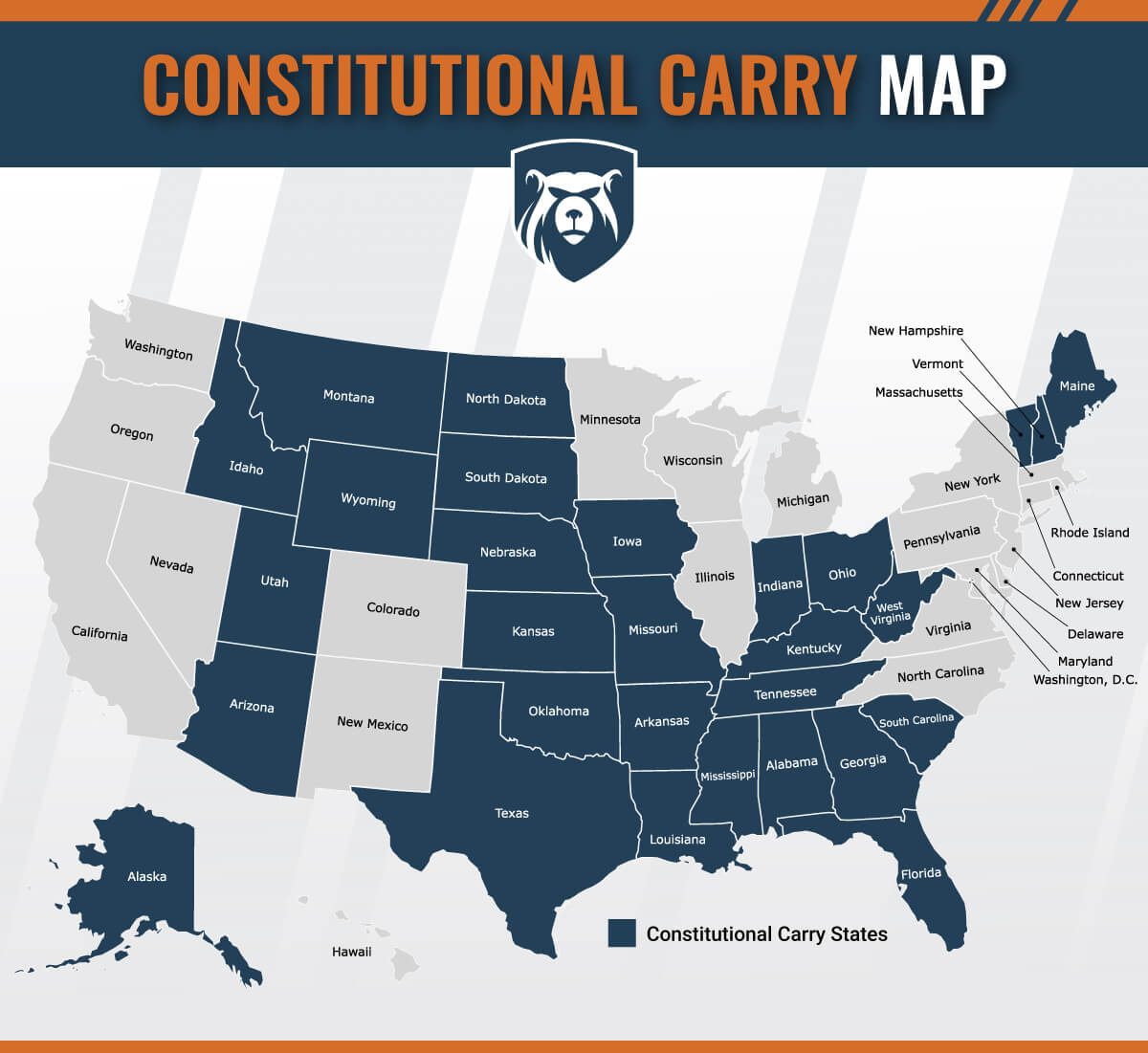
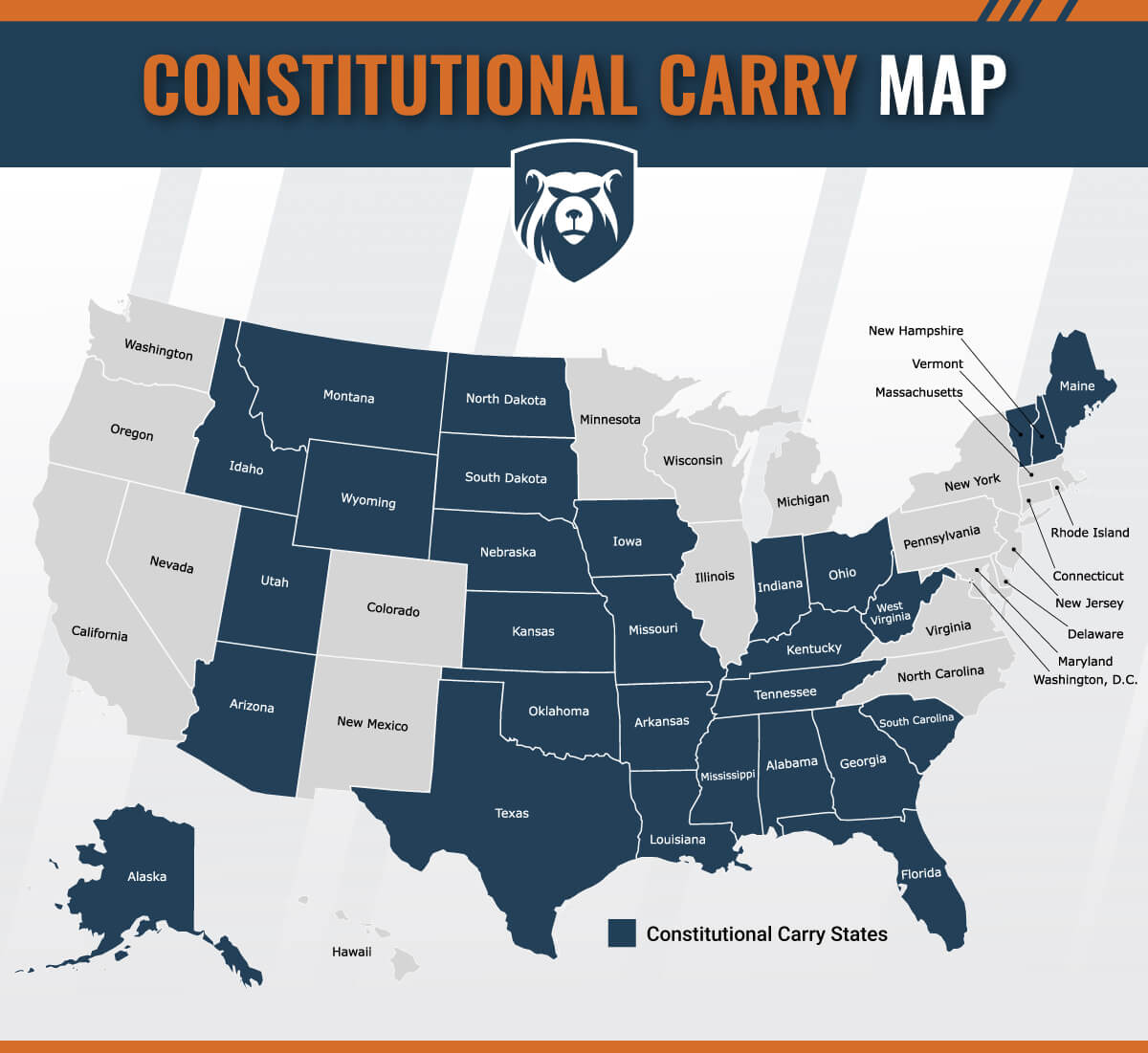
The growing trend of 'permitless carry,' also known as constitutional carry, is significantly altering the landscape of concealed carry reciprocity. Permitless carry laws allow individuals to carry concealed handguns without obtaining a permit, provided they meet certain eligibility requirements, such as being a legal resident and not being prohibited from owning a firearm.
However, the impact on reciprocity is complex. While permitless carry laws remove the need for a permit for residents, they don’t necessarily extend those rights to non-residents. Some states with permitless carry laws still require non-residents to obtain a permit to carry concealed. Others may recognize permits from states with which they have reciprocity agreements, even if they don’t require permits for their own residents.
This creates a confusing situation for travelers. It's crucial to understand that simply because a state has permitless carry doesn't mean you can legally carry a concealed handgun there without a permit if you're a non-resident. Always check the specific laws of the state you're visiting to determine whether a permit is required.
- Check state laws: Always verify the requirements for non-residents.
- Understand reciprocity: Even in permitless carry states, existing reciprocity agreements may still apply.
- Be aware of restrictions: Permitless carry laws often have restrictions on who can carry.
Reciprocity Changes: 2024-2026
The past two years have seen significant changes in concealed carry reciprocity agreements across the country. Several states have amended their laws, adding or removing reciprocity agreements with other states. These changes are often driven by political shifts and evolving attitudes towards gun control.
For example, in 2025, North Carolina updated its reciprocity agreements to include several new states, expanding the number of jurisdictions whose permits are recognized within the state. Tennessee also made adjustments to its list of recognized states, clarifying certain restrictions and requirements. These changes highlight the dynamic nature of reciprocity laws.
Looking ahead to 2026, several states have pending legislation that could further impact reciprocity. Some states are considering expanding their reciprocity agreements, while others are proposing to restrict them. It's crucial to stay informed about these developments to ensure you're complying with the latest laws. Regularly checking official state resources is essential.
Staying Informed: Resources & Tools
Staying up-to-date on concealed carry reciprocity laws requires diligent effort. Laws are constantly changing, and it’s your responsibility to ensure you’re complying with the regulations in each state you visit. Fortunately, several resources can help you stay informed.
The North Carolina Department of Justice (ncdoj.gov) provides a comprehensive list of states with which North Carolina has reciprocity agreements. The Tennessee Department of Safety (tn.gov) offers a similar resource for Tennessee residents and visitors. The US Concealed Carry Association (usconcealedcarry.com) is another valuable resource, offering a reciprocity map and state-by-state gun law information.
Remember, these resources are intended to be helpful guides, but they are not a substitute for legal advice. If you have any questions or concerns, consult with a qualified attorney. Always verify the current laws before traveling with a firearm.
- North Carolina DOJ:
- Tennessee Department of Safety:
- US Concealed Carry Association:
No comments yet. Be the first to share your thoughts!