

The reality of home storage
Gun storage is a practical reality of ownership. Whether you keep a firearm for hunting or home defense, an unsecured weapon is a liability. Stolen guns and accidental discharges aren't just statistics; they are preventable risks that come with keeping a lethal tool in the house.
What we call 'safe storage' is evolving. For years, a simple trigger lock might have sufficed, but the conversation is shifting. There’s a growing understanding that more robust methods – like gun safes – are often necessary, especially in homes with children or individuals at risk of self-harm. The data speaks for itself. According to Everytown Research & Policy, unintentional shootings involving children are a tragic reality, and the number of guns stolen from homes each year is substantial.
In 2026, we're seeing a marked increase in attention paid to these issues. This isn’t a new debate, but it's one that’s gaining momentum, fueled by high-profile incidents and a desire to reduce gun violence. The question isn’t if gun storage laws will change, but how and where. It’s a complex issue, and there’s no easy answer. But ignoring it isn’t an option when the stakes are so high. We need to look at what states are doing and what practical steps gun owners can take.
State-by-state requirements
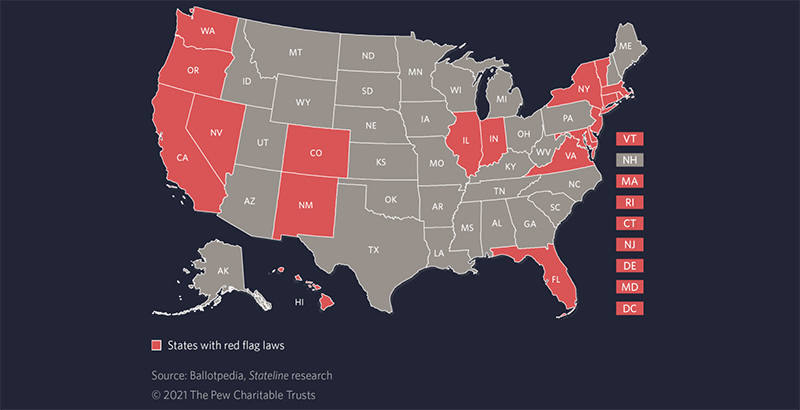
By 2026, state laws have become a patchwork. There is no federal standard, so your legal obligations change the moment you cross state lines. Some jurisdictions require specific hardware like safes, while others only penalize you if a child actually gets hold of the weapon.
There are three broad categories. First, states like Massachusetts and Oregon have comprehensive safe storage laws, requiring firearms to be locked when not in use. Second, states like California and New York have child access prevention laws, making it a crime to store a firearm negligently if a minor gains access and uses it to cause harm. Finally, a significant number of states – around half – have no specific state-level requirements for gun storage at all. This means that in those states, it’s largely up to the individual gun owner to decide how to store their firearms.
The nuances within these categories are also important. For example, some states’ laws have exceptions for firearms that are actively being used for self-defense. Others have different requirements for handguns versus long guns. It’s a complicated web of regulations, and it’s crucial to understand the specific laws in your state. The Everytown Research & Policy website provides a state-by-state breakdown, but it can still be challenging to navigate. It's not a clean or consistent system, and that's the biggest takeaway.
Gun Storage Laws 2026: Safe Storage Requirements and Child Access Prevention by State
| State | Law Type | Details/Requirements | Penalties (if applicable) |
|---|---|---|---|
| California | Mandatory Safe Storage | Requires firearms to be stored locked or unloaded. Specific requirements vary depending on the type of firearm and whether a child under 18 is present. | Violation can result in a civil fine up to $1,000. |
| Massachusetts | Mandatory Safe Storage | Requires firearms to be kept locked and unloaded. Safe storage devices must be approved by the state. | Criminal penalties including up to one year in jail and a $1,000 fine. |
| Oregon | Child Access Prevention | Owners may be held civilly and criminally liable if a child gains access to an improperly stored firearm and causes injury. | Civil liability can include damages and criminal penalties may include jail time and fines. |
| Florida | Safe Harbor | Provides immunity from civil liability for gun owners who store firearms securely and prevent unauthorized access. | No specific penalties for failing to utilize safe storage, but liability protection is lost if secure storage is not practiced. |
| Texas | No Specific Laws | Texas does not have statewide laws mandating safe storage or establishing specific penalties for negligent storage. | No state-level penalties exist, but local ordinances may apply. |
| Colorado | Child Access Prevention | Makes it a criminal offense to recklessly store a firearm if a child obtains it and uses it to cause injury or death. | Penalties can include imprisonment and fines, escalating based on the severity of the injury or death. |
| New York | Mandatory Safe Storage | Requires firearms to be secured in a locked safe or with a trigger lock. Specifics vary depending on the county. | Violation can result in a misdemeanor charge and potential jail time. |
| Illinois | Mandatory Safe Storage | Requires firearms to be stored unloaded and locked. Specifics apply to those living with individuals prohibited from owning firearms. | Potential criminal penalties for negligent storage. |
Illustrative comparison based on the article research brief. Verify current pricing, limits, and product details in the official docs before relying on it.
Child access prevention
Child Access Prevention (CAP) laws aim to hold gun owners accountable if a minor gains access to their firearm and uses it to cause harm. These laws typically define 'negligent storage' as failing to take reasonable precautions to prevent unauthorized access by children. What constitutes 'reasonable precautions' varies significantly from state to state—and that’s where things get tricky. Some states require guns to be locked up, while others simply require them to be stored in a way that prevents children from getting to them.
Penalties for violating these laws range from fines to felony charges. While prosecutions are rare, they usually turn on whether a jury thinks your storage was 'reasonable.' It is a gray area that often ends up in court as a constitutional challenge.
There's a lot of debate about whether CAP laws are effective. Supporters point to studies suggesting that they can reduce unintentional shootings and suicides. Critics argue that they may not deter criminals and could even create a false sense of security. The American Academy of Pediatrics (AAP) strongly supports CAP laws and recommends that gun owners store firearms unloaded and locked, with ammunition stored separately. The legal landscape is constantly shifting, and these laws are frequently challenged in court.
Storage hardware options
When it comes to safe storage, there’s a wide range of options available, each with its own pros and cons. Gun safes are generally considered the most secure option. A quality gun safe can cost anywhere from $300 to $2,000 or more, depending on its size and features. Lock boxes offer a more affordable and portable solution, typically ranging in price from $50 to $300. They are good for quickly securing a handgun but offer less protection against theft than a full-size safe.
Trigger locks and cable locks are the least expensive options, typically costing between $20 and $50. While they can prevent a firearm from being fired, they don't necessarily prevent theft. They are a good option for temporarily securing a firearm, but they shouldn’t be relied upon as the sole method of safe storage. Biometric gun safes, which use fingerprint recognition, are becoming increasingly popular, offering quick and convenient access for authorized users, with prices starting around $200.
Beyond the hardware, educating children about gun safety is crucial. The AAP provides resources for talking to children about guns, emphasizing the importance of never touching a firearm without adult supervision. It’s important to teach children that guns are not toys and that they should immediately tell an adult if they find a gun. Proper storage and education go hand-in-hand to create a safer environment.
The Rise of 'Secure Storage' Requirements
There’s a subtle but important distinction between 'safe storage' and 'secure storage.' Traditionally, 'safe storage' often meant simply locking up a firearm. However, some states are now moving towards 'secure storage' requirements, which go a step further. Secure storage often requires firearms to be not only locked but also unloaded, and sometimes even with ammunition stored separately.
This trend reflects a growing concern that simply locking a loaded firearm may not be enough to prevent accidental shootings or suicides. The argument is that even if a child or unauthorized person gains access to a locked firearm, they are less likely to use it if it’s unloaded. This stricter approach is gaining traction in states like Massachusetts and Oregon, and it’s likely to become more common in the coming years.
The debate over secure storage requirements is ongoing. Some gun owners argue that these requirements are overly burdensome and infringe on their Second Amendment rights. Others argue that they are a reasonable measure to enhance firearm safety. It’s a complex issue with no easy answers, and it’s one that will continue to be debated for the foreseeable future.
Lost and Stolen Firearms: Reporting Laws
Increasingly, states are requiring gun owners to report lost or stolen firearms to law enforcement. The rationale behind these laws is to help track firearms that may be used in crimes and to prevent them from falling into the wrong hands. Failing to report a lost or stolen firearm can result in fines or even criminal charges, depending on the state.
The specific requirements for reporting lost or stolen firearms vary by state. Some states require immediate reporting, while others allow a certain amount of time. The penalties for failing to report also vary, ranging from small fines to more substantial penalties. These laws aim to create a record of lost and stolen firearms, which can be helpful in investigations.
These reporting requirements also impact investigations into gun violence. When a firearm is used in a crime, law enforcement can check to see if it was previously reported lost or stolen. This can help them identify suspects and track down illegal firearms. While not a panacea, these laws are a step towards increasing accountability and reducing gun violence.
No comments yet. Be the first to share your thoughts!