

Current Assault Weapon Landscape
The legal status of "assault weapons’ in the United States is, to put it mildly, a mess. It’s a constantly shifting patchwork of state and federal laws, with definitions varying dramatically and legal challenges cropping up constantly. What constitutes an ‘assault weapon" in California is drastically different than in Texas, creating enormous confusion for gun owners who travel or relocate. This is especially true for those who purchased firearms legally years ago, only to find themselves potentially in violation of new laws.
Adding to the complexity, there’s a renewed push for federal legislation. H.R.3115, the "Assault Weapons Ban of 2025,’ was introduced in Congress and is currently stalled, facing significant opposition. While its passage isn"t guaranteed, its very existence highlights the ongoing debate and the potential for sweeping changes to federal gun control laws. The bill aims to reinstate and expand upon the previous federal ban that expired in 2004.
A major sticking point is the definition itself. Some states focus on specific features – like pistol grips, adjustable stocks, and barrel shrouds – while others attempt to ban entire categories of firearms based on cosmetic similarities to military-style weapons. This leads to ambiguity and subjective interpretations, often resulting in legal battles. For example, a rifle might be legal in one state because it lacks a specific feature, but illegal in another state simply due to its overall configuration.
Staying current on these laws is incredibly difficult, even for legal professionals. The speed at which legislation is proposed, debated, and enacted means that information can quickly become outdated. Gun owners need to be proactive in understanding the laws in their state and any states they might travel to, and should consult with legal counsel if they have any doubts about the legality of their firearms.
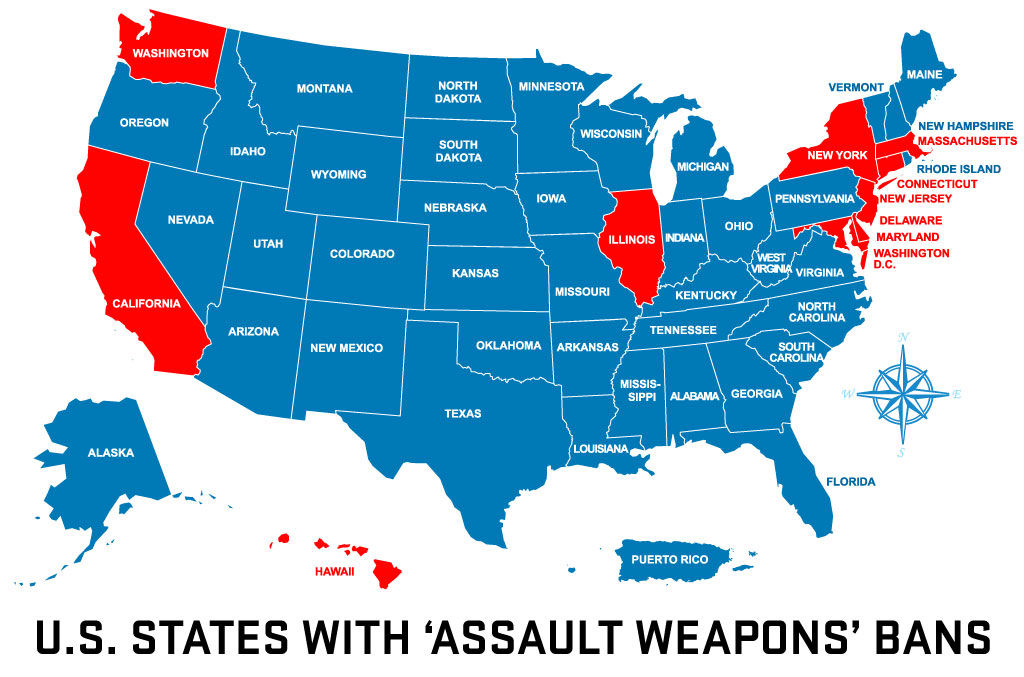
States with Comprehensive Bans (2026)
As of early 2026, a number of states maintain comprehensive bans on assault weapons. These bans generally prohibit the sale, transfer, and possession of specific firearms deemed to be particularly dangerous. California is arguably the most restrictive, prohibiting the manufacture, import, sale, and transfer of numerous semi-automatic rifles, shotguns, and pistols deemed "assault weapons" under its Penal Code section 30800. This includes models like the AK-47, AR-15, and their variants, as well as certain Calico and Steyr firearms.
Connecticut’s ban, enacted in 1994 and strengthened in subsequent years, similarly prohibits specific models and features. It explicitly bans firearms with features like detachable magazines and pistol grips, and lists specific makes and models. Delaware, Hawaii, Maryland, Massachusetts, New Jersey, and New York all have comparable bans, generally focusing on semi-automatic rifles with detachable magazines and specific cosmetic features. New York’s law, the New York Secure Ammunition and Firearms Enforcement (SAFE) Act, is particularly broad in its restrictions.
In Massachusetts, the law prohibits assault weapons and large-capacity magazines. The definition is broad and includes many semi-automatic rifles and shotguns. Rhode Island and Vermont also have bans in place, although Vermont’s is relatively newer and still facing some legal challenges. Washington state’s ban, passed in 2023, prohibits the sale and import of assault weapons, defining them based on features and specific models. The District of Columbia also maintains a comprehensive ban on assault weapons.
Magazine capacity restrictions are a common component of these bans. Many states limit magazines to 10 rounds, while others have lower limits. For example, New Jersey restricts magazines to 10 rounds, while California's limit is 10. These restrictions apply not only to new magazines but also to existing ones in some cases. Legal challenges to these bans are ongoing, with arguments frequently centering on Second Amendment rights and due process concerns. For instance, the Supreme Court has recently been hearing cases related to restrictions on bump stocks, which could influence the future of these bans.
- California: AR-15, AK-47 variants, Calico rifles, Steyr AUG and others defined by specific features.
- Connecticut: Firearms with detachable magazines and pistol grips, specific models listed in statute.
- New York: AR-15, AK-47 variants, and other semi-automatic rifles with specific features under the SAFE Act.
States with Partial Restrictions
Unlike states with comprehensive bans, several others have opted for partial restrictions on assault weapons. These laws often focus on specific features, require registration, or impose stricter background checks. Colorado, for example, prohibits the sale and transfer of certain modified assault weapons and large-capacity magazines, but allows possession of legally owned firearms. Illinois passed a ban in 2023 on the sale of assault weapons and large-capacity magazines, though it includes a grandfathering clause for existing owners.
Maine restricts assault weapons by prohibiting specific features, such as detachable magazines and flash suppressors. However, the law includes exemptions for certain firearms used for hunting. Minnesota has a ban on assault weapons that took effect in 2023, prohibiting the sale and possession of certain semi-automatic firearms and large-capacity magazines. Nevada prohibits the sale of rapid-fire trigger activators and requires serial numbers on homemade firearms.
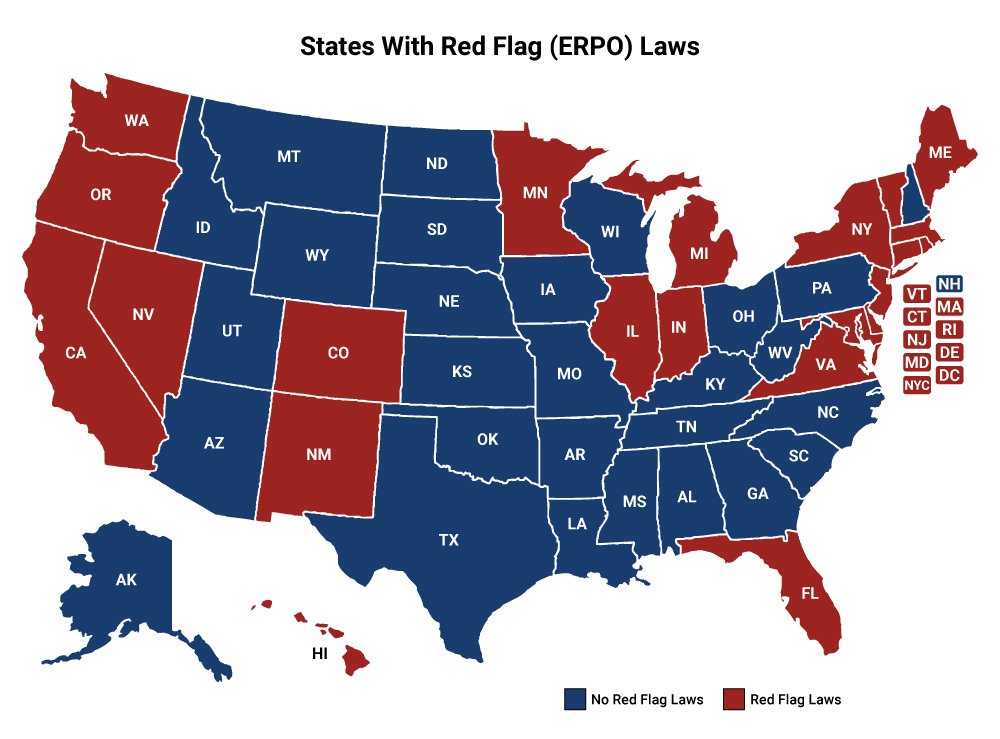
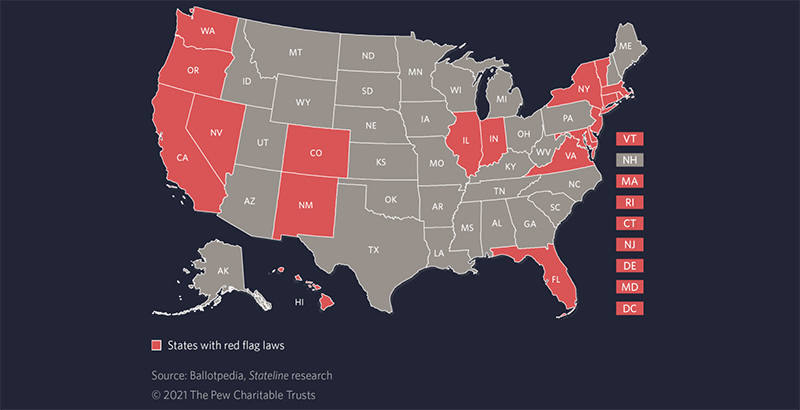
Oregon has a "red flag" law that allows temporary removal of firearms from individuals deemed a danger to themselves or others, and also requires background checks for all firearm sales, including private sales. Virginia has enacted laws requiring universal background checks and prohibiting the sale of certain assault weapons accessories. A key aspect of many of these partial bans is the inclusion of grandfathering clauses, allowing individuals who legally owned prohibited firearms before the ban to retain them, often subject to registration requirements.
Penalties for violating these restrictions vary widely. They can range from misdemeanor charges and fines to felony convictions and imprisonment. It's crucial for gun owners in these states to understand the specific requirements and potential consequences of non-compliance. Recent changes in state laws, like the Illinois ban, demonstrate how quickly the legal landscape can evolve, making ongoing vigilance essential.
Defining 'Assault Weapon': A State-by-State Breakdown
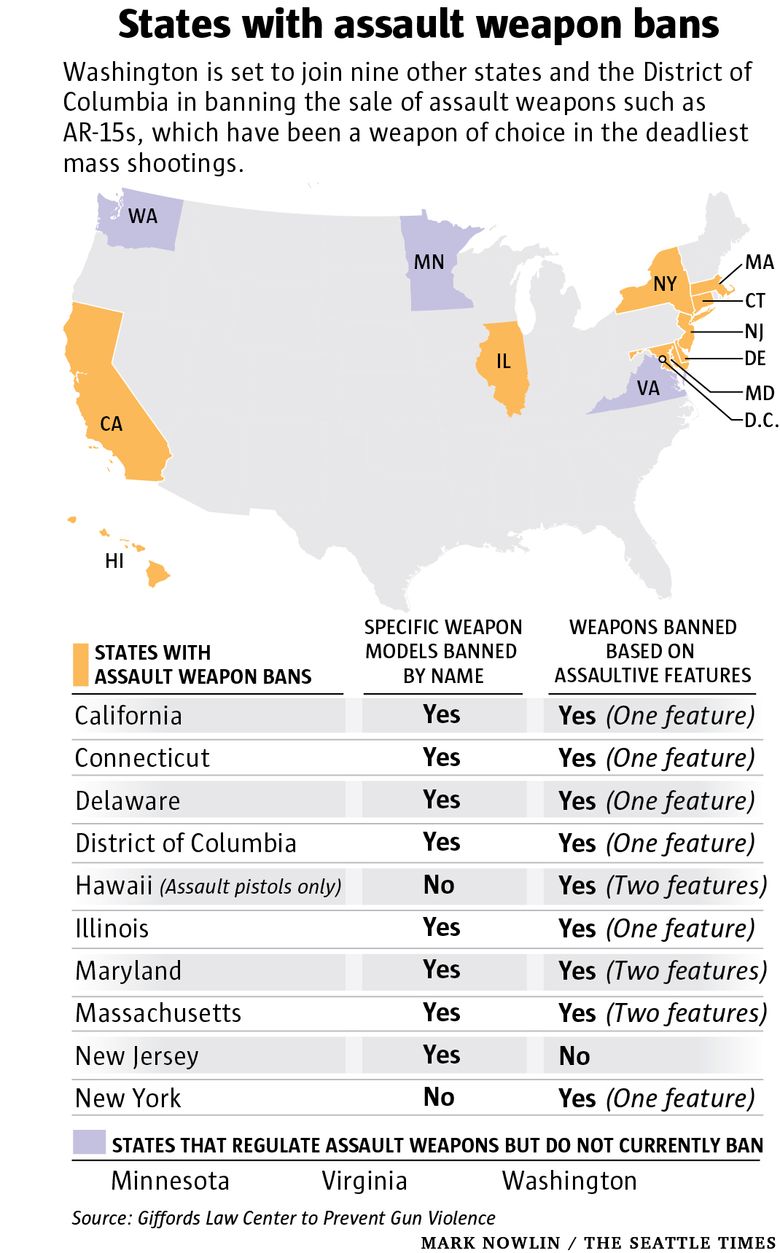
The lack of a consistent definition for "assault weapon" is a major source of confusion. States employ vastly different criteria, making it difficult to determine which firearms are prohibited. The following table provides a comparative overview of the definitions used in several states.
It's important to note that this table is not exhaustive and laws are subject to change. The "Definition (based on features)’ column summarizes the key characteristics that trigger a ban in each state. The ‘Specific Models Prohibited (examples)" column provides illustrative examples, but is not necessarily a complete list. The information is current as of early 2026, but readers should always verify the latest laws in their jurisdiction.
- State: California
- Definition (based on features): Semi-automatic rifles with detachable magazines and specific features like pistol grips, thumbholes, and flash suppressors.
- Specific Models Prohibited (examples): AR-15, AK-47, Steyr AUG, Calico rifles.
- Magazine Capacity Limit: 10 rounds
- Other Restrictions: Restrictions on homemade firearms and modifications.
- State: Connecticut
- Definition (based on features): Semi-automatic rifles with detachable magazines and pistol grips.
- Specific Models Prohibited (examples): AR-15, AK-47 variants.
- Magazine Capacity Limit: 10 rounds
- Other Restrictions: None specifically noted.
- State: Illinois
- Definition (based on features): Semi-automatic rifles with detachable magazines and specific features.
- Specific Models Prohibited (examples): AR-15, AK-47, and many other semi-automatic rifles.
- Magazine Capacity Limit: 10 rounds
- Other Restrictions: Grandfathering clause for existing owners.
Assault Weapon Bans by State 2026: A Comparative Overview
| State | Definition (Feature-Based) | Examples of Prohibited Firearms | Magazine Capacity Limit | Grandfathering Clause | Registration Requirement |
|---|---|---|---|---|---|
| California | Semi-automatic rifles with detachable magazines and specific features (pistol grips, folding/telescoping stocks, etc.). Defined by Penal Code sections 30510 and 30515. | AR-15 style rifles, AK-47 style rifles, certain .22 caliber rifles with prohibited features. | 10 rounds | Yes, for firearms legally registered before January 1, 2001, with specific conditions. | Yes, all firearms must be registered with the California Department of Justice. |
| Connecticut | Semi-automatic rifles with detachable magazines and specific features. Defined by Public Act 13-3, as amended. | AR-15, AK-47, and similar firearms. | 10 rounds | Yes, for lawfully possessed magazines as of April 4, 2013. | Yes, through the state's existing firearm eligibility system. |
| Maryland | Regulates assault weapons based on specific features and makes. Defined in Criminal Law Article § 4-316. | AR-15 style rifles, AK-47 style rifles, and copies or derivatives thereof. | 10 rounds | Yes, for magazines legally possessed before October 1, 2013. | Yes, through the Maryland State Police. |
| Massachusetts | Defines 'large capacity rifles' and 'assault weapons' based on features and makes. General Laws c. 140, § 129C. | AR-15 style rifles, AK-47 style rifles, and similar firearms with specific features. | 10 rounds | No explicit grandfathering clause, but pre-ban firearms may be subject to registration. | Yes, through the Massachusetts Firearms Licensing Bureau. |
| New York | Defines 'assault weapons' based on features and makes. Penal Law Article 265.00. | AR-15 style rifles, AK-47 style rifles, and similar firearms. | 10 rounds | No grandfathering clause for newly prohibited firearms. | Yes, through the New York State Police. |
| New Jersey | Defines 'assault firearms' based on specific features. N.J.S.A. 2C:39-1. | AR-15 style rifles, AK-47 style rifles, and similar firearms with specific features. | 10 rounds | Yes, for legally possessed magazines as of September 1, 2018. | Yes, through the New Jersey State Police. |
| Colorado | Prohibits the manufacture, sale, and possession of 'assault weapons' defined by specific features. (HB23-1292) | AR-15 style rifles, AK-47 style rifles, and similar firearms with specific features. | 10 rounds | No. | No. |
| Illinois | Prohibits the manufacture, sale, and possession of 'assault weapons' defined by specific features. (Public Act 103-065) | AR-15 style rifles, AK-47 style rifles, and similar firearms with specific features. | 10 rounds | Limited grandfathering for existing owners, subject to registration. | Yes, mandatory registration of previously legally owned assault weapons. |
Illustrative comparison based on the article research brief. Verify current pricing, limits, and product details in the official docs before relying on it.
Federal Legislation: The 2025 Assault Weapons Ban
H.R.3115, the "Assault Weapons Ban of 2025,’ proposes a federal ban on the manufacture, sale, transfer, and possession of certain semi-automatic rifles and large-capacity magazines. The bill defines ‘assault weapon" based on a list of prohibited features, including detachable magazines, pistol grips, adjustable stocks, and barrel shrouds. It also lists specific models that would be banned, such as the AR-15 and AK-47 variants.
Key provisions of the bill include a ban on large-capacity magazines holding more than 10 rounds, and a requirement that existing firearms be modified to comply with the ban or be surrendered to authorities. The bill also includes provisions for the safe storage of firearms. The likelihood of it passing in 2026 is currently low, given the divided political climate and strong opposition from gun rights advocates.
Arguments in favor of the bill center on public safety and reducing gun violence. Supporters point to the potential for these weapons to be used in mass shootings. Opponents argue that the ban infringes on Second Amendment rights and would not effectively reduce crime. Legal challenges are almost certain if the bill were to pass, with arguments likely to focus on the constitutionality of the ban and whether it violates due process rights.
The impact on states that already have bans would be minimal, as they would likely align with the federal law. However, the impact on states that don’t have bans would be significant, potentially leading to widespread confiscation or modification of firearms. The bill's passage could also trigger a surge in legal challenges and further polarization of the gun control debate.
Impact on Gun Owners: What You Need to Know
For gun owners, the increasing number of assault weapon bans and restrictions have significant practical implications. The most immediate concern is ensuring compliance with the laws in your state and any states you might travel to. Possessing a prohibited firearm can result in criminal charges, fines, and imprisonment. It’s vital to know exactly what firearms and features are prohibited in your jurisdiction.
Gun owners should also consider the risks of modifying their firearms to comply with the law. Some modifications may render the firearm unreliable or reduce its functionality. Voluntary buyback programs are sometimes offered as an alternative to surrendering prohibited firearms, but these programs often come with limited compensation. Always document any transactions or modifications you make to your firearms.
If you own a prohibited firearm, you have several options: surrender it to authorities, modify it to comply with the law (if possible), or move to a state where it is legal. Each option has its own risks and benefits, and the best course of action will depend on your individual circumstances. It’s crucial to consult with a qualified attorney to understand your legal rights and obligations.
Disclaimer: This information is for general knowledge only and should not be considered legal advice. Gun owners should always consult with an attorney to ensure they are in compliance with all applicable laws. Resources like the USCCA (usconcealedcarry.com) can provide additional information, but legal counsel is essential for specific guidance.
- Check State Laws: Determine what firearms are prohibited in your state.
- Assess Your Firearms: Identify any firearms that may be affected by the bans.
- Consider Your Options: Surrender, modify, or relocate.
- Seek Legal Counsel: Consult with an attorney for personalized advice.
Recent Court Cases and Legal Challenges
Assault weapon bans have consistently faced legal challenges, often centered on Second Amendment rights. The Supreme Court case New York State Rifle & Pistol Association, Inc. v. Bruen (2022) significantly impacted the legal landscape, establishing a new standard for evaluating gun control laws. This decision requires that gun control laws be consistent with the nation's historical tradition of firearm regulation.
Several cases challenging state assault weapon bans are currently working their way through the courts. In California, challenges to the state’s ban are based on arguments that it violates the Second Amendment and lacks a historical basis. Similar challenges are ongoing in Connecticut, Maryland, and New York. The outcomes of these cases could have a broad impact on the future of assault weapon bans across the country.
A key argument made by opponents of these bans is that they are "categorically prohibited" weapons, meaning they ban entire classes of firearms based on their appearance or features, rather than focusing on their actual dangerousness. Courts have generally been hesitant to uphold bans that are overly broad or infringe on fundamental rights. However, the interpretation of the Second Amendment remains a complex and evolving area of law.
Recent rulings regarding bump stocks—the Supreme Court effectively banned them in 2024—demonstrate a willingness to uphold restrictions on firearm accessories deemed particularly dangerous. This could potentially strengthen the legal arguments in favor of assault weapon bans, but the specifics of each case will ultimately determine the outcome.
- New York State Rifle & Pistol Association, Inc. v. Bruen (2022): Established a new standard for evaluating gun control laws.
- California Challenges: Ongoing cases challenging the state's assault weapon ban.
- Maryland Challenges: Similar challenges to Maryland's ban are underway.
Looking Ahead: Trends and Predictions for 2027
The future of assault weapon bans remains highly uncertain. We can expect to see continued legal challenges to existing bans, as well as ongoing debates about the scope and constitutionality of these laws. The outcome of the 2024 presidential election and subsequent Congressional elections will likely play a significant role in shaping the legislative landscape.
It’s likely that more states will consider adopting assault weapon bans in the coming years, particularly in states with strong gun control advocacy groups. However, these efforts will likely face strong opposition from gun rights organizations and may be subject to legal challenges. The trend towards stricter background checks and "red flag" laws is also likely to continue.
The courts will continue to be a key battleground in this debate. Future rulings on Second Amendment cases could significantly alter the legal landscape, either upholding or striking down existing bans. The increasing focus on "assault weapon" features, rather than specific models, may become a more common approach for lawmakers seeking to regulate these firearms.
Predicting the future with certainty is impossible, but it’s clear that the debate over assault weapon bans will continue to be a contentious and evolving issue. Staying informed about the latest developments and understanding your legal rights is crucial for gun owners and anyone interested in this important debate.
No comments yet. Be the first to share your thoughts!