

Storing Guns: A Growing Legal Focus
The conversation around gun ownership is shifting. For a long time, the focus was primarily on the right to bear arms, but increasingly, attention is turning to the responsibilities that come with it. We’re seeing a surge in legislative activity aimed at safe gun storage, driven by a confluence of factors—rising rates of gun violence, tragic accidental shootings, and a growing understanding of the role unsecured firearms play in suicide.
The Secure Firearm Storage and Suicide Prevention Act of 2026 (H.R.7591) is the latest federal attempt to set national standards. While the bill is currently stuck in committee, its existence shows how much the political climate has shifted. This isn't about taking guns away; it's about making sure they don't end up in the wrong hands by accident.
Historically, gun storage was largely considered a personal matter, left to the discretion of the owner. Now, though, states are beginning to codify requirements, and the potential for federal legislation looms large. This shift reflects a broader societal recognition that responsible gun ownership isn’t just about how a firearm is used, but how it’s kept when it’s not.
We are at a point where the debate has moved past the 'if' and into the 'how.' Locking up a gun is a small step that stops a suicide or a child's accident. The consequences of a loose firearm rarely stay confined to the person who bought it.
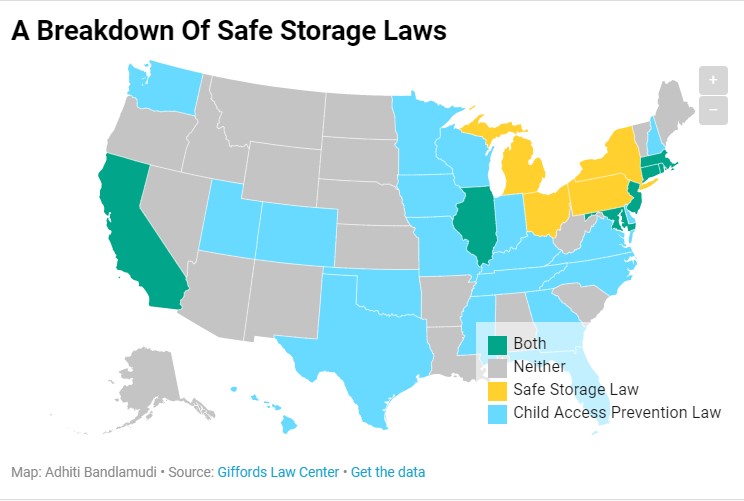
defining mandatory storage
States with mandatory safe storage laws aim to prevent unauthorized access to firearms. But what exactly constitutes 'safe storage'? The specifics vary, but generally, it involves rendering the firearm inoperable or securing it in a way that makes it difficult for someone other than the owner to access it. This can include using a locked safe, a gun vault, a trigger lock, or a cable lock.
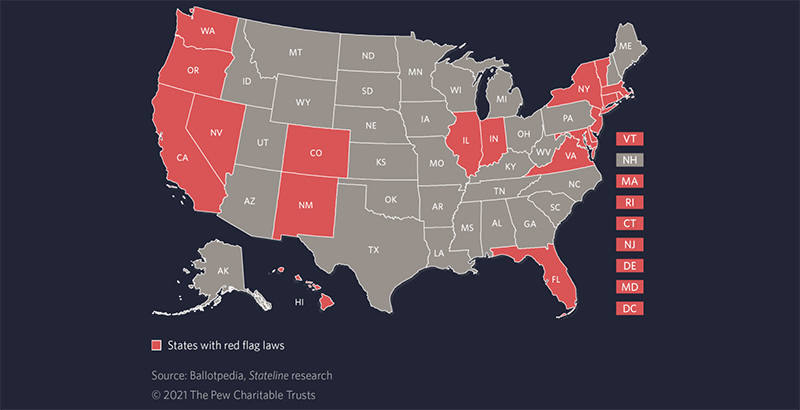
California’s laws are particularly stringent. They require firearms to be locked in a locked container or disabled with a trigger lock. Massachusetts also has robust requirements, focusing on preventing access by children and unauthorized individuals. However, variations exist. Some states offer exceptions for self-defense, allowing quick access to a firearm in the event of an emergency.
Loaning a gun to a friend complicates things. In some states, you are still responsible for how that friend stores the weapon while it's in their house. Other states don't mention transfers at all, leaving a legal gray area that usually defaults to general negligence rules.
I’ve noticed that the definition of "reasonable care’ is often at the heart of these laws. Courts often interpret what a reasonable person would do to prevent unauthorized access, and that standard can be subjective and fact-dependent. Knowing the specifics of your state"s definition is vital.
Gun Storage Laws by State 2026: Safe Storage Requirements and Penalties
| State | Category | Brief Description | Link to State Law |
|---|---|---|---|
| Texas | Liability | Texas law does not mandate specific firearm storage practices, but owners can be held civilly liable for negligence if a firearm is misused by someone they allow access to it. | https://guides.sll.texas.gov/gun-laws/storage-safety |
| California | Mandatory | California requires firearms to be stored locked, either in a locked container or disassembled, and ammunition stored separately. There are exceptions for active duty military and law enforcement. | https://leginfo.legislature.ca.gov/faces/codes_displaySection.xhtml?lawCode=PEN§ionNum=25100 |
| Florida | Liability | Florida does not have a general safe storage law, but it does address negligent storage if a child gains access and is injured. Criminal penalties may apply in those circumstances. | https://www.flsenate.gov/Laws/Statutes/2018/790.174 |
| New York | Mandatory | New York requires firearms to be secured when not in the possessor’s immediate control, with specific requirements for locking devices. | https://www.nysenate.gov/legislation/laws/PEN/article-265 |
| Pennsylvania | Preemption | Pennsylvania state law preempts local governments from enacting their own gun storage regulations. The state does not have a general safe storage requirement. | https://www.legis.state.pa.us/cfdocs/legis/PFCode/Title18.htm |
| Illinois | Liability | Illinois law does not mandate safe storage, but it establishes civil liability for negligent storage if a firearm is stolen and used in a crime. | https://www.ilga.gov/legislation/ilcs/ilcs4.asp?ActID=2483&ChapterID=720 |
| Arizona | No Specific Law | Arizona does not have any statewide laws mandating specific firearm storage practices. | https://www.azleg.gov/ars/title13/29101.htm |
Illustrative comparison based on the article research brief. Verify current pricing, limits, and product details in the official docs before relying on it.
Negligent Storage & Liability
Even in states without mandatory safe storage laws, gun owners can still be held liable for negligence. This generally means that if an unsecured firearm is used in a crime, or if someone is injured or killed due to the gun being left accessible to an unauthorized person, the owner could face legal consequences. The legal concept hinges on 'reasonable care' – did the owner take adequate steps to prevent misuse of the firearm?
Determining what constitutes negligence isn't always straightforward. Courts often consider factors like the age and maturity of individuals who might have access to the firearm, the location where the gun was stored, and whether the owner knew or should have known about potential risks. It’s a fact-specific inquiry, and outcomes can vary significantly.
The penalties for negligent storage can range from civil lawsuits to criminal charges. In a civil case, the gun owner could be sued for damages by the victim or their family. Criminal charges, while less common, can result in fines or even imprisonment. The severity of the penalty often depends on the circumstances of the incident.
These laws change fast and vary by county. If you're worried about a specific storage setup, talk to a local attorney who handles Second Amendment cases. Relying on a general summary isn't a substitute for legal counsel.
States Without Specific Storage Laws
A number of states currently have minimal or no specific regulations regarding gun storage. This doesn't mean gun owners in these states are off the hook, however. The principle of negligence still applies. If an unsecured firearm is used to cause harm, the owner can still be held liable, even without a specific storage law on the books.
In these states, education and voluntary safe storage practices are particularly important. Resources like those offered by the National Shooting Sports Foundation and local gun safety organizations can provide valuable information on how to store firearms safely and prevent accidents. It’s about taking personal responsibility, even in the absence of legal mandates.
Even without a specific storage law, reckless behavior still carries criminal weight. Leaving a loaded pistol on a park bench or in an unlocked car in a busy lot can lead to reckless endangerment charges. Prosecutors don't need a storage-specific statute to file charges if the negligence is obvious.
I think it's a misconception to view these states as 'lax' on gun safety. It simply means they’ve chosen a different approach—one that relies more on individual responsibility and less on government regulation.
Federal Legislation: H.R.7591
The Secure Firearm Storage and Suicide Prevention Act of 2026 (H.R.7591) represents a significant potential shift in federal gun policy. The bill aims to reduce firearm-related suicides and accidental shootings by promoting safe storage practices. It proposes a national standard for firearm storage, which could have a profound impact on states currently lacking specific laws.
Key provisions of the bill include requirements for retailers to offer safe storage devices with firearm sales and penalties for negligent storage resulting in suicide or accidental death. Specifically, it would impose criminal penalties on individuals whose unsecured firearms are used in such incidents. The bill also includes provisions for grants to support safe storage education programs.
Arguments in favor of the legislation center on the preventable nature of many firearm-related deaths and injuries. Proponents argue that safe storage is a common-sense measure that can save lives. Opponents, however, raise concerns about potential infringement on Second Amendment rights and the practicality of enforcing such a law. They argue that it could hinder self-defense capabilities.
If passed, H.R.7591 would likely preempt some state laws, creating a national baseline for safe storage. This could mean that states with weaker laws would be required to comply with the federal standard, while states with stricter laws could potentially continue to enforce their own regulations. It's a complex interplay of federal and state authority.
fines and jail time
Penalties for violating gun storage laws vary dramatically from state to state. It's crucial to understand the specific consequences in your jurisdiction. Generally, penalties fall into two categories: civil and criminal.
Civil penalties typically involve financial liability. A gun owner could be sued for damages by someone injured or harmed as a result of negligent storage. The amount of damages can vary widely, depending on the extent of the harm and the specific circumstances of the case. In some states, these lawsuits can be brought by the state attorney general, seeking penalties on behalf of the public.
Criminal penalties can range from misdemeanor charges to felony convictions, depending on the severity of the violation and the resulting harm. Misdemeanor charges might result in fines and probation, while felony convictions could lead to imprisonment. For example, in Massachusetts, knowingly leaving a loaded firearm where a child could access it carries a potential prison sentence.
Here’s a tiered look: Minor violations (e.g., failing to secure a firearm when a child is present but no harm occurs) might result in a small fine. Serious violations (e.g., negligent storage leading to accidental injury or death) could lead to significant fines and several years in prison. It's essential to research the specific laws in your state to understand the potential consequences.
No comments yet. Be the first to share your thoughts!