

How background checks work now
Background checks for firearms have become a central point of debate in American gun control discussions. The basic idea is simple: before someone can purchase a gun, their background should be checked to ensure they aren’t legally prohibited from owning one. But the reality is far more complex. The term 'universal background check' gets thrown around a lot, and it’s important to understand what that actually means in practice.
A truly universal system would require a background check for every firearm sale, no matter where it takes place. However, many states have loopholes that exempt certain transactions, like private sales between individuals. This creates a situation where someone who would fail a background check at a licensed dealer can still obtain a gun legally through a private seller. It's a significant issue.
The foundation for the current system is the Brady Handgun Violence Prevention Act of 1993, which mandated federal background checks for purchases from licensed firearms dealers. Before Brady, there was no federal requirement. Over the years, states have gradually expanded their own background check laws, leading to a patchwork of regulations across the country. The result is a system that varies dramatically from state to state, and even within states, depending on the type of sale.
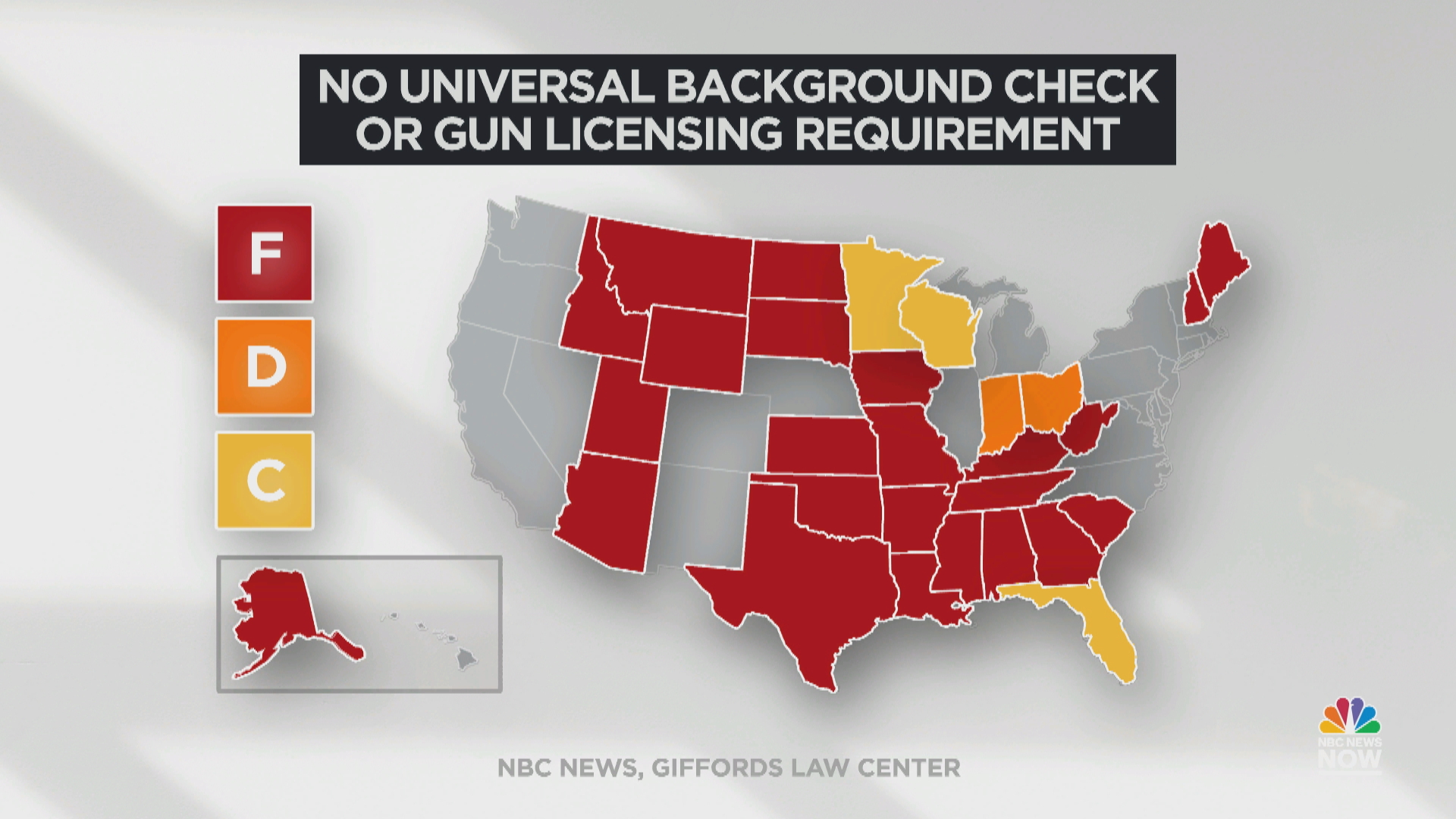
States with universal mandates
As of late 2024, and projecting current legislative trends into 2026, nine states have what can reasonably be described as universal background check laws. These states – California, Colorado, Connecticut, Delaware, Hawaii, Maryland, Massachusetts, New Jersey, and New York – all require background checks for nearly all firearm sales, including those between private parties. However, even within these states, exceptions exist.
California requires background checks through the Department of Justice for all gun sales and transfers, with limited exceptions for immediate family members. Colorado passed a law in 2023 that closes loopholes related to private gun sales, requiring background checks through a licensed dealer. Connecticut requires background checks for all firearm sales, including those at gun shows. Private transfers must be processed through a licensed dealer.
Delaware mandates background checks for all sales, including private transactions, which must be conducted through a licensed dealer. Hawaii requires background checks for all firearm purchases, and has some of the strictest gun laws in the nation. Maryland requires a background check for all firearm sales, and private sellers must go through a licensed dealer. The state also requires a handgun qualification license.
Massachusetts requires background checks for all firearm sales, including private transfers. New Jersey requires background checks for all firearms sales, and has a relatively lengthy application process. New York requires background checks for all firearm sales, and has strict regulations regarding assault weapons and high-capacity magazines. It’s worth noting that even in these states, enforcement can be a challenge, and loopholes may still exist.
Several other states are actively considering expanding their background check laws. For example, legislatures in Michigan and Minnesota have recently debated bills that would close private sale loopholes. The outcome of these debates will significantly impact the number of states with universal background check laws by 2026. It’s a fluid situation.
Here's a quick overview in table format:
- California: All sales through DOJ, limited family exceptions
- Colorado: Requires checks for private sales through licensed dealers as of 2023.
- Connecticut: All sales, including gun shows, through licensed dealers
- Delaware: All sales through licensed dealers
- Hawaii: All sales, strict regulations overall
- Maryland: All sales, handgun qualification license required
- Massachusetts: All sales, including private transfers
- New Jersey: All sales, lengthy application process
- New York: All sales, strict regulations on assault weapons
Universal Background Check States 2026: Requirements by State
| State Name | Universal Background Check | Private Sales Included | Gun Show Sales Included | Online Sales Included | Key Exceptions |
|---|---|---|---|---|---|
| California | Yes | Yes | Yes | Yes | Some transfers between immediate family members may be exempt. |
| Colorado | Yes | Yes | Yes | Yes | Limited exceptions for antique firearms. |
| Connecticut | Yes | Yes | Yes | Yes | Certain long-term loans/gifts may be exempt. |
| Delaware | Yes | Yes | Yes | Yes | Exemptions for law enforcement and certain officials. |
| Hawaii | Yes | Yes | Yes | Yes | Strict permitting process required in addition to background checks. |
| Illinois | Yes | Yes | Yes | Yes | Requires a Firearm Owner Identification (FOID) card. |
| Maryland | Yes | Yes | Yes | Yes | Handgun Qualification License (HQL) required for handgun purchases. |
| Massachusetts | Yes | Yes | Yes | Yes | Requires a License to Purchase (LTP) and a Firearm Identification Card (FID). |
Illustrative comparison based on the article research brief. Verify current pricing, limits, and product details in the official docs before relying on it.
Defining a qualifying sale
Determining what actually triggers a background check isn't always straightforward. States differ in how they define a 'bona fide firearm transaction.' Generally, any transfer of a firearm for consideration – meaning money or something of value – is considered a sale and requires a background check. But what about gifts? Inheritances? These are often treated differently.
Many states exempt gifts of firearms between immediate family members. However, the definition of 'immediate family' can vary. Some states include grandparents, aunts, and uncles, while others are more restrictive. Inheritances are also often exempt, but may require specific documentation, like a probate court order, to demonstrate legal ownership.
Temporary transfers – for example, letting someone borrow a gun for hunting or sport shooting – are another gray area. Some states require a background check even for temporary transfers, while others do not. The duration of the transfer and the intent of the parties involved can also be factors. It’s crucial to understand your state’s specific laws regarding these types of transactions to avoid unintentionally violating the law.
The NICS System: How Background Checks Work
The National Instant Criminal Background Check System, or NICS, is the system used by federal firearms licensees (FFLs) to conduct background checks. It's operated by the FBI and checks submitted information against a variety of databases to determine if a potential buyer is prohibited from owning a firearm.
These databases include the National Crime Information Center (NCIC), which contains information on criminal records, restraining orders, and other disqualifying factors. NICS also checks the Interstate Identification Index (III), which contains information on state criminal records and outstanding warrants. The system is not perfect, and there have been instances where disqualifying information wasn't properly entered into the databases.
The process typically involves the buyer completing a form (ATF Form 4473) at the point of sale. The FFL then submits the information to NICS, which conducts the background check. If the check comes back clear, the sale can proceed. If there's a 'pending' result, the FFL may be required to contact the FBI for further investigation. If the check results in a 'denial,' the sale cannot proceed, and the buyer has the right to appeal the decision.
States Expanding Background Check Requirements
Several states have recently taken steps to expand their background check requirements. In 2023, Oregon passed legislation requiring background checks for private firearm sales, which went into effect in 2024. This law closes a significant loophole that previously allowed individuals to purchase guns without a background check at gun shows or through online marketplaces.
Minnesota and Michigan have also seen active debates regarding universal background checks. While legislative efforts haven’t yet been fully successful in these states, the ongoing discussions signal a growing momentum for stricter gun control measures. These proposed laws often face opposition from gun rights advocates who argue they infringe on Second Amendment rights.
New Mexico also recently enacted a law requiring background checks for most firearm sales. The driving force behind these changes is a desire to reduce gun violence and prevent firearms from falling into the hands of individuals who are legally prohibited from owning them. The effectiveness of these laws remains a subject of debate, but they represent a clear trend toward expanding background check requirements.
Loopholes and Limitations
Even in states with universal background check laws, loopholes can and do exist. One common loophole involves private sales facilitated online. While the sale itself may technically take place within the state, the initial contact and arrangement often occur online, making it difficult to track and regulate. Straw purchases – where someone buys a gun for someone else who is prohibited from owning one – also remain a significant problem.
Another limitation is the lack of a comprehensive federal gun registry. Without a centralized database of gun owners and firearms, it's difficult to track guns that are used in crimes or to identify individuals who are attempting to circumvent the background check system. The absence of such a registry is a long-standing point of contention between gun control advocates and gun rights supporters.
Furthermore, the effectiveness of background checks relies on the accuracy and completeness of the databases used by NICS. Gaps in data, such as missing criminal records or outdated information, can allow prohibited individuals to purchase firearms. Addressing these limitations requires ongoing investment in data collection and improvement.
No comments yet. Be the first to share your thoughts!