

Initial steps for moving with firearms
Moving with guns requires planning months before you pack a single box. Firearm regulations vary by state, and ignoring these differences leads to criminal charges. You need to know the laws of both your origin and destination to stay out of jail.
The first step is acknowledging the complexity. Federal law governs the transport of firearms, but once you cross state lines and establish residency, you're subject to the laws of your new home. This means researching permit requirements, magazine capacity limits, and any other restrictions that may apply. Don't assume that what was legal in your previous state will be legal in your new one.
Responsible gun ownership means respecting the law, and that begins with thorough research. I often see people make the mistake of waiting until they arrive to start looking into regulations. That’s a gamble. Begin your investigation months in advance to give yourself ample time to understand the requirements and make necessary arrangements. Consider consulting with an attorney specializing in firearms law for personalized advice.
This isn’t about advocating for or against gun control; it’s about ensuring you remain compliant with the laws wherever you choose to live. Failing to do so could result in criminal charges, loss of your firearms, and significant legal fees. Start early, be diligent, and prioritize legal compliance throughout the entire moving process.
Federal rules for interstate transport
The Transportation Security Administration (TSA) has specific rules for transporting firearms and ammunition on airplanes, and these rules are designed to ensure passenger safety. These regulations aren’t about restricting gun ownership; they’re about maintaining security during air travel. Ignoring them can lead to hefty fines and even arrest. The TSA website (tsa.gov) is your primary resource for the most up-to-date information.
The core rule is that firearms must be unloaded, and securely packed in a locked, hard-sided case. Ammunition is also subject to restrictions and should be packed separately from the firearm, ideally in its original packaging. You must declare the firearm to the airline at check-in. Failure to declare can result in a federal offense. Airlines often have their own specific policies, so check with your carrier before you travel.
The Firearm Owners’ Protection Act (FOPA) of 1986 protects you while traveling through states with strict laws, but it ends the moment you reach your destination. FOPA is a shield for transit, not a permit for your new home. If you stop for a night in a restrictive state, FOPA might not protect you if the gun isn't locked away according to federal standards.
It's easy to assume that simply putting a gun in a case is enough, but it’s not. The case must be truly locked, meaning it requires a key or combination to open. The TSA agent will verify this. Remember, the purpose of these regulations is to prevent firearms from falling into the wrong hands during transit. A little extra effort in preparation can save you a lot of trouble at the airport.
- Unload every firearm before packing.
- Place the firearm in a locked, hard-sided case.
- Pack ammunition separately.
- Declare the firearm to the airline at check-in.
- Familiarize yourself with airline-specific policies.
How states categorize gun laws
To give you a quick overview, I've categorized states based on the restrictiveness of their gun laws. This is, of course, a generalization, but it provides a helpful starting point for your research. Keep in mind that laws are constantly changing, so always verify information with official state sources. This tier system isn't definitive, but it offers a broad understanding of the legal climate.
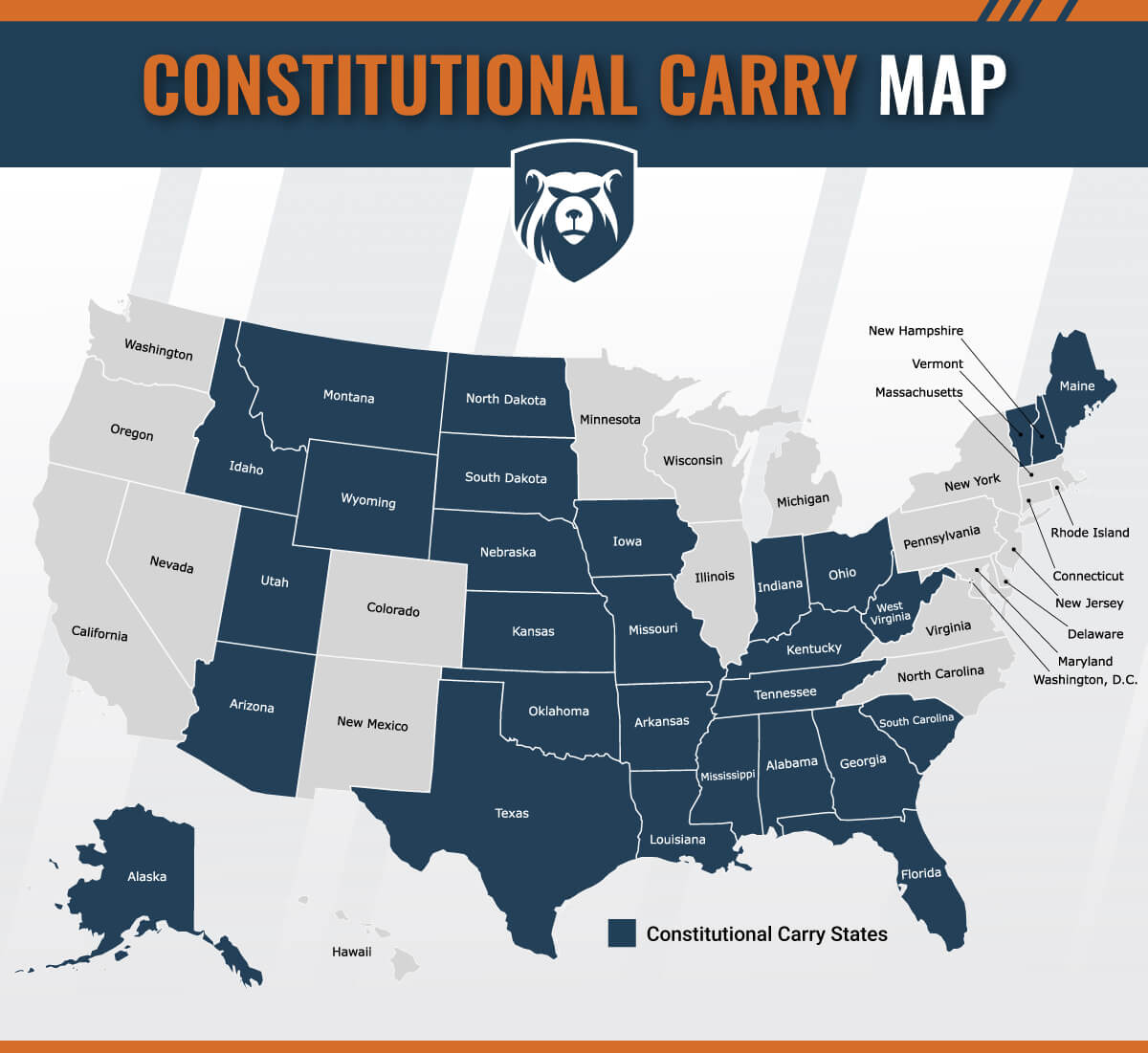
Permissive states have minimal restrictions on gun ownership and carry. These states generally recognize the Second Amendment rights of citizens with few limitations. Examples often include Arizona, Alaska, and Wyoming. Concealed carry is typically permitless or shall-issue with minimal requirements.
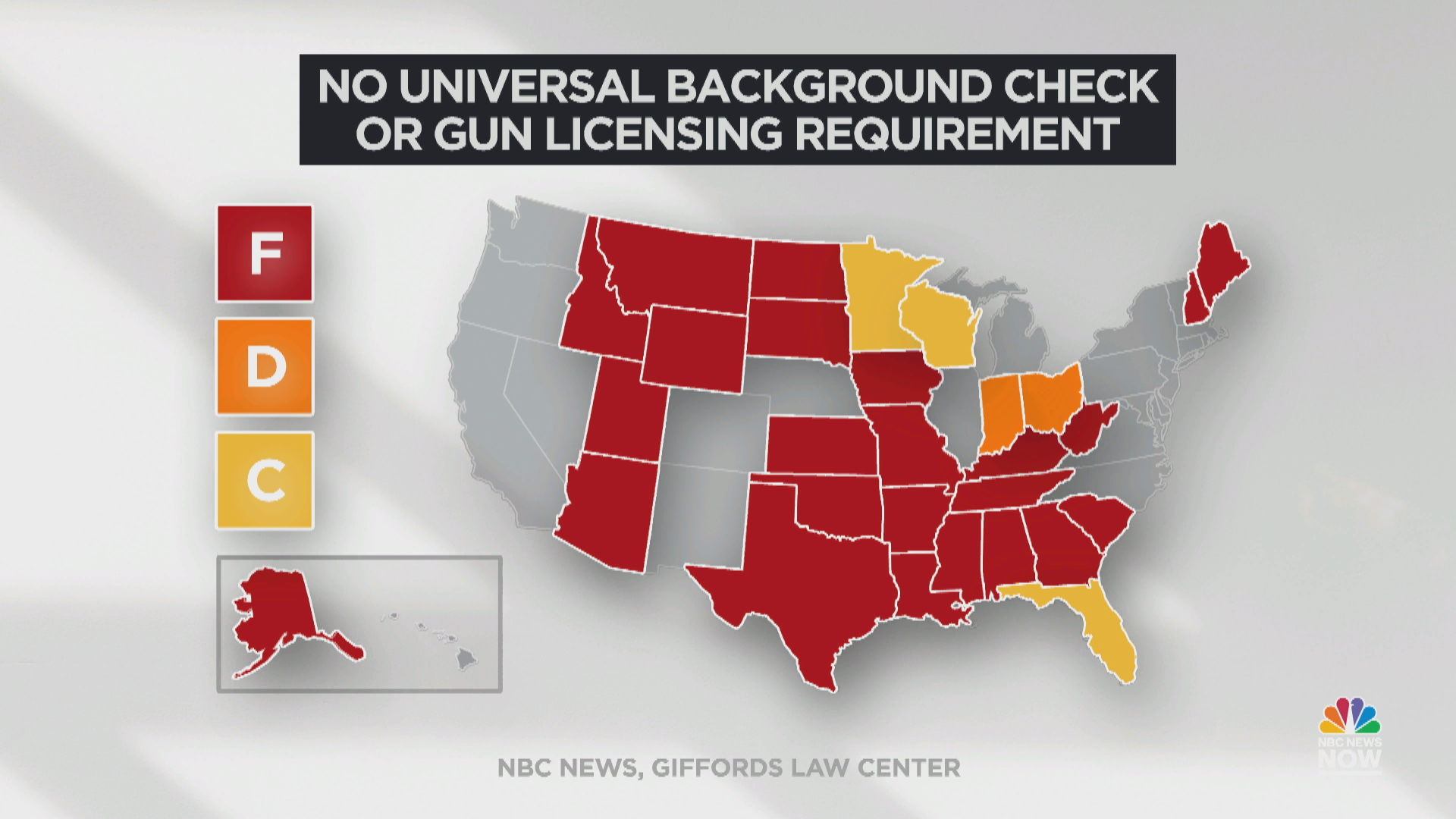
Moderate states have some regulations, but are generally pro-gun. They may require background checks for all firearm sales, but don't impose significant restrictions on types of firearms or magazine capacity. States like Texas, Utah, and North Carolina often fall into this category. They strike a balance between protecting Second Amendment rights and promoting public safety.
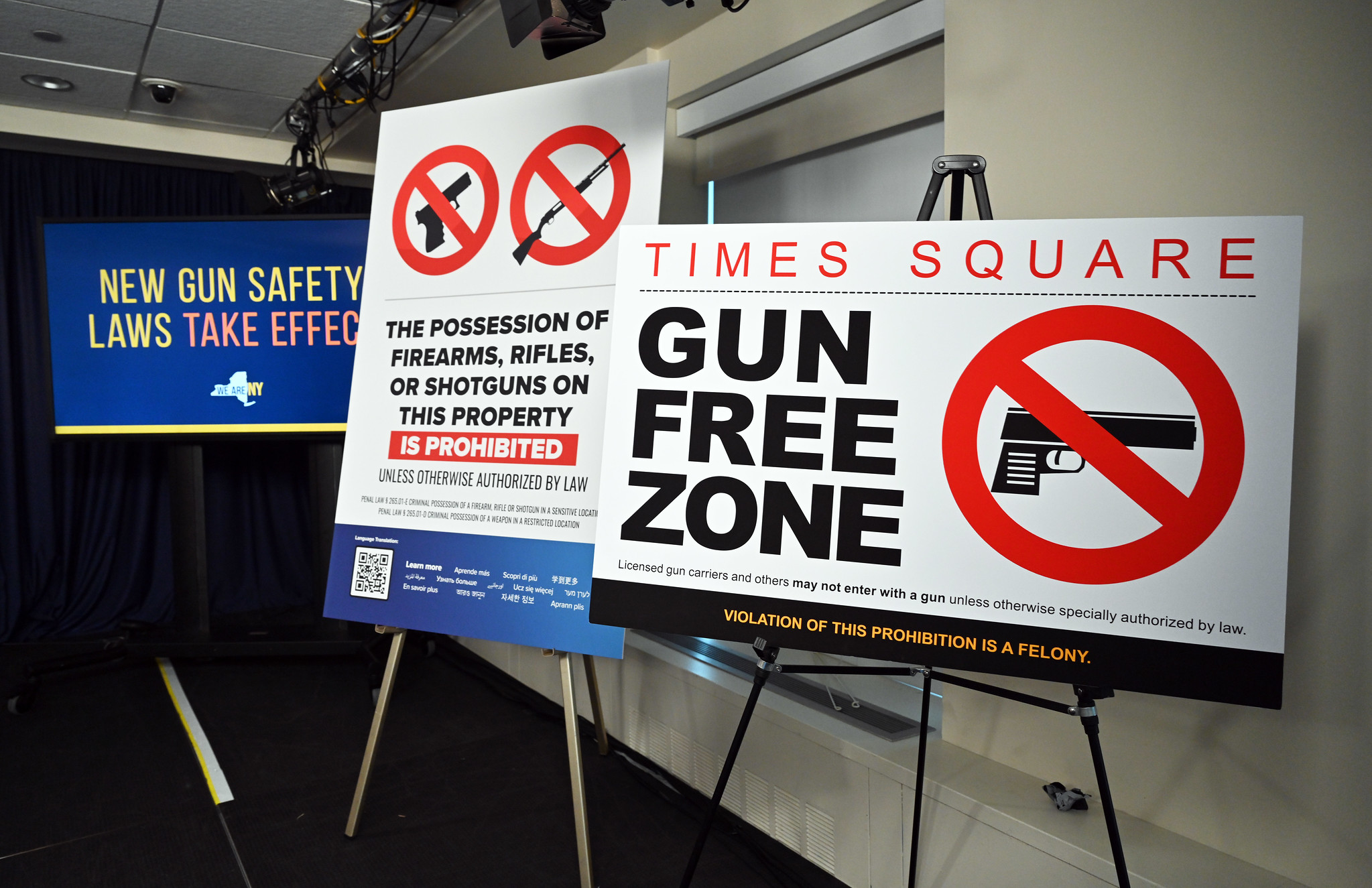
Restrictive states have significant regulations, including background checks, waiting periods, and restrictions on certain types of firearms. California, New York, and Massachusetts are examples. Obtaining a permit to purchase or carry a firearm can be challenging, and magazine capacity limits are common.
Gun Law Tier Categorization for New Residents – 2026
| State Name | Tier | Brief Description |
|---|---|---|
| Arizona | Permissive | Arizona generally has minimal restrictions on firearm ownership and carry, with a strong emphasis on the right to bear arms. Permits are not required for concealed carry. |
| Texas | Permissive | Texas allows both open and concealed carry with limited restrictions, and has recently loosened some regulations regarding permitting requirements. |
| Colorado | Moderate | Colorado requires background checks for firearm purchases and allows concealed carry with a permit. There are restrictions on certain types of firearms and magazines. |
| North Carolina | Moderate | North Carolina requires a background check for handgun sales and issues permits for concealed carry. Recent legislation has altered some permitting requirements. |
| Pennsylvania | Moderate | Pennsylvania has a tiered permitting system for concealed carry and generally allows open carry. Background checks are required for most firearm sales. |
| California | Highly Restrictive | California has some of the strictest gun laws in the nation, including comprehensive background checks, restrictions on assault weapons, and a 'handgun roster' of approved firearms. |
| New York | Highly Restrictive | New York requires licensing for firearm possession and purchase, and has restrictions on magazine capacity and certain types of firearms. Obtaining a permit can be a lengthy process. |
| Massachusetts | Highly Restrictive | Massachusetts requires a License to Carry and a Firearms Identification Card, and has strict regulations on the types of firearms and features allowed. |
Illustrative comparison based on the article research brief. Verify current pricing, limits, and product details in the official docs before relying on it.
State-by-State Breakdown: Key Regulations
State laws change fast. While I've listed the major requirements for high-traffic states below, you must check the state police website for your specific destination before you cross the border.
California: California has some of the strictest gun laws in the nation. A Firearm Safety Certificate is required to purchase a firearm, and there’s a 10-day waiting period. Magazine capacity is limited to 10 rounds, and “assault weapons” are banned. Concealed carry permits are issued at the discretion of local law enforcement. (Source: California Department of Justice, 2024).
Texas: Texas is a generally pro-gun state. There is no permit required to purchase a handgun, and the state recognizes permitless carry. However, background checks are still required for private sales. Magazine capacity limits are not present, and there are no bans on specific types of firearms. (Source: Texas Department of Public Safety, 2024).
Florida: Florida requires a background check for all firearm purchases. Concealed carry permits are available to those who meet certain requirements, and Florida has reciprocity agreements with many other states. There are restrictions on fully automatic firearms, but no magazine capacity limits. (Source: Florida Department of Law Enforcement, 2024).
Colorado: Colorado requires universal background checks for all firearm sales, including private transfers. The state has a “red flag” law allowing temporary removal of firearms from individuals deemed a threat to themselves or others. Carrying, storing, and discharging firearms are subject to specific regulations. (Source: cdphe.colorado.gov, accessed November 2024).
New York: New York has strict gun control laws. A license is required to possess any handgun, and the process for obtaining a license is rigorous. Magazine capacity is limited to 10 rounds, and “assault weapons” are banned. Concealed carry permits are difficult to obtain, even with proper training. (Source: New York State Police, 2024).
Arizona: Arizona is a permissive state. There are no permits required to purchase or possess firearms, and the state recognizes open and concealed carry. Background checks are only required for certain types of sales. Magazine capacity limits are not present. (Source: Arizona Department of Public Safety, 2024).
Illinois: Illinois requires a Firearm Owner Identification (FOID) card to purchase and possess firearms. There’s a waiting period for all firearm purchases, and the state has restrictions on “assault weapons” and high-capacity magazines. Concealed carry permits are available, but the application process can be lengthy. (Source: Illinois State Police, 2024).
Pennsylvania: Pennsylvania requires a background check for all firearm purchases through licensed dealers. Concealed carry permits are available, and the state has reciprocity agreements with many other states. There are no magazine capacity limits. (Source: Pennsylvania State Police, 2024).
Reciprocity and carry permits
Understanding reciprocity agreements is vital for those who plan to carry a concealed firearm while traveling or relocating. Reciprocity refers to agreements between states where one state recognizes the concealed carry permit issued by another. However, these agreements are complex and constantly changing. What’s valid today might not be tomorrow. The USCCA provides a reciprocity map, but it should be considered a starting point, not the final word. (usconcealedcarry.com)
Reciprocity isn’t always guaranteed. Even if two states have a reciprocity agreement, there may be specific requirements that must be met, such as age restrictions, training requirements, or restrictions on the types of firearms that can be carried. Some states only offer full reciprocity, meaning they recognize permits from all other states, while others offer limited reciprocity, recognizing permits from only a select few.
Non-residents can often obtain a concealed carry permit from a state, even if they don’t live there. However, the requirements for non-residents may differ from those for residents. Some states require non-residents to take a firearms safety course specifically tailored to that state’s laws. It’s crucial to research the specific requirements for each state before applying for a permit.
Always check the most current information before traveling with a concealed firearm. State laws can change quickly, and relying on outdated information can lead to legal trouble. It's best practice to verify reciprocity with the attorney general's office or the state police in each state you plan to visit or reside in.
Storing Firearms During the Move
Securely storing firearms during a move is paramount. Whether in transit or temporarily at your new residence, leaving firearms unsecured is a recipe for disaster. Consider using a licensed gun dealer for temporary storage. They are equipped to handle firearms safely and legally, offering peace of mind. This is especially useful if you have a long-distance move or are waiting for your new home to be ready.
If you choose to transport the firearms yourself, ensure they remain locked in a hard-sided case at all times. Never leave firearms unattended in a vehicle, even for a short period. The risk of theft or accidental discharge is simply too high. When you arrive at your new home, store the firearms securely until you have a designated gun safe or secure storage area.
Movers typically have policies prohibiting the transport of firearms. Attempting to circumvent these policies could result in the mover refusing to transport your belongings. You are responsible for ensuring that your firearms are transported legally and securely. Be aware of the potential liability issues if a firearm is stolen or used in a crime during the move.
No comments yet. Be the first to share your thoughts!