

What is permitless carry?
Constitutional carry, also known as permitless carry, is the ability of individuals to carry a handgun – openly or concealed – without a permit. It’s a concept rooted in the Second Amendment of the U.S. Constitution, which guarantees the right to keep and bear arms. Proponents argue that requiring a permit infringes on this right, turning a fundamental freedom into a privilege granted by the state. The term 'constitutional carry' itself reflects this belief: the right to carry is inherent, not something states should be able to restrict through permitting processes.
Historically, many states didn’t require permits for carrying firearms. The shift towards requiring permits began in the 20th century, often driven by concerns about public safety and a desire to regulate firearm ownership. But in recent years, there's been a strong movement to return to the earlier system, with a growing number of states adopting permitless carry laws. This isn’t about a free-for-all; it's about recognizing a right that many believe is already guaranteed.
The core legal principle behind constitutional carry is that law-abiding citizens should not be required to seek government permission to exercise their right to self-defense. Those who have a criminal record or other disqualifying factors are still prohibited from carrying, but the process isn’t one of seeking approval before exercising a right. It's about ensuring that responsible citizens aren’t burdened by bureaucratic hurdles.
Currently, there is federal legislation being considered that could impact interstate carry. H.R.38, a bill in the 119th Congress (2025-2026), aims to establish a national framework for recognizing concealed carry permits across state lines. The bill, if passed, could significantly simplify the process for individuals traveling with firearms, but it also raises concerns about potential conflicts with state laws and the overall regulation of gun ownership.
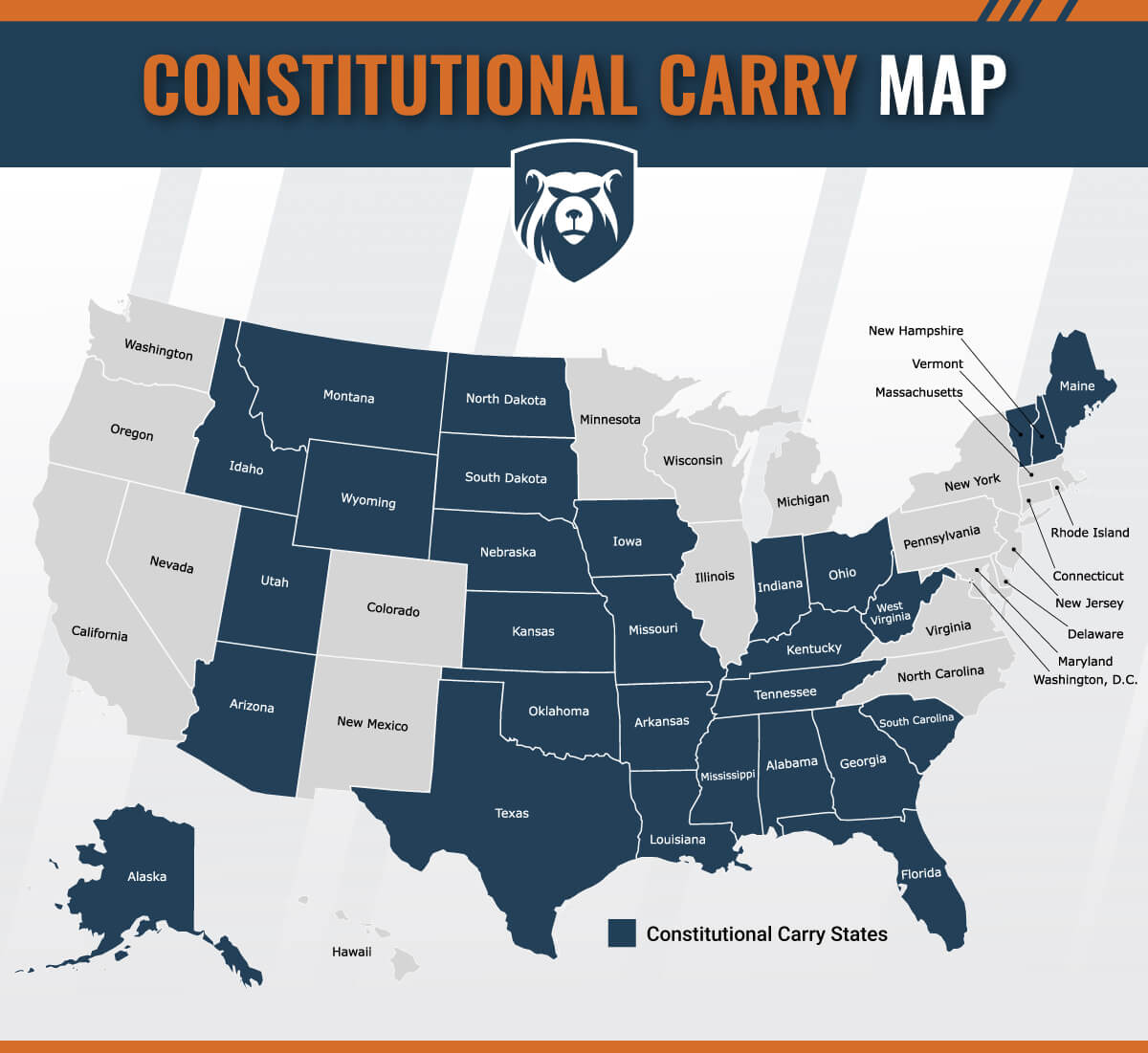
State laws as of 2026
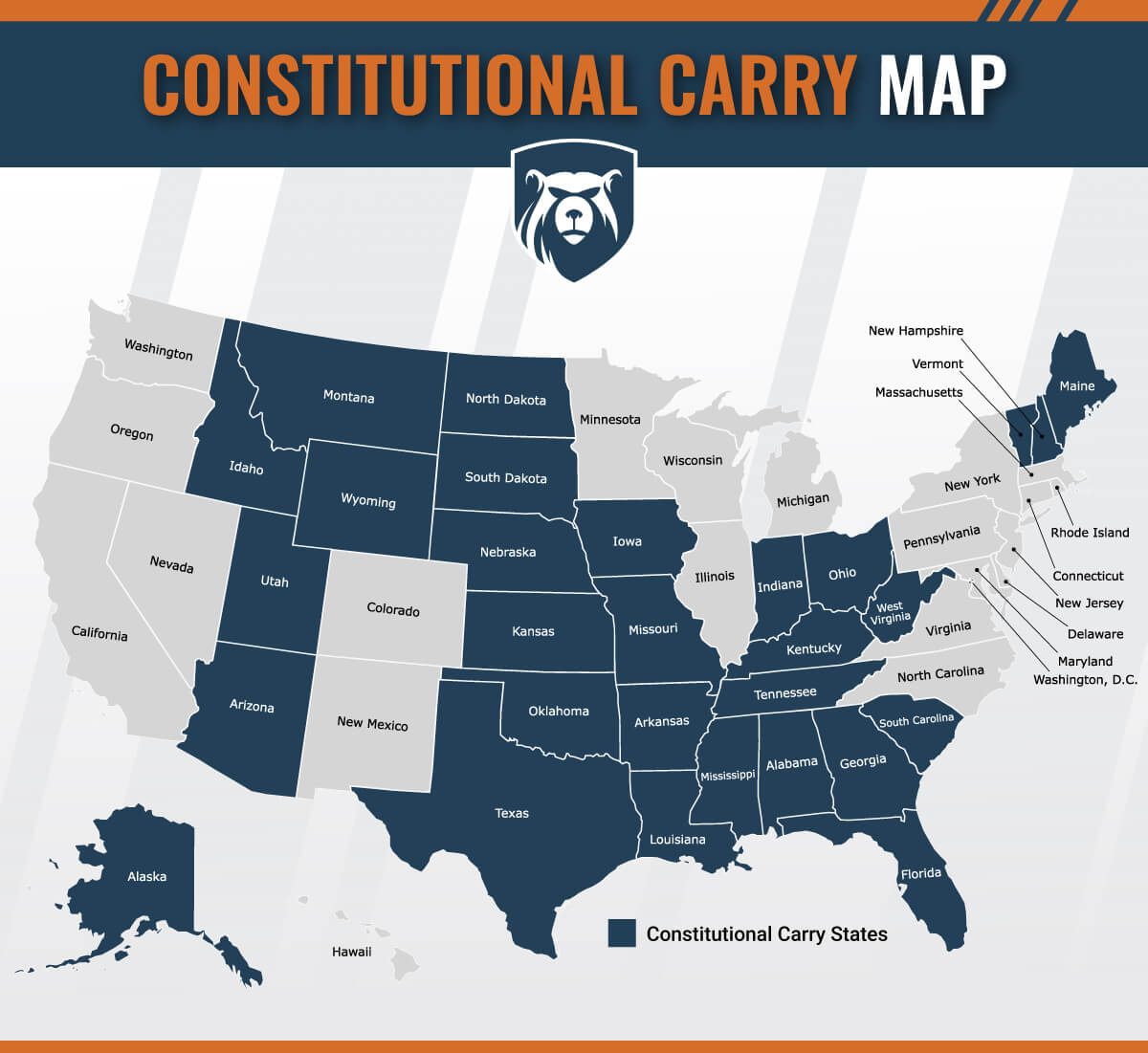
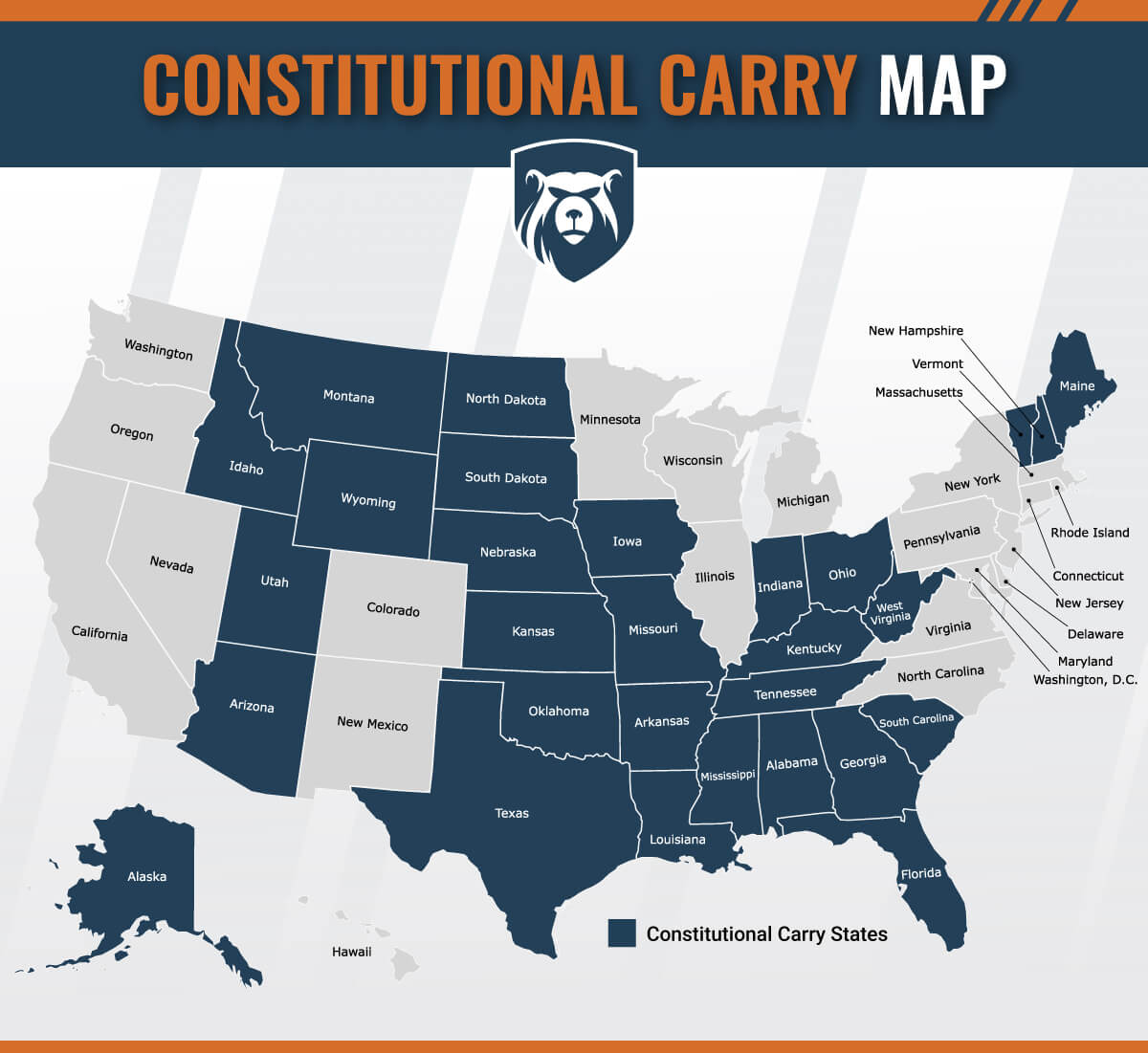
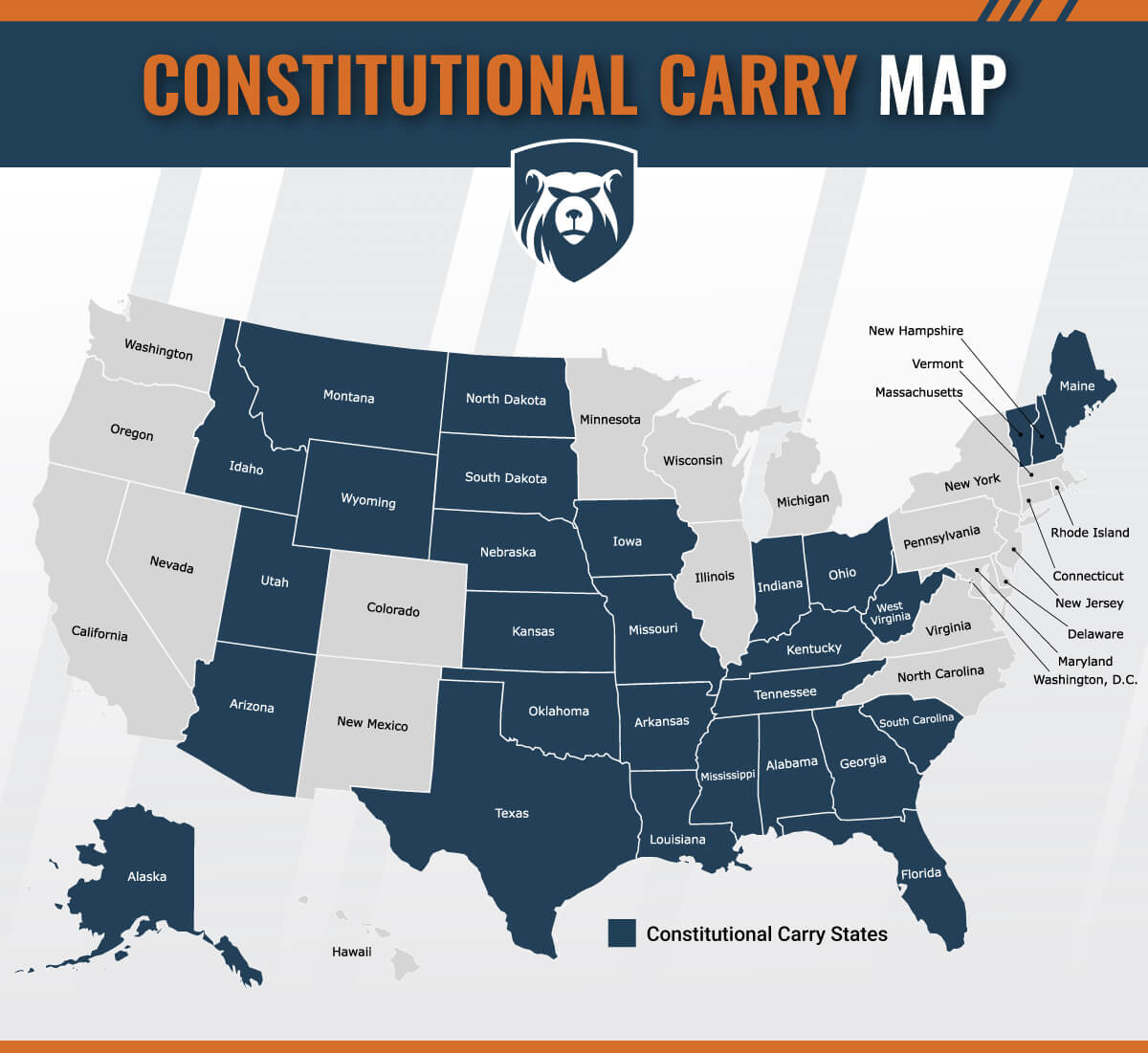
By 2026, most U.S. states have some form of permitless carry. While the general idea is the same, the fine print on age requirements and prohibited locations varies. Laws change fast, so check the specific state statutes linked below before you cross state lines.
Alabama: Adopted constitutional carry in 2022. Individuals 21 and over can carry a concealed handgun without a permit. However, individuals with felony convictions or certain domestic violence offenses are prohibited. The official state statute can be found at alaCode.gov.
Alaska: Has allowed permitless carry for a long time, predating the current wave of constitutional carry legislation. There are no permit requirements for carrying concealed or open carry. Restrictions apply to those convicted of felonies or certain misdemeanor crimes. You can find details at alaska.gov/law.
Arizona: Permitted constitutional carry beginning in 2021. Individuals 21 and over can carry concealed without a permit. Restrictions are in place for those with felony convictions, domestic violence restraining orders, and certain mental health conditions. Find the official statute at azleg.gov.
Arkansas: Became a constitutional carry state in 2021. Anyone legally allowed to own a firearm can carry concealed or open without a permit. Certain locations, like schools and polling places, are off-limits. The Arkansas State Police website (asp.arkansas.gov) provides further details.
Florida: Adopted constitutional carry in 2023. Residents who are legally allowed to own a firearm can carry a concealed handgun without a permit. The law does not require training. The Florida Statutes (flsenate.gov) have the full details.
Georgia: Became a constitutional carry state in 2022. Individuals 21 and older can carry a concealed handgun without a permit. Restrictions apply to those with felony convictions and certain mental health conditions. Information can be found at legis.ga.gov.
Idaho: Has allowed permitless carry since 2014. No permit is required to carry concealed or open. Restrictions apply to convicted felons and those with certain mental health issues. The Idaho Statutes (legislature.idaho.gov) contain the relevant laws.
Indiana: Adopted constitutional carry in 2022. Individuals 18 and over can carry a handgun without a permit, although a license is still required for those under 21. The Indiana General Assembly website (iga.in.gov) has the official information.
Iowa: Became a constitutional carry state in 2021. Individuals 21 and older can carry a handgun without a permit. Restrictions apply to those with felony convictions and certain mental health conditions. The Iowa Legislature website (legis.iowa.gov) provides more information.
Kansas: Adopted constitutional carry in 2022. Individuals 21 and over can carry a concealed handgun without a permit. Restrictions for convicted felons and those with certain restraining orders still apply. See the Kansas Statutes (kslegislature.org) for details.
Kentucky: Became a constitutional carry state in 2022. Individuals 21 and over can carry a concealed handgun without a permit. Restrictions apply to those with felony convictions and certain mental health conditions. The Kentucky Revised Statutes (legislature.ky.gov) have more information.
Mississippi: Adopted constitutional carry in 2021. Individuals 21 and over can carry a concealed handgun without a permit. Restrictions apply to those with felony convictions and certain mental health conditions. The Mississippi Legislature website (legislature.ms.gov) provides the details.
Missouri: Has allowed permitless carry since 2017. No permit is required to carry concealed or open. Restrictions apply to convicted felons and those with certain mental health issues. The Missouri Revised Statutes (moga.mo.gov) contain the relevant laws.
Montana: Adopted constitutional carry in 2021. Individuals 18 and over can carry a concealed handgun without a permit. Restrictions apply to those with felony convictions and certain mental health conditions. The Montana Code (leg.mt.gov) has the official information.
Nebraska: Became a constitutional carry state in 2023. Individuals 19 and over can carry a concealed handgun without a permit. The Nebraska Legislature (nebraska.gov) has the official details.
North Dakota: Has allowed permitless carry since 2017. No permit is required to carry concealed or open. Restrictions apply to convicted felons and those with certain mental health issues. The North Dakota Century Code (legis.nd.gov) contains the relevant laws.
Ohio: Adopted constitutional carry in 2022. Individuals 21 and over can carry a concealed handgun without a permit. Restrictions apply to those with felony convictions and certain mental health conditions. The Ohio Revised Code (codes.ohio.gov) provides the details.
Oklahoma: Became a constitutional carry state in 2019. Individuals 21 and over can carry a concealed handgun without a permit. Restrictions apply to those with felony convictions and certain mental health conditions. The Oklahoma Statutes (oklegislature.gov) have more information.
South Carolina: Adopted constitutional carry in 2021. Individuals 21 and over can carry a concealed handgun without a permit. Restrictions apply to those with felony convictions and certain mental health conditions. The South Carolina Code of Laws (scstatehouse.gov) provides the details.
South Dakota: Has allowed permitless carry since 2019. No permit is required to carry concealed or open. Restrictions apply to convicted felons and those with certain mental health issues. The South Dakota Codified Laws (sdlegislature.gov) contain the relevant laws.
Tennessee: Adopted constitutional carry in 2021. Individuals 21 and over can carry a concealed handgun without a permit. Restrictions apply to those with felony convictions and certain mental health conditions. The Tennessee Code Annotated (legislature.tn.gov) has the official information.
Texas: Became a constitutional carry state in 2021. Individuals 21 and over can carry a handgun without a permit. Restrictions apply to those with felony convictions and certain mental health conditions. The Texas Penal Code (statutes.legis.texas.gov) provides the details.
Utah: Has allowed permitless carry for a long time. No permit is required to carry concealed or open. Restrictions apply to convicted felons and those with certain mental health issues. The Utah Code (le.utah.gov) contains the relevant laws.
West Virginia: Adopted constitutional carry in 2021. Individuals 21 and over can carry a concealed handgun without a permit. Restrictions apply to those with felony convictions and certain mental health conditions. The West Virginia Code (legis.wv.gov) provides the details.
Wyoming: Has allowed permitless carry since 2011. No permit is required to carry concealed or open. Restrictions apply to convicted felons and those with certain mental health issues. The Wyoming Statutes (wyoleg.gov) contain the relevant laws.
Constitutional Carry States (as of late 2024/early 2025 - anticipating 2026 status)
| State | Constitutional Carry | Date of Enactment (Approximate) | Key Restrictions | State Law Link |
|---|---|---|---|---|
| Alabama | Yes | March 2022 | Individuals must be 21 or older. Prohibited in locations like schools, courthouses, and during active protests. | https://law.justia.com/codes/alabama/2023/title-13a/chapter-11/article-2/section-13a-11-82 |
| Alaska | Yes | Historically Recognized | No specific date of enactment, long-standing recognition of the right to bear arms. Restrictions apply on federal property. | https://law.justia.com/codes/alaska/2024/title-25/chapter-25.20/article-1/section-25.20.010 |
| Arizona | Yes | April 2021 | Individuals must be 21 or older. Restrictions apply to locations with posted signage prohibiting firearms. | https://www.azleg.gov/ars/13/00401.htm |
| Arkansas | Yes | April 2021 | Individuals must be 21 or older. Prohibited in police stations, courthouses, and other sensitive locations. | https://law.justia.com/codes/arkansas/2023/title-5/subtitle-3/chapter-70/subchapter-6/section-5-70-309 |
| Florida | Yes | April 2023 | Individuals must be 21 or older. Restrictions apply to schools, courthouses, and polling places. | https://www.flsenate.gov/Laws/Statutes/2018/790.25 |
| Georgia | Yes | July 2022 | Individuals must be 21 or older. Prohibited in locations like schools, government buildings, and places where alcohol is the primary business. | https://law.justia.com/codes/georgia/2023/title-16/chapter-11/article-3/section-16-11-129 |
| Indiana | Yes | July 2022 | Individuals must be 21 or older. Restrictions apply to locations like schools, courthouses, and state hospitals. | https://iga.in.gov/legislature/laws/2022/ic/ic-35-47-2 |
| Iowa | Yes | April 2021 | Individuals must be 21 or older. Prohibited in locations like schools, courthouses, and polling places. | https://www.legis.iowa.gov/docs/code/24.2.7 |
Qualitative comparison based on the article research brief. Confirm current product details in the official docs before making implementation choices.
Reciprocity and travel
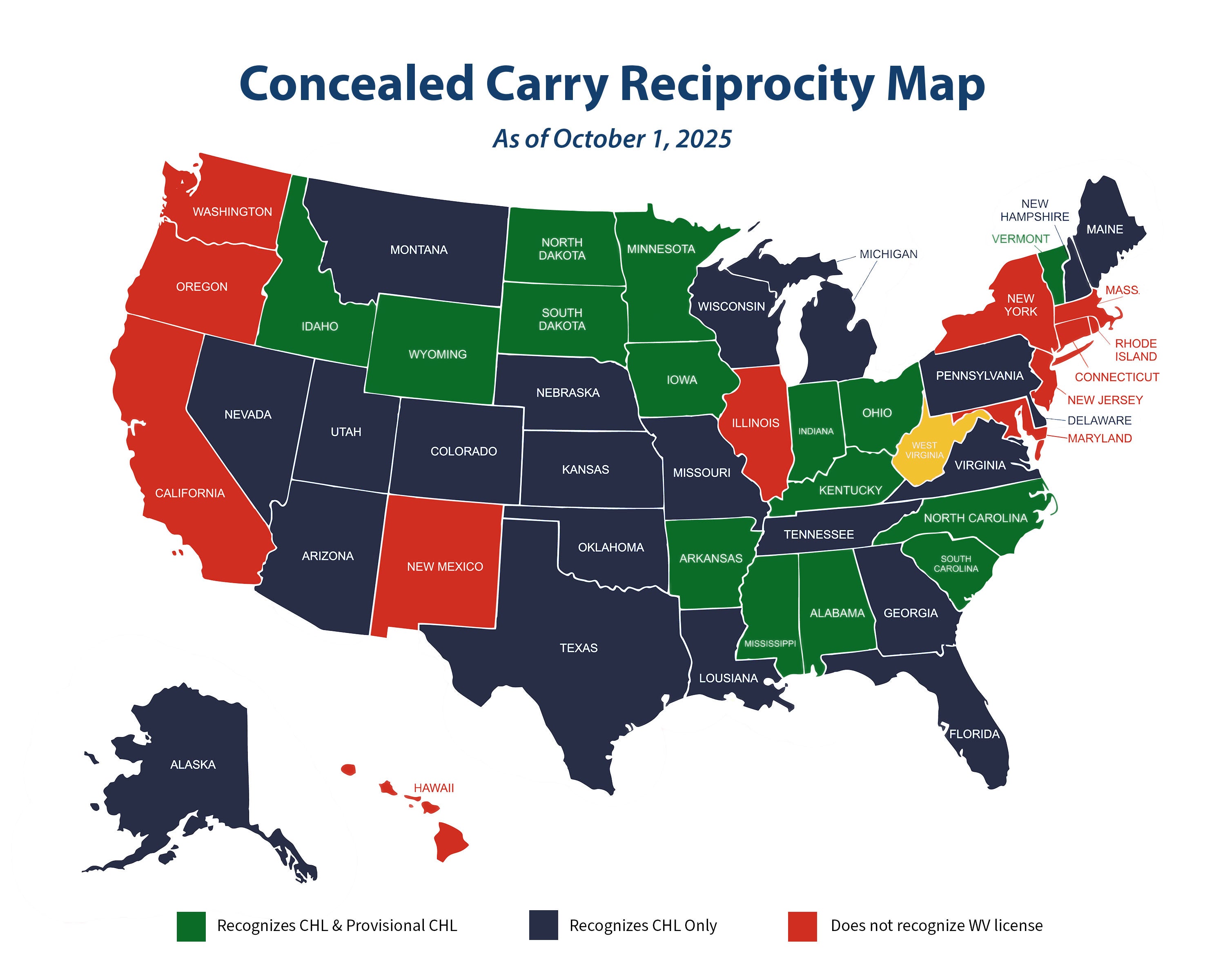
Traveling with a firearm across state lines can be incredibly complicated, even with the rise of constitutional carry. Reciprocity – the agreement between states to recognize each other’s permits – is a key factor, but it becomes much less relevant in states with permitless carry. However, that doesn’t mean you can simply carry anywhere you please.
The real headache is the patchwork of laws between your driveway and your destination. Just because you don't need a permit at home doesn't mean the state next door agrees. Getting it wrong usually leads to a felony charge. Use a reciprocity map as a starting point, but verify with state police websites.
The potential passage of H.R.38 could simplify interstate carry by establishing a national standard for recognizing concealed carry permits. However, the bill’s implementation and acceptance by individual states are still uncertain. It’s likely that even if the bill passes, some states will continue to have stricter regulations than others.
It’s always best to err on the side of caution. If you're unsure about the laws in a particular state, consider leaving your firearm at home or shipping it to your destination through a licensed firearms dealer. Never assume that your constitutional carry permit is valid in another state.
- Check the laws of every state you’ll be traveling through.
- Understand the specific restrictions in each state (e.g., prohibited locations).
- Consider leaving your firearm at home if you’re unsure about the laws.
- Check the specific transport laws (like trunk storage) for states that don't recognize your right to carry.
Constitutional Carry States (2026)
- Alabama - Allows permitless carry for individuals 21 years or older, with certain restrictions regarding prohibited persons.
- Alaska - Has allowed permitless carry for residents since 2003; no permit is required to carry a concealed handgun.
- Arizona - Permits individuals 21 and over to carry concealed firearms without a permit, subject to state and federal laws.
- Arkansas - Allows individuals 21 years or older to carry a handgun, openly or concealed, without a permit.
- Florida - Became a permitless carry state in 2023, allowing individuals 21 and older to carry a concealed handgun without a permit.
- Georgia - Permits those 21 and older who legally own a firearm to carry it without a license, with exceptions for certain locations.
- Indiana - Allows individuals 18 and older to carry a handgun without a permit, with some restrictions.
- Iowa - Became a permitless carry state in 2021, allowing eligible adults to carry firearms without a permit.
What About Federal Gun Laws?
Constitutional carry laws are state laws, and they do not supersede federal gun laws. Federal regulations still apply, even in states where permits aren’t required to carry a firearm. Understanding these federal laws is essential for responsible gun ownership.
Key federal regulations include background check requirements for firearm purchases from licensed dealers, restrictions on certain types of firearms (e.g., fully automatic weapons), and prohibitions on possessing firearms with altered or removed serial numbers. The Bureau of Alcohol, Tobacco, Firearms and Explosives (ATF) is the federal agency responsible for enforcing these laws.
Federal law also prohibits certain individuals from possessing firearms, including convicted felons, individuals with domestic violence restraining orders, and those who have been convicted of misdemeanor crimes of domestic violence. These prohibitions apply regardless of state law. It's important to remember that federal law provides a baseline level of regulation, and states can impose additional restrictions.
The Ongoing Debate: Pros & Cons
Constitutional carry remains a highly debated topic, with strong arguments on both sides. Proponents argue that it’s a fundamental right, essential for self-defense, and that requiring permits burdens law-abiding citizens. They point to the Second Amendment and argue that the right to bear arms should not be restricted by government regulation.
Opponents, on the other hand, express concerns about public safety. They argue that permit requirements help to ensure that individuals carrying firearms are properly trained and vetted, and that removing those requirements could lead to an increase in gun violence. They also point to the potential for accidental shootings and the difficulty of identifying armed individuals in public places.
Another argument in favor of constitutional carry is that it simplifies the process for individuals who want to exercise their right to self-defense. Obtaining a permit can be time-consuming and expensive, and it may not be accessible to everyone. Proponents argue that removing those barriers makes it easier for law-abiding citizens to protect themselves.
The debate also touches on the issue of reciprocity. Some argue that constitutional carry makes it more difficult to establish reciprocity agreements between states, while others contend that it simplifies the process by eliminating the need for states to recognize each other’s permits.
- Proponents: Emphasize Second Amendment rights, self-defense, and reduced burdens on law-abiding citizens.
- Opponents: Focus on public safety, training requirements, and the potential for increased gun violence.
Future Trends & Potential Changes
The trend towards constitutional carry shows no signs of slowing down. Several states are currently considering legislation that would abolish permit requirements, and it’s likely that more will follow suit in the coming years. However, the issue is far from settled, and legal challenges are ongoing.
Court cases challenging the constitutionality of permit requirements are working their way through the legal system. The outcome of these cases could have a significant impact on the future of gun laws. Some states are also facing legal challenges to their existing constitutional carry laws, with opponents arguing that they are too broad or that they violate due process rights.
The potential passage of federal legislation, like H.R.38, could also reshape the landscape of gun laws. If the bill passes, it could simplify interstate carry and create a more uniform system for recognizing concealed carry permits. However, the bill’s fate is uncertain, and it faces opposition from both sides of the debate. It is difficult to predict how state laws will adapt if the bill were to pass.
Ultimately, the future of constitutional carry will depend on a complex interplay of political, legal, and social factors. The debate is likely to continue for years to come, and the laws governing firearm ownership and carry will continue to evolve.
Do you support or oppose constitutional carry in your state?
As of 2026, the legislative landscape surrounding permitless carry continues to evolve across the United States. Share your position on these laws based on current state trends.
No comments yet. Be the first to share your thoughts!