
How background checks work now
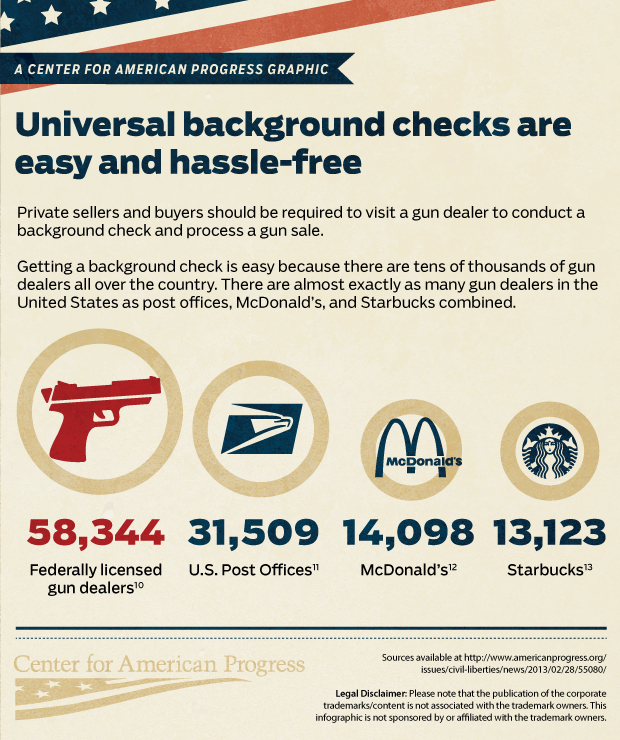
The US firearm background check system is a mess of overlapping rules. At its center is the National Instant Criminal Background Check System (NICS), which the FBI runs. Federal law is straightforward on one point: if you buy a gun from a store with a Federal Firearms License (FFL), you have to pass a NICS check first.
However, the system isn’t universal. Many states have exceptions, most notably concerning private sales. This is where things get murky. In many places, you can legally purchase a firearm from a private individual without undergoing a background check. This discrepancy leads to a lot of frustration and debate.
The current process often feels slow and inconsistent to many gun buyers. Delays are common, and the system isn’t always effective at preventing prohibited individuals from acquiring firearms. It’s a system built incrementally over time, responding to various tragedies and political pressures, and it shows. The speed and reliability are constant points of contention.
Federal changes coming in 2026
The Bureau of Alcohol, Tobacco, Firearms and Explosives (ATF) is proposing significant changes to how background checks are handled. These changes, outlined in their 'Modernize' initiative, aim to streamline the process and potentially move towards universal background checks. A major component of this is formally authorizing FFLs to generate, maintain, and store required records digitally, including the ATF Form 4473.
For those unfamiliar, ATF Form 4473 is the transaction record FFLs are required to keep when you purchase a firearm. Form 1 is used to make a firearm, while Form 4 is used to transfer a firearm – both are heavily regulated processes. The proposed rule changes would clarify and update these processes, making them more efficient and less prone to errors. The ATF hopes this will help reduce illegal firearm trafficking.
As of late 2024, the full implementation timeline for these changes is still uncertain. There’s a period for public comment, and the rules could be modified before being finalized. The impact on FFLs will be considerable; they'll need to adapt to new record-keeping procedures and potentially invest in new technology. While these aren’t yet the law, they signal a significant shift in federal policy.
These proposed changes aren’t about creating new restrictions on law-abiding citizens; they're about making the existing system work more effectively. The ATF argues that modernizing the system will help them focus their resources on preventing firearms from falling into the wrong hands.
Federal Background Check Process: Current vs. Proposed (2026)
| Step | Current Process (NICS) | Proposed Process (ATF Modernization) | Estimated Time Difference |
|---|---|---|---|
| Record Submission | FFL submits ATF Form 4473 to NICS, initiating the background check. | FFL digitally submits information, potentially including directly generating and storing records as authorized by ATF. | Potentially reduced due to digital submission; exact time savings currently unknown. |
| Data Verification | NICS searches databases (FBI, state repositories) for disqualifying information. May involve manual review if initial search is inconclusive. | ATF proposes enhanced data access and automated verification processes, aiming for faster and more comprehensive checks. | Expected to be faster due to automation and improved data access; specific time reduction is not yet defined. |
| Approval/Denial | NICS provides a status: Proceed, Delay, or Deny. Delays can occur pending further review. | ATF aims for quicker decisions with improved technology. The process will still result in Proceed, Delay, or Deny outcomes. | Potentially faster resolution of delays, but the overall approval/denial timeframe will depend on the complexity of the case. |
| Record Keeping | FFLs retain copies of ATF Form 4473. | FFLs may be authorized to maintain records digitally, including ATF Form 4473, streamlining record-keeping requirements. | Improved efficiency and reduced paperwork for FFLs. |
| State Access | NICS relies on states to submit relevant records (e.g., mental health, criminal history). Completeness varies by state. | The proposed modernization does not fundamentally alter the reliance on state data submission, but aims to improve data quality and accessibility. | No significant change anticipated in state involvement; improvements depend on state participation. |
Illustrative comparison based on the article research brief. Verify current pricing, limits, and product details in the official docs before relying on it.
The state law mess
The real complexity of firearm background check laws lies at the state level. There is no one-size-fits-all approach. Some states have embraced universal background checks, meaning all firearm sales – including private transfers – require a check. California and Colorado are prime examples of this. These states generally have stricter gun control laws overall.
Conversely, states like Alaska and Arizona have minimal requirements. In these states, private sales often require no background check at all. This creates a significant disparity in access to firearms depending on where you live. It also means that individuals prohibited from owning firearms under federal law may be able to purchase them legally in certain states.
Many states also have 'permit-to-purchase' laws. These laws require individuals to obtain a permit from a state or local law enforcement agency before they can purchase a firearm. These permits often require a background check, training, and a waiting period. Hawaii, Massachusetts, and New Jersey are examples of states with permit-to-purchase laws.
These laws change fast. State legislatures debate new restrictions every session, so a legal purchase in one month might be a felony the next. You have to check local statutes before every transaction to stay on the right side of the law.
States Expanding Background Check Access
Several states have recently taken steps to expand background check requirements. Washington state, for example, now requires a background check for all firearm transfers, closing a previous loophole. This law, codified in Wash. Rev. Code §§ 9.41.111 and 9.41.113, went into effect in 2024 and significantly broadened the scope of background checks.
Other states are considering similar legislation. Increased gun violence and public pressure are driving these changes. Advocates argue that universal background checks are a common-sense measure that can help reduce gun deaths and injuries. The specifics of these bills vary, but the overall trend is towards greater regulation of firearm sales.
Maine passed LD 1875 in 2023, requiring background checks for nearly all firearm sales. This law, signed by Governor Janet Mills, aims to address loopholes that allowed private sales without background checks. The bill also increased penalties for straw purchasing – buying a firearm for someone who is prohibited from owning one.
Recent State Background Check Updates
- California – Effective January 1, 2024, California expanded its existing background check requirements to include a check of the purchaser’s 10-year criminal history, not just records disqualifying them at the time of purchase. This aims to identify previously-disqualifying events that occurred after the initial check.
- Colorado – In 2023, Colorado passed legislation requiring background checks for nearly all firearm transfers, including those between private parties. This closed a loophole previously allowing private sales without a background check.
- Connecticut – Connecticut’s permit-to-purchase law was amended in 2023 to require applicants to complete a firearms safety course *before* applying for the permit, which includes a background check conducted by state police.
- Delaware – Delaware enacted legislation in 2022 requiring background checks for all firearm sales, including those between private individuals. This law also prohibits certain individuals, such as those convicted of misdemeanor crimes of domestic violence, from possessing firearms.
- Maryland – As of October 1, 2023, Maryland requires individuals to obtain a fingerprint card and pass a background check before purchasing a handgun. Previously, this requirement only applied to regulated firearms dealers.
- Minnesota – In 2023, Minnesota enacted universal background checks, requiring all gun sales, including those between private parties, to go through a licensed dealer. This also includes a requirement for a waiting period of 7 days.
- Oregon – Oregon’s Measure 114, passed in November 2022, requires a background check and permit for all firearm purchases. Implementation has faced legal challenges, but if upheld, will significantly alter the state's background check process.
- Vermont – While Vermont historically had less restrictive gun laws, in 2019 they enacted legislation requiring background checks for all firearm sales, including private transfers. This closed a significant loophole in the state’s regulations.
Private Sales and the 'Gun Show Loophole'
The 'gun show loophole' refers to the ability to purchase firearms from private individuals at gun shows or online without undergoing a background check. This loophole exists because federal law only requires background checks for sales conducted by licensed dealers. However, the extent of this loophole varies significantly by state.
In states with universal background checks, the loophole is effectively closed. All sales, regardless of whether they occur through a dealer or a private individual, must go through a background check. In states with minimal requirements, the loophole remains wide open. You can legally purchase a firearm from a stranger at a gun show without any scrutiny.
Private sales conducted through a licensed dealer are subject to a background check. The buyer and seller can go to an FFL, and the FFL will process the background check as if it were any other sale. This is a common workaround for individuals who want to ensure a lawful transfer.
The debate over gun shows usually splits into two camps. One side says the lack of checks lets prohibited buyers skip the system entirely. The other side sees any new requirement as an unconstitutional tax or burden on private property rights. Neither side is likely to budge soon.
What happens during a delay
When a background check comes back with a 'delayed' result, the process gets complicated. Federal law doesn’t set a specific time limit for how long an FFL can hold a firearm while waiting for a response from NICS. However, the ATF provides guidance, and most states have their own regulations.
Generally, an FFL can continue to hold the firearm for a reasonable period – typically up to three business days – while waiting for NICS to make a determination. If the check is still delayed after that period, the FFL is usually required to notify the authorities and may be prohibited from completing the sale. The rules around continuing the sale vary widely by state.
The buyer's recourse is limited. They can attempt to contact NICS directly, but they typically have no control over the process. They may be able to provide additional information to help expedite the check, but ultimately, the decision rests with the FBI. It's a frustrating situation for everyone involved.
Essential Gear for Responsible Firearm Ownership and Legal Compliance

Fireproof protection for up to 1 hour at 1400°F · Holds up to 14 long guns · Electronic combination lock with override key
This safe offers robust fire protection and secure storage for a significant number of firearms.
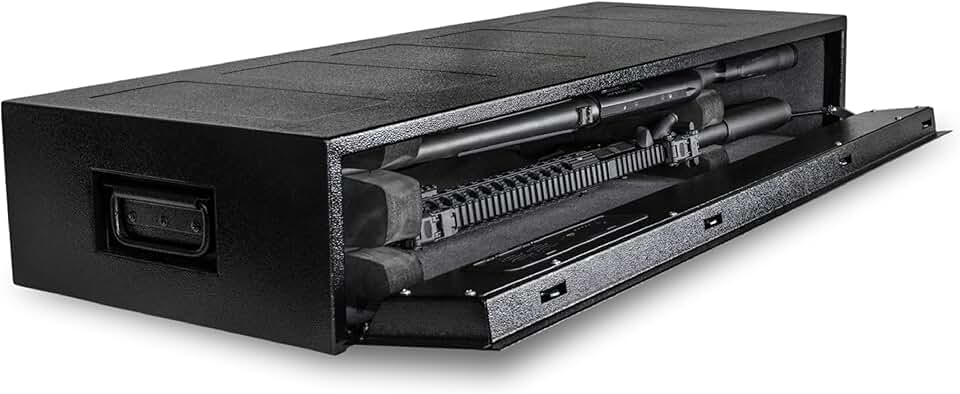
Fast and reliable RFID touch-free entry · Accommodates AR-style rifles and shotguns · Heavy-duty steel construction for security
Provides quick access to firearms in emergencies while ensuring secure storage.
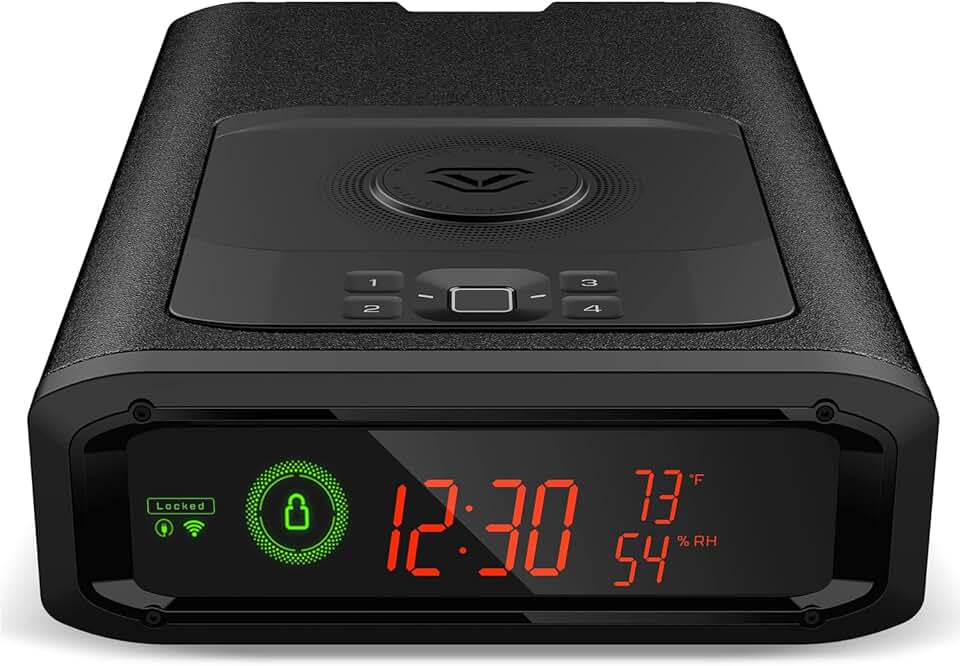
Biometric fingerprint scanner for rapid access · Integrated wireless phone charger · WiFi connectivity for remote monitoring and management
This smart safe combines advanced security features with modern convenience, including biometric access and phone charging.

Focuses on California-specific firearm regulations · Includes updates for 2026 · Covers both state and federal laws relevant to California residents
This guide is essential for California residents seeking to understand the complex legal landscape of firearm ownership in their state.

Durable aluminum alloy construction · Adjustable slots to hold various shotguns and rifles · Designed for secure wall mounting
This wall mount offers a practical and secure solution for organizing and displaying firearms.
As an Amazon Associate I earn from qualifying purchases. Prices may vary.
No comments yet. Be the first to share your thoughts!