

Storing Guns: The Legal Landscape
Gun storage laws are in a state of flux. Across the country, we’re seeing a growing push for stricter regulations regarding how firearms are stored, and it's not just about preventing theft. The core drivers are reducing accidental shootings, preventing suicides, and keeping guns out of the hands of individuals who shouldn’t have them. It’s a complex issue, and the legal battles surrounding these laws are far from over.
The Second Amendment plays a significant role in these debates. Courts have generally acknowledged the right to bear arms, but have also consistently held that this right isn’t unlimited. Reasonable restrictions, including those related to storage, have often been upheld, particularly when they’re aimed at promoting public safety. The challenge, as I see it, is defining what constitutes 'reasonable' in a way that respects both the rights of gun owners and the well-being of communities.
States are approaching this issue from different angles. Some are enacting mandatory storage laws, while others are focusing on negligence and liability. Still others remain largely hands-off. This patchwork of regulations can be confusing for gun owners, especially those who travel or move between states. The Secure Storage Information Act of 2025 (H.R.1272) currently in Congress aims to address some of this confusion by promoting education and awareness about safe storage practices, though it doesn't create a federal mandate.
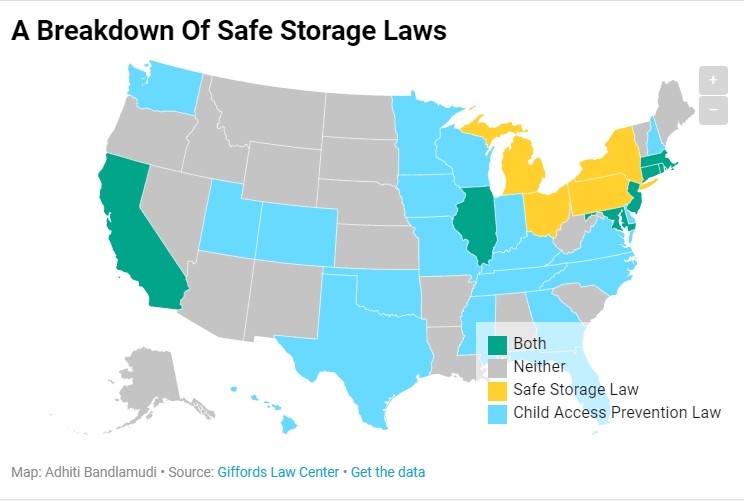
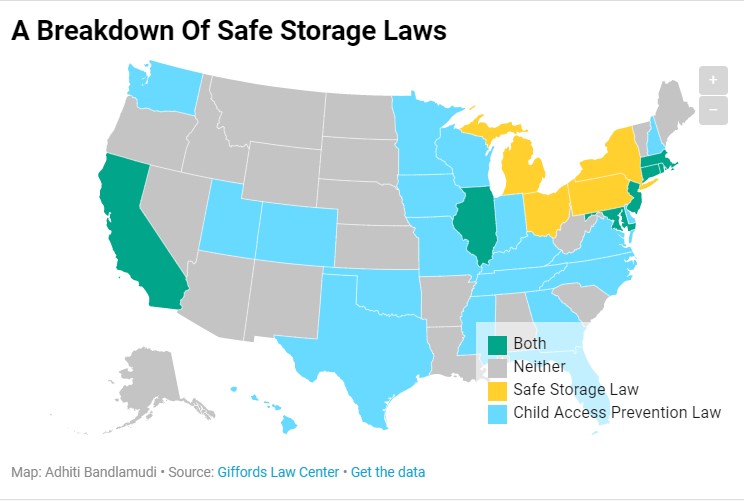
State-by-State Safe Storage Overview
Predicting the precise state of gun storage laws by 2026 is difficult, but current trends indicate a continued tightening of regulations, especially in states already leaning towards stricter gun control. As of late 2024, the states fall into roughly three categories: those with mandatory storage laws, those with negligence-based laws, and those with no specific requirements. I anticipate more states will move toward mandatory storage in the next two years.
Currently, states with mandatory storage laws – meaning you are legally required to store firearms in a specific manner – include California, Connecticut, Massachusetts, New Jersey, New York, Oregon, and Washington. These laws often specify the type of storage required, such as a locked safe, a gun vault, or the use of trigger or cable locks. Some states, like Massachusetts, have specific requirements based on whether there are children present in the household. California is particularly stringent, as we'll discuss later.
A larger group of states—around 20—have laws addressing negligence. These don’t require a specific storage method, but they hold gun owners liable if their firearm is used in a crime due to improper storage. This means if a gun is stolen because it wasn't securely stored, and then used in a violent act, the owner could face criminal or civil charges. States like Florida, North Carolina, and Texas fall into this category. The definition of 'negligent' varies widely.
Roughly 30 states currently lack specific gun storage laws. However, even in these states, gun owners can still be held liable for negligent storage under general negligence principles. This means a gun owner could be sued if they fail to exercise reasonable care with their firearms, and that failure results in harm to another person. States like Alabama, Arizona, and Idaho are examples of those with minimal regulation.
Looking ahead to 2026, I expect to see more states adopting mandatory storage laws, particularly in the Northeast and on the West Coast. We're also likely to see increased efforts to strengthen existing laws and close loopholes. For example, some states may begin to require background checks for private gun sales, which would further reduce the risk of firearms falling into the wrong hands. The push for universal background checks is gaining momentum.
Several states are also considering laws that would require gun owners to report lost or stolen firearms. This would help law enforcement track down illegal guns and prevent them from being used in crimes. These reporting requirements are likely to become more common in the next few years. The key is to balance the right to bear arms with the need for public safety.
California's Regulatory Standards
California is a leader in gun control, and its safe storage regulations are among the most detailed in the nation. The California Department of Justice (oag.ca.gov) maintains specific standards for "approved’ gun safes and lockboxes. These standards outline the requirements for construction, materials, and locking mechanisms. It’s not enough to just have a safe; it needs to meet California"s criteria.
California law requires that all firearms be stored in a locked container or disabled with a trigger lock. This applies to both handguns and long guns. There are exceptions for firearms being carried for self-defense, but even then, they must be stored securely when not in use. The law also specifies that the container must be made of solid metal, wood, or a rigid material that is at least one-half inch thick.
Non-compliance with California’s storage laws can result in significant penalties, including fines and even jail time. In addition, gun owners can be held civilly liable if their firearm is stolen and used in a crime. The state takes these regulations very seriously, and enforcement is becoming increasingly strict. It's crucial for California gun owners to understand and comply with these laws to avoid legal trouble.
Negligence and Liability
Even in states without mandatory storage laws, gun owners can still be held liable for negligent storage. This legal principle hinges on the concept of 'reasonable care.' What constitutes reasonable care varies depending on the circumstances, but generally, it means taking steps to prevent foreseeable harm. Leaving a loaded firearm accessible to a child, for example, would almost certainly be considered negligent.
Several high-profile cases illustrate this point. In 2022, a Pennsylvania gun owner was found liable for the death of a 16-year-old who gained access to a handgun and fatally shot himself. The court ruled that the owner had failed to secure the firearm properly. Similar cases have been brought in states like Illinois and Ohio, resulting in substantial financial settlements for the victims’ families.
The key question in these cases is whether the gun owner acted as a reasonably prudent person would have under the same circumstances. Factors considered by courts include the presence of children in the home, the type of firearm, and the potential for theft. It’s important to remember that even unintentional acts of negligence can have serious legal consequences.
Negligence Liability for Improper Gun Storage - State Overview (2026)
| State | Liability for Theft Leading to Misuse | Liability for Accidental Use by Third Party | Liability for Suicide | Notes |
|---|---|---|---|---|
| California | Potentially liable if theft was due to negligence (e.g., unlocked storage). | Potentially liable if failure to secure firearm contributed to accidental injury. | Potentially liable if firearm used in suicide, and negligence contributed. | California has specific regulations regarding firearm safety devices and secure storage, impacting negligence determinations. |
| Texas | Generally not liable for theft unless gross negligence is proven. | Potentially liable if knowledge of unsafe handling practices existed and were not addressed. | Liability is limited; focus is on preventing access by individuals with known mental health concerns. | Texas emphasizes responsible gun ownership but has limited statutory requirements for storage. |
| New York | Potentially liable if firearm was stolen due to inadequate security measures. | Potentially liable; 'reasonable care' standard applies to prevent foreseeable harm. | Potentially liable if access by a person intending self-harm was facilitated by negligent storage. | New York has 'safe storage' laws, increasing potential liability for improper storage. |
| Florida | Limited liability for theft, focusing on intentional acts of the thief. | Potentially liable if a foreseeable injury resulted from negligent storage. | Limited specific guidance on liability related to suicide; case law is developing. | Florida's laws generally prioritize self-defense rights and have less stringent storage requirements. |
| Massachusetts | Potentially liable if negligence contributed to the theft and subsequent misuse. | Potentially liable; a duty of reasonable care exists to prevent harm to others. | Potentially liable if negligent storage contributed to a suicide. | Massachusetts has strong gun control laws, including requirements for safe storage. |
| Arizona | Generally not liable for theft unless gross negligence is demonstrated. | Potentially liable if the owner knew or should have known of a foreseeable risk. | Limited guidance on liability for suicide; focus on individual responsibility. | Arizona generally favors gun rights and has limited storage regulations. |
Illustrative comparison based on the article research brief. Verify current pricing, limits, and product details in the official docs before relying on it.
Child Access Prevention Laws
Child Access Prevention (CAP) laws are designed to prevent children from accessing firearms and causing injury or death. These laws typically make it a crime to leave a firearm accessible to a minor, either intentionally or negligently. The penalties for violating CAP laws can range from fines to imprisonment.
As of late 2024, around 30 states have CAP laws on the books. The specific requirements vary, but most laws require gun owners to store firearms unloaded and locked, or to use a trigger lock or cable lock. Some laws also specify that the firearm must be stored in a separate location from the ammunition. States like Connecticut and Massachusetts have particularly strict CAP laws.
There is ongoing debate about the effectiveness and fairness of CAP laws. Proponents argue that they save lives by preventing accidental shootings and suicides. Opponents argue that they criminalize unintentional acts and place an undue burden on law-abiding gun owners. It's a contentious issue, and the legal challenges to CAP laws are likely to continue.
Safe Storage Technology: What's Available?
Beyond legal requirements, a wide range of safe storage options are available to gun owners. Traditional gun safes remain a popular choice, offering robust security and protection against theft. Prices vary widely, from a few hundred dollars for a basic safe to several thousand dollars for a high-end model with advanced features.
Lock boxes provide a more affordable and portable option. These are typically smaller than gun safes and are ideal for storing a single handgun or a few smaller firearms. Trigger locks and cable locks are even more affordable, but they offer less security than safes or lock boxes. They’re best suited for temporarily disabling a firearm when it’s not in use.
Newer technologies, such as fingerprint-activated safes and "smart guns" that can only be fired by an authorized user, are also becoming increasingly available. These technologies offer increased security and convenience, but they are generally more expensive than traditional storage methods. The reliability of smart gun technology is still a subject of debate among gun owners.
Future Trends in Gun Storage
I anticipate that the trend towards stricter gun storage laws will continue in the coming years. More states are likely to adopt mandatory storage requirements, and existing laws will likely be strengthened. The debate over the balance between gun rights and public safety will remain at the forefront of this discussion.
We’re also likely to see continued innovation in safe storage technology. Fingerprint-activated safes and smart guns will become more affordable and reliable, making them more attractive to gun owners. The development of new materials and locking mechanisms will also improve the security of traditional gun safes and lock boxes.
Education and awareness campaigns will play a crucial role in promoting responsible gun ownership. By educating gun owners about the importance of safe storage and the available options, we can help reduce accidental shootings, suicides, and gun violence. This isn’t about taking guns away from people; it’s about promoting responsible gun ownership and keeping communities safe.
No comments yet. Be the first to share your thoughts!