

New State Firearm Laws: 2026 Overview
2026 is shaping up to be a significant year for gun control legislation across the United States. The debate surrounding firearm regulation continues to be highly charged, and we’re seeing a flurry of activity at the state level. This year, a few major themes are driving these changes: increased focus on red flag laws, expanded background checks, and evolving concealed carry reciprocity agreements. It’s a complex and rapidly changing area of law, and staying informed is more important than ever.
Our goal here isn’t to advocate for any particular position, but to provide a clear and factual overview of the changes taking place. We'll be looking at specific laws passed in each state, the arguments for and against them, and the potential impact on gun owners and public safety. It’s easy to get lost in the headlines, so we’ll aim to provide a detailed and nuanced understanding of what’s actually happening on the ground.
While federal efforts like H.R.38, the Constitutional Concealed Carry Reciprocity Act of 2025, are being considered, the most substantial changes are happening at the state level. This bill aims to create national reciprocity for concealed carry permits, but its fate remains uncertain. For now, the real action is in state legislatures, where lawmakers are grappling with how to balance Second Amendment rights with concerns about gun violence. I find that focusing on the state level provides the most actionable information.
This overview will set the stage for a deeper dive into specific areas of change. We’ll examine the expansion of red flag laws, updates to background check systems, shifts in concealed carry reciprocity, and new regulations for firearm dealers. Understanding these changes will help gun owners, advocates, and concerned citizens navigate the evolving legal landscape and ensure they are in compliance with the laws in their state.
Red Flag Laws: Expansion and Challenges
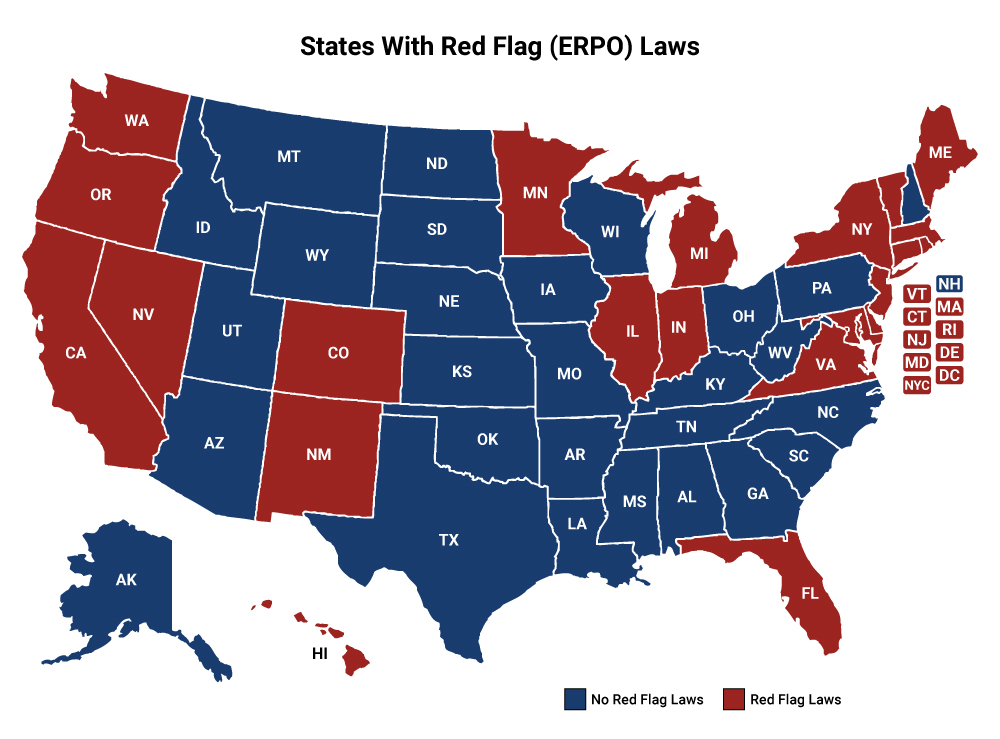
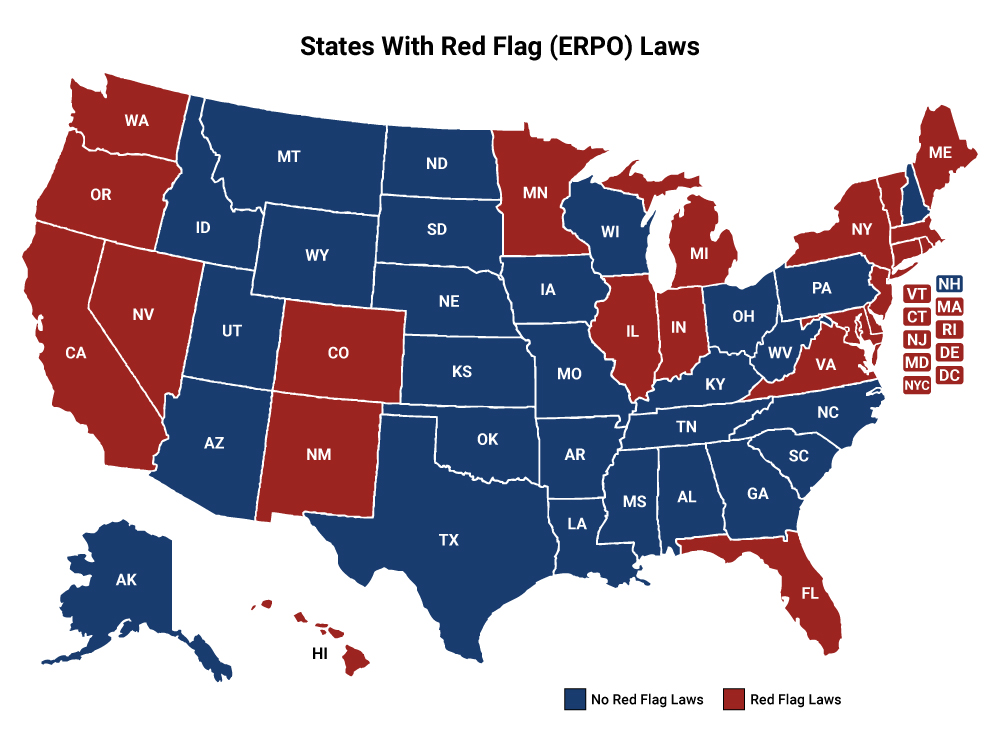
"Red flag’ laws, formally known as Extreme Risk Protection Orders (ERPOs), continue to be a major focus of gun control efforts. These laws allow courts to temporarily remove firearms from individuals deemed to be a danger to themselves or others. In 2026, we"re seeing a continued expansion of these laws, with several states enacting them for the first time and others broadening the scope of existing ones. States like Vermont and Wyoming have recently joined the ranks of states with red flag laws, while states like Florida have expanded the criteria for issuing ERPOs.
However, this expansion isn’t without its challenges. A central concern revolves around due process rights. Critics argue that ERPOs can violate the Second Amendment and Fourteenth Amendment rights of individuals before they’ve been convicted of a crime. States are attempting to address these concerns by including provisions for due process, such as requiring a hearing before an ERPO is issued and providing individuals with an opportunity to challenge the order. It’s a delicate balance between protecting public safety and safeguarding individual liberties.
The specifics of red flag laws vary significantly from state to state. Generally, a petition for an ERPO can be filed by law enforcement officers, family members, or household members. The evidence required typically includes credible evidence that the individual poses a significant risk of causing harm to themselves or others. If an ERPO is granted, the individual must surrender their firearms, and they may be prohibited from purchasing firearms in the future. The duration of an ERPO typically ranges from a few weeks to a year.
One of the key legal battles surrounding red flag laws centers on the question of whether they violate the Second Amendment. Courts have generally upheld the constitutionality of these laws, finding that they are a reasonable regulation of firearm ownership. However, these cases are ongoing, and the legal landscape could shift as more challenges are brought before the courts. We’re also seeing debates about the effectiveness of red flag laws in preventing gun violence, with some studies suggesting they can be effective and others raising doubts.
- States with new or expanded Red Flag Laws (2026): Vermont, Wyoming, Florida
- Key Due Process Concerns: Right to a hearing, opportunity to challenge the order
- Typical Petitioners: Law enforcement, family members, household members
Red Flag Law Comparison: Key Features Across Select States (2026)
| State | Petitioning Party | Standard of Evidence | Order Duration | Due Process Protections |
|---|---|---|---|---|
| California | Law Enforcement, Immediate Family | Probable cause based on credible evidence of a threat | Up to one year, renewable | Temporary hearing within 14 days; full evidentiary hearing required for longer-term orders; right to counsel. |
| Florida | Law Enforcement, Superintending Statewide Prosecutor, Family Members | Reasonable suspicion | Up to 14 days initially, extendable to 6 months after a full hearing | Hearing within 14 days; respondent has right to be present and present evidence; appointed counsel if respondent cannot afford it. |
| Colorado | Law Enforcement, Designated Behavioral Health Professionals | Preponderance of the evidence | Up to 365 days, renewable | Hearing within 14 days; respondent has right to counsel and to present evidence; consideration of mental health treatment options. |
| Texas | Law Enforcement | Probable cause | 14 days initially, extendable to 60 days with a court order | Hearing within 14 days; respondent has the right to legal representation and to challenge the order. |
| New York | Law Enforcement, County Health Department, School Personnel | Clear and convincing evidence | Up to one year, renewable | Hearing within 60 days; respondent has right to counsel and to cross-examine witnesses. |
| Oregon | Law Enforcement | Reasonable grounds to believe the person poses an imminent threat | Up to 12 months | Hearing within 7 days; respondent has the right to counsel and to present evidence. |
| Washington | Law Enforcement, Family Members | Probable cause | Up to one year | Hearing within 14 days; respondent has the right to counsel and to present evidence. |
| Illinois | Law Enforcement, Family or Household Members | Clear and convincing evidence | Up to 6 months, renewable | Hearing within 21 days; respondent has right to counsel and to present evidence. |
Illustrative comparison based on the article research brief. Verify current pricing, limits, and product details in the official docs before relying on it.
Background Check System Updates
States are actively working to strengthen their background check systems for firearm purchases. A major trend in 2026 is the expansion of background checks to include more types of firearm sales. Several states, including Maine and Oregon, have passed laws requiring background checks for all firearm sales, including those between private individuals. This aims to close loopholes that allow individuals to purchase firearms without undergoing a background check.
Another important development is the improvement of data sharing with the National Instant Criminal Background Check System (NICS). States are working to ensure that NICS has access to accurate and up-to-date information on individuals prohibited from owning firearms, such as those with felony convictions or domestic violence restraining orders. This requires cooperation between state and federal agencies, and it’s a complex undertaking.
The effectiveness of background checks relies heavily on the quality of the data available. If NICS doesn’t have accurate records, prohibited individuals may be able to slip through the cracks. States are also grappling with the issue of how to handle background check delays. Some states have laws that allow a firearm sale to proceed if a background check isn’t completed within a certain timeframe, which raises concerns about potential loopholes. It's a constant balancing act.
We’re also seeing efforts to streamline the background check process and reduce wait times. Some states are investing in new technology to automate the process and improve data accuracy. Others are increasing staffing levels at background check agencies. The goal is to make the process more efficient and less burdensome for law-abiding gun owners, while still ensuring that firearms don’t fall into the wrong hands.
- States expanding background checks (2026): Maine, Oregon
- Key Data Sharing Improvements: Increased cooperation with NICS
- Common Challenges: Data accuracy, background check delays
Concealed Carry Reciprocity: A Shifting Map
The landscape of concealed carry reciprocity is constantly shifting. States enter into agreements to recognize each other’s concealed carry permits, allowing individuals to carry firearms legally in multiple states. However, these agreements can be withdrawn, and states can change their reciprocity policies at any time. The federal efforts to establish national reciprocity with H.R.38, if passed, would dramatically simplify this process, but as of now, it remains uncertain.
In 2026, we’re seeing some states expanding their reciprocity agreements, while others are becoming more restrictive. For example, Texas has entered into reciprocity agreements with several new states, while California continues to have limited reciprocity agreements. The political climate in each state plays a significant role in these decisions.
Permitless carry laws, which allow individuals to carry firearms without a permit, are also impacting reciprocity. States with permitless carry laws generally do not have reciprocity agreements with states that require permits. This is because permitless carry states don’t have a mechanism for verifying that individuals meet the requirements for carrying a firearm.
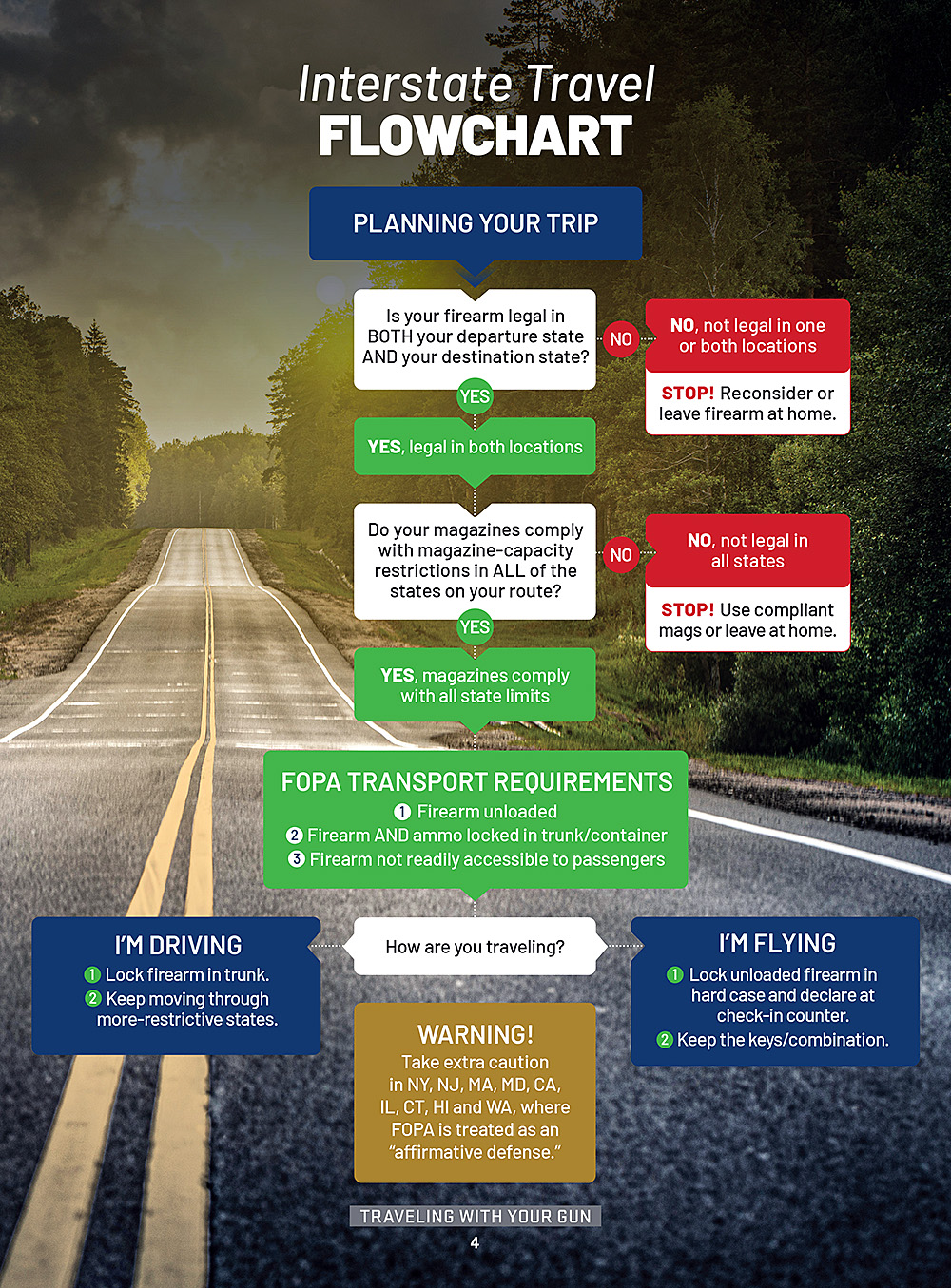
Navigating different state laws when traveling with a firearm can be challenging. Gun owners need to be aware of the laws in each state they plan to visit, including the requirements for carrying a firearm, the types of firearms that are allowed, and any restrictions on where firearms can be carried. Resources like the US Concealed Carry Association (USCCA) can be helpful in understanding these laws.
Dealer Regulations: Colorado's New Model
Colorado’s HB26-1126, passed in 2026, represents a significant shift in firearm dealer regulations. This legislation introduces new requirements for firearm dealers, including a permitting process, mandatory training, and potential liability concerns. The goal is to hold dealers accountable for preventing firearms from falling into the wrong hands and to reduce gun violence.
Under the new law, firearm dealers must obtain a permit from the Colorado Bureau of Investigation (CBI). To obtain a permit, dealers must meet certain qualifications, such as completing a background check and demonstrating knowledge of state and federal firearm laws. They must also undergo regular training on topics like responsible gun sales and preventing straw purchases. Liddy Renner of Brady Support testified about the importance of these provisions, emphasizing the need for increased accountability.
One of the most controversial aspects of the law is the potential for dealer liability. Dealers can now be held liable for negligent or unlawful sales of firearms that are later used in criminal activity. This provision has raised concerns among gun dealers, who argue that it could put them at risk of frivolous lawsuits.
Colorado’s HB26-1126 could serve as a model for other states considering similar regulations. It represents a comprehensive approach to regulating firearm dealers, and it addresses many of the concerns raised by gun control advocates. However, it remains to be seen whether the law will be effective in reducing gun violence and whether it will face legal challenges.
Standout State Changes: Beyond the Headlines
While much of the attention is focused on the major trends in gun control, several states have implemented noteworthy changes that haven’t received as much national coverage. For example, New Mexico passed legislation clarifying its definition of "assault weapon," expanding the list of firearms subject to a ban. This clarifies ambiguity in previous laws and aims to more effectively regulate these types of firearms.
In Nevada, a new law requires individuals to report lost or stolen firearms to law enforcement within 24 hours. This is intended to help prevent firearms from being used in crimes and to assist law enforcement in investigating gun-related incidents. It’s a relatively simple measure, but it could have a significant impact.
Connecticut enacted a law creating a gun violence restraining order (GVRO) program, allowing family members and law enforcement to petition a court to temporarily remove firearms from individuals who pose a risk to themselves or others. This is similar to red flag laws, but it differs in some key respects, such as the standard of evidence required.
These are just a few examples of the many changes taking place at the state level. It’s important to remember that the legal landscape is constantly evolving, and gun owners and advocates need to stay informed about the laws in their state.
State Gun Law Updates - 2026
- California - Effective January 1, 2026, the state expanded its definition of ‘assault weapons’ to include more semi-automatic rifles based on cosmetic features, and implemented a requirement for microstamping technology on all new handgun models sold within the state.
- Maryland - Beginning July 1, 2026, Maryland requires all firearm owners to complete a state-approved training course prior to obtaining a license to possess a handgun. The course covers safe gun handling, storage practices, and state firearm laws.
- New Mexico - As of March 15, 2026, New Mexico enacted a ‘red flag’ law allowing temporary removal of firearms from individuals deemed a danger to themselves or others, based on a court order and evidence presented by law enforcement or family members.
- Oregon - Oregon’s new law, effective September 1, 2026, mandates that all private firearm sales be processed through a licensed dealer, requiring a background check for all transactions. This closes the private sale loophole.
- Vermont - Starting January 1, 2026, Vermont now requires background checks for all firearm sales, including long guns. Previously, Vermont was the only state without universal background checks.
- Minnesota - Minnesota’s updated law, effective August 1, 2026, prohibits the possession of firearms by individuals convicted of misdemeanor domestic violence offenses, expanding previous restrictions.
- Arizona - As of June 1, 2026, Arizona law now requires reporting of lost or stolen firearms within 24 hours to local law enforcement. Failure to report can result in a misdemeanor charge.
Legal Challenges and Ongoing Debates
Many of the new gun control laws passed in 2026 are facing legal challenges in state and federal courts. Gun rights groups are arguing that these laws violate the Second Amendment and other constitutional rights. These cases are likely to be protracted and complex, and the outcomes could have a significant impact on the future of gun control.
One of the key arguments being made by gun rights groups is that red flag laws violate due process rights. They argue that individuals should have the opportunity to confront their accusers and present evidence in their defense before their firearms are seized. Courts will need to balance these due process concerns with the government’s interest in preventing gun violence.
Another area of legal debate centers on the definition of "assault weapon." Gun rights groups argue that bans on assault weapons are unconstitutional because they infringe on the Second Amendment right to bear arms. Courts will need to determine whether these bans are narrowly tailored to serve a legitimate government interest.
The legal landscape surrounding gun control is likely to remain in flux for the foreseeable future. As more states enact new laws, more legal challenges will inevitably follow. It’s a complex and contentious issue, and the courts will play a crucial role in shaping the future of gun rights in the United States.
Do you believe stricter gun control laws are effective in reducing gun violence?
With numerous states enacting new gun control legislation in 2026, we want to hear from our readers. Cast your vote below and share your perspective on whether these legislative changes make a meaningful impact on public safety.
No comments yet. Be the first to share your thoughts!