

How assault weapons are defined
The term "assault weapon" has no single legal meaning. Most laws target cosmetic features rather than how the gun actually fires. Legislators often focus on military-style aesthetics, even when the internal mechanics match standard hunting rifles.
The 1994 federal ban attempted to define "assault weapons" by listing specific firearms and by defining characteristics like semi-automatic fire, detachable magazines, pistol grips, and adjustable stocks. That ban expired in 2004, and the absence of a federal standard has left states to grapple with their own definitions. This means a firearm legal in one state can be prohibited in another, purely due to differing feature classifications.
States don’t always focus on the same things. Some concentrate on detachable magazines, while others prioritize pistol grips or barrel shrouds. California’s definition, for example, is particularly broad and relies heavily on a list of prohibited features. Connecticut’s law is similar, focusing on a combination of features that make a firearm resemble a military-style weapon. This leads to a fragmented system where understanding the law requires a deep dive into each state’s specific statutes.
The political history is important too. The initial push for an assault weapon ban in the 1980s and 90s was fueled by high-profile shootings and public fear. The language used often emphasized the "military-style" appearance of these firearms, tapping into anxieties about violence and weaponry. Even today, the debate is often framed in terms of public safety versus Second Amendment rights, making a compromise incredibly difficult. It's not simply about gun control; it's about deeply held beliefs about freedom and security.
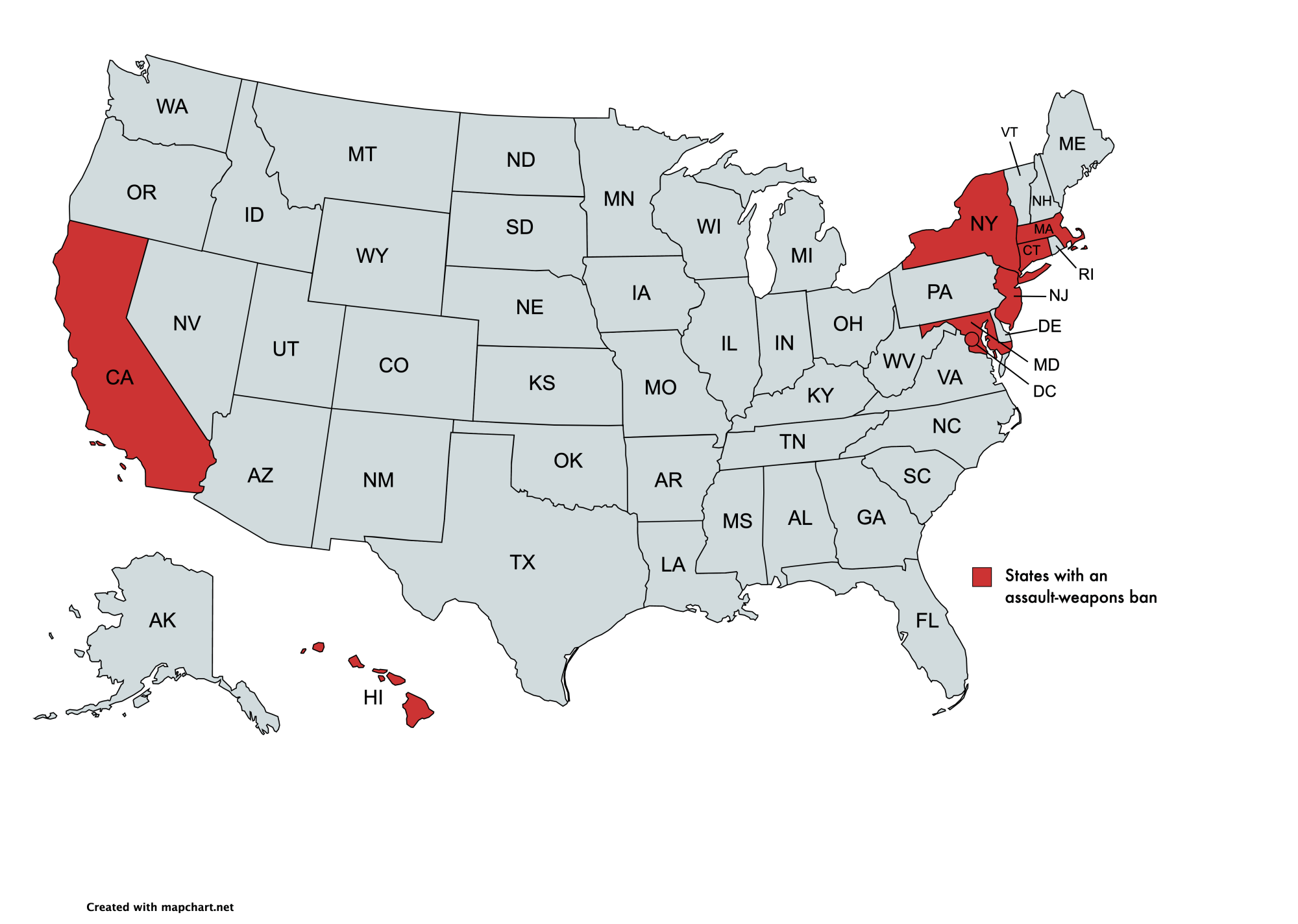
Current state bans in 2026
As of late 2025, several states have enacted some form of assault weapon ban. California, Connecticut, Hawaii, Maryland, Massachusetts, New Jersey, New York, and Washington D.C. maintain comprehensive bans, prohibiting the sale and, in some cases, possession of certain firearms deemed "assault weapons". These bans typically target semi-automatic rifles with specific features, like those previously listed. But the details matter hugely.
Other states, like Colorado and Illinois, have adopted feature-based bans. This means they don't ban specific firearms by name, but prohibit certain features – like detachable magazines or pistol grips – that can be added to otherwise legal firearms. These laws can be more complex to enforce, as they require determining whether a firearm possesses prohibited features. Delaware also falls into this category, with a law focusing on specific characteristics and magazine capacity.
"Grandfathering’ provisions are a critical element. Many states with bans include language allowing individuals who legally possessed banned firearms before the ban was enacted to keep them. However, these provisions vary significantly. Some apply only to ownership, meaning you can keep the firearm but can"t legally sell or transfer it. Others may have stricter rules about storage or registration. Illinois, for example, has faced significant legal challenges regarding its grandfathering clause.
Most states, including Texas, Florida, and Arizona, don't have statewide bans. Local cities sometimes try to pass their own restrictions, but these usually face immediate court challenges. Everything currently hinges on how the Supreme Court interprets the Second Amendment in upcoming 2026 sessions.
Assault Weapon Bans by State - Late 2026 Status
| State | Ban Status | Grandfathering | Notes |
|---|---|---|---|
| California | Comprehensive | Yes | California has long-standing comprehensive restrictions on assault weapons, defined by specific features and makes/models. Existing legal weapons are generally grandfathered, but require registration. |
| Connecticut | Comprehensive | Yes | Connecticut's ban, enacted after the Sandy Hook shooting, prohibits specific assault weapons and large capacity magazines. Grandfathered weapons require registration. |
| Maryland | Feature-Based | Yes | Maryland prohibits assault weapons based on specific features, such as pistol grips and detachable magazines. Grandfathering exists with registration requirements. |
| Massachusetts | Comprehensive | Yes | Massachusetts maintains a comprehensive ban on assault weapons, including specific makes and models, and those with defined characteristics. Grandfathering is permitted with strict licensing and registration. |
| New Jersey | Comprehensive | Yes | New Jersey’s ban prohibits certain semi-automatic firearms with specified features. Grandfathered weapons are subject to registration and permitting requirements. |
| New York | Comprehensive | Yes | New York has a comprehensive assault weapon ban, prohibiting specific firearms and those with certain features. Grandfathering is allowed with registration and certification. |
| Colorado | Feature-Based | No | Colorado’s ban focuses on specific features, prohibiting firearms with detachable magazines and other defined characteristics. No grandfathering provision is included. |
| Illinois | Comprehensive | Partial | Illinois has a comprehensive ban that includes specific makes and models, and firearms with certain features. Grandfathering is limited and subject to ongoing legal challenges. |
Illustrative comparison based on the article research brief. Verify current pricing, limits, and product details in the official docs before relying on it.
The 2025 federal ban proposal
H.R.3115, the Assault Weapons Ban of 2025, aims to reinstate and expand upon the previous federal ban. It prohibits the manufacture, sale, or transfer of certain semi-automatic assault weapons and large capacity magazines (LCMs). The bill specifically targets firearms with a detachable magazine and at least one of several listed features, including pistol grips, adjustable stocks, and barrel shrouds. This is a feature-based ban, similar to some state laws.
The bill lists specific firearms by name, including the AR-15 and AK-47, as well as variants and clones. It also defines "large capacity magazine" as any magazine that can hold more than 10 rounds. Possession of LCMs would also be prohibited, with some exceptions for law enforcement and military personnel. The penalties for violating the ban include fines and imprisonment, potentially up to 10 years.
The bill attempts to address loopholes in the previous ban. For example, it explicitly prohibits circumvention of the ban through modifications or the creation of "straw purchases". It also includes provisions to enhance enforcement and tracking of prohibited firearms. The language is detailed, aiming for clarity and minimizing ambiguity – but legal challenges are still almost certain.
The chances of passage are, frankly, slim in the current political climate. While the House of Representatives may pass the bill, it faces significant opposition in the Senate. The filibuster rule and the deeply partisan divide on gun control make it unlikely that the 60 votes needed for passage will be secured. However, the bill serves as a marker of the Democratic Party’s position on gun control and could influence future debates.
- Stops the manufacture and sale of specific semi-automatic models.
- Bans large capacity magazines holding more than 10 rounds.
- Includes penalties of fines and up to 10 years imprisonment for violations.
Impact on Existing Gun Owners
For gun owners who currently possess firearms that would be prohibited under a new ban, the situation is uncertain and depends heavily on the specifics of the law. The federal bill, as proposed, does not include a grandfathering clause for possession. This means that simply owning a banned firearm could become a criminal offense. This is a significant departure from many state laws.
Grandfathering rules are inconsistent. New York lets you keep what you own but bans future transfers. Connecticut requires you to register existing firearms with the state. You need to check your specific local statutes because 'I bought it legally' isn't a valid legal defense once a new ban takes effect.
Making a firearm "compliant" can be expensive and complex. Options might include permanently modifying the firearm to remove prohibited features (e.g., pinning magazines to limit capacity, removing pistol grips) or selling it out of state where it is legal. However, even these options may not be sufficient if the law prohibits the possession of certain firearms regardless of modifications. The cost of compliance can easily run into hundreds of dollars, and may not be feasible for all gun owners.
Amnesty programs or buyback initiatives are sometimes proposed as a way to mitigate the impact of bans. These programs offer gun owners a financial incentive to voluntarily surrender their prohibited firearms. However, the effectiveness of buyback programs is debated, and many gun owners are reluctant to participate. It’s important to remember that participation is usually voluntary, but continuing to possess a banned firearm after a deadline could result in criminal charges.
Court cases and the Second Amendment
Assault weapon bans are almost always met with legal challenges, primarily based on the Second Amendment to the U.S. Constitution. The central argument is that these bans infringe upon the right to keep and bear arms for self-defense. The Supreme Court’s rulings in District of Columbia v. Heller (2008) and McDonald v. City of Chicago (2010) affirmed the individual right to bear arms, but also acknowledged the government’s right to impose reasonable restrictions.
Courts typically apply some form of "scrutiny’ to gun control laws. ‘Intermediate scrutiny’ requires the government to demonstrate that the law serves an important governmental interest and is substantially related to achieving that interest. ‘Strict scrutiny," a higher standard, requires the government to show a compelling interest and that the law is narrowly tailored to achieve that interest. The level of scrutiny applied can significantly impact the outcome of a case.
Recent cases, such as those challenging California’s ban and New York’s restrictions, have yielded mixed results. Some courts have upheld the bans, finding they serve a legitimate public safety purpose. Others have struck them down, arguing they are overly broad and infringe upon Second Amendment rights. The legal landscape is constantly evolving, and the outcome of future cases is uncertain.
A key point of contention is whether "assault weapons’ are ‘in common use’ for lawful purposes. If a firearm is not in common use, courts may be more likely to uphold a ban. Opponents of bans argue that AR-15s and similar firearms are widely owned and used for legitimate purposes, such as target shooting and self-defense. The definition of ‘in common use" itself is a subject of debate.
Compliance Strategies for Businesses
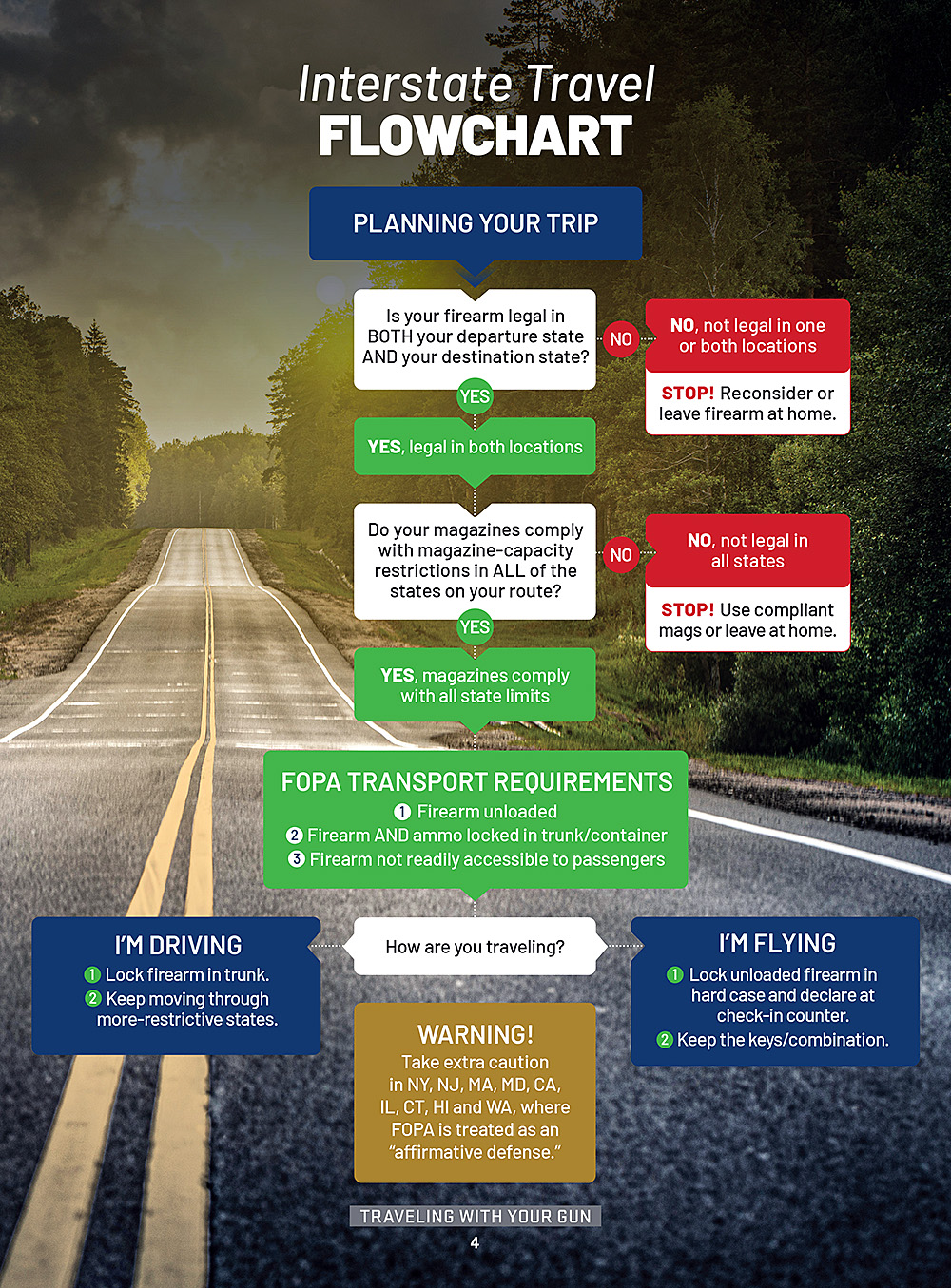
Gun stores, shooting ranges, and other businesses dealing with firearms face a complex web of regulations when it comes to assault weapon bans. The first step is to thoroughly understand the laws in every state where they do business, or ship firearms. This includes not only state laws but also any local ordinances that may be stricter.
Record-keeping requirements are crucial. Businesses must maintain detailed records of all firearm sales, including the make, model, serial number, and the identity of the purchaser. These records must be readily available for inspection by law enforcement. Failure to comply with record-keeping requirements can result in hefty fines and even criminal charges.
Online sales present unique challenges. Businesses selling firearms online must ensure they comply with the laws of both the state where they are located and the state where the firearm is being shipped. This often requires using a licensed dealer in the buyer's state to facilitate the transfer. It’s a logistical and legal headache.
Potential liabilities are significant. Businesses that knowingly violate assault weapon bans can face civil lawsuits and criminal prosecution. It’s essential to have a robust compliance program in place, including employee training and regular audits. Consulting with legal counsel specializing in firearms law is highly recommended to minimize risk.
Resources and Further Information
Staying informed about assault weapon laws requires ongoing effort. The Bureau of Alcohol, Tobacco, Firearms and Explosives (ATF) provides information on federal firearms regulations: State attorney general websites are excellent sources for state-specific laws. For example, the California Attorney General’s office has a dedicated section on firearms laws.
Gun rights advocacy groups, such as the National Rifle Association (NRA) and the Second Amendment Foundation, provide information and legal resources for gun owners. Conversely, gun control advocacy groups, like Everytown for Gun Safety and Giffords Law Center, offer information and resources on gun violence prevention. It’s important to consult a variety of sources to get a well-rounded understanding of the issues.
Do you believe that assault weapon bans are an effective way to reduce gun violence?
Cast your vote below to see real-time results from our community of legal experts and firearm owners.
No comments yet. Be the first to share your thoughts!