
2026 State Gun Law Shifts
The landscape of concealed carry reciprocity and state firearm regulations is undergoing significant realignment in 2026. As state legislatures across the United States enact new statutes, the patchwork of legal requirements for gun owners has become more complex. This overview outlines the scope of these changes, focusing on how reciprocity rules are shifting and what new restrictions or allowances have taken effect this year.
Firearm regulations remain highly jurisdiction-specific. What is legal in one state may be prohibited in a neighboring jurisdiction, particularly regarding concealed carry permits and open carry laws. The 2026 updates reflect a broader trend of states either expanding carry rights or tightening background check and storage requirements. It is essential to verify current local statutes before traveling or purchasing firearms, as laws can change rapidly between legislative sessions.
This article provides information for informational purposes only and does not constitute legal advice. Gun owners should consult official state legislature websites, the Bureau of Alcohol, Tobacco, Firearms and Explosives (ATF), or qualified legal counsel for specific guidance regarding their situation. The following sections detail the key changes in concealed carry reciprocity and state-by-state regulatory shifts for 2026.
Concealed carry reciprocity updates
The landscape for interstate recognition of concealed carry permits shifted significantly in 2026. While federal legislative efforts to mandate nationwide reciprocity stalled, individual states continued to adjust their own reciprocity agreements. These changes have created a patchwork system where the validity of a permit often depends on the specific destination state's laws rather than a uniform national standard.
In 2026, several states tightened their reciprocity rules, requiring visitors to hold a permit from a state with which they have a specific agreement. Conversely, other jurisdictions expanded recognition to include more out-of-state permits. This divergence means that carrying a concealed weapon across state lines requires careful verification of each state's current statutes.
The following table compares the 2026 reciprocity status of key states to illustrate the varying levels of permit recognition. This data is for informational purposes only and reflects legislative changes effective as of 2026. Always verify current laws with official state sources before traveling.
| State | Reciprocity Status in 2026 | Key Details |
|---|---|---|
| New York | Limited | Recognizes permits only from states with specific agreements; strict registration applies. |
| California | Restricted | Generally does not recognize out-of-state permits for carrying in public. |
| Florida | Expanded | Continues to recognize permits from a broad list of reciprocal states. |
| Texas | Modified | Adjusted recognition criteria in 2026 to align with updated training requirements. |
| New Hampshire | Full Recognition | Recognizes permits from most states without additional restrictions. |
New firearm regulations by category
Use this section to make the State Gun Laws decision easier to compare in real life, not just on paper. Start with the reader's actual constraint, then separate must-have requirements from details that are merely nice to have. A practical choice should survive normal use, maintenance, timing, and budget. If a recommendation only works in an ideal situation, call that out plainly and give the reader a fallback path.
The simplest way to use this section is to write down the must-have criteria first, then compare each option against those criteria before weighing nice-to-have features.
2026 Compliance Checklist for Gun Owners
Gun laws shift frequently, and relying on outdated information can lead to serious legal consequences. This checklist outlines the essential verification steps gun owners should take in 2026 to ensure compliance with current state and local regulations. Always consult official state legislature websites or the Bureau of Alcohol, Tobacco, Firearms and Explosives (ATF) for the most accurate, up-to-date information. This content is for informational purposes only and does not constitute legal advice.
Reciprocity agreements determine whether your home state’s concealed carry permit is recognized in other states. In 2026, some states have tightened these rules, while others have expanded them. Check the official attorney general or state police website for the state you are visiting to confirm if your permit is valid there. Do not assume national reciprocity applies everywhere.
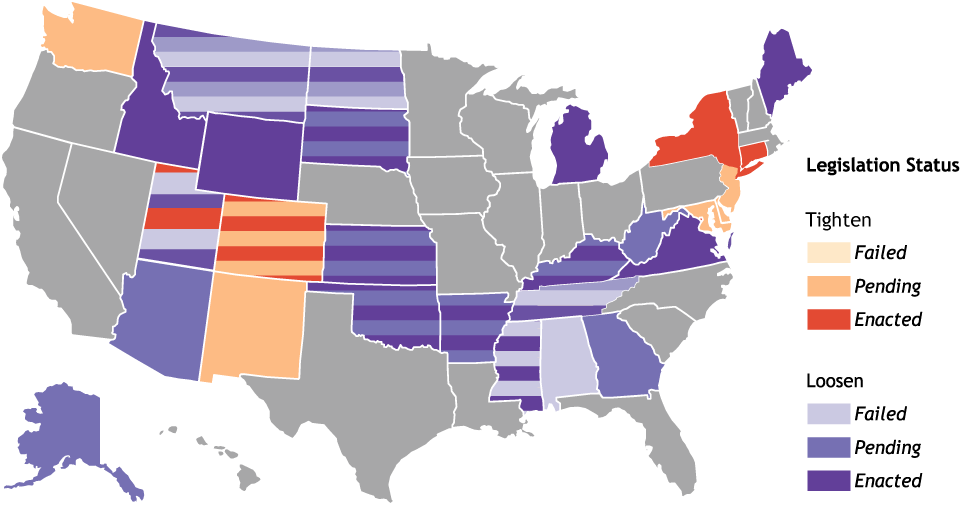
Transporting a firearm across state lines or even within your own state requires strict adherence to specific protocols. Many jurisdictions require firearms to be unloaded and stored in a locked container separate from ammunition. Some states prohibit loaded firearms in vehicles entirely, regardless of permit status. Verify the transport statutes for every jurisdiction you pass through, as laws can change at county or city levels.
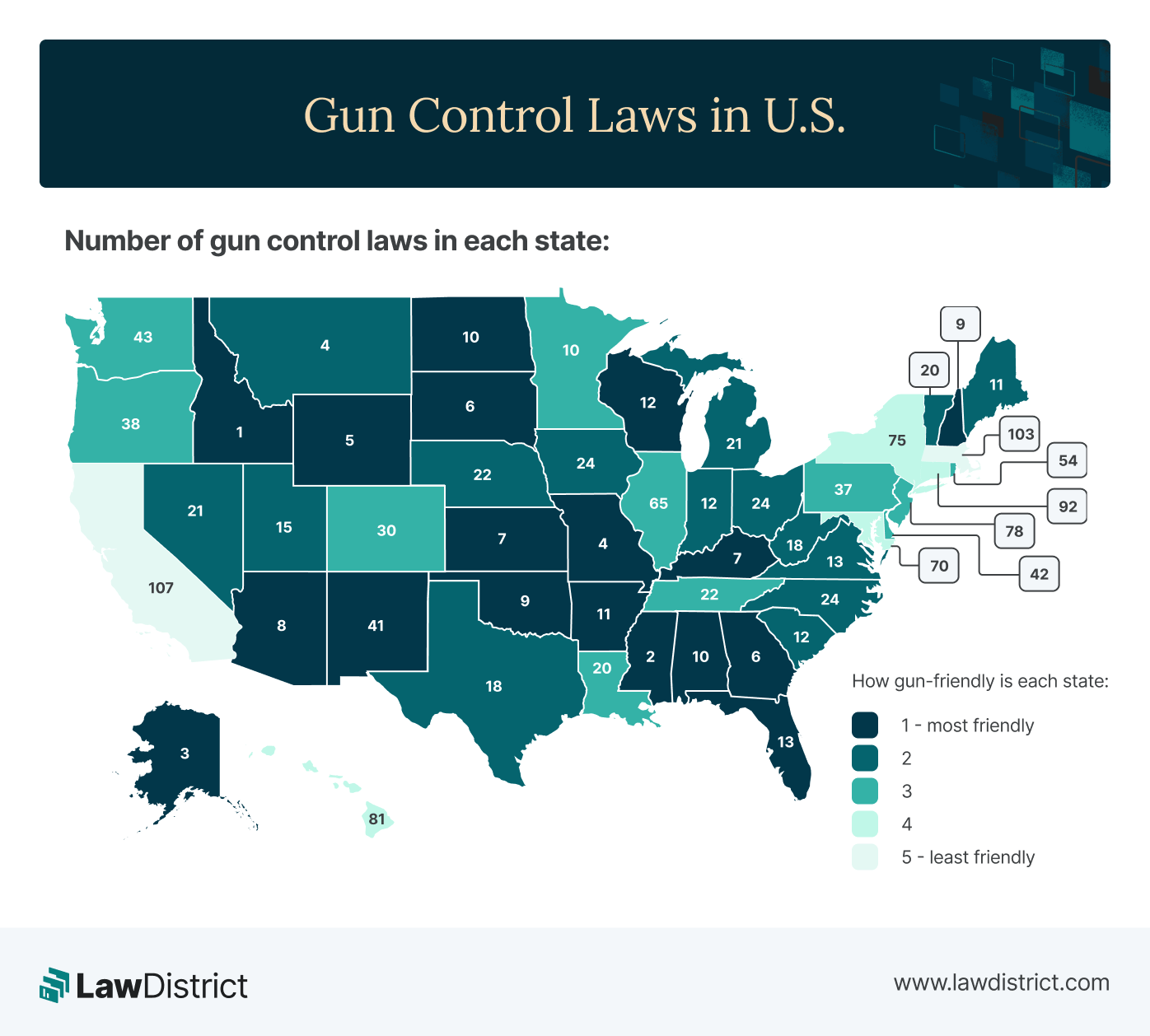
Safe storage laws vary significantly by state and are increasingly common in 2026. Some states mandate the use of trigger locks or safes when firearms are stored in homes, particularly if children or unauthorized persons have access. Failure to comply can result in criminal liability if a firearm is accessed improperly. Check your state’s penal code or official legislative database for specific storage mandates.
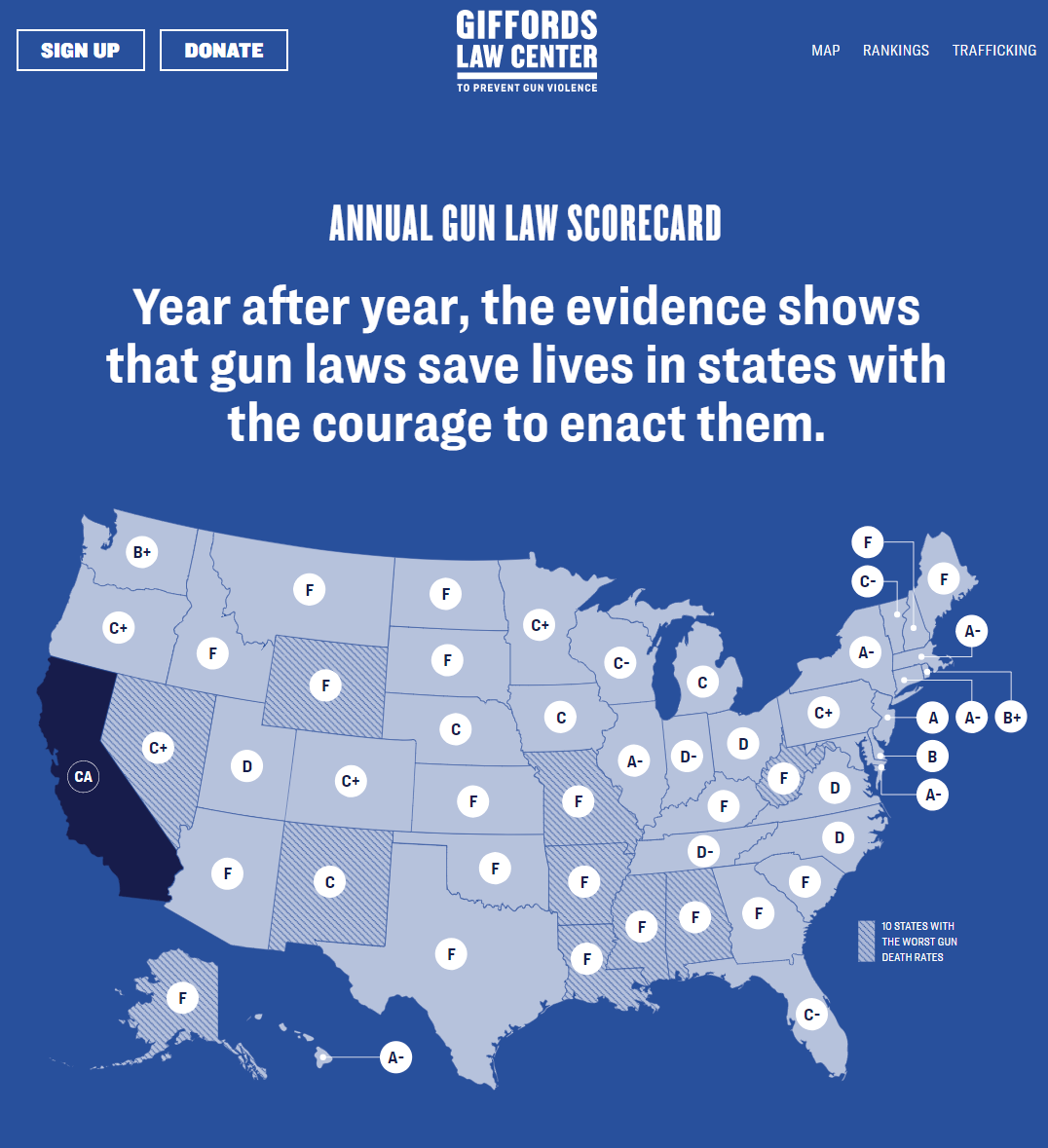
While federal law does not require firearm registration, several states and local municipalities do. New York, for example, requires registration for certain firearms and imposes strict licensing for possession outside the home or place of business. Even in states without general registration, local ordinances may impose additional reporting requirements. Consult your local police department or county clerk’s office for precise local rules.
Frequently asked questions about 2026 laws
The following information addresses common queries regarding 2026 state gun laws, concealed carry reciprocity, and legal compliance. These answers are for informational purposes only and do not constitute legal advice. Laws change frequently; always verify current regulations with official state sources.
No comments yet. Be the first to share your thoughts!