

2026 state gun laws
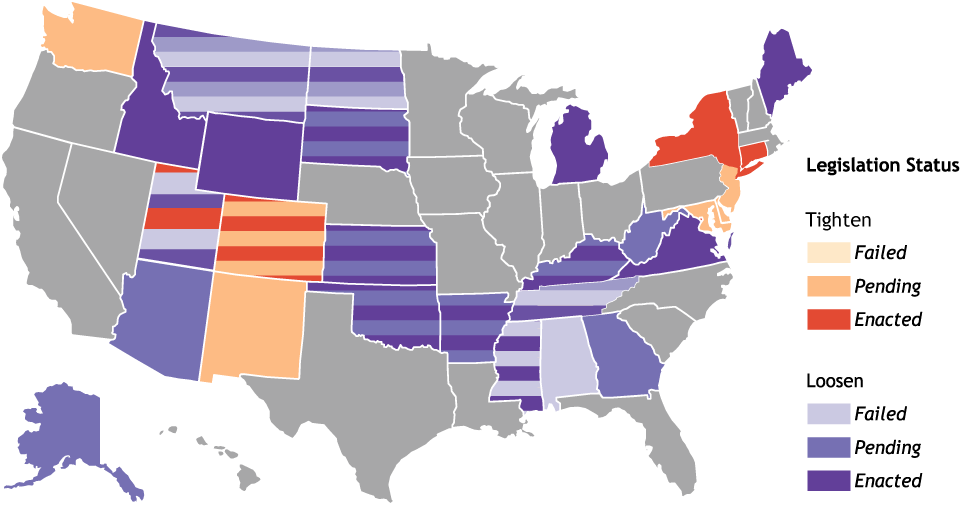
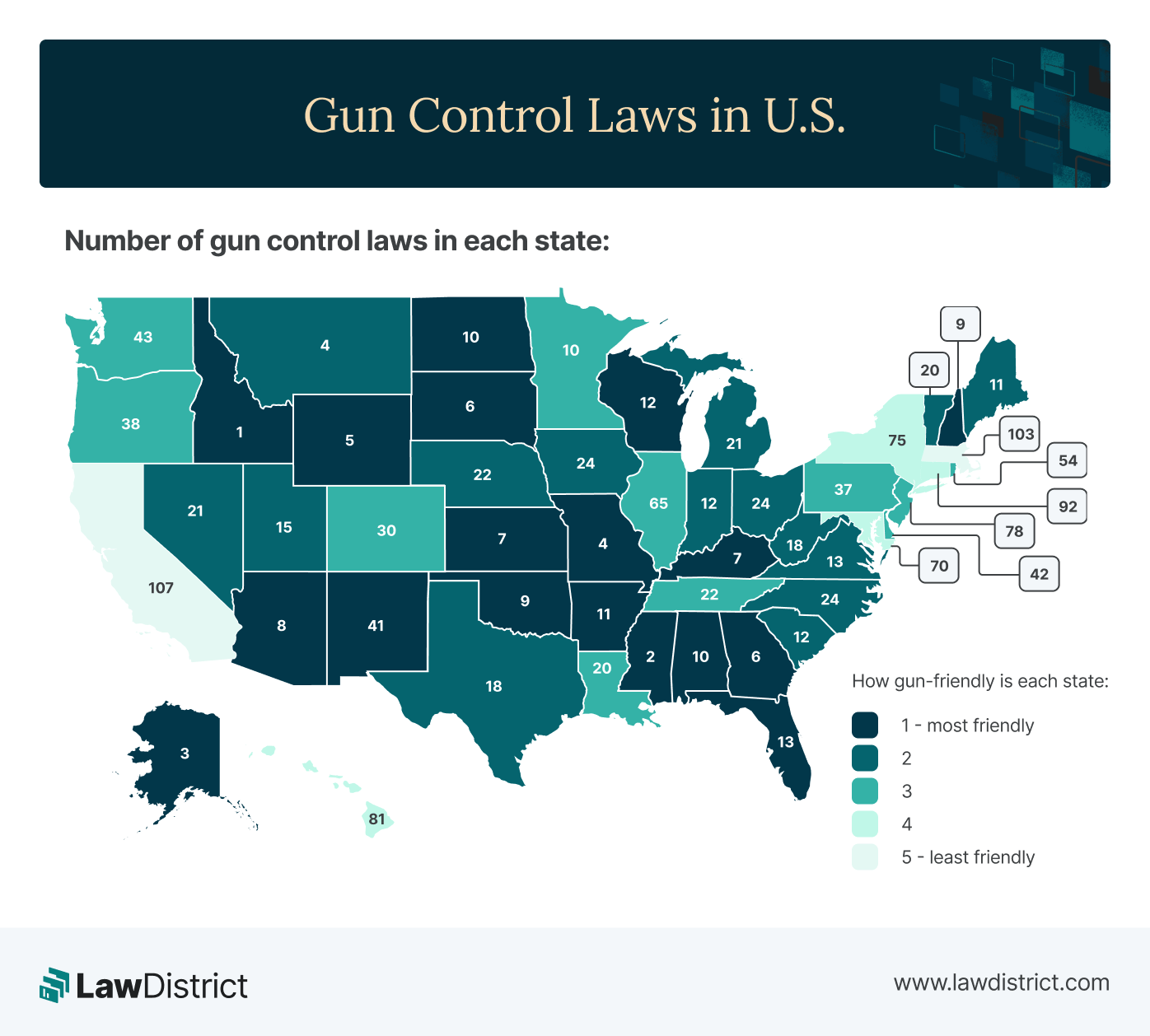
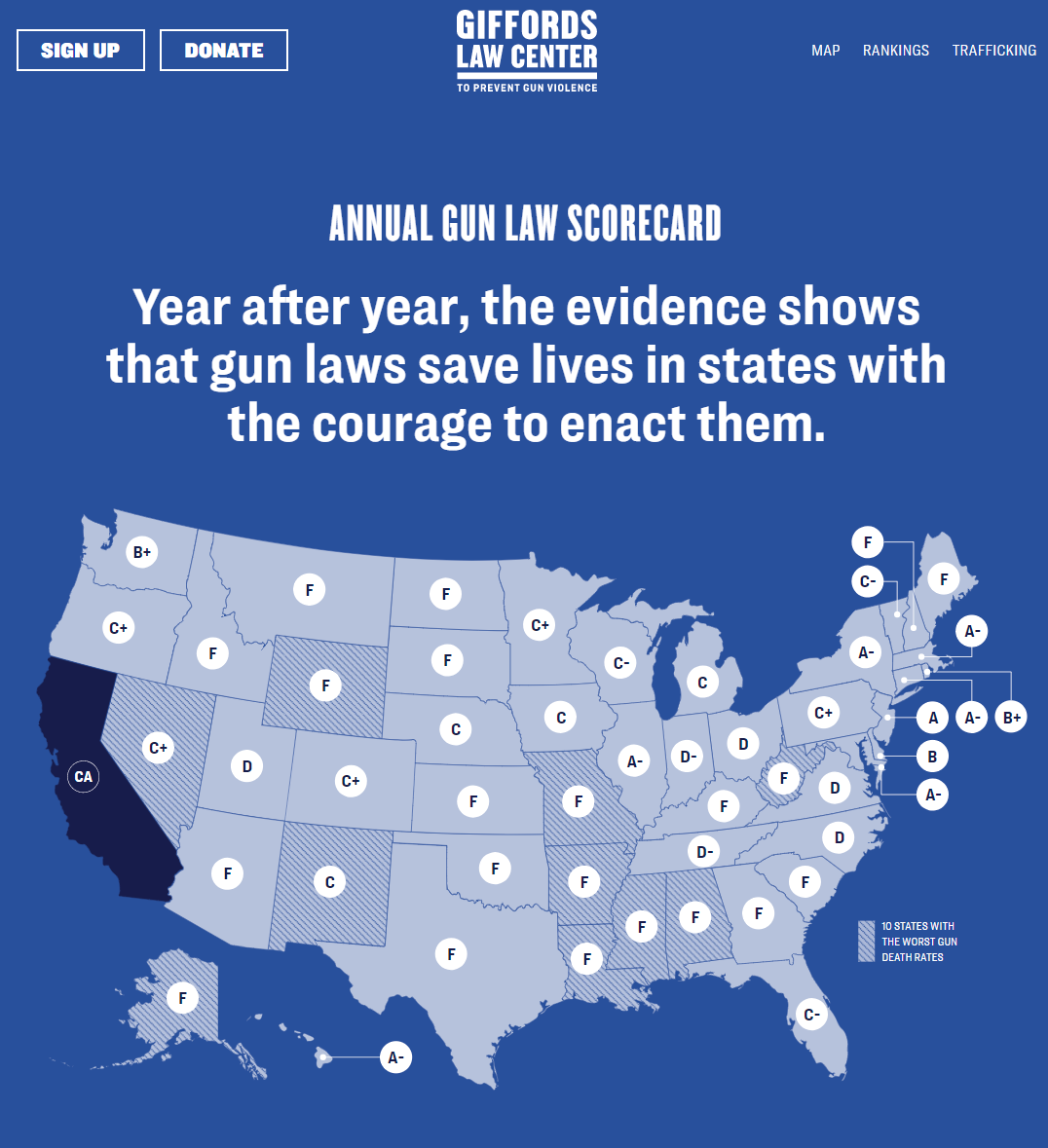
The landscape of firearm regulation is shifting significantly as 2026 begins. Several states are implementing strict new purchase limits and assault weapon bans, while others are expanding permitless carry rights. This divergence means that what was legal in one state last year may be prohibited or restricted today.
We selected these ten updates based on official state legislation and verified enforcement dates. Our goal is to help you navigate these changes with clear, actionable information. Each item below includes the specific effective date and the practical impact on your rights.
10 State Gun Law Changes in 2026: What You Need to Know
Navigating the patchwork of 2026 firearm regulations requires a clear decision framework. With new restrictions taking effect in states like California—such as the 30-day purchase limit starting April 1 and the assault weapon ban on July 1—readers must prioritize compliance over convenience. Your choice of storage, transport, and purchase strategy should align strictly with your state’s current legal status, not just your personal preference.
Here are the 10 most significant legislative changes and enforcement actions shaping firearm rights in 2026:
-
California: 30-Day Purchase Limit Takes Effect (April 1, 2026) California’s new law caps firearm purchases at one every 30 days. This applies to all firearms, including long guns. Buyers must wait 30 days between transactions, significantly impacting those looking to build a collection or replace multiple items. Exceptions exist for law enforcement and certain inheritances, but the general public faces strict timing constraints.
-
California: Assault Weapon Ban Enforcement (July 1, 2026) The ban on the sale and manufacture of assault weapons, including AR-15 style rifles, becomes fully enforceable. Existing owners may keep their firearms if registered, but new sales are prohibited. This creates a two-tier market where pre-ban models retain value, while new models are illegal to sell in-state.
-
Illinois: Expanded Background Check Requirements Illinois continues to tighten its Firearm Owners Identification (FOID) card process. In 2026, additional mental health records are being integrated into the background check database. This extends processing times for new applicants and renewals, creating a bottleneck for legal acquisition. Residents must ensure their records are up to date to avoid delays.
-
New Mexico: Permitless Carry Implementation New Mexico has fully implemented permitless carry for eligible residents. This allows law-abiding citizens to carry concealed firearms without a permit, provided they meet age and residency requirements. However, transport laws remain strict, requiring firearms to be unloaded and in a locked container when not in immediate possession.
-
New York: SAFE Act Updates and Magazine Restrictions New York’s enforcement of magazine capacity limits (10 rounds) continues, with increased penalties for violations. The 2026 updates clarify definitions of "large capacity magazines" and impose stricter penalties for possession. Residents must verify their magazines are compliant or surrender them to avoid felony charges.
-
Connecticut: Red Flag Law (ERPO) Adjustments Connecticut has refined its Extreme Risk Protection Order (ERPO) process, making it easier for law enforcement to petition for temporary firearm removal in crisis situations. The 2026 updates include faster hearing timelines and clearer criteria for what constitutes a threat. Gun owners must be aware that due process protections are balanced against public safety concerns in these proceedings.
-
Massachusetts: Licensing and Training Requirements Massachusetts maintains strict licensing requirements, but 2026 sees updates to the training curriculum. New modules on safe storage and legal responsibilities are now mandatory for all new license applicants. This increases the time and cost to obtain a license, serving as a de facto barrier to entry for some residents.
-
Hawaii: Stricter Safe Storage Laws Hawaii has enacted more stringent safe storage requirements, mandating that all firearms be stored in a locked container or with a trigger lock when not in use. Penalties for non-compliance have been increased to misdemeanors with potential jail time. This affects both long gun and handgun owners, requiring investment in compliant storage solutions.
-
New Jersey: Assault Weapon Registration Deadline New Jersey’s deadline for registering existing assault weapons has passed, but 2026 enforcement actions are targeting unregistered firearms. Possession of an unregistered assault weapon is a felony. Owners must ensure their firearms are registered with the state or face severe legal consequences, including confiscation and imprisonment.
-
Federal: ATF Rule Enforcement on SBRs and NFA Items While not a state law, federal enforcement of Short Barrel Rifle (SBR) and other NFA item rules is intensifying. The ATF is cracking down on unregistered SBRs, including pistol braces that may be classified as stocks. Gun owners must verify if their modifications require registration and tax stamps to avoid federal felony charges.
Start by confirming your state’s permitless carry status and any upcoming bans. Use official state legislature sites or the NRA’s state law tracker to verify if you are in a constitutional carry state or if new restrictions are imminent. Do not rely on outdated blogs; check the effective dates of 2026 legislation.
Invest in high-quality gun safes or lockboxes that meet your state’s storage requirements. If you live in a state with new safe-storage laws, ensure your home safe has a key or combination lock that prevents unauthorized access. This is not just about security; it is a legal safeguard against misdemeanor charges.
For interstate travel or transport between locations, use a locked, hard-sided case. Even in permitless carry states, transport laws often differ from carry laws. Look for durable cases with reliable locking mechanisms to ensure your firearm remains secure and legal during transit.
Gun laws change frequently. Subscribe to official state notifications or reputable legal updates. Set reminders for key effective dates, such as the July 1, 2026, assault weapon ban in California, to ensure you are compliant before the deadline.
![[No Assembly Required] 10-12 Gun Safe for Home Rifles and Pistols, Gun Locker, Biometric Fingerprint & Digital Keypad Locking Security Cabinet, Adjustable Storage Shelf & Rifle Rack](https://m.media-amazon.com/images/I/8161kloJ0aL._AC_UL960_QL65_.jpg)

As an Amazon Associate, we may earn from qualifying purchases.
| Criteria | Compliance Focus | Security Level |
|---|---|---|
| Biometric Safe | High (keyless access) | High (fingerprint only) |
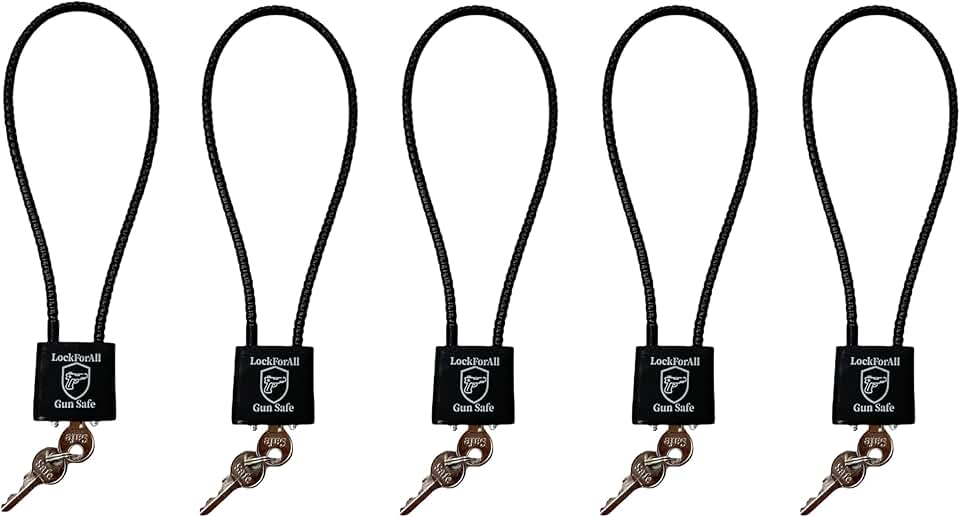
| Cable Lock | Medium (basic restriction) | Low (quick cut) |
| Hard Case | High (transport laws) | Medium (impact resistant) |
No comments yet. Be the first to share your thoughts!