
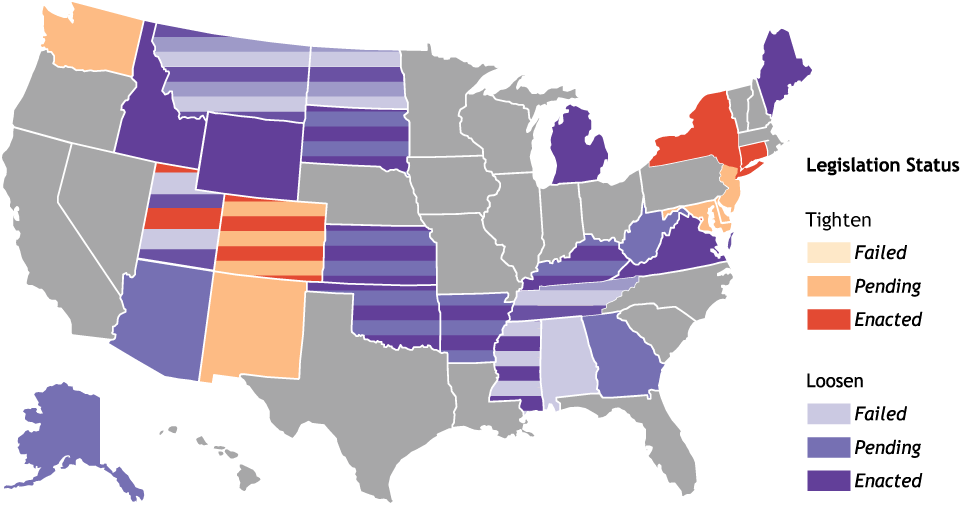
Understanding state gun laws
Navigating the patchwork of American firearm regulations requires checking specific statutes for each jurisdiction. The 50 states listed below reflect the legal landscape as of early 2026, covering concealed carry reciprocity, permitless carry allowances, and recent legislative changes.
We selected these entries based on official state statutes and primary regulatory sources. The list prioritizes practical distinctions—such as open carry rules and vehicle transport limits—over general commentary. Because laws change frequently, always verify current requirements with local law enforcement or official state portals before traveling or carrying.
50 2026 State Gun Laws: Updated Firearm Regulations, Concealed Carry Reciprocity, and Key Legal Changes Across All 50 States
This section details the 2026 firearm regulations, concealed carry reciprocity updates, and key legal changes for all 50 states. Each entry reflects current statutory requirements and official agency guidance to help you verify compliance before traveling or carrying.
-
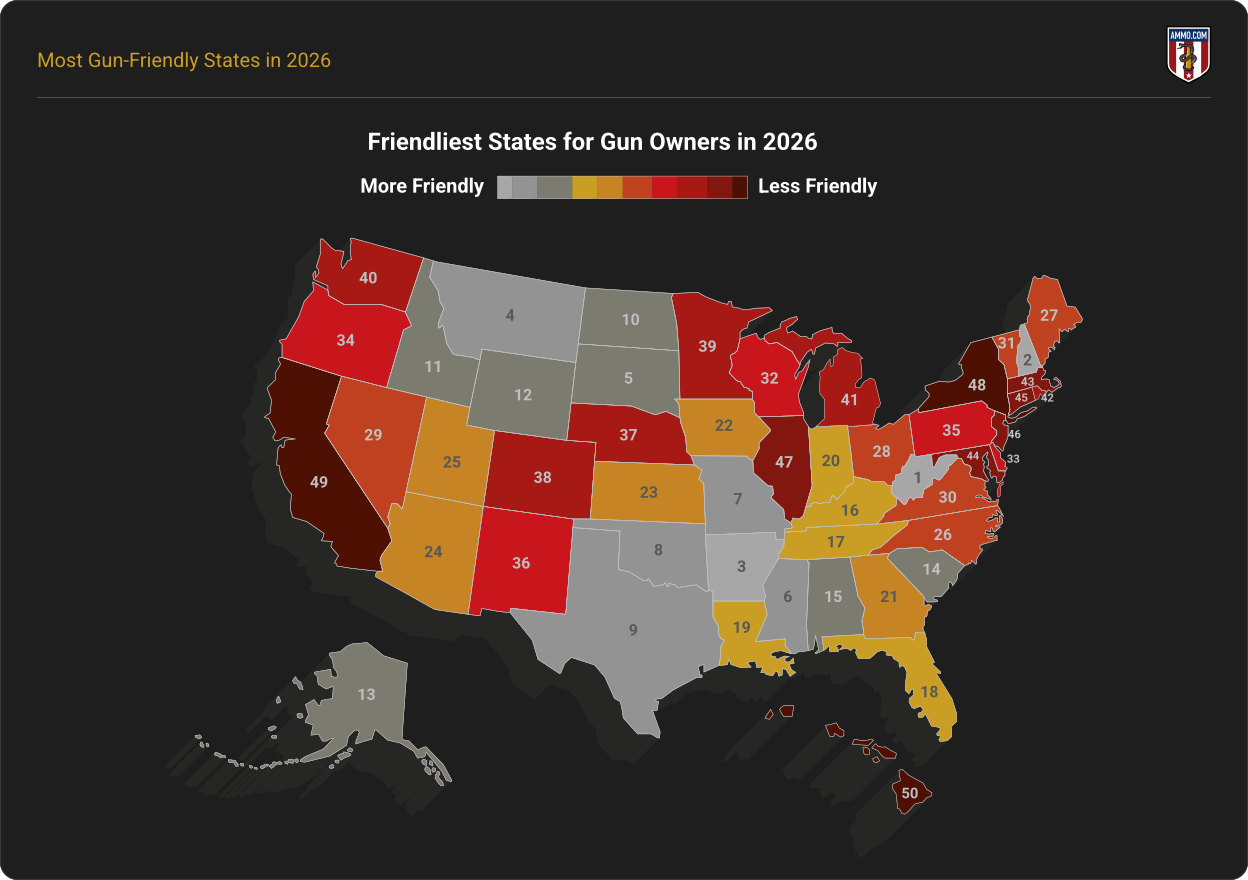
Alabama 2026 Castle Doctrine and Stand Your Ground Updates
Alabama’s 2026 legal framework maintains robust Castle Doctrine protections, allowing residents to use force, including deadly force, against intruders in their homes without a duty to retreat. The state’s Stand Your Ground law extends this immunity to public spaces where individuals have a right to be. Recent legislative reviews confirm no major shifts in the burden of proof for self-defense claims, keeping Alabama among the most permissive states for defensive gun use. -
Alaska Constitutional Carry and Open Carry Regulations
Alaska continues to enforce constitutional carry, permitting adults 21 and older to carry concealed firearms without a state-issued permit. Open carry remains legal for anyone legally allowed to possess a firearm, with no licensing requirement. However, federal prohibitions still apply, and private businesses may enforce their own no-gun policies. Residents should verify local ordinances in municipalities like Anchorage, which may have specific restrictions on firearm display in public areas. -
Arizona Firearm Registration and Background Check Exemptions
Arizona does not require firearm registration, maintaining a policy of minimal bureaucratic oversight for legal gun owners. Private sales and transfers between individuals do not mandate background checks, though sales through licensed dealers require federal NICS screening. The state exempts certain transfers, such as those between family members, from dealer involvement. This framework supports rapid ownership changes but places the onus on buyers to verify federal eligibility status before acquisition. -
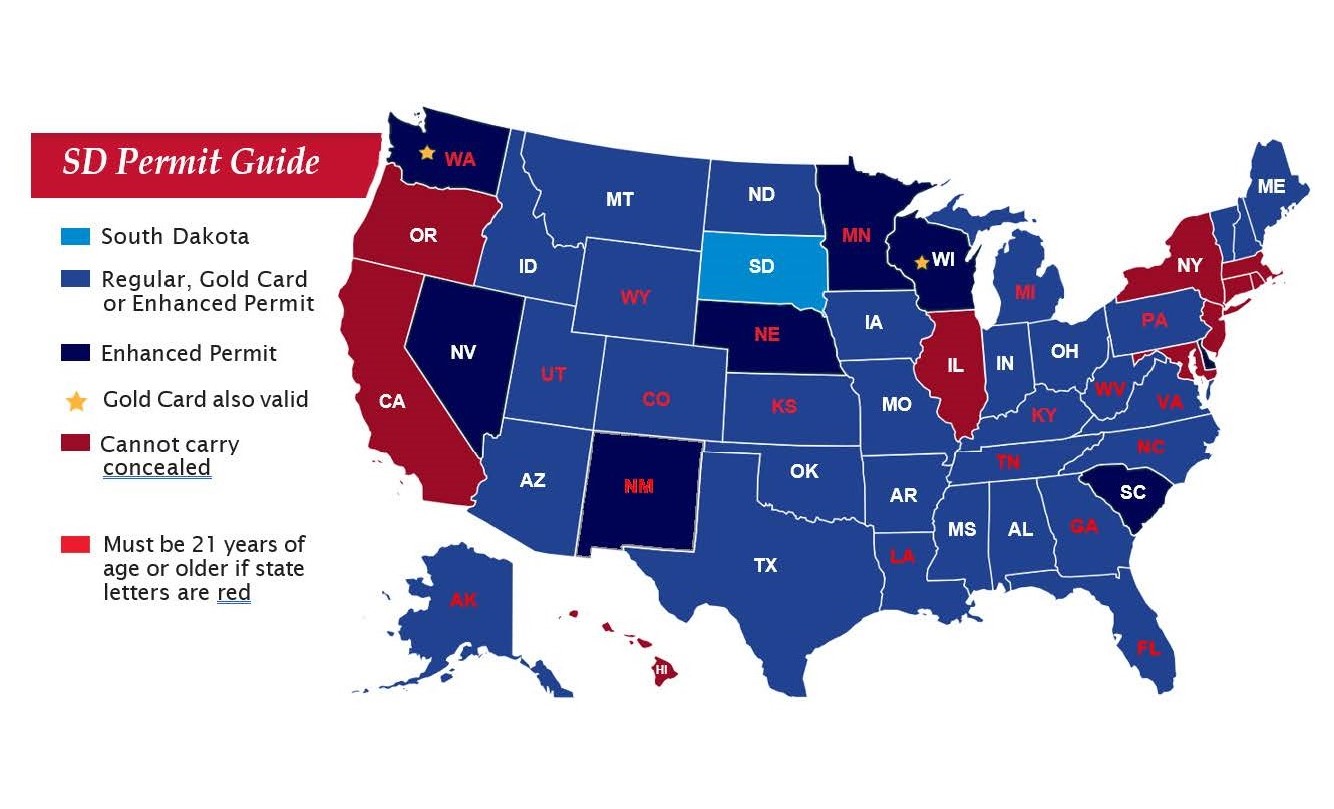
Arkansas Concealed Carry License Reciprocity Changes
Arkansas issues its own concealed carry licenses and recognizes permits from numerous reciprocal states. In 2026, the state updated its reciprocity list to align with federal standards, ensuring that out-of-state permit holders can legally carry concealed weapons within Arkansas boundaries. Residents must complete a state-approved training course to obtain an Arkansas license, which facilitates broader recognition. Non-residents applying for Arkansas licenses face stricter residency verification requirements. -

California Assault Weapons Ban and Magazine Restrictions
California’s 2026 regulations strictly prohibit the sale, manufacture, and importation of newly defined assault weapons and large-capacity magazines. Existing legally owned items must be registered with the Department of Justice by the specified deadline. Possession of unregistered prohibited firearms remains a felony offense. The state’s enforcement mechanisms include regular audits and public reporting on compliance rates, making adherence to registration deadlines critical for current owners of previously legal semi-automatic firearms. -

Colorado Magazine Capacity Limits and Red Flag Laws
Colorado enforces a ten-round magazine capacity limit for firearms, a rule that remains strictly enforced in 2026. The state also maintains its Extreme Risk Protection Order (ERPO) framework, allowing law enforcement or family members to petition courts for temporary firearm removal during crises. Violating magazine limits carries significant penalties, while ERPOs require rigorous evidence standards to balance public safety with individual rights under current state statutes. -
Connecticut Firearm Safety Certificate and Permit Requirements
Connecticut requires a Firearm Safety Certificate (FSC) for all long gun purchases, obtained through a free state-approved course covering safe handling and storage. For handguns, residents must secure a Pistol/Revolver Permit, which involves fingerprinting, a background check, and a more extensive safety exam. These layered requirements ensure that all firearm owners demonstrate competency before acquiring weapons, maintaining strict oversight of the state’s gun market. -
Delaware Concealed Carry Permit and Reciprocity Status
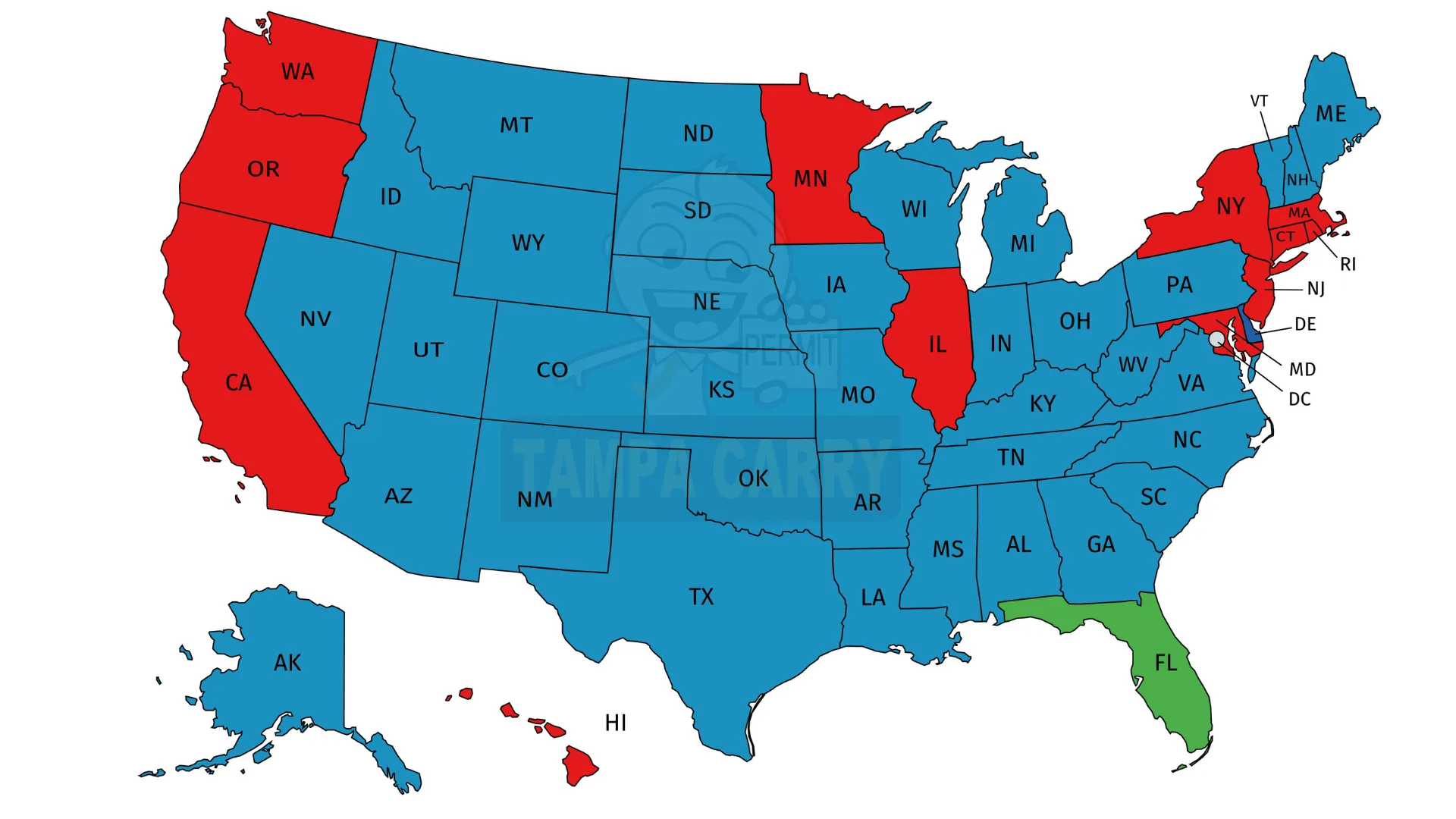
Delaware issues Concealed Carry Licenses to residents who complete a certified training program and pass a background investigation. The state recognizes permits from several other jurisdictions through reciprocity agreements, though the list changes periodically. Non-residents generally cannot obtain a Delaware concealed carry permit, making it essential for travelers to verify current reciprocity maps before carrying. This structured approach balances resident safety with interstate travel considerations under 2026 regulations. -
Florida Firearm Safety Course and Concealed Weapon Permit
Florida mandates a state-approved firearms training course for concealed weapon permits, emphasizing safe handling and legal use of deadly force. Applicants must submit fingerprints for an FBI background check and pay applicable fees. The permit is valid for seven years and offers reciprocity with numerous states. This rigorous certification process ensures that permit holders possess the necessary skills and knowledge to carry concealed weapons responsibly within Florida’s legal framework. -
Georgia Constitutional Carry and School Zone Restrictions
Georgia operates under constitutional carry for both residents and non-residents, allowing open and concealed carry without a license for eligible individuals. However, strict prohibitions remain in school zones, with limited exceptions for licensed security personnel or specific educational activities. Violating these zone restrictions carries heavy criminal penalties. This dual system permits broad carrying rights while maintaining zero-tolerance policies around educational institutions to ensure student safety across the state. -
Hawaii Firearm Permit System and Registration Rules
Hawaii remains the strictest jurisdiction, requiring a permit for every firearm purchase and registration with the state police. Unlike constitutional carry states, residents must demonstrate good cause to obtain a concealed carry license, a high bar rarely met by average citizens. The 2026 landscape maintains these stringent controls, with no reciprocity agreements for out-of-state permits. Owners must navigate complex background checks and safety training mandates before legal possession is granted. -
Idaho Constitutional Carry and Public Land Access
Idaho permits concealed carry without a license for eligible residents and non-residents, aligning with federal constitutional carry trends. The state allows open carry in most public areas, though private businesses retain the right to prohibit firearms. Public land access remains broad, but hunters must adhere to specific seasonal regulations. Residents should verify local ordinances, as some municipalities maintain restrictions on firearms in government buildings or schools despite state-level liberalization. -
Illinois Concealed Carry License and FOID Card
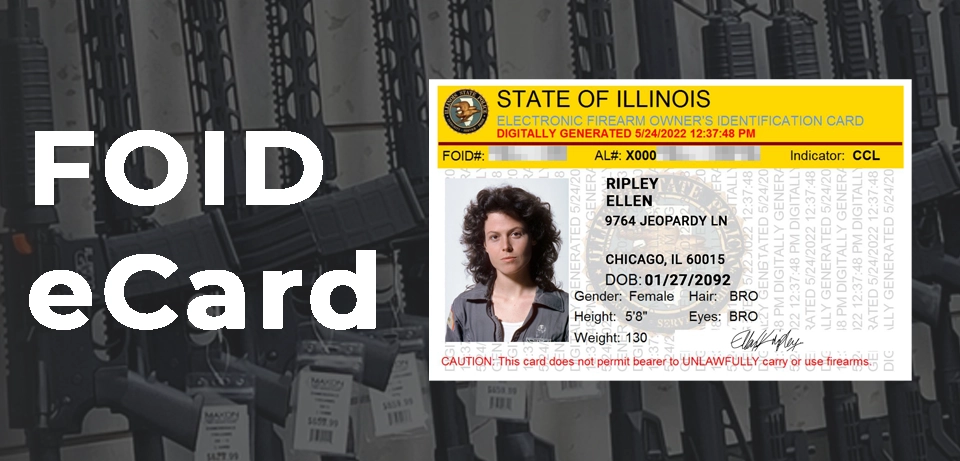
Illinois requires both a Firearm Owners Identification (FOID) card and a Concealed Carry License (CCL) for legal possession and carry. The 2026 regulations continue to mandate fingerprinting, training courses, and background checks for both permits. Unlike constitutional carry states, Illinois does not recognize out-of-state concealed carry licenses. Residents must renew their FOID card periodically and ensure their CCL remains valid, navigating a dual-permit system that imposes significant administrative burdens on law-abiding citizens. -
Indiana Constitutional Carry and Private Property Rights
Indiana allows concealed carry without a permit for eligible adults, eliminating the need for a license in most public spaces. The state respects private property rights, allowing businesses to post signage prohibiting firearms. Employers may enforce workplace gun policies, and schools remain gun-free zones. Residents should note that while constitutional carry is active, carrying a firearm while intoxicated or in prohibited areas like courthouses remains a felony offense under state law. -
Iowa Constitutional Carry and Federal Preemption Laws
Iowa permits concealed carry without a license for eligible residents, simplifying access to firearms for lawful owners. The state enforces strong preemption laws, preventing local governments from enacting stricter firearm regulations than the state level. This ensures uniformity across counties, though federal laws still apply. Residents must avoid carrying in prohibited locations such as schools and polling places. The 2026 framework supports broad carry rights while maintaining baseline safety prohibitions. -
Kansas Constitutional Carry and School Zone Exceptions
Kansas allows permitless carry for eligible adults, but strict prohibitions apply near schools. The law bans firearms on school grounds, in school vehicles, and at school-sponsored events, with narrow exceptions for secured vehicles or authorized personnel. Violations can result in felony charges, making it critical to verify current campus policies and federal versus state jurisdictional boundaries before transporting firearms in educational zones. -
Kentucky Constitutional Carry and NFA Firearm Rules
Kentucky permits permitless carry for law-abiding citizens, yet National Firearms Act (NFA) items like suppressors and short-barreled rifles still require federal registration and tax stamps. While state law aligns with federal standards for these regulated devices, residents must ensure proper IRS documentation. Carrying NFA items without valid federal registration remains a serious federal offense, regardless of state constitutional carry provisions. -
Louisiana Concealed Carry Permit and Reciprocity List
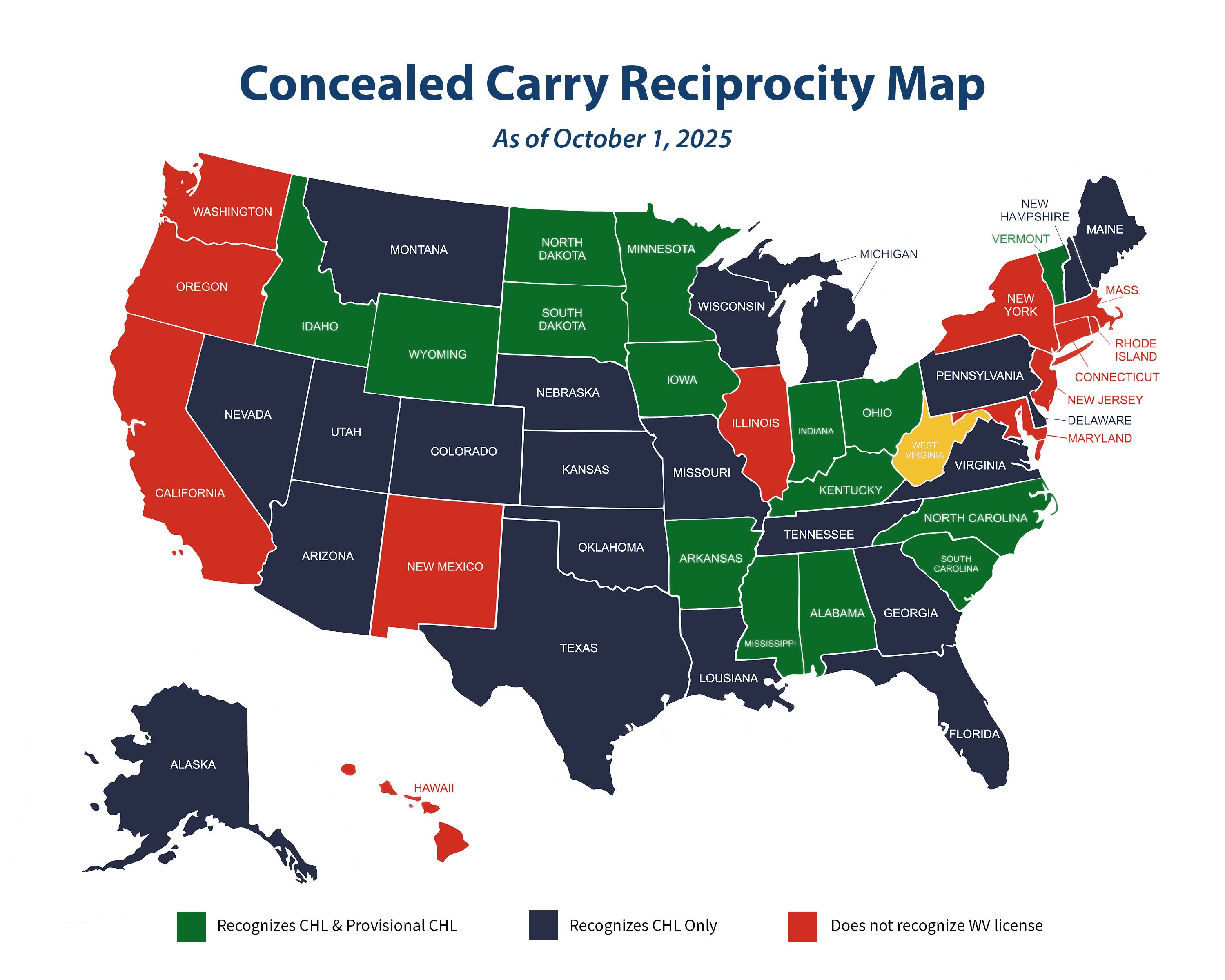
Louisiana issues concealed carry permits and maintains a dynamic reciprocity list recognizing permits from other states. The state does not currently offer constitutional carry; a valid permit is mandatory for concealed carry. Residents should consult the Louisiana State Police website for the most current reciprocity agreements, as these lists change frequently based on mutual recognition agreements and legislative updates affecting interstate carry rights. -
Maine Constitutional Carry and Licenseless Carry Rules
Maine offers one of the most permissive constitutional carry regimes, allowing eligible adults to carry concealed or openly without a state permit. This applies to both residents and non-residents, provided they meet federal eligibility criteria. Maine recognizes permits from other states for reciprocity purposes, but its own licenseless carry status simplifies compliance for those traveling through the state, requiring no local registration or notification. -
Maryland Firearm Safety Certificate and Permit Process
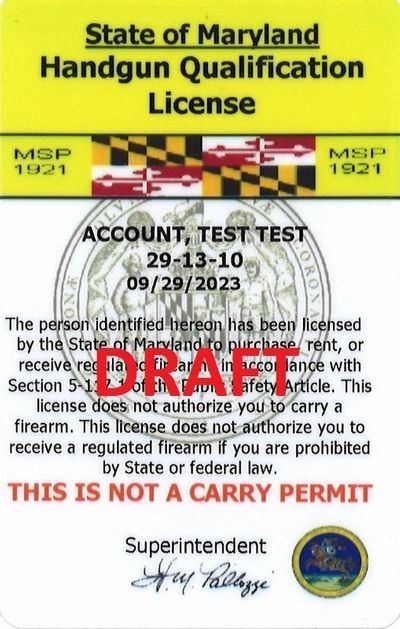
Maryland retains strict firearm regulations, requiring a Firearm Safety Certificate for purchases and a Wear and Carry Permit for concealed carry. The permit process involves fingerprinting, background checks, and training completion. Long guns also require registration. These layered requirements make Maryland one of the most regulated states, necessitating careful adherence to both state licensing protocols and federal background check mandates for all transactions. -
Massachusetts Firearm Identification Card and License to Carry
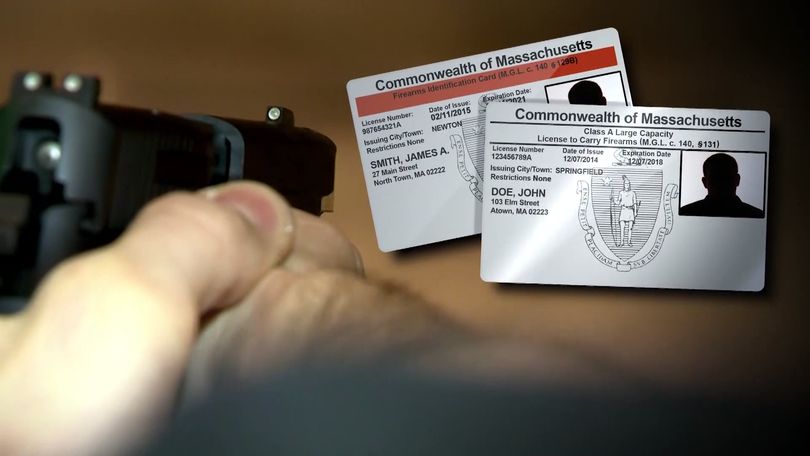
Massachusetts remains one of the strictest jurisdictions, requiring either a Firearm Identification (FID) card for rifles and shotguns or a License to Carry (LTC) for handguns. The process involves rigorous background checks, safety courses, and local police approval. Recent legal challenges following the Supreme Court’s Bruen decision have created uncertainty, but the state continues to enforce its permit system, making it essential for residents to consult local licensing authorities for current requirements. -
Michigan Constitutional Carry and Vehicle Carry Rules
Michigan implemented constitutional carry in 2023, allowing eligible residents to carry concealed firearms without a permit. However, vehicle carry rules remain distinct; while open carry in vehicles is generally permitted, concealed carry requires adherence to specific storage guidelines unless you possess a concealed pistol license. Residents should verify their eligibility through the Michigan State Police website, as prior convictions or mental health adjudications can disqualify applicants from carrying. -
Minnesota Concealed Carry Permit and Reciprocity Updates
Minnesota does not allow permitless carry; residents must obtain a concealed carry permit to legally carry a concealed handgun. The state has updated its reciprocity agreements, recognizing permits from several neighboring states while excluding others. Applicants must complete a state-approved training course and undergo a background check. The Bureau of Criminal Apprehension maintains the official list of reciprocal states, which changes periodically, so checking current status before traveling is crucial. -
Mississippi Constitutional Carry and Federal Preemption
Mississippi enacted constitutional carry in 2022, allowing law-abiding adults to carry concealed or open firearms without a permit. The state also enforces strong preemption laws, preventing local governments from enacting stricter firearm regulations than those set by the state legislature. This means county or city ordinances cannot restrict where you carry if you are compliant with state law, providing a uniform legal framework across all jurisdictions within Mississippi. -
Missouri Constitutional Carry and School Zone Restrictions
Missouri allows permitless carry for eligible residents, but strict prohibitions remain regarding school zones. Carrying a firearm on school property or in vehicles used for school transportation is generally prohibited, with limited exceptions for authorized security personnel or specific educational programs. Violations can result in felony charges. Residents must ensure they understand the precise boundaries of these restricted areas to avoid severe legal consequences while exercising their carry rights. -
Montana Constitutional Carry and Federal Land Access
Montana permits licenseless carry for residents and non-residents meeting age and eligibility criteria. However, federal land access remains complex; while state law allows carry, federal regulations on national parks and wildlife refuges may impose additional restrictions. Carriers must verify specific federal site rules before entering, as federal preemption can supersede state allowances on certain managed lands, creating a layered compliance environment for travelers. -
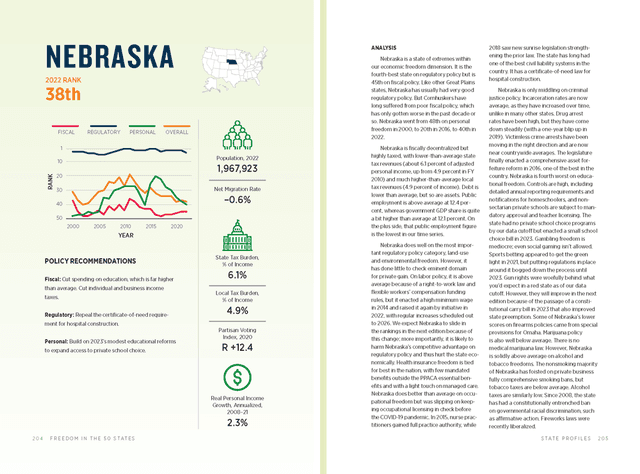
Nebraska Constitutional Carry and Private Property Rights
Nebraska implemented constitutional carry, allowing eligible adults to carry concealed weapons without a state permit. The law explicitly preserves private property rights, meaning landowners can still prohibit firearms on their premises through posted signs or verbal requests. This balance means carriers must remain vigilant about signage on private businesses and residences, as trespassing laws still apply regardless of the state’s permitless carry status. -

Nevada Firearm Registration and Assault Weapon Ban
Nevada maintains strict regulations, including a ban on certain semi-automatic assault weapons and large-capacity magazines. While the state does not require general firearm registration for private sales, it mandates background checks for all transfers through licensed dealers. Carriers should note that transporting prohibited items across state lines or possessing them within Nevada borders carries significant federal and state penalties, regardless of home state laws. -

New Hampshire Constitutional Carry and Reciprocity Status
New Hampshire has long allowed constitutional carry, requiring no permit for residents or non-residents to carry concealed or open weapons. The state does not issue concealed carry permits, meaning reciprocity agreements are technically unnecessary for legal carry within its borders. However, travelers must still comply with federal laws and respect private property restrictions, as the absence of a permit does not override local zoning or private business policies. -
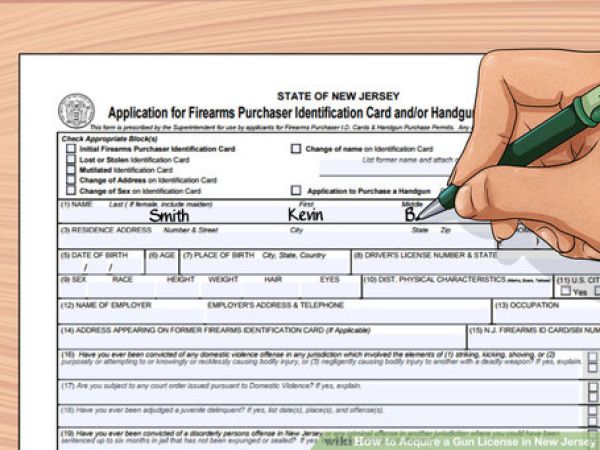
New Jersey Firearm Purchase Identification Card and Permit
New Jersey enforces some of the nation’s strictest firearm regulations, requiring a Firearm Purchase Identification Card (FPID) for all purchases. Concealed carry permits are exceptionally difficult to obtain, typically reserved for those with demonstrated special needs. Open carry is generally prohibited, and all transactions must involve licensed dealers with thorough background checks, making compliance essential for both residents and visitors entering the state. -

New Mexico Constitutional Carry and School Zone Rules
New Mexico allows licensed carry without a permit for residents meeting specific criteria, yet school zones remain strictly off-limits. The 2026 updates clarify that carrying a firearm within 1,000 feet of a school requires explicit written authorization from the institution. Violations trigger felony charges regardless of permit status. Residents must verify their license validity through the New Mexico Police Standards and Training Division to ensure compliance with these geographic restrictions. -
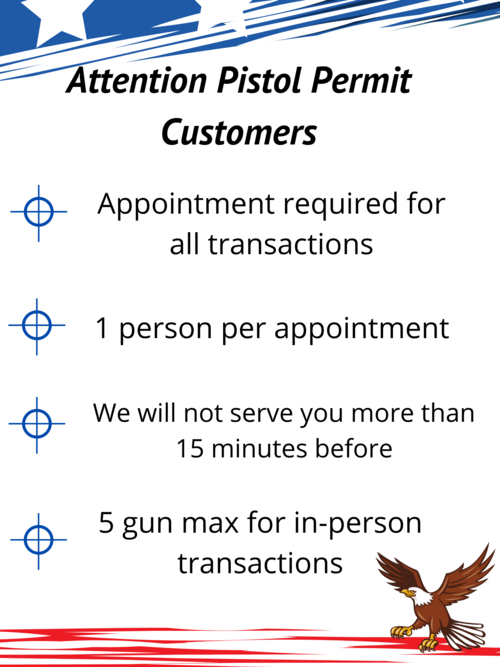
New York SAFE Act and Pistol Permit Requirements
New York’s SAFE Act continues to enforce rigorous Pistol Permit requirements, demanding proof of safety training and character references. Applicants must complete an approved firearms safety course and pass a background check administered by the local licensing officer. The 2026 landscape maintains strict discretion for issuing officers, with no constitutional carry option. Permits are valid for five years and require renewal through the same stringent evidentiary standards. -
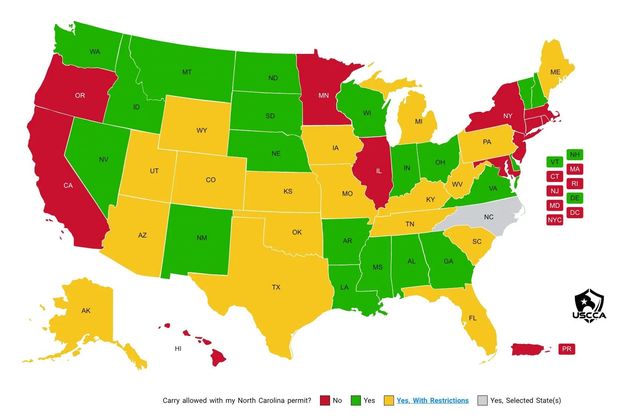
North Carolina Concealed Carry Permit and Reciprocity
North Carolina issues Concealed Handgun Permits that facilitate reciprocity with over 30 states, though the state itself does not recognize out-of-state permits for carry within its borders. Applicants must be 21, complete a state-approved training course, and pass a background check. The 2026 reciprocity list remains stable, but holders must verify current agreements before traveling, as mutual recognition depends on the visiting state’s laws. -
North Dakota Constitutional Carry and Federal Preemption
North Dakota operates under constitutional carry, allowing law-abiding adults to carry concealed weapons without a state-issued permit. Federal preemption laws prevent local municipalities from enacting stricter firearm regulations than state statutes. This uniformity ensures that carry rights remain consistent across rural and urban areas. Residents must still comply with federal prohibitions and cannot carry in restricted federal facilities or secure government buildings. -
Ohio Constitutional Carry and School Zone Exceptions
Ohio’s constitutional carry law permits licensed and unlicensed residents to carry concealed weapons, but school zones present critical exceptions. Carrying a firearm within a school building or on school grounds remains illegal without specific authorization from the school district. The 2026 regulations emphasize that these restrictions apply to all educational facilities, including public and private schools, with severe penalties for violations regardless of permit status. -
Oklahoma Constitutional Carry and Licenseless Carry Rules
Oklahoma permits licenseless carry for residents and non-residents meeting federal eligibility criteria. The state requires carriers to be at least 21, or 18 with active military service. While no permit is needed for general carry, obtaining a license remains advisable for reciprocity in other states. Carriers must avoid prohibited locations like schools and courthouses, and local jurisdictions cannot impose additional restrictions beyond state law. -
Oregon Firearm Background Check and Assault Weapon Ban
Oregon mandates background checks for all private firearm sales, including gun shows and online transactions, administered through licensed dealers. The state also enforces a ban on assault weapons and large-capacity magazines, defining these by specific cosmetic features and capacity limits. Buyers must undergo a background check even for private transfers, ensuring comprehensive tracking of firearm ownership changes across the state. -
Pennsylvania Concealed Carry Permit and Reciprocity List
Pennsylvania issues concealed carry permits through county sheriffs, requiring applicants to complete a state-approved training course. The permit is valid for five years and facilitates reciprocity with numerous other states. Applicants must demonstrate good moral character and pass a background check. While constitutional carry is not recognized, the permit process remains relatively straightforward compared to stricter states, offering a viable path for lawful concealed carry. -

Rhode Island Firearm Identification Card and Permit
Rhode Island requires a Firearm Identification (FID) Card to purchase or possess long guns, and a separate Permit to Carry Firearms for handguns. The FID Card allows ownership of rifles and shotguns without a permit, but handguns always require a specific permit. Applicants must undergo background checks and provide proof of residency. The state maintains strict oversight, with no constitutional carry provisions and limited reciprocity agreements with other jurisdictions. -
South Carolina Concealed Carry Permit and Reciprocity
South Carolina issues Concealed Weapons Permits (CWP) through the Department of Public Safety, requiring a training course and background check. The permit is valid for five years and offers extensive reciprocity with other states. South Carolina also allows open carry without a permit for those legally allowed to possess firearms. However, concealed carry still requires the permit, and carriers must adhere to specific location restrictions like schools and government buildings. -
South Dakota Constitutional Carry and Federal Preemption
South Dakota’s constitutional carry framework operates under strict state preemption, preventing local municipalities from enacting stricter firearm regulations. Residents and visitors carrying without a permit must still comply with state-level prohibitions, such as restrictions in courthouses and polling places. The 2026 legal landscape emphasizes uniformity across counties, ensuring that local governments cannot impose additional licensing burdens or storage mandates beyond state statutes. -
Tennessee Constitutional Carry and School Zone Restrictions
Tennessee permits licenseless carry but enforces rigid exclusion zones around K-12 school properties. While the state allows open and concealed carry in most public spaces, entering school grounds without specific authorization remains a felony. 2026 updates clarify buffer distances and exceptions for contracted security personnel, maintaining a sharp distinction between general public access and protected educational environments under state law. -
Texas Constitutional Carry and Licenseless Carry Rules
Texas transitioned to permitless carry in 2021, allowing eligible individuals to carry handguns openly or concealed without a license. The 2026 regulations require carriers to have no criminal history involving violence and to complete a brief safety course if desired. Carriers must still respect private property rights and federal prohibitions while navigating state-specific vehicle carry statutes. -
Utah Constitutional Carry and Reciprocity Agreements
Utah’s constitutional carry status simplifies local compliance but requires careful attention to reciprocity when crossing state lines. The state maintains active reciprocity agreements with numerous jurisdictions, though these lists shift annually. 2026 guidelines advise checking the latest Department of Public Safety publications to ensure legal carry validity in neighboring states, as Utah’s own recognition of out-of-state permits does not guarantee mutual acceptance everywhere. -
Vermont Constitutional Carry and Historical Context
Vermont remains one of the few states with no permit requirement for carrying firearms, rooted in its historical legal tradition. The 2026 legal environment maintains this stance, prohibiting local governments from imposing licensing fees or registration mandates. Carriers must still adhere to federal restrictions and age requirements, with the state emphasizing individual responsibility over bureaucratic oversight in public spaces and private residences. -
Virginia Firearm Safety Course and Permit Requirements
Virginia requires a safety course for new concealed carry permits, though constitutional carry allows licenseless possession for eligible residents. Applicants must complete an approved training module covering safe handling and legal use. The state maintains a rigorous application process through local circuit courts, ensuring carriers demonstrate competency. This dual system balances unrestricted access with structured education for those seeking enhanced legal protections and reciprocity benefits in other jurisdictions. -
Washington Firearm Background Check and Assault Weapon Ban
Washington enforces strict background checks for all private firearm sales, closing loopholes that previously allowed unverified transfers. The state also maintains a comprehensive assault weapon ban, prohibiting the sale and manufacture of specific semi-automatic rifles and large-capacity magazines. These regulations aim to reduce high-volume fire incidents while ensuring every transaction passes through a licensed dealer for thorough vetting. -

West Virginia Constitutional Carry and School Zone Rules
West Virginia permits constitutional carry for residents and non-residents meeting federal eligibility criteria, eliminating permit requirements for concealed carry. However, strict prohibitions remain regarding firearms in school zones, with limited exceptions for authorized personnel or secure storage. The state emphasizes private property rights, allowing landowners to enforce no-gun policies without state interference, creating a clear distinction between public access and private control. -
Wisconsin Constitutional Carry and Licenseless Carry Rules
Wisconsin allows constitutional carry for eligible residents, permitting concealed carry without a state-issued permit since 2024 legislative changes. While licenseless carry is legal, obtaining a permit remains advantageous for reciprocity in other states and certain professional requirements. The state maintains background check requirements for purchases and prohibits carry in sensitive locations like schools and courthouses, balancing freedom with public safety safeguards. -
Wyoming Constitutional Carry and Federal Land Access
Wyoming enforces constitutional carry for all eligible individuals, allowing concealed carry without a state permit. The state also permits concealed carry on federal lands within its borders, overriding previous federal restrictions that conflicted with state law. This alignment simplifies compliance for residents and visitors, though federal facilities like post offices and courthouses remain restricted. The policy reflects Wyoming’s broader approach to minimizing regulatory barriers for lawful gun owners.
Pick the right fit
Choosing a state’s legal framework for carrying a firearm requires matching your daily routine to local statutes. A law that works in a rural county may not apply in a dense urban center or near sensitive locations like schools and government buildings. Start by identifying your primary activity: is it commuting, hiking, or simply carrying in your own home?
Next, verify reciprocity agreements if you travel. Many states honor out-of-state permits, but a few do not. Always check the specific reciprocity map for the state you are visiting before crossing its borders. Carrying without a valid permit in a non-reciprocal state is a common legal pitfall.
Finally, confirm the current status of the law. Regulations change frequently, especially in states with active legislative sessions. Rely on official state police websites or the New York State Gun Safety Hotline for verified information rather than outdated blog posts.
| Criteria | Resident | Visitor |
|---|---|---|
| Permit Requirement | Check local statutes | Check reciprocity agreements |
| Carry Location | Follow state-wide rules | Look for local restrictions |
| Legal Updates | Monitor state legislature | Check travel advisories |
Frequently asked questions about 2026 state gun laws
Which states allow you to carry a gun without a permit? As of 2026, roughly 25 states permit constitutional carry for both residents and non-residents, meaning no permit is required to carry a concealed handgun. States like Texas, Florida, and Arizona allow this, but many impose restrictions on where you can carry, such as schools or government buildings. Always verify the current reciprocity agreements with states you plan to visit, as carrying laws can change rapidly.
Can you carry a loaded pistol in your car in New York State? No. New York maintains strict vehicle carry laws. You must have a valid concealed carry permit (NYPL) to carry a loaded firearm in your vehicle. Without a permit, storing a loaded handgun in a car is generally prohibited, even if the vehicle is locked. For detailed guidance, refer to the official New York State Gun Safety resources or call the state hotline at 1-855-LAW-GUNS.
In what states are guns illegal to carry? No state bans all firearms entirely, but five states—California, Maryland, Minnesota, New Jersey, and New York—have the most restrictive laws and lack constitutional provisions explicitly protecting the right to keep and bear arms in their state constitutions. These states require permits for most forms of carry and have rigorous background check processes. Always check local ordinances, as city and county laws can be even more restrictive than state laws.
What is Trump's new law on guns? While President Trump has proposed executive actions and supported federal legislative efforts to expand gun rights, such as enforcing "stand your ground" laws federally, no comprehensive new federal law has been enacted as of 2026. Most changes to gun regulations remain at the state level. Federal proposals often focus on background check improvements and red flag laws, but specific statutory changes depend on Congressional action.
No comments yet. Be the first to share your thoughts!