

2026 regulatory landscape overview
The legal environment for firearm ownership and transfer is undergoing a significant shift. In 2026, enforcement is moving away from general federal guidance toward specific, stringent state-level regulations. This transition creates a high-stakes compliance landscape where ignorance of local statutes is no longer a viable defense.
The primary focus for 2026 is the divergence between federal baselines and state mandates. While federal law sets the minimum standards, states like California, New York, and Illinois have implemented their own rigorous frameworks. These include stricter background check protocols, extended waiting periods, and detailed reporting requirements for private transfers. The Bureau of Alcohol, Tobacco, Firearms and Explosives (ATF) provides a consolidated reference for these varying laws, but state-level enforcement agencies hold the ultimate authority on compliance.
For owners and prospective buyers, this means that the "one-size-fits-all" approach to legal compliance is obsolete. You must treat each state’s regulations as a distinct legal entity. The ATF’s State Laws and Published Ordinances publication remains the most reliable official source for tracking these enacted changes. Staying informed is not just about avoiding penalties; it is about ensuring that your storage, training, and transfer practices align with the specific legal expectations of your jurisdiction.
5 2026 Update: Top 5 States with New Firearm Regulations
Effective January 2026, five states have enacted significant firearm regulations, ranging from expanded background checks to strict storage mandates. This section outlines the specific legislative changes and identifies compliant storage solutions to help residents meet new legal requirements.
1. California assault weapon registry expansion
California continues to enforce strict registration requirements for assault weapons under the 2026 regulatory framework. Owners must ensure their firearms are logged with the Department of Justice to remain compliant with state laws. Proper documentation is essential for legal possession. Consider using a secure, fireproof gun safe to protect your registration papers and firearm while meeting storage standards. This ensures both safety and adherence to the state's rigorous tracking mandates.

2. New York permit renewal rule updates
New York has updated its permit renewal procedures, requiring applicants to navigate specific administrative steps through local authorities. The process emphasizes verification of ongoing eligibility and safe storage practices. Residents should prepare all necessary identification and residency proofs well in advance. For those needing to store firearms securely during the review period, a high-quality biometric safe offers quick access while maintaining strict security protocols required by state law.

3. Texas open carry licensing changes
Texas continues to refine its open carry licensing protocols, ensuring carriers understand the legal boundaries of public firearm transport. The 2026 updates focus on clarity regarding where and how firearms may be displayed in public spaces. Training remains a critical component of responsible ownership. A comprehensive legal guidebook or state-approved training manual can help carriers stay informed about the latest statutes and best practices for safe, lawful open carry in various public settings.

4. Florida red flag law enforcement shifts
Florida’s red flag law, or Extreme Risk Protection Order (ERPO), has seen enforcement adjustments aimed at balancing public safety with due process rights. Law enforcement agencies are focusing on precise documentation and judicial oversight when issuing these orders. For individuals subject to such orders, immediate secure storage of firearms is mandatory. A heavy-duty, lockable gun cabinet ensures compliance with temporary storage requirements, preventing unauthorized access while legal proceedings are underway.

5. Washington state background check enhancements
Washington state has implemented enhanced background check procedures to improve the thoroughness of firearm purchases. These changes involve deeper verification steps and longer processing times for certain transactions. Buyers should anticipate delays and ensure their personal information is accurate and up-to-date. Maintaining organized records of all correspondence and receipts from these enhanced checks is advisable. A dedicated filing system or document organizer helps keep these critical legal documents safe and easily accessible for future reference.

Compliance Checklist for Gun Owners
Navigating the 2026 regulatory landscape requires a systematic approach to ensure you remain compliant with both federal mandates and the specific state laws of your residence. Start by verifying your registration status against the latest state databases, as several states have updated their waiting period and background check protocols this year. The Bureau of Alcohol, Tobacco, Firearms and Explosives (ATF) provides a comprehensive directory of state laws that serves as the primary reference for these changes ATF State Laws.
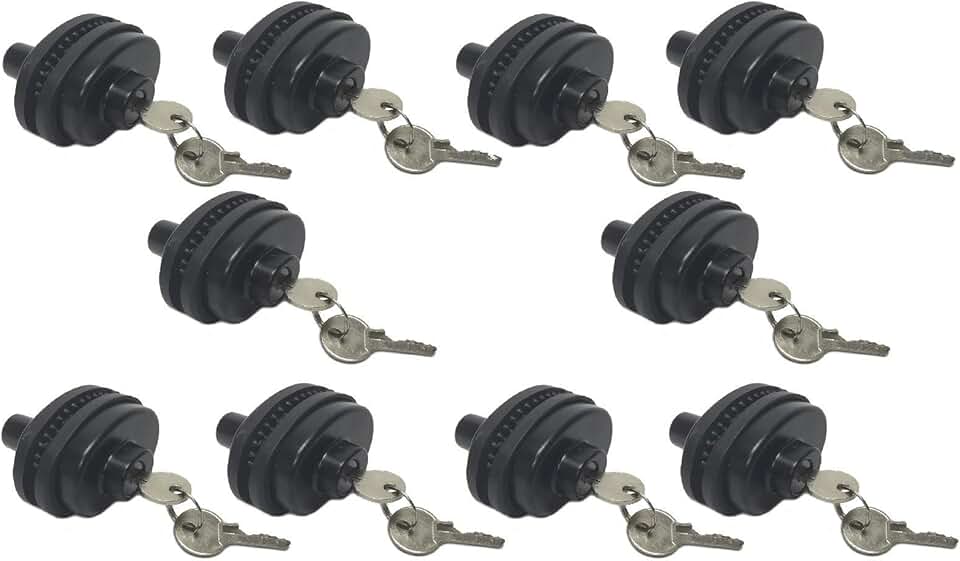
Physical compliance often hinges on proper storage and documentation. Ensure your firearms are stored in accordance with state-specific safe storage laws, which may require trigger locks or secure containers for households with minors. Additionally, verify that your training certificates are current, as some jurisdictions now mandate refresher courses every three to five years. Updating your address with the relevant state police agency is equally critical to avoid missed notifications regarding legal changes.
To support these compliance efforts, consider acquiring essential safety and storage equipment that meets the new standards. The following products are commonly recommended for maintaining secure and lawful firearm storage.


As an Amazon Associate, we may earn from qualifying purchases.
Regularly reviewing official sources ensures you stay ahead of legislative updates. Bookmark the ATF state laws page and check it quarterly, as federal interpretations of the Gun Control Act of 1968 can influence state-level enforcement priorities.
Frequently asked questions about 2026 laws
What state has the strictest firearm laws?
California maintains the strictest firearm regulations in the United States. According to data tracked by Everytown Research & Policy, the state has adopted 45 out of 50 gun safety policies, covering areas such as background checks, safe storage, and assault weapon bans. For more details on state-specific regulations, consult the Giffords Law Center gun law library.
Are 2026 firearm laws changing in the states listed?
Yes, the five states highlighted in this update have enacted new regulations or announced significant policy shifts for 2026. These changes often involve stricter background check requirements, updated waiting periods, or new safe storage mandates. Always verify the latest statutes with your state’s Attorney General or local law enforcement, as regulatory updates can occur rapidly.
Do I need special storage equipment to comply with new laws?
Many new regulations include safe storage provisions to prevent unauthorized access. While specific requirements vary by state, using a certified gun safe or trigger lock is often the most reliable way to ensure compliance. Look for storage solutions that meet UL standards and fit your specific firearm collection size.
As an Amazon Associate, we may earn from qualifying purchases.
No comments yet. Be the first to share your thoughts!