

Firearm Regulations in Washington State
When it comes to firearm regulations in Washington State, there's a blend of federal and state laws to consider. The Evergreen State has a reputation for being progressive, and this extends to its approach to gun laws.
Firstly, it's important to note that Washington State does not require permits to purchase rifles, shotguns, or handguns. However, there is a mandatory waiting period for handgun purchases, unless the buyer has a valid concealed pistol license. 
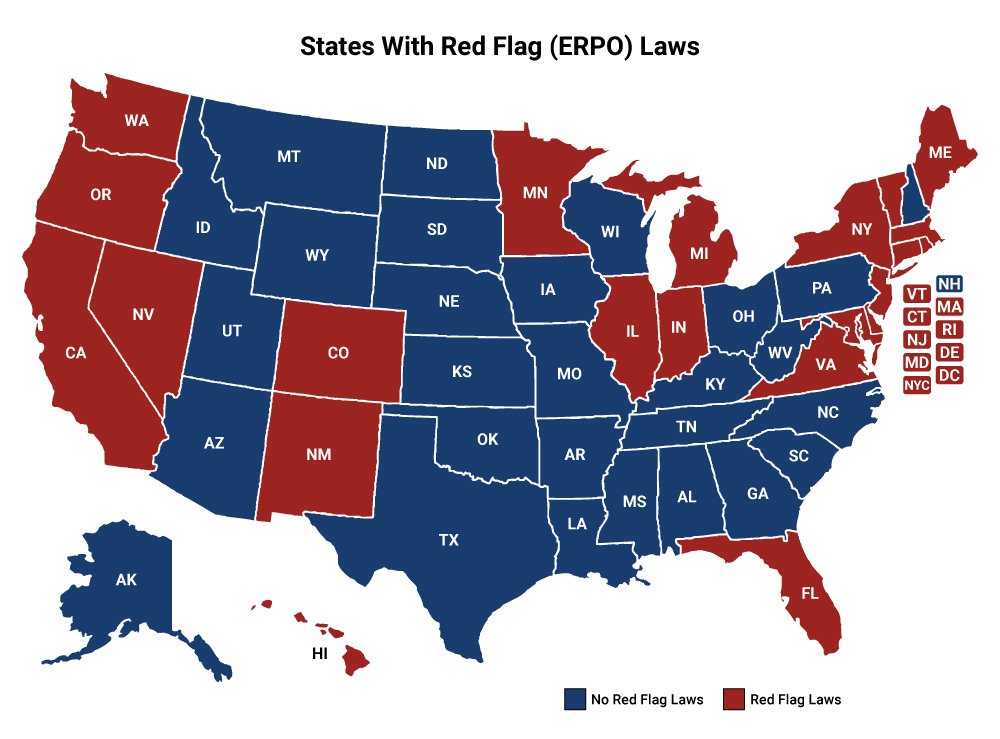
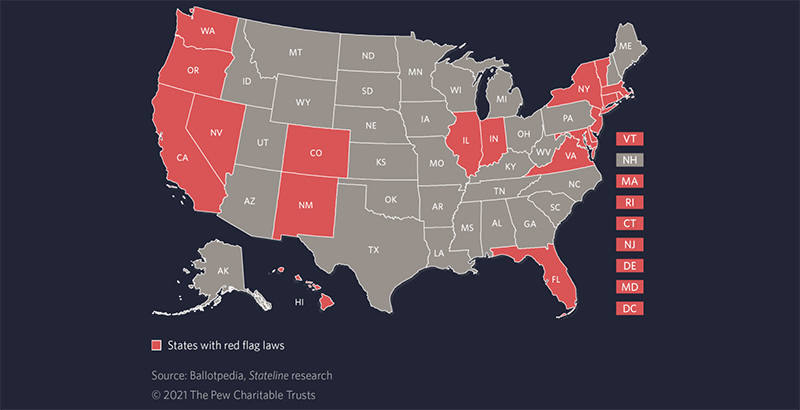
Washington State also enforces a law known as the 'red flag' law. This allows family members or law enforcement to petition a court to temporarily remove firearms from a person who poses a risk to themselves or others. This is a crucial aspect of washington firearm regulations aimed at preventing gun violence.
Another key aspect of gun ownership in Washington State is the requirement for background checks. These are mandatory for all gun sales and transfers, including private transactions and gun shows, with a few exceptions. This is in line with federal law, which requires background checks for all gun sales by licensed dealers.
Finally, it's worth noting that Washington State has preemption laws in place. This means that local governments cannot enact their own gun laws that are stricter than state law. This ensures consistency in washington state gun ownership rules across the entire state.
Understanding these laws is the first step towards safe and responsible gun ownership in Washington State. Stay informed and stay safe.
Handgun Laws in Washington State
Now, let's delve deeper into the specifics of handgun laws in Washington State. Washington State has a unique approach to handgun ownership, which is designed to balance the rights of individuals with the need to maintain public safety.
One of the most distinctive features of Washington State's handgun laws is the mandatory waiting period. When purchasing a handgun in Washington, there is a waiting period of up to 10 days. This allows adequate time for a thorough background check to be conducted, ensuring that the buyer is legally eligible to own a firearm. However, this waiting period can be waived if the buyer possesses a valid concealed pistol license. 
Additionally, Washington State requires that all handgun owners be at least 21 years old. This age restriction is in place to ensure that only mature and responsible individuals have access to handguns.
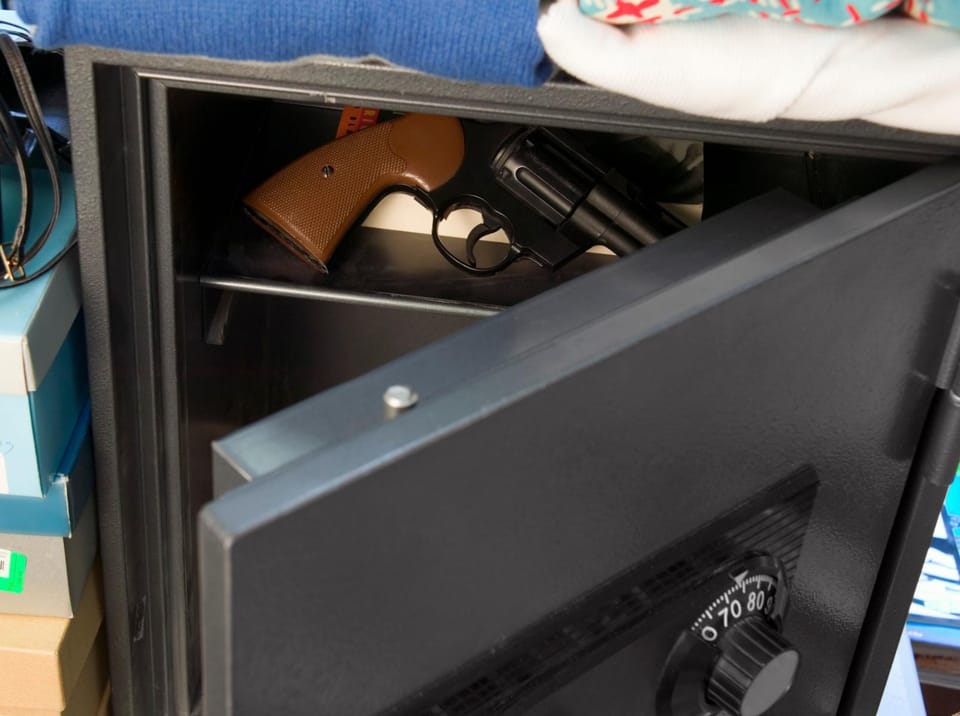
Another important aspect of Washington's handgun laws is the requirement for safe storage. Gun owners are legally required to store their firearms in a secure manner when not in use. This can include using a gun safe, trigger lock, or other secure storage method. Failure to properly store a firearm can result in legal penalties, highlighting the importance of responsible gun ownership. 
Lastly, it's important to note that open carry of a handgun is legal in Washington State, but there are restrictions. For instance, open carry is prohibited in certain public areas such as schools, government buildings, and places where alcohol is served.
Understanding these Washington State hand gun laws is crucial for anyone considering gun ownership in the state. It's not just about knowing your rights, but also about understanding your responsibilities.
Requirements for Gun Ownership in Washington State
Transitioning from the specifics of handgun laws, we now turn our attention to the broader requirements for gun ownership in Washington State. This will provide a more comprehensive understanding of Washington firearm regulations, and guide you through the rules of gun ownership in the state.
Firstly, it's important to highlight that Washington State has a universal background check law. This means that all firearm sales and transfers, including private transactions and gun shows, require a background check of the buyer. This is an essential step in ensuring that firearms do not end up in the wrong hands. 
Secondly, Washington State law stipulates that you must be at least 18 years old to purchase a shotgun or rifle, and at least 21 years old to buy a handgun. This age restriction is in place to ensure that firearms are only sold to individuals who are mature enough to handle them responsibly.
Another key requirement for gun ownership in Washington State is the completion of a firearm safety training course. This course must be completed within the last five years and must include instruction on basic firearm safety rules, state laws regarding the use of firearms, and information on firearms and suicide prevention. 
Lastly, Washington State has a law that holds gun owners accountable for leaving a loaded gun where a child or prohibited person can access it. This law underscores the importance of safe storage and the role it plays in preventing accidents and unauthorized use of firearms.
In summary, understanding gun laws in Washington State is not just about knowing the rules, but also about understanding the responsibility that comes with gun ownership. By staying informed, you can ensure that you are a safe and responsible gun owner. 
Safe and Responsible Gun Ownership in Washington State
Safe and responsible gun ownership in Washington State is more than just understanding the laws and regulations. It's about embracing a culture of safety, respect, and responsibility. Let's delve into what this means for you as a potential or current gun owner in Washington.
Education is Key
First and foremost, educating yourself about firearms is crucial. This includes understanding how to handle, store, and maintain your firearm. Many organizations in Washington offer firearm safety courses that can provide this essential knowledge. Remember, a well-informed gun owner is a safe gun owner.

Safe Storage
Washington firearm regulations emphasize the importance of safe storage. Keeping your firearms securely stored when not in use can prevent accidents and unauthorized use. Consider investing in a gun safe or lockbox. Additionally, if there are children in your home, it's vital to keep firearms out of their reach.

Respect for the Law
Respect for Washington State gun laws is a cornerstone of responsible gun ownership. This means complying with all regulations, including those related to purchasing, carrying, and transporting firearms. Violations can lead to severe penalties, including loss of your gun ownership rights.
Community Engagement
Finally, being a responsible gun owner in Washington State means being an active and engaged member of your community. This can involve joining local gun clubs, participating in safety initiatives, and advocating for responsible gun ownership. Remember, your actions can influence the perception and reality of gun ownership in Washington State.

In essence, safe and responsible gun ownership in Washington State is a multifaceted commitment. It requires ongoing education, adherence to laws, safe storage practices, and active community involvement. By embracing these principles, you can contribute to a safer and more responsible gun culture in Washington.
Firearm Purchasing and Licensing in Washington State
When it comes to firearm purchasing and licensing in Washington State, there are several key points to understand. Washington State gun laws are designed to promote safe gun ownership and to ensure that those who possess firearms are responsible and informed.
Firstly, to purchase a handgun in Washington, you must be at least 21 years old. For long guns, the minimum age is 18. Washington State handgun laws also require that you have a valid state-issued ID. Non-residents can purchase long guns, but not handguns.
Washington does not require a permit to purchase firearms, but a Concealed Pistol License (CPL) is needed if you wish to carry a concealed handgun. To obtain a CPL, you must be at least 21 years old, a U.S. citizen, and meet certain eligibility criteria, including no felony convictions or mental health issues.
Furthermore, all firearm sales, including private ones, must go through a licensed dealer and are subject to a background check. This is part of Washington's firearm regulations aimed at ensuring that guns do not end up in the wrong hands.
Lastly, it's important to note that Washington has a waiting period for handgun purchases. Even if you have a CPL, you may have to wait up to 10 days to take possession of your new handgun. This cooling-off period is designed to prevent impulsive acts of violence.
Understanding gun laws in Washington is crucial for anyone considering gun ownership in the state. Staying informed helps ensure safe and responsible firearm use.

Concealed Carry Laws in Washington State
Transitioning from the topic of purchasing and licensing, let's delve into the realm of Concealed Carry Laws in Washington State. This is a crucial aspect of understanding gun laws in Washington, particularly for those interested in carrying a handgun for personal protection.
As previously mentioned, to carry a concealed handgun in Washington State, you need to obtain a Concealed Pistol License (CPL). This requirement is a significant part of Washington State gun ownership rules. 
Obtaining a CPL in Washington is a shall-issue process. This means that as long as you meet the eligibility criteria, the issuing authority must grant you a license. These criteria include being at least 21 years old, a U.S. citizen, and having no felony convictions or mental health issues.
Washington State also recognizes concealed carry permits from several other states, provided the holder of the out-of-state permit is at least 21 years old and the permit is in the person's physical possession at all times that he or she is carrying a concealed pistol in Washington State.
However, it's important to note that even with a CPL, there are places where you cannot carry a concealed handgun. These include areas like schools, courthouses, and certain areas of airports. Violating these restrictions can lead to serious legal consequences. 
Finally, remember that Washington is an open carry state, meaning you can openly carry a firearm without a permit, as long as it's not in a way that warrants alarm for the safety of others. But, the rules change when you step into a vehicle. Once inside a vehicle, the firearm is considered concealed, even if it's plainly visible, and you need a CPL to carry it.
Understanding these nuances of Washington State hand gun laws is essential for anyone considering carrying a firearm in the state. It's all part of being an informed and responsible gun owner in Washington State.
Background Check Requirements in Washington State
When it comes to gun ownership in Washington State, understanding the background check requirements is crucial. Washington State takes a proactive approach to ensure safe gun ownership. Let's delve into the specifics of the Washington State gun laws regarding background checks.
Under Washington firearm regulations, all firearm sales and transfers, including private transactions and sales at gun shows, are subject to background checks unless specifically exempted by state or federal law. This is a significant part of the guide to Washington gun laws that every potential gun owner should be aware of.

These background checks are conducted by licensed dealers who must wait for approval from the Washington State Patrol and the Federal Bureau of Investigation. This process ensures that the person seeking gun ownership in Washington State does not have a criminal record or isn't otherwise ineligible to possess a firearm under state or federal law.
Furthermore, the Washington State gun ownership rules stipulate that any person denied a firearm through the background check process may appeal the denial. This is an important aspect of understanding gun laws in Washington.
In essence, the background check requirements are a key component of Washington State firearm laws explained. They contribute to the goal of safe gun ownership in Washington State by preventing firearms from falling into the wrong hands.
Storage and Transportation of Firearms in Washington State
Transitioning from the background check process, let's now shift our focus to another crucial aspect of Washington State gun laws - the storage and transportation of firearms. This is a crucial part of responsible gun ownership in Washington State, and understanding these laws is essential for anyone who owns or plans to own a firearm in the state.
Under Washington firearm regulations, it's important to store firearms in a secure and safe manner. This means using a locked box, gun safe, or other secure locked storage space that is designed to prevent unauthorized access or use. Additionally, if a firearm is not in use, it should be rendered inoperable by a secure locking device. 
When it comes to transportation, Washington State gun laws stipulate that firearms must be unloaded and enclosed within a non-transparent case. This case should be securely fastened and not readily accessible to any passengers. 
For those with a concealed pistol license (CPL), the laws are slightly different. A CPL holder may carry a loaded handgun in a vehicle, as long as it's on their person or within easy reach. However, long guns, such as rifles and shotguns, must always be unloaded during transport, regardless of CPL status.
These laws are designed to promote safe gun ownership in Washington State, ensuring that firearms are stored and transported in a manner that reduces the risk of accidental discharge or unauthorized use. So, whether you're a seasoned firearm owner or a newcomer to the world of gun ownership in Washington State, understanding these laws is a key step towards responsible firearm ownership.
Gun Ownership Rights and Responsibilities in Washington State
As we delve deeper into the intricacies of gun ownership in Washington State, it's essential to understand not only the laws but also the rights and responsibilities that come with owning a firearm. This knowledge is a cornerstone of safe and responsible gun ownership.
Firstly, it's important to note that the right to bear arms in Washington State is protected both by the U.S. Constitution and the state constitution. However, this right is not absolute and is subject to certain regulations and restrictions. These are designed to balance individual rights with public safety, a delicate equilibrium that is at the heart of Washington State gun laws.
As a gun owner in Washington State, you have the right to use your firearm for lawful purposes, such as self-defense, hunting, and sport shooting. However, with these rights come significant responsibilities. You are required to comply with all Washington firearm regulations, including those related to purchasing, licensing, storage, and transportation.
Moreover, responsible gun ownership also means understanding the potential risks and consequences of firearm use. This includes taking steps to prevent accidental discharges and unauthorized access to your firearm. 
Finally, it's important to remember that ignorance of the law is not a valid defense. Therefore, staying informed about changes to Washington State gun ownership rules is a key responsibility for all gun owners in the state. 
Understanding gun laws in Washington is not just about knowing your rights; it's also about understanding your responsibilities. This is the essence of responsible gun ownership in Washington State.
Overview of Washington State Gun Laws
When it comes to gun ownership in Washington State, the laws are a blend of federal and state regulations. These laws are designed to promote safe gun ownership and use in the state. This overview will help you understand the basics of Washington State gun laws.
Firstly, Washington is a "shall issue" state for concealed carry permits. This means that as long as you meet the legal requirements, you will be issued a permit. However, open carry is legal without a permit, provided the firearm is not loaded and is carried in a way that does not cause alarm.
Washington State also requires background checks for all gun sales and transfers, including private transactions and at gun shows. This is a step beyond federal law, which only requires background checks for sales from licensed dealers. The state also has a waiting period for handgun purchases.
There are also laws that restrict the possession of certain types of firearms. For instance, Washington State hand gun laws prohibit the possession of machine guns and short-barreled shotguns, unless they comply with federal law.
Lastly, Washington has laws in place to prevent children from accessing firearms. These laws make it a crime to leave a loaded firearm in a place where a child can gain access to it.
Understanding these laws is crucial for anyone considering gun ownership in Washington State. Stay tuned for more detailed information on each of these topics in the following sections.

Background Checks and Waiting Periods
Let's delve deeper into the realm of Background Checks and Waiting Periods as they pertain to gun ownership in Washington State. These are integral parts of the Washington firearm regulations, designed to ensure safe gun ownership in the state.
Washington State has a comprehensive approach to background checks. Unlike federal law, which requires background checks only for sales from licensed dealers, Washington State mandates them for all gun sales and transfers. This includes private transactions and those occurring at gun shows. The aim is to prevent firearms from falling into the wrong hands, thereby promoting safe gun ownership in Washington State.

When it comes to purchasing handguns, Washington State gun laws introduce an additional layer of safety: a waiting period. This waiting period is typically up to ten days, providing law enforcement agencies ample time to conduct thorough background checks. It's important to note that this waiting period applies even if the background check is completed earlier. This law is a testament to Washington's commitment to ensuring that only responsible individuals have access to firearms.

Understanding these laws is a vital step towards responsible gun ownership in Washington State. By adhering to these regulations, gun owners can ensure they're contributing to a safer community. As we navigate through the guide to Washington gun laws, remember that these laws are in place to protect us all.
Stay with us as we explore more about Washington State gun ownership rules in the following sections.
Assault Weapons and High-Capacity Magazine Restrictions
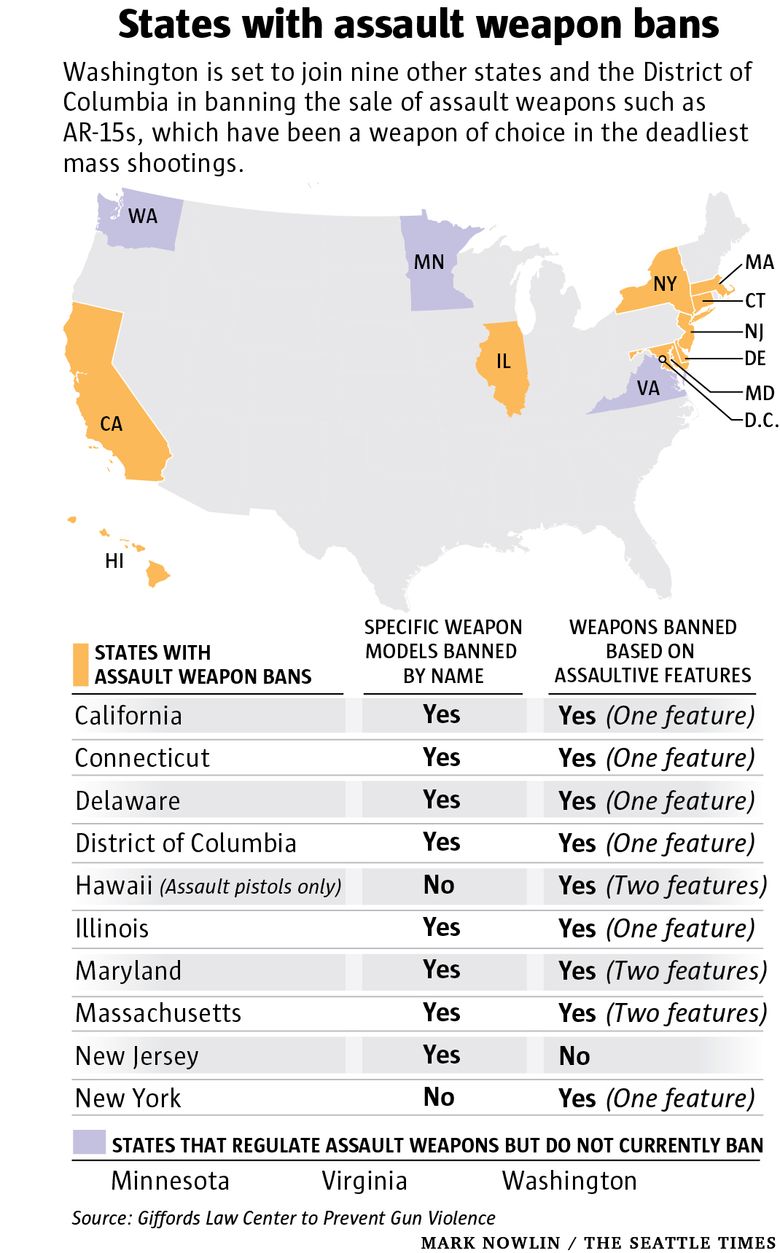
When it comes to Assault Weapons and High-Capacity Magazine Restrictions, Washington State has a unique approach. The state does not explicitly ban assault weapons. However, it does have restrictions on the sale and possession of high-capacity magazines. Let's dive deeper into understanding gun laws in Washington concerning these items.
A high-capacity magazine, as defined by Washington State law, is any ammunition feeding device with the capacity to accept more than ten rounds. As of 2020, the sale, manufacture, and distribution of such magazines are prohibited. However, those who owned high-capacity magazines before the law was enacted are allowed to keep them. This is often referred to as a "grandfather clause".

As for assault weapons, Washington State gun laws do not specifically define or ban them. However, semi-automatic rifles, often categorized as assault weapons, are subject to additional regulations. For instance, to purchase a semi-automatic rifle, one must be at least 21 years old and complete a firearm safety training course within the last five years.

It's crucial to note that these laws can change, and it's always a good idea to stay updated on the latest Washington firearm regulations. Responsible and safe gun ownership in Washington State starts with understanding and adhering to these rules.
Remember, the goal of these laws is not to infringe upon your rights, but to ensure the safety of all residents. As a gun owner, it's your responsibility to understand and comply with these laws.
Gun Storage and Child Access Prevention Laws
Switching gears, let's delve into another critical aspect of gun ownership in Washington State: Gun Storage and Child Access Prevention Laws. These laws are designed to prevent accidental shootings, particularly those involving children, by promoting responsible firearm storage.
Washington State takes a proactive stance on this issue. The state has implemented laws that hold gun owners accountable if a child or prohibited person gains access to a firearm that isn't securely stored. This is known as the Child Access Prevention (CAP) law.
Under Washington's CAP law, a gun owner could face criminal charges if a child or prohibited person accesses and uses a firearm that was not properly secured. This could range from a gross misdemeanor to a class C felony, depending on the circumstances.
So, what does 'securely stored' mean? In Washington State, a firearm is considered secure if it's stored in a locked box, gun safe, or other secure locked storage space that is designed to prevent unauthorized access or use. Firearms can also be secured with a trigger lock or similar device that renders the firearm unusable.
It's important to note that the law also requires gun dealers to offer to sell or give a lock or safe storage device at the point of sale. This is a part of Washington's comprehensive approach to promoting safe gun ownership in Washington State.
As a responsible gun owner, understanding these laws and implementing safe storage practices is not only a legal obligation but a moral one. It's about ensuring the safety of your family, your neighbors, and your community.
Firearm Prohibitions and Domestic Violence
Transitioning from gun storage, we now turn our attention to another significant aspect of gun ownership in Washington State: Firearm Prohibitions and Domestic Violence. This is a critical area of Washington's firearm regulations that directly impacts the safety and well-being of individuals and families.
Washington State has stringent laws in place to protect victims of domestic violence. Under these laws, individuals who have been convicted of a domestic violence offense, or who are subject to a protection order, are prohibited from owning or possessing firearms. This includes both handguns and long guns. The aim is to prevent escalation of violence and protect victims from further harm.
Moreover, the law also provides for the immediate surrender of firearms by those served with protection orders. This is a crucial step in ensuring the safety of victims. The law enforcement officers serving the order are authorized to seize any firearms they see or are told about.
It's worth noting that these prohibitions are not limited to physical violence. They also apply to stalking and harassment convictions. This broad scope is a testament to Washington State's commitment to addressing all forms of domestic violence.
Understanding these laws is a key part of responsible gun ownership in Washington State. They underscore the state's stance on the intersection of firearms and domestic violence, and the importance of keeping firearms out of the hands of those who may pose a risk to others.

In conclusion, Washington State's approach to firearm prohibitions and domestic violence is comprehensive and proactive. It's a clear demonstration of the state's commitment to promoting safe gun ownership and protecting its citizens.
Gun Laws in Public Places
Shifting gears, let's delve into the topic of Gun Laws in Public Places in Washington State. This is a critical aspect of understanding gun laws in Washington, particularly for those who carry firearms outside their homes.
Firstly, it's important to note that Washington State law allows for the open carry of firearms. This means that an individual can legally carry a firearm in public, provided it is not concealed and the person is not prohibited by law from possessing a firearm. However, there are restrictions to this rule. For instance, open carry is not permitted in certain public areas such as schools, courthouses, and private property where firearms are prohibited.
When it comes to concealed carry, Washington is a "shall-issue" state. This means that local law enforcement must issue a Concealed Pistol License (CPL) to applicants who meet certain requirements, unless there is a legal reason to deny it. With a CPL, you can carry a concealed handgun in most public places, but there are exceptions. These include places like schools, areas of buildings used for court proceedings, and mental health facilities.
It's also worth mentioning that Washington State has preemption laws. This means that local jurisdictions cannot enact their own firearm regulations that are more restrictive than state law. So, whether you're in Seattle or Spokane, the rules for gun ownership in public places remain consistent.

Understanding these laws is essential for safe gun ownership in Washington State. They help ensure that firearms are handled responsibly in public settings, contributing to the safety of all citizens. So, whether you're a new gun owner or a seasoned firearm enthusiast, staying informed about Washington State gun ownership rules can help you navigate the complexities of carrying firearms in public places.
Understanding Washington State Gun Laws
When it comes to gun ownership in Washington State, the laws can seem intricate and multifaceted. This guide aims to simplify and explain the Washington State gun laws to help you navigate them with ease.
Washington State has a mixed approach to firearm regulations. While it respects the constitutional right to bear arms, it also places a high emphasis on public safety. As such, the state has implemented a series of laws to ensure responsible gun ownership.
One of the key aspects of Washington firearm regulations is the requirement for background checks. Whether you're purchasing a firearm from a licensed dealer or a private individual, a background check is mandatory. This is to ensure that guns don't end up in the wrong hands.
Another important aspect to understand is the state's stance on open carry. In Washington, open carry is generally legal. However, there are restrictions in certain public areas. For instance, carrying firearms in places like schools, courthouses, or bars is prohibited.
Also, Washington has a "red flag" law. This allows family members or law enforcement to petition a court to temporarily remove firearms from someone deemed a risk to themselves or others.
These are just a few of the many rules that make up the Washington State gun ownership rules. As you delve deeper into the guide to Washington gun laws, you'll find more detailed information on topics like handgun laws, requirements for gun ownership, and concealed carry laws.
Remember, understanding these laws is not just about compliance. It's about ensuring safe and responsible gun ownership. So, whether you're a seasoned gun owner or a novice, this guide to understanding gun laws in Washington is an invaluable resource.
No comments yet. Be the first to share your thoughts!